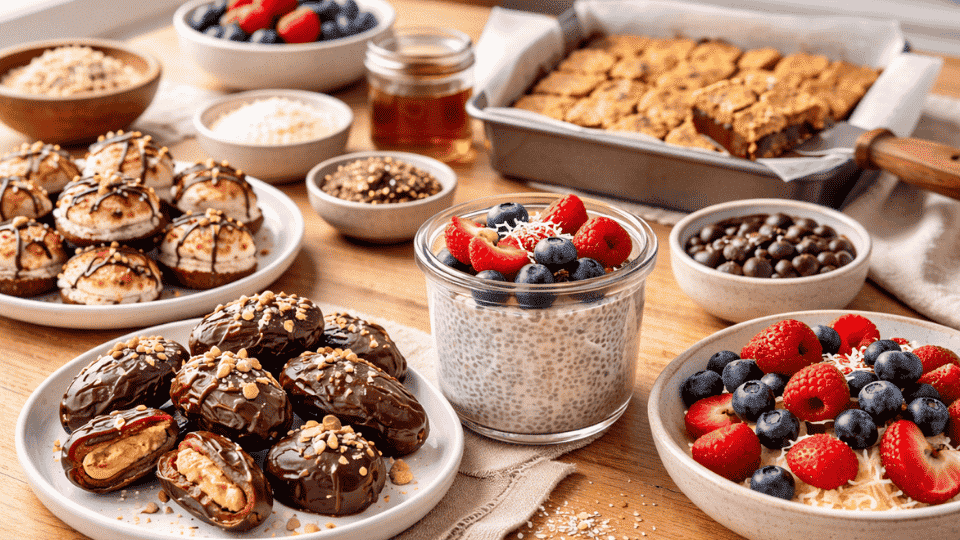
Do you ever finish a meal feeling like you need a three-hour nap instead of a productive afternoon? It is incredibly draining to eat for energy only to end up feeling heavy, bloated, and mentally foggy.
I know how frustrating that cycle is, but I also know that your plate doesn’t have to be your enemy. By focusing on satvik food, you can move away from heavy, overstimulating ingredients and toward meals that actually sustain you.
I will explain the core principles of this balanced lifestyle, provide a clear food list, and share a practical plan to get you started. By the end, you’ll have the tools to eat for clarity and lasting vitality.
What Is Satvik Food? The Ayurvedic and Nutritional Definition
The word “sattvic” comes from the Sanskrit term sattva, which in Ayurvedic and yogic philosophy refers to purity, clarity, and balance. Satvik food is the category of foods traditionally believed to support those qualities, mentally, physically, and spiritually.
In Ayurveda, all foods are classified into three categories called gunas. Sattvic foods are considered light, fresh, and easy to digest. Rajasic foods are stimulating, spicy, heavily flavored, or caffeine-rich.
Tamasic foods are dull and heavy, stale, processed, or very rich. The sattvic diet focuses almost entirely on the first category, with the practical goal of keeping meals clean, mild, and freshly prepared.
Nutritionally, sattvic food overlaps substantially with what research recognizes as a health-promoting dietary pattern: high fiber, high micronutrient density, low saturated fat, and minimal processed food.
The tradition brings additional structure around meal freshness, portion moderation, and mindful eating — habits that have independent support in behavioral nutrition research.
| Food Type | Ayurvedic Quality | Common Examples | Nutritional Character |
| Sattvic | Light, pure, balancing | Fresh fruits, grains, dal, mild dairy | High fiber, high micronutrients, low saturated fat |
| Rajasic | Stimulating, intense | Onion, garlic, hot spices, caffeine | Energizing but potentially overstimulating |
| Tamasic | Heavy, dulling, stale | Meat, alcohol, fried food, leftovers | High in saturated fat or low in nutrient density |
The table above treats these as general nutritional categories rather than absolute spiritual rules. In practice, how you apply them depends on your health goals, digestion, and daily routine.
Main Principles of a Satvik Diet
The main idea behind Satvik food is to choose meals that feel light, nourishing, and steady rather than heavy or overstimulating.
- Eat fresh and seasonal foods whenever possible.
- Choose mostly plant-based meals with simple ingredients.
- Prefer whole foods over packaged or processed items.
- Eat in moderation instead of overeating.
- Cook meals with care, cleanliness, and a calm mindset.
- Eat slowly, mindfully, and without rushing.
- Avoid stale, leftover, fried, very spicy, or heavily processed foods.
- Keep meals simple instead of making them too rich or complicated.
These principles make the satvic diet easier to follow in daily life while keeping the focus on balance, freshness, and mindful eating.
Satvik Food List: What Usually Eat
I keep a satvik food list simple and practical by choosing fresh, light, mostly plant-based foods that support digestion, balance, and steady energy without making meals feel restrictive.
1. Fruits

Fresh fruits are an easy satvik choice because they are naturally sweet, hydrating, and rich in fiber, vitamins, and antioxidants. They work well for breakfast, snacks, or light desserts when eaten in moderation.
- Apples
- Bananas
- Mangoes
- Pears
- Berries
- Melons
- Dates
- Figs
Choose seasonal fruits when possible, and pair sweeter fruits with nuts or seeds for a more balanced snack.
2. Vegetables

Fresh vegetables make satvik meals more nourishing without feeling too heavy. From a plant-based nutrition view, they add fiber, minerals, color, and variety while keeping meals light and easy to digest.
- Leafy greens
- Carrots
- Pumpkin
- Sweet potato
- Cucumber
- Zucchini
- Bottle gourd
Cook vegetables gently with mild spices, or use cooling options like cucumber when you want something lighter.
3. Whole Grains

Whole grains help make satvik meals more filling and balanced. They provide steady energy, fiber, and important nutrients, especially when paired with legumes, vegetables, and a small amount of healthy fat.
- Rice
- Oats
- Wheat
- Barley
- Quinoa
- Millet
Choose the grain that suits your digestion and lifestyle best. Simple preparations are usually easier to sustain long-term.
4. Legumes

Legumes are a key plant-based protein source in a satvik diet. When cooked well with mild spices, they can support fullness, muscle health, and balanced meals without relying on heavy ingredients.
- Mung beans
- Lentils
- Chickpeas
- Split peas
Soaking and cooking legumes thoroughly can make them easier to digest and more comfortable for daily meals.
5. Nuts and Seeds

Nuts and seeds add healthy fats, plant protein, minerals, and texture to satvik meals. They are nourishing, but small portions work best because they are naturally rich and calorie-dense.
- Almonds
- Walnuts
- Sesame seeds
- Pumpkin seeds
- Flaxseeds
Use them as toppings, snacks, or additions to breakfast bowls rather than making them the main part of the meal.
6. Dairy, If Tolerated

Some satvik traditions include fresh dairy, but it should depend on personal tolerance and preference. For people who digest dairy well, simple options can add protein, calcium, and richness.
- Milk
- Ghee
- Fresh yogurt
- Paneer from ethical sources
If dairy does not suit your body, plant-based meals can still be balanced with legumes, nuts, seeds, and fortified alternatives.
7. Natural Sweeteners

Natural sweeteners can fit into a satvik diet when used mindfully. The goal is not to avoid sweetness completely, but to keep portions moderate and avoid making meals overly sugary.
- Honey
- Jaggery
- Dates
- Maple syrup in moderation
Use sweeteners as small accents, not daily staples, especially if you are managing blood sugar or energy crashes.
When choosing between natural sweeteners, think about how often you use them and how much you add. Honey and maple syrup both bring sweetness, but neither should become a free pass for daily overuse.
A small drizzle is usually enough to flavor porridge, herbal drinks, or simple desserts without turning a satvik meal into a sugar-heavy one.
8. Herbs and Spices

Mild herbs and spices help improve flavor without making meals too stimulating. They can make simple food more enjoyable while keeping the overall meal gentle and balanced.
- Turmeric
- Cumin
- Coriander
- Fennel
- Cardamom
- Ginger in moderation
Use spices lightly so they support the dish instead of overpowering it or making it feel too hot.
9. Drinks

Simple drinks are best in a satvik routine because they hydrate without adding excess sugar, caffeine, or stimulation. Warm and herbal options often feel especially calming.
- Warm water
- Herbal teas
- Fresh fruit juice
- Fresh vegetable juice
Choose whole fruits more often than juice when possible, since they provide more fiber and help support steadier energy.
Foods That Don’t Fit a Satvik Diet

The sattvic diet excludes foods across several categories. These are practical guidelines, not fear-based rules — understanding the reasoning makes them easier to apply with judgment.
| Category | Foods Excluded | Reason (Traditional / Nutritional) |
| Pungent vegetables | Onion, garlic, leeks | Classified rajasic, considered overstimulating |
| Animal foods | Meat, fish, eggs | Tamasic; also linked to ahimsa (non-harm) principle |
| Stimulants | Alcohol, coffee, black tea | Rajasic, disrupt mental calm and sleep quality |
| Stale or reheated food | Leftovers, packaged ready meals | Tamasic, reduced prana; also higher in oxidized fats and sodium |
| Heavy fried food | Deep-fried snacks, heavy gravies | Tamasic, high in saturated fat, slow to digest |
| Fungi | Mushrooms | Classified tamasic in most traditions |
| Processed foods | Chips, biscuits, instant noodles | Low nutrient density, high sodium and refined sugar |
These exclusions make the most practical sense from a nutritional standpoint when viewed together: the pattern they produce is a high-fiber, low-processed, mostly whole-food vegetarian diet.
The stricter spiritual rationale for excluding garlic and onion is traditional, not nutritional, both have documented health benefits, particularly for cardiovascular function. This is worth knowing if you decide to follow a flexible version of the sattvic diet.
Satvik Food Health Benefits: What the Evidence Actually Supports
Satvik food has not been studied as a separate clinical diet. Its health benefits are mostly linked to the foods it includes, such as fruits, vegetables, whole grains, legumes, nuts, seeds, and freshly cooked meals.
Cardiovascular risk: Vegetarian and plant-forward diets are linked with lower heart disease risk, mainly because they are usually higher in fiber and lower in saturated fat. Satvik eating supports this by focusing on whole plant foods and avoiding heavy, fried, or overly processed meals.
Type 2 diabetes risk: A 2019 meta-analysis in JAMA Internal Medicine found that plant-based diets were associated with a lower risk of type 2 diabetes. Whole grains and legumes, common in satvik meals, may support better insulin sensitivity and blood sugar control.
Since satvik food is usually fresh, simple, and lightly seasoned, it may feel easier to digest for many people
Mental clarity claims: The mental clarity benefit is traditional, not clinically proven. Still, replacing ultra-processed foods with whole plant foods may support better mood, energy, and overall well-being.
You can also support digestion with gentle movement after meals, such as a short walk, relaxed breathing, or simple yoga poses that help the body feel lighter.
Possible Nutrient Deficiencies in Sattvic Eating
I also consider the risks because strict food rules can create nutrient gaps or become difficult for some people to follow.
- Vitamin B12: High risk, especially without dairy. Best sattvic sources include yogurt, paneer, and milk. A supplement is needed if you are vegan or eat very little dairy.
- Iron: Moderate risk. Best sattvic sources include lentils, spinach, sesame seeds, and pumpkin seeds. Pair these foods with vitamin C to improve absorption.
- Omega-3: Moderate risk because plant-based ALA converts poorly to EPA and DHA. Best sattvic sources include walnuts, flaxseeds, and chia seeds. An algae-based DHA/EPA supplement is recommended.
- Calcium: Low to moderate risk if dairy is included. Best sattvic sources include dairy, sesame seeds, and leafy greens. Supplement only if dairy is completely avoided.
- Vitamin D: Moderate risk because diet alone is rarely enough. Sources include sunlight exposure and fortified dairy. A supplement is often useful, especially in winter.
- Protein: Low risk if legumes are used regularly. Best sattvic sources include dal, paneer, curd, sprouts, and mung beans. No supplement is needed if dal and dairy are included in most meals.
Balanced sattvic eating can be nourishing, but planning key nutrients helps prevent common gaps and supports long-term health.
Satvik Diet Meal Plan for One Day
Satvik meals work best when they follow a simple structure. As a dietitian, I’d keep the plate balanced first, then adjust it to your appetite and routine.
Try to include one grain, one protein source, one or two vegetables, a little healthy fat, and mild spices. This keeps meals filling without making them heavy.
| Meal | Food Options | Nutritional Focus |
| Morning (6-7am) | Warm water with lemon; 6 soaked almonds + 2 soaked walnuts | Hydration, ALA omega-3, vitamin E |
| Breakfast (8-9am) | Oat porridge with banana and pumpkin seeds OR moong dal cheela (2-3) with fresh curd | Complex carbs, protein (8-14g), calcium, zinc |
| Lunch (12-1pm) | 1-2 roti OR 1 cup rice + 1 cup dal + sabzi (leafy green or root vegetable) + 1 cup curd + 1 tsp ghee | Complete protein, iron, B12, calcium, fat-soluble vitamins |
| Afternoon snack (4pm) | Seasonal fruit + herbal tea (fennel or cardamom) | Antioxidants, digestive support |
| Dinner (6:30-7:30pm) | Mung dal khichdi (rice + mung dal + mild spices) with steamed vegetables and ghee | Easy to digest, protein + carbs, gentle on evening digestion |
Use this plan as a starting point, not a fixed rule. I’d keep lunch more filling and dinner lighter, especially if digestion feels slow at night.
You can change the grains, dal, vegetables, or dairy based on your body, season, and daily schedule.
Easy Satvik Food Recipes to Try
These satvik recipe ideas are simple, fresh, and gentle, making them easy to prepare and light to digest.
1. Mung Dal Khichdi
Mung dal khichdi is one of the easiest satvik meals to prepare because it is soft, warm, and comforting. It is a balanced one-pot meal made with rice, split mung dal, mild spices, and simple vegetables.
It works well when you want something nourishing but not heavy. A little ghee can be added if suitable. Keep the seasoning gentle with cumin, turmeric, or coriander so the dish stays light, simple, and easy to digest.
2. Simple Vegetable Stew
A simple vegetable stew makes a warm, satvik meal with few ingredients. It can include carrots, pumpkin, zucchini, bottle gourd, spinach, or other seasonal vegetables cooked until soft.
Mild spices like cumin, coriander, turmeric, or a little ginger can be used for flavor. The goal is not to make it rich or spicy, but soothing and balanced. Serve it with rice, millet, or enjoy it on its own as a light dinner.
3. Cumin Rice with Vegetables
Cumin rice with vegetables is a good satvik option when you want something filling but still simple. Cooked rice can be lightly flavored with cumin seeds, a small amount of ghee, and soft vegetables like peas, carrots, zucchini, or beans.
Keep the spices mild so the meal does not feel overstimulating. This dish works well for lunch because it gives steady energy while staying easy on the stomach. Pair it with yogurt or dal if tolerated.
4. Fresh Fruit Bowl with Soaked Nuts
A fresh fruit bowl with soaked nuts is one of the simplest satvik breakfast or snack ideas. Seasonal fruits such as bananas, apples, pears, berries, mangoes, or melon work well.
Soaked almonds, walnuts, or figs can add texture and nourishment without making the meal too heavy. This option feels naturally sweet, hydrating, and refreshing. Avoid adding too much sugar or processed toppings. Keep it clean, colorful, and easy to digest.
5. Lentil Soup
Lentil soup is a gentle way to add plant-based protein to a satvik diet. Well-cooked lentils with mild spices such as cumin, turmeric, coriander, and a small amount of ginger create a warm and nourishing meal.
The soup should feel smooth and balanced rather than thick, heavy, or overly spicy. Soft vegetables like carrots, spinach, or pumpkin can be added for extra nutrition. It works well as a light lunch or dinner with rice or whole-grain bread.
6. Steamed Vegetables
Steamed vegetables with ghee are simple, clean, and easy to include in a satvik meal. Vegetables like carrots, zucchini, pumpkin, green beans, spinach, or bottle gourd work well.
Once steamed, they can be finished with a small amount of ghee, cumin, coriander, or fresh herbs. This keeps the flavor mild while making the vegetables more satisfying. It works well as a side dish with dal, rice, khichdi, or any simple grain-based meal.
7. Herbal Tea with Fennel or Cardamom
Herbal tea with fennel or cardamom is a calming satvik drink that can be enjoyed between meals or after eating. Fennel feels especially gentle after heavier meals, while cardamom adds a soft, naturally sweet aroma.
Keep the tea caffeine-free and avoid refined sugar. A small amount of honey can be used once the tea cools slightly. This drink supports the satvik idea of choosing simple, soothing options that help the body feel settled.
Frequently Asked Questions
Can children eat satvik food?
Yes, children can eat satvik food if their meals are balanced and not overly restrictive. Include grains, dal, vegetables, fruits, nuts or seeds, and dairy if tolerated. Growing children need enough calories, protein, calcium, iron, and healthy fats, so satvik meals should be nourishing rather than too light.
Can I eat satvik food without dairy?
Yes, you can follow a dairy-free satvik diet, but you need to plan nutrients carefully. Use legumes, sprouts, nuts, seeds, sesame, leafy greens, and fortified plant-based alternatives when suitable. Vitamin B12, calcium, and vitamin D may need extra attention if you avoid milk, curd, paneer, and ghee.
Why are onion and garlic avoided in satvik food?
Onion and garlic are avoided in many satvik traditions because they are considered rajasic or stimulating. This is a traditional Ayurvedic and yogic view, not a modern nutrition rule. From a health perspective, onion and garlic can still have benefits, so some people choose a flexible approach.
Can I eat leftovers on a satvik diet?
Traditional satvik eating prefers freshly cooked food because it is considered lighter and more nourishing. Leftovers are usually avoided because they are seen as stale or tamasic. Practically, if you must store food, keep it refrigerated safely and reheat it properly, but try not to make leftovers your main routine.
Is satvik food the same as vegetarian food?
No, satvik food is usually vegetarian, but not all vegetarian food is satvik. Fried snacks, heavily spiced curries, packaged vegetarian foods, stale meals, and sugary desserts may still be vegetarian but not satvik. Satvik eating focuses more on freshness, simplicity, moderation, and easy digestion.
Summing It Up
Embracing this lifestyle is about more than just a list of ingredients; it is about how you feel after you leave the table.
By prioritizing fresh produce, whole grains, and mindful preparation, you give your body the chance to function at its most vibrant level. I encourage you to see satvik food as a flexible tool for better energy rather than a rigid set of rules.
Start by swapping one processed snack for a bowl of fresh fruit or a handful of soaked nuts. Your digestion and mental clarity will thank you for the gentle shift.
What was your favorite takeaway from this guide? Share your thoughts below or check out my other plant-based meal tips.