
| Disclaimer: This article is for informational and educational purposes only. It does not constitute medical advice. A 1,000-calorie meal plan is a significant calorie restriction that is not appropriate for everyone. Always consult a qualified healthcare provider before starting any new diet or nutrition program, particularly one involving a large calorie deficit. |
A 1,000-calorie meal plan creates rapid fat loss on paper, but the outcome depends almost entirely on how those calories are structured. I’ve seen people drop weight quickly on this plan only to regain it within weeks because their protein was too low, their food choices left them hungry by noon, and the deficit was simply unsustainable past the first week.
Done with intention, this approach can deliver real, visible results in a short window. Done carelessly, it accelerates muscle loss and leaves your metabolism slower than when you started.
This guide covers what a balanced 1000 calories a day meal plan actually requires, a full 7-day structure with macro targets for each day, a higher-protein variation for muscle retention, honest safety context, and the specific mistakes that derail most people before they reach the end of week one.
What a Balanced 1,000 Calorie Day Requires
At 1,000 calories, every food choice carries real weight. Eating 1,000 calories of chips and eating 1,000 calories of lean protein, vegetables, and whole grains produce radically different outcomes for your body composition, energy levels, and hunger.
The four nutrient categories below are what separate a 1,000-calorie plan that works from one that quietly causes damage.
| Nutrient | Daily Target | Best Sources | Why It Matters |
| Protein | 60–80g | Chicken breast, egg whites, Greek yogurt, cottage cheese, tofu | Preserves lean muscle, controls hunger, and burns more energy during digestion than carbs or fat |
| Carbohydrates | 80–120g | Oats, lentils, sweet potato, leafy greens | Stabilizes blood sugar, provides fiber, sustains energy on low calories |
| Healthy Fats | 25–35g | Olive oil (1 tbsp), avocado (quarter), almonds (small handful) | Supports hormone function, which becomes critical during a calorie deficit |
| Micronutrients | Half your plate | Spinach, broccoli, zucchini, cucumber, bell peppers | High volume, low calories, essential vitamins, and fiber that keeps you full |
Get these four categories right, and 1,000 calories becomes far more manageable than most people expect. Ignore any one of them, and hunger, fatigue, or muscle loss will usually end the plan within days.
7-Day 1,000 Calorie Meal Plan
Each day below lands at approximately 1,000 calories with protein as the priority macro. Calorie counts are estimates based on standard serving sizes and will vary slightly by brand or preparation method.
Day 1 (1,000 Calories | 70g Protein)
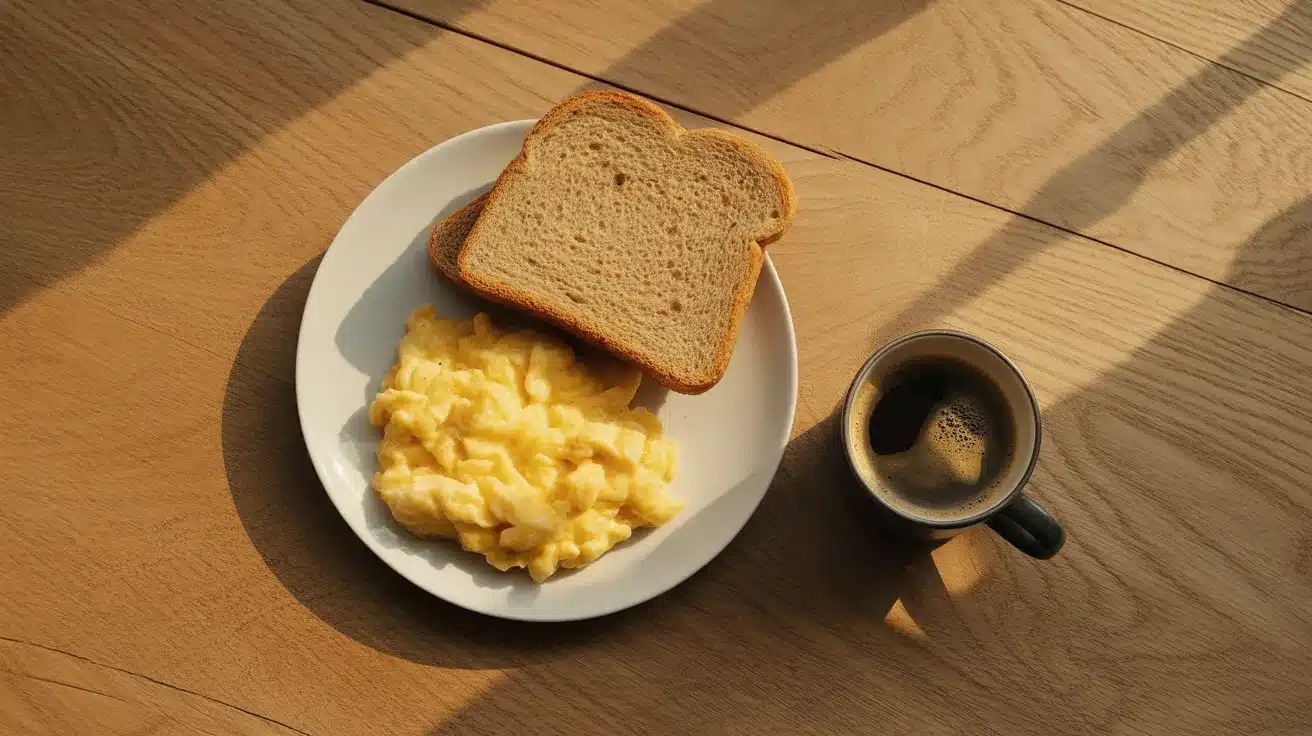
A steady, protein-anchored start to the week. The combination of eggs at breakfast and grilled chicken at lunch keeps hunger stable through the afternoon, which is where most people on a low-calorie plan struggle most.
- Breakfast: 2 scrambled eggs + 1 slice whole wheat toast + black coffee (280 cal)
- Lunch: Grilled chicken breast (100g) + large green salad + 1 tsp olive oil dressing (320 cal)
- Snack: 100g low-fat Greek yogurt + 1 small apple (150 cal)
- Dinner: Stir-fried tofu (80g) + mixed vegetables + half cup brown rice (250 cal)
Day 2 (1,000 Calories | 68g Protein)
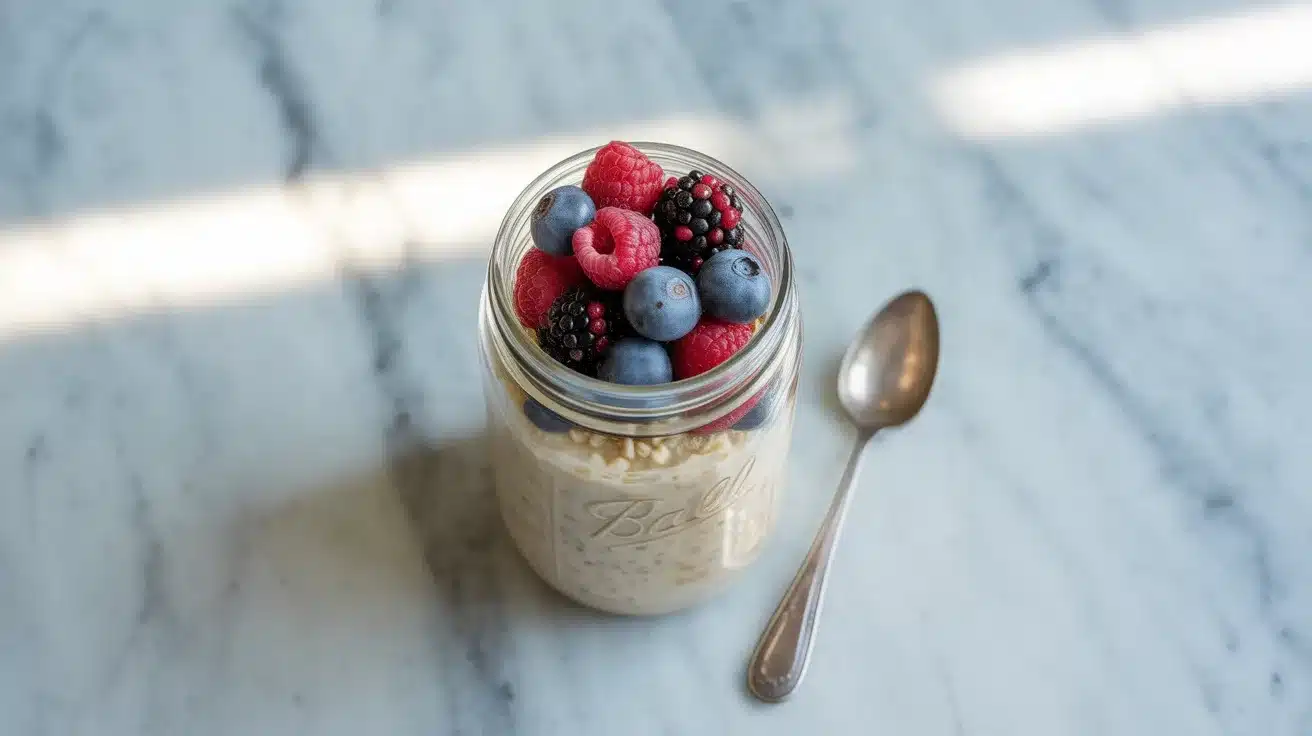
A seafood-focused day with balanced carbs across meals. Canned tuna and baked cod are two of the most calorie-efficient protein sources available, and low-calorie fish recipes built around these proteins make rotating variety into the week easier without breaking the budget.
- Breakfast: Overnight oats (40g oats + low-fat milk + berries) (300 cal)
- Lunch: Tuna salad (canned tuna in water, mustard, celery) on 1 slice of bread (280 cal)
- Snack: 1 boiled egg + 1 small orange (130 cal)
- Dinner: Baked cod (120g) + steamed broccoli + small sweet potato (290 cal)
Day 3 (1,000 Calories | 72g Protein)
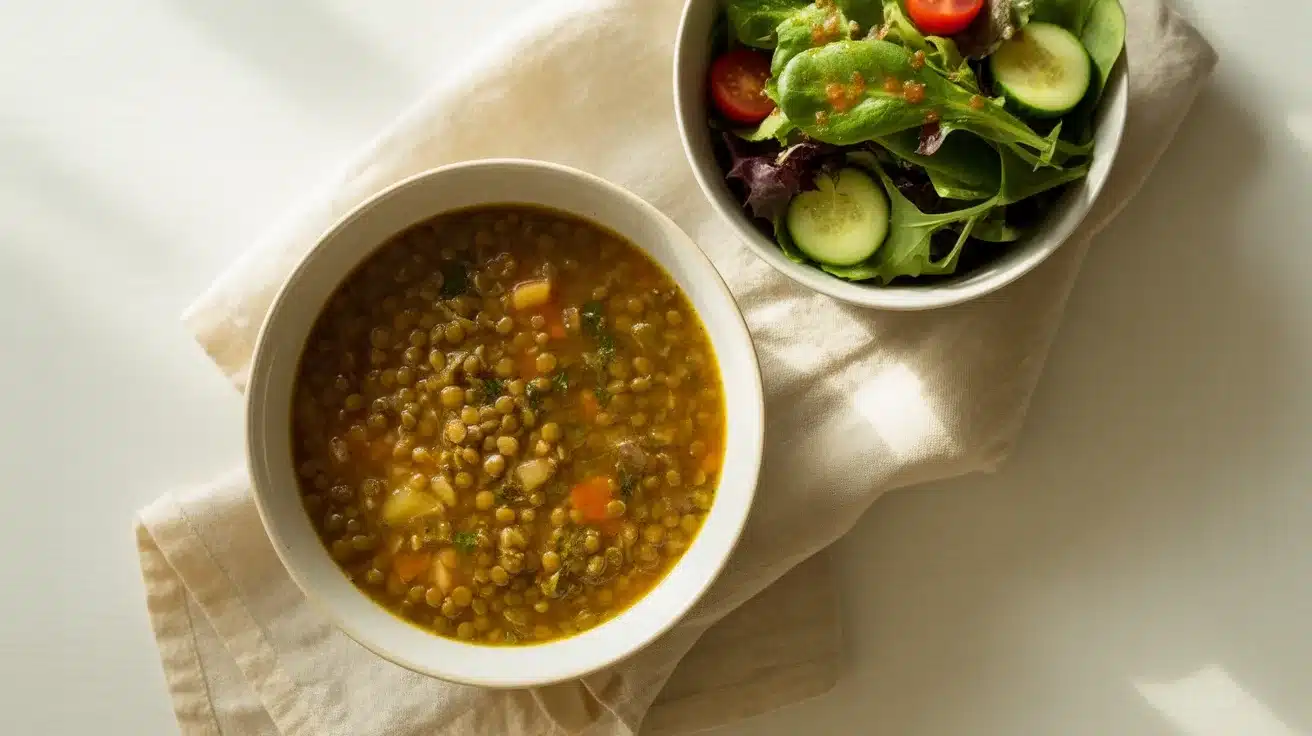
The highest-protein day in the first half of the week. Spreading protein across all four meals rather than loading it at dinner reduces the mid-afternoon energy dips that often push people toward off-plan snacking.
- Breakfast: 3 egg whites + sauteed spinach + 1 slice rye toast (270 cal)
- Lunch: Lentil soup (1 cup) + side salad (310 cal)
- Snack: Cottage cheese (100g) + cucumber slices (120 cal)
- Dinner: Turkey mince (100g) stir-fry with zucchini, onion, and bell pepper (300 cal)
Day 4 (1,000 Calories | 65g Protein)
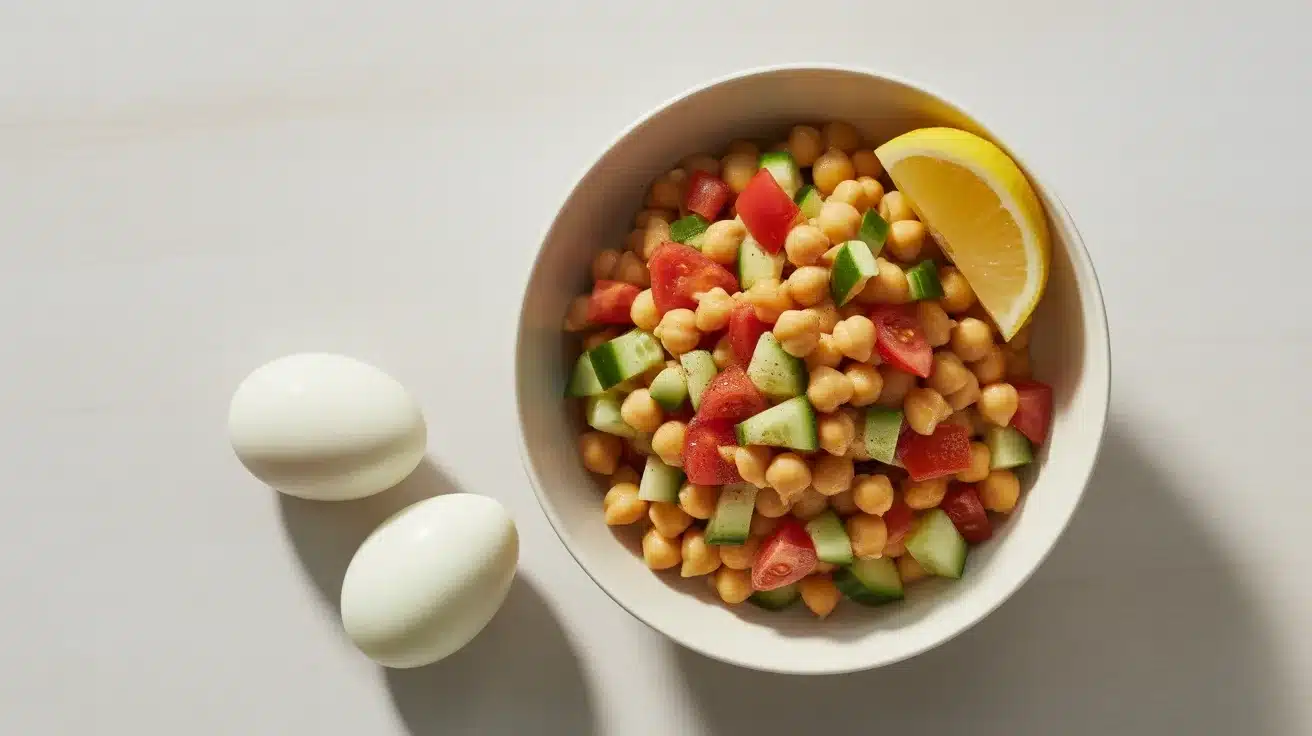
A moderate-protein day anchored by salmon at dinner. The omega-3 fat content in a 100g portion of salmon supports hormone production, which matters more than most people realize when calories are this restricted.
- Breakfast: 2 boiled eggs + 1 small banana (280 cal)
- Lunch: Chickpea salad with tomato, cucumber, lemon dressing (300 cal)
- Snack: 1 rice cake + 1 tbsp peanut butter (130 cal)
- Dinner: Grilled salmon (100g) + asparagus + half cup quinoa (290 cal)
Day 5 (1,000 Calories | 74g Protein)
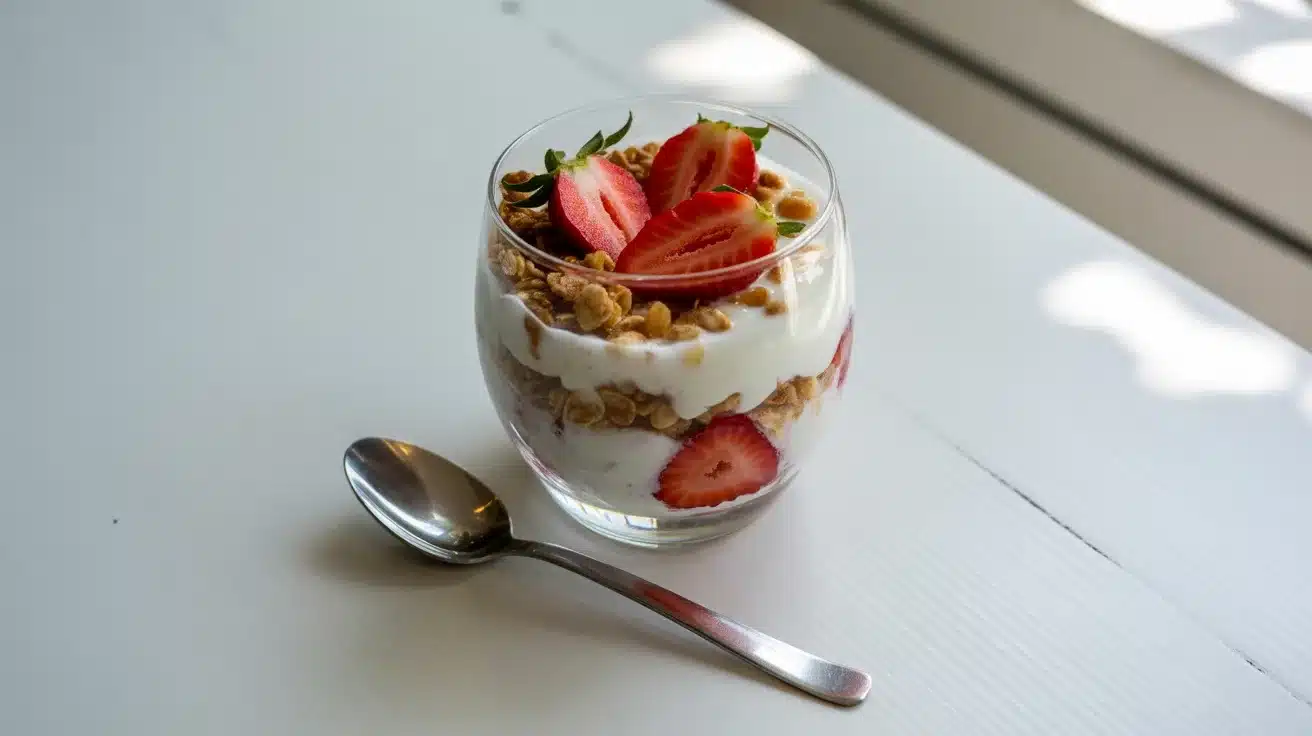
The highest-protein day of the week at 74g. Shrimp is one of the most calorie-efficient protein sources in the entire plan, delivering about 20g of protein per 100g serving for under 100 calories, leaving room for the carbohydrate from brown rice without exceeding the daily target.
- Breakfast: Greek yogurt parfait (150g yogurt + 20g granola + strawberries) (290 cal)
- Lunch: Chicken and vegetable soup (homemade, 1.5 cups) (300 cal)
- Snack: 1 small apple + 1 boiled egg (140 cal)
- Dinner: Shrimp (100g) stir-fried with bok choy and garlic + half cup brown rice (270 cal)
Day 6 (1,000 Calories | 66g Protein)
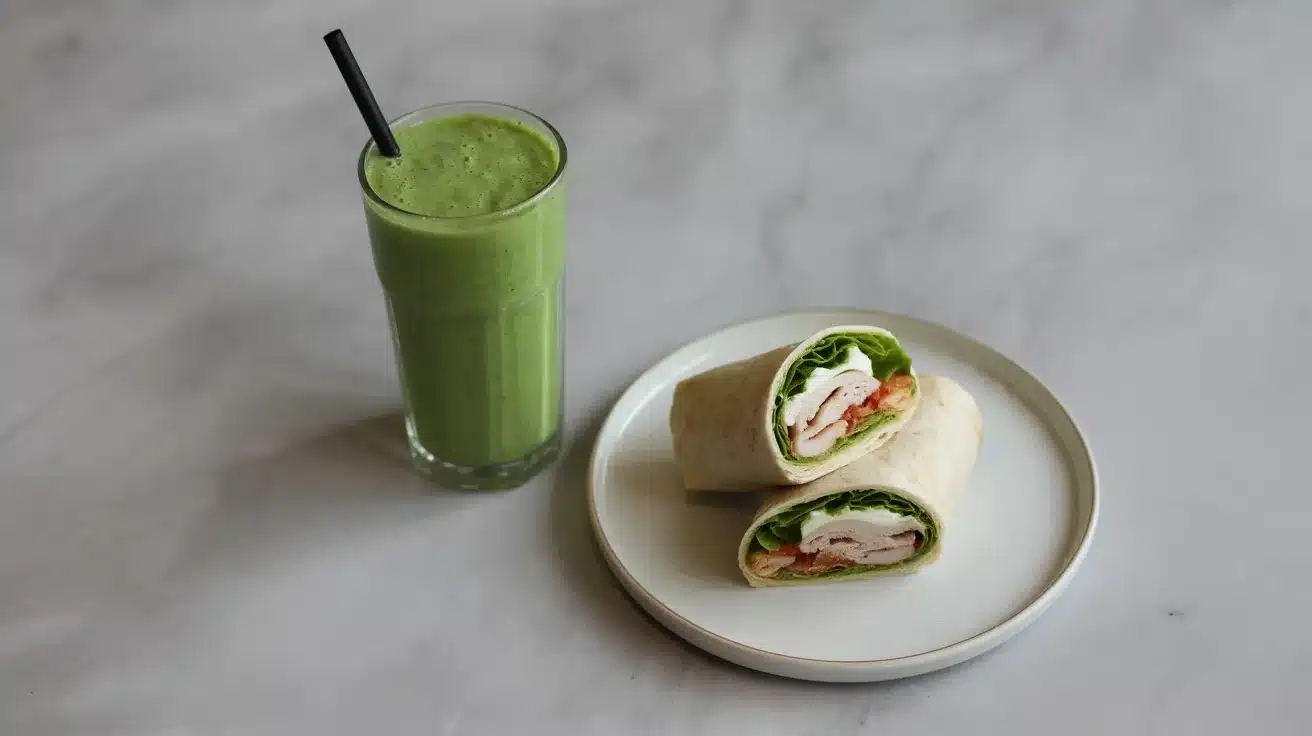
The lowest-prep day in the plan. By day six of any calorie-restricted week, motivation and energy tend to run lower. This day is structured around fast assembly, overlapping ingredients, and meals that require minimal cooking time so consistency stays easy even when willpower does not.
- Breakfast: Smoothie (unsweetened almond milk, half banana, protein powder, spinach) (280 cal)
- Lunch: Turkey wrap (1 small tortilla, 80g turkey, lettuce, mustard) (300 cal)
- Snack: Low-fat cheese (30g) + 4 wholegrain crackers (140 cal)
- Dinner: Baked chicken thigh (skin off, 120g) + roasted cauliflower (280 cal)
Day 7 (1,000 Calories | 69g Protein)

The final day emphasizes fiber alongside steady protein. Black beans at lunch deliver both protein and resistant starch, which feeds beneficial gut bacteria and slows digestion enough to manage hunger through the afternoon without an additional snack.
- Breakfast: Veggie omelette (2 eggs + mushrooms, tomato, onion) (270 cal)
- Lunch: Black bean bowl (half cup beans, salsa, shredded cabbage, lime) (310 cal)
- Snack: 1 small pear + 80g low-fat cottage cheese (130 cal)
- Dinner: White fish (120g) + sauteed greens + small portion of mashed sweet potato (290 cal)
Nutritional values based on USDA FoodData Central data. Individual values may vary by brand, preparation method, and serving size. Verify at fdc.nal.usda.gov.
1,000 Calorie High-Protein Variation for Muscle Retention
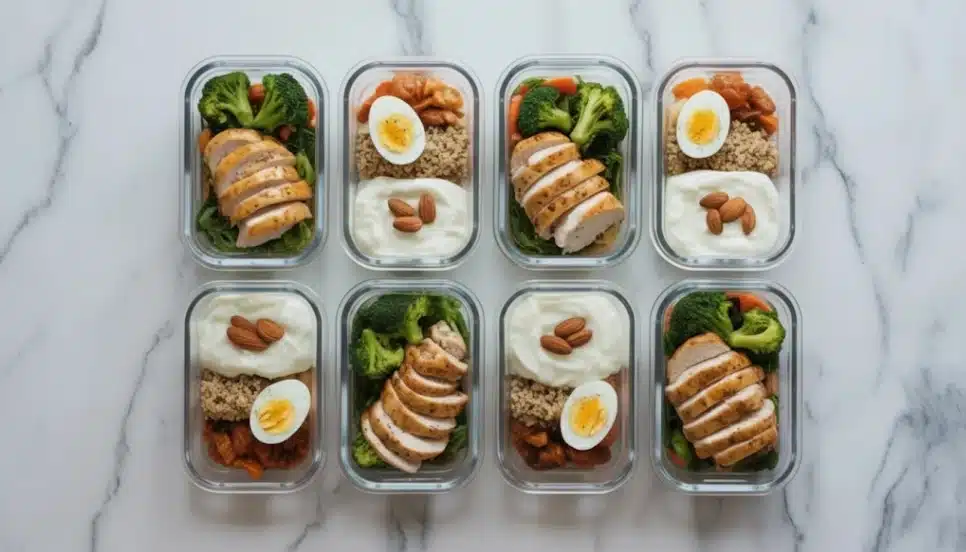
The standard 7-day plan above targets 65–74g of protein per day, which is the minimum to support muscle preservation in most adults during a short-term deficit. The high-protein variation shifts the entire structure to prioritize protein at the expense of carbohydrates, targeting around 100g of protein while staying at or near 1,000 calories.
Here’s what the macro rebalancing looks like in practice: egg whites replace whole eggs at breakfast to cut fat calories while keeping protein high, Greek yogurt with protein powder replaces fruit-based snacks, and grilled turkey breast or baked chicken thigh replaces plant-based protein sources like tofu or lentils at dinner.
The result is a daily profile of approximately 100g protein, 70–80g carbohydrates, and 20–25g fat.
This version is worth considering if you are already doing light resistance training three or more days per week, or if you are on the heavier end of your weight range and have more lean mass to protect.
The trade-off is that lower fat intake can affect satiety and hormone signaling over time, so this variation is best kept to two weeks or less before transitioning to a more moderate deficit.
| Meal | Standard Plan (~70g protein) | High-Protein Swap (~100g protein) |
| Breakfast | 2 whole eggs + toast | 4 egg whites + 1 whole egg + sauteed spinach |
| Snack | Greek yogurt + apple | Greek yogurt + 1 scoop protein powder (no fruit) |
| Lunch | Tuna salad on bread | Tuna salad on cucumber rounds (no bread) |
| Dinner | Tofu + brown rice | Turkey breast (140g) + green vegetables (no grain) |
The comparison above is a framework, not a rigid rule. The goal is to identify where carbohydrates are taking up calorie space and replace them with lean protein without reducing vegetables. For a broader list of high-protein options beyond this plan, the best muscle-building foods guide covers sources ranked by protein density and calorie cost. Vegetables stay at their full volume in both versions.
Is a 1,000-Calorie Meal Plan Safe?
A 1,000-calorie meal plan sits far below the average adult maintenance range of 1,600 to 2,400 calories per day, according to the USDA Dietary Guidelines. That deficit is large enough to drive visible fat loss in a short period, but it leaves almost no margin for nutritional error.
This level of restriction may be appropriate for smaller-framed adults under medical supervision, those approaching a specific short-term milestone, or people using it as a structured 1 to 2-week intervention before transitioning to a more moderate deficit. The key variable is always protein: when intake stays at 60g or above, the body is less likely to pull from lean muscle to meet energy needs.
The following groups should not attempt a 1,000-calorie plan without direct medical guidance:
- Active men burning 2,500 or more calories per day
- Pregnant or breastfeeding women
- Teenagers and young adults are still developing metabolically
- Anyone with type 1 or type 2 diabetes
- People with thyroid conditions or adrenal dysfunction
- Anyone with a current or prior history of disordered eating
Most nutrition professionals recommend limiting very low-calorie plans to 2 to 4 weeks. Extended restriction beyond that window measurably slows resting metabolic rate, making long-term fat loss harder to maintain, not easier.
How Much Weight Can You Lose on 1,000 Calories Per Day?
Weight loss on this plan depends on your maintenance calorie level, body size, activity, and protein intake. If your daily maintenance sits around 1,800 to 2,000 calories, eating 1,000 creates an 800 to 1,000-calorie daily deficit. Over a full week, that accumulates to a 5,600 to 7,000-calorie deficit, which translates to roughly 1.5 to 2 pounds of actual fat loss.
The scale will often show a larger number in the first three to five days. That early drop is largely water weight tied to glycogen depletion as carbohydrate stores reduce. It is a real weight off the scale but not fat loss, and it returns quickly if calories increase.
Real fat loss occurs more slowly, and the ratio of fat to muscle depends directly on how well protein intake is maintained throughout the week. Tracking the signs of losing fat helps distinguish genuine progress from water weight fluctuation.
Here is what the numbers mean in practical terms at different maintenance levels:
| Your Maintenance Calories | Daily Deficit at 1,000 Cal | Estimated Weekly Fat Loss |
| 1,400 cal/day | 400 cal | ~0.8 lb/week |
| 1,800 cal/day | 800 cal | ~1.5 lb/week |
| 2,200 cal/day | 1,200 cal | ~2+ lb/week |
The larger the deficit, the more critical sleep quality, recovery, and micronutrient density become. Cutting calories without addressing these factors produces diminishing returns quickly.
Should You Exercise on a 1,000 Calorie Meal Plan?
Low-to-moderate activity — walking 30 to 45 minutes per day, yoga burns calories at a sustainable rate, or light cycling- is generally manageable at 1,000 calories, provided protein intake is consistent. These activities support calorie expenditure without placing heavy recovery demands on a body that is already running on a significant deficit.
Heavy lifting and intense cardio are a different calculation entirely. At this level of restriction, recovery slows measurably, strength output declines within 7 to 10 days, and fatigue accumulates faster than most people anticipate.
In my own experience working through nutrition and exercise planning, pushing hard in the gym at 1,000 calories does more harm than good for most people because the deficit is too large to support meaningful muscle repair. You are likely to lose strength and lean mass, which slows your metabolism in the exact opposite direction of your goal.
If you notice any of the following, the deficit has gone further than your body can sustain:
- Dizziness or lightheadedness during activity
- Persistent brain fog that does not clear after sleep
- Significant strength decline within 7 to 10 days
- Extreme hunger that disrupts sleep
- Hair thinning or noticeable shedding
Anyone training at moderate intensity 3 to 4 times per week should strongly consider stepping up to a 1,200 to 1,400 calorie target instead. The additional calories preserve muscle, support recovery, and produce fat loss that is easier to sustain over 6 to 12 weeks than the faster but less durable results of a 1,000-calorie deficit.
How to Make Your Grocery List Work for This Plan
One of the practical challenges with a 7-day structured plan is buying food that serves multiple meals without creating waste or requiring separate shopping trips mid-week. The following ingredients appear across multiple days in the plan and form the core of an efficient grocery list.
1. Proteins to Buy in Bulk
Chicken breast and ground turkey are the most versatile proteins in this plan. Buying 700g to 800g of chicken breast at the start of the week covers Days 1, 5, and 6 when properly portioned.
A single package of canned tuna covers Day 2 lunch. For the seafood days, baked cod and grilled salmon are each a single-meal portion, so buy them fresh or frozen as individual fillets.
2. Produce That Stores Well
Broccoli, zucchini, spinach, bell peppers, and cauliflower are all used multiple times across the 7 days. Buy these fresh at the start of the week and store broccoli and spinach in the crisper drawer.
Sweet potato appears on Days 2 and 7 and keeps well at room temperature for a full week. Cucumbers, tomatoes, and salad greens are best bought every 3 to 4 days if you prefer them fresh.
3. Pantry Staples
Oats, canned tuna, canned lentils or dried lentils, brown rice, and black beans are the carbohydrate anchors. Buying these in advance reduces the likelihood of going off-plan when meal prep time is short.
Greek yogurt and cottage cheese are used almost daily and are worth buying in larger containers to reduce the cost per serving.
Common Mistakes on a 1000 Calorie Meal Plan
From my perspective, most people don’t struggle because the plan is impossible. They struggle because of a few predictable mistakes that quietly slow progress from the start.
- Too little protein: Without at least 60 grams per day, muscle loss becomes far more likely. When muscle drops, metabolism slows, and fat loss becomes harder to maintain.
- Skipping vegetables: Non-starchy vegetables add volume and fiber, making 1,000 calories feel less restrictive and more sustainable.
- Drinking calories: Juice, sweetened coffee drinks, and flavored beverages can quietly consume 200–300 calories without creating fullness.
- Not measuring portions: A “small drizzle” of oil or a “handful” of nuts often contains far more calories than expected. Guessing adds up quickly.
- Cutting calories too fast: Dropping straight to 1,000 calories without a gradual transition increases fatigue, cravings, and early burnout.
Knowing these pitfalls in advance makes the plan far more manageable. Small corrections early prevent bigger setbacks later.
The Psychological Effects of Severe Calorie Restriction
Extreme calorie restriction affects more than energy levels. When intake falls to 1,000 calories, mental and emotional strain typically increases alongside physical hunger, and these effects are not signs of weakness or poor willpower. They are predictable biological responses to sustained restriction, as documented consistently by research on low-calorie dieting.
The most common psychological effects reported during aggressive calorie deficits include:
- Increased irritability and reduced patience, particularly in the early afternoon when blood sugar is lower
- Intrusive and frequent thoughts about food, including specific cravings for high-calorie items
- Mood instability and heightened emotional reactivity
- Social discomfort around shared meals and eating situations
- Reduced concentration and slower cognitive processing, particularly on tasks requiring sustained attention
Understanding that these responses are physiological, not personal failures, matters for staying on plan. Building in a structured re-feed day after days 5 to 7, where calories increase to maintenance for a single day, can reduce the psychological load of the restriction without meaningfully interrupting fat loss progress.
| Important: Anyone with a current or prior history of disordered eating should not attempt a 1,000-calorie plan without direct guidance from a registered dietitian or healthcare provider. Severe calorie restriction can reactivate restrictive thought patterns even in individuals who consider themselves recovered. |
Frequently Asked Questions About the 1,000 Calorie Meal Plan
Here are the questions that come up most consistently from people considering or already following this plan.
Is 1,000 calories a day enough to lose weight?
For most adults with a maintenance level of 1,600 calories or above, yes. The 600 to 1,200 calorie daily deficit creates real fat loss at a rate of approximately 1 to 2 pounds per week when protein is sufficient. The more relevant question is whether it is enough to lose weight without losing muscle, and the answer to that depends on keeping protein at 60g or above per day and limiting the plan to a short-term window of 2 to 4 weeks.
What can I eat on a 1,000 calorie meal plan to feel full?
The most filling 1,000-calorie days in this plan share three structural features: protein at every meal (not just dinner), non-starchy vegetables at lunch and dinner to add physical volume, and a strategic afternoon snack that combines protein and fiber. Greek yogurt with a small piece of fruit, cottage cheese with cucumber, or a boiled egg with an orange all hit around 120 to 150 calories while delivering enough protein and fiber to close the gap between lunch and dinner without going over budget.
Can you do a 1,000 calorie meal plan without feeling hungry all the time?
Hunger is real on a 1,000-calorie plan, but its severity depends almost entirely on food quality and meal timing. People who distribute their calories across four smaller meals rather than two larger ones report significantly less acute hunger. High-volume, low-calorie foods like spinach, zucchini, broccoli, and cucumber add bulk to meals without adding meaningful calories. A structured list of high-fiber low-carb foods gives more options for keeping volume high within the calorie budget. Protein above 65g per day also measurably reduces hunger hormone levels compared to plans where protein is low and carbohydrates are higher.
How long should you stay on a 1,000 calorie meal plan?
Two to four weeks is the commonly recommended upper limit among nutrition professionals for this level of restriction. Beyond four weeks, the risk of metabolic adaptation increases substantially. The body responds to prolonged severe restriction by reducing resting metabolic rate, reducing thyroid output, and increasing hunger hormone levels, all of which make continued fat loss harder and weight regain more likely after the plan ends. Use this plan as a short-term accelerator, then transition to a 1,200 to 1,400 calorie deficit for sustainable, longer-term progress.
What happens if you eat 1,000 calories a day for a month?
A full month at 1,000 calories will produce measurable fat loss but also carries real risks. Research on very low-calorie diets consistently shows that calorie restriction at this level for 4 or more weeks reduces resting metabolic rate by 15 to 20%, reduces muscle mass without high protein intake, and is associated with micronutrient deficiencies in iron, calcium, B12, and magnesium when food variety is limited. The weight loss is real, but so are these costs. A structured re-evaluation at the two-week mark is a better approach than continuing without adjustment.
Is 1,000 calories too low for a woman?
For most adult women, yes. The average sedentary adult woman maintains weight at around 1,600 to 1,800 calories per day. At 1,000 calories, that is a 600 to 800 calorie daily deficit, which is aggressive but not extreme for a short-term plan if protein is adequate. For women who are moderately active, the same plan creates an even larger deficit and is less appropriate without medical supervision. Smaller-framed, sedentary women with a lower maintenance level may find 1,000 calories creates a more moderate deficit and tolerate it better than average.
Do I need supplements on a 1,000 calorie meal plan?
A daily multivitamin is a reasonable precaution at this intake level, particularly for B vitamins, iron, calcium, and vitamin D, which are difficult to cover fully at 1,000 calories even with careful food selection. Magnesium is also commonly low on very low-calorie plans and affects sleep quality and muscle function. This is not a replacement for eating nutrient-dense whole foods across the week, but it provides a safety net for the nutrients most likely to fall short at this calorie level.
Final Verdict: Is the 1,000 Calorie Meal Plan Worth Doing?
Here is what this plan actually means for your goals. A structured 1,000 calorie meal plan can deliver 1.5 to 2 pounds of genuine fat loss per week for most adults with maintenance levels above 1,600 calories, but only when protein stays at 65g or above, food choices prioritize volume and fiber, and the plan is used for 2 to 4 weeks rather than as an indefinite approach. The 7-day plan above is built specifically around those parameters. If you are going to try this, start with Day 1 and Day 3, the two highest-protein days, and use them to calibrate how your body responds before committing to the full week. That single adjustment prevents the most common first-week failure on any low-calorie plan.
Sources
USDA, “Dietary Guidelines for Americans 2020–2025.” 2020. https://www.dietaryguidelines.gov
National Institutes of Health, “Very Low-Calorie Diets.” National Institute of Diabetes and Digestive and Kidney Diseases. https://www.niddk.nih.gov/health-information/weight-management/very-low-calorie-diets
Stiegler P, Cunliffe A. “The Role of Diet and Exercise for the Maintenance of Fat-Free Mass and Resting Metabolic Rate during Weight Loss.” Sports Medicine. 2006. https://pubmed.ncbi.nlm.nih.gov/16526835/
USDA FoodData Central. “Nutritional data for individual foods referenced in this article.” https://fdc.nal.usda.gov