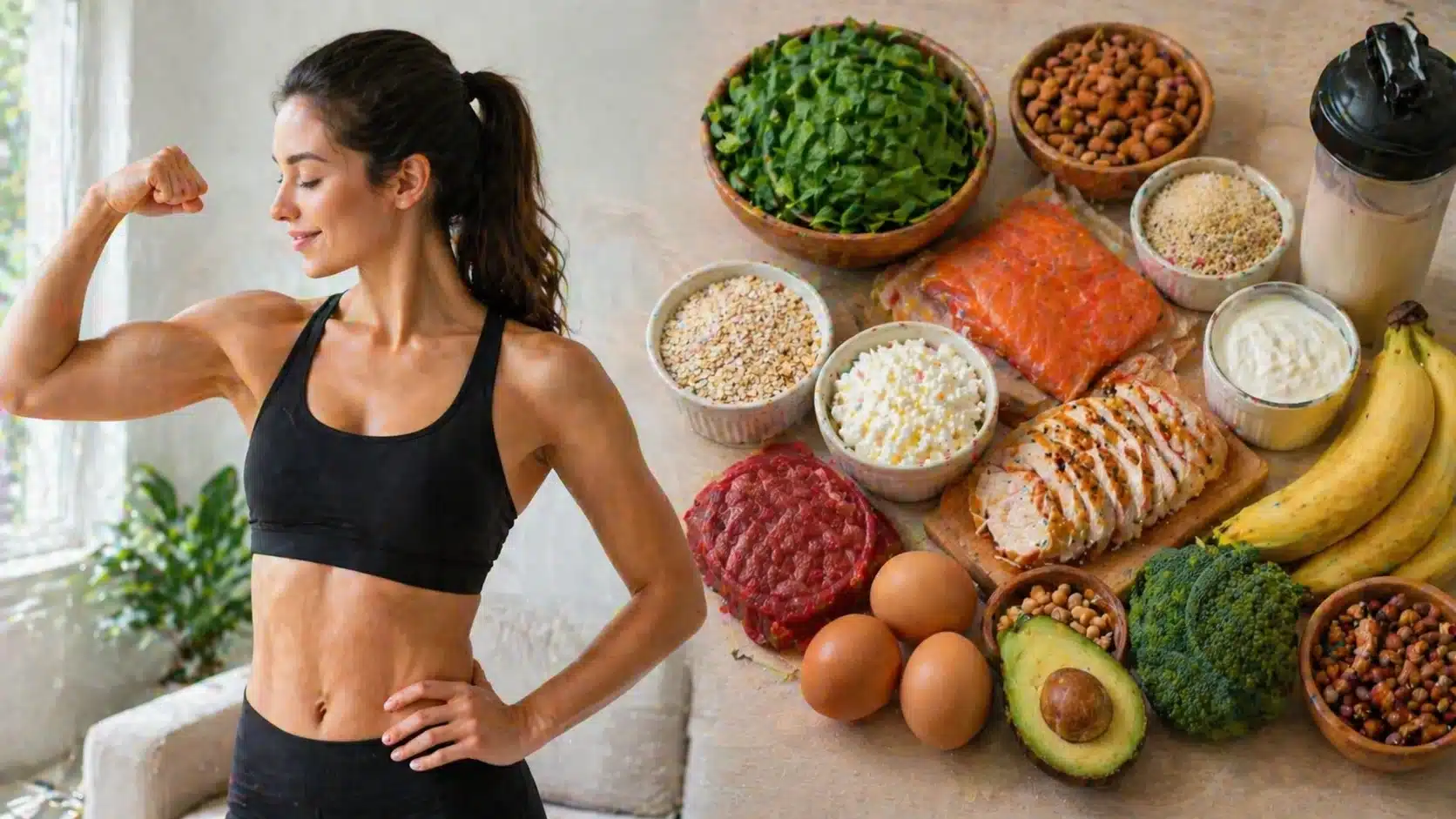

You’re hitting the gym consistently, but the mirror isn’t reflecting your hard work. It is incredibly frustrating to lift heavy every week and see zero change in your physique.
The truth is, you can’t out-train a poor diet. Without the right and best muscle-building foods, your body simply lacks the raw materials to repair and grow.
I know how it feels to spin your wheels, but the solution is simpler than you think. This guide breaks down the essential proteins, fats, and carbs you need to fuel progress.
You’ll learn exactly what to eat and when to eat it to finally unlock the gains you’ve earned.
Food Does More for Muscle Than Most People Realize
Nutrition is what converts training stress into actual muscle. Without the right fuel, the body may struggle to repair and rebuild after training.
Protein supplies the amino acids that repair and rebuild muscle after every session. Complete proteins from animal sources cover all nine essential amino acids on their own.
Plant-based proteins can also support muscle growth when you eat enough total protein and use a variety of sources across the day.
According to the International Society of Sports Nutrition, most exercising people need about 1.4 to 2.0 grams of protein per kilogram of body weight per day to support training adaptations. Some strength athletes may benefit from the higher end of that range, but more is not always better for every person.
| Activity Level | Protein Recommendation | Example for a 180 lb Person |
| Sedentary adults | 0.8g per kg of bodyweight | Around 65g daily |
| Recreational exercisers | 1.1 to 1.4g per kg of bodyweight | 90 to 115g daily |
| Endurance athletes | 1.2 to 1.6g per kg of bodyweight | 98 to 130g daily |
| Strength and power athletes | 1.6 to 2.2g per kg of bodyweight | 130 to 180g daily |
| Athletes actively building muscle | Up to 2.2g per kg of bodyweight | Up to 180g daily |
For most people, spreading protein across three to five meals or snacks works better than saving most of it for dinner. A practical target is about 20 to 40g of protein per meal, adjusted for body size, age, appetite, and training volume.
Spread intake across three to four meals since 20 to 40g per sitting optimizes muscle protein synthesis. Fats support hormone production, carbs fuel training, and aid post-workout nutrient delivery. Both matter.
Understanding the nutrition side sets the foundation. Now here are the specific foods that deliver on each front.
Animal Protein Foods for Muscle Growth
Animal proteins deliver a complete amino acid profile, making them the most direct route to muscle repair and growth. These eight sources are the foundation of any serious muscle-building diet.
1. Eggs

Eggs are one of the best muscle-building foods because they provide complete protein, leucine, healthy fats, vitamin D, and essential nutrients that support muscle repair, strength, and recovery.
| Nutrient | Amount in 1 Large Egg |
|---|---|
| Calories | ~70 kcal |
| Protein | ~6 g |
| Fat | ~5 g |
| Carbohydrates | ~0.5 g |
| Leucine | ~0.5 g |
| Vitamin D | Small amount |
| Choline | ~147 mg |
| Vitamin B12 | ~0.5 mcg |
| Selenium | ~15 mcg |
Whole eggs are more nutrient-dense than egg whites alone because the yolk contains vitamin D, choline, healthy fats, and minerals. For muscle gain, pair eggs with oats, toast, rice, or potatoes.
2. Chicken Breast

Chicken breast is one of the leanest complete protein sources, offering high-quality amino acids with minimal fat, making it ideal for lean muscle gain, recovery, and consistent meal prep.
| Nutrient | Amount in 3 oz Cooked Chicken Breast |
|---|---|
| Calories | ~140 kcal |
| Protein | ~26 g |
| Fat | ~3 g |
| Carbohydrates | 0 g |
| Leucine | ~2 g |
| Vitamin B6 | Good amount |
| Niacin | High amount |
| Phosphorus | Good amount |
| Selenium | Good amount |
Chicken breast is easy to batch-cook and works well in muscle-building meals. Pair it with rice, quinoa, potatoes, vegetables, or whole-grain wraps for balanced training fuel.
3. Salmon

Salmon supports muscle growth by providing complete protein, omega-3 fatty acids, vitamin D, and B vitamins that help reduce inflammation, improve recovery, and support overall training performance.
| Nutrient | Amount in 3 oz Cooked Salmon |
|---|---|
| Calories | ~175 kcal |
| Protein | ~22 g |
| Fat | ~10 g |
| Carbohydrates | 0 g |
| Leucine | ~1.7 g |
| Omega-3 Fats | High amount |
| Vitamin D | Good amount |
| Vitamin B12 | High amount |
| Selenium | High amount |
Salmon is especially useful after workouts because it provides both protein and healthy fats. If you want a deeper breakdown of omega-3s, protein, and calories, read more about sockeye salmon nutrition and benefits. Pair salmon with sweet potatoes, rice, quinoa, spinach, broccoli, or roasted vegetables.
4. Lean Beef

Lean beef helps build muscle by delivering complete protein, iron, zinc, vitamin B12, and natural creatine, all of which support strength, oxygen transport, and explosive training performance. If beef is a regular part of your diet, it also helps to understand protein in steak by cut and serving size so you can plan portions more accurately.
| Nutrient | Amount in 3 oz Cooked 90% Lean Beef |
|---|---|
| Calories | ~180 kcal |
| Protein | ~22 g |
| Fat | ~10 g |
| Carbohydrates | 0 g |
| Leucine | ~1.8 g |
| Iron | Good amount |
| Zinc | High amount |
| Vitamin B12 | High amount |
| Creatine | Natural source |
Lean beef is best used in balanced meals rather than oversized portions. Pair it with potatoes, rice, beans, vegetables, whole-grain pasta, or salad bowls for muscle gain.
5. Turkey Breast

Turkey breast is a lean, complete protein that supports muscle repair, provides B vitamins for energy metabolism, and offers a low-fat alternative to chicken, beef, or pork.
| Nutrient | Amount in 3 oz Cooked Turkey Breast |
|---|---|
| Calories | ~125 kcal |
| Protein | ~25 g |
| Fat | ~1–2 g |
| Carbohydrates | 0 g |
| Leucine | ~1.8 g |
| Niacin | High amount |
| Vitamin B6 | Good amount |
| Selenium | Good amount |
| Tryptophan | Present |
Turkey breast works well for lean muscle meals and snacks. Pair it with whole-grain bread, rice, potatoes, beans, vegetables, avocado, or hummus for balanced nutrition.
6. Tuna

Tuna is a high-protein, low-fat seafood option that supports lean muscle gain, recovery, and calorie control while providing vitamin B12, selenium, and performance-supporting B vitamins.
| Nutrient | Amount in 3 oz Canned Tuna in Water |
|---|---|
| Calories | ~110 kcal |
| Protein | ~25 g |
| Fat | ~1 g |
| Carbohydrates | 0 g |
| Leucine | ~1.9 g |
| Vitamin B12 | High amount |
| Niacin | Good amount |
| Selenium | High amount |
| Vitamin D | Small amount |
Dietitian note: Tuna can be convenient, but vary your seafood choices to reduce mercury exposure. Salmon, sardines, trout, shrimp, and tilapia can all help you rotate protein sources
Tuna is affordable, convenient, and easy to add to meals. Pair it with whole-grain bread, rice, potatoes, salad, avocado, or beans for a filling muscle-building meal.
7. Shrimp

Shrimp is nearly pure protein, making it useful for building lean muscle without adding many calories, carbs, or fat, while also providing selenium, iodine, and vitamin B12.
| Nutrient | Amount in 3 oz Cooked Shrimp |
|---|---|
| Calories | ~85 kcal |
| Protein | ~20 g |
| Fat | ~1 g |
| Carbohydrates | ~1 g |
| Leucine | ~1.6 g |
| Vitamin B12 | Good amount |
| Selenium | High amount |
| Iodine | Good amount |
| Astaxanthin | Present |
Shrimp is ideal for lean meals and quick cooking. If you like rotating seafood proteins, you can also compare their calories and nutrition to crab legs for another lean seafood option. Pair shrimp with rice, pasta, quinoa, vegetables, tacos, salads, or stir-fries for easy high-protein meals.
8. Tilapia

Tilapia is a mild, lean white fish that provides complete protein, vitamin B12, selenium, and phosphorus, making it useful for recovery, lean muscle gain, and simple meals.
| Nutrient | Amount in 3 oz Cooked Tilapia |
|---|---|
| Calories | ~110 kcal |
| Protein | ~21 g |
| Fat | ~2 g |
| Carbohydrates | 0 g |
| Leucine | ~1.6 g |
| Vitamin B12 | Good amount |
| Selenium | Good amount |
| Phosphorus | Good amount |
| Potassium | Small amount |
Tilapia is budget-friendly and mild-tasting, which makes it easy to eat regularly. Pair it with rice, potatoes, quinoa, vegetables, salsa, or whole-grain tortillas.
Dairy Foods for Muscle Growth
Dairy stands out for its unique mix of fast- and slow-digesting proteins, giving muscles an extended amino acid release that most single-source foods can’t match. These three options work well beyond just the post-workout window.
9. Greek Yogurt

Greek yogurt is one of the best dairy foods for muscle growth because it provides both whey and casein proteins. This helps your muscles get amino acids quickly, then keeps that supply steady for hours.
| Nutrient | Amount in 6 oz Plain Greek Yogurt |
| Calories | ~100 kcal |
| Protein | ~17 g |
| Fat | ~0 to 5 g |
| Carbohydrates | ~6 g |
| Calcium | Good amount |
| Casein | Present |
| Whey | Present |
| Vitamin B12 | Good amount |
| Potassium | Small amount |
Plain Greek yogurt works well after training, before bed, or as a high-protein snack. Pair it with oats, banana, berries, or honey for better recovery fuel.
10. Cottage Cheese

Cottage cheese supports muscle growth because it is rich in casein, a slow-digesting dairy protein. This makes it useful before sleep, when your body repairs muscle overnight.
| Nutrient | Amount in ½ Cup Cottage Cheese |
| Calories | ~90 kcal |
| Protein | ~14 g |
| Fat | ~2 to 5 g |
| Carbohydrates | ~3 g |
| Casein | High amount |
| Calcium | Good amount |
| Sodium | Moderate to high |
| Vitamin B12 | Good amount |
| Phosphorus | Good amount |
Cottage cheese is best when you need protein that keeps you full. Pair it with fruit, oats, whole-grain toast, or nuts.
11. Whole Milk

Whole milk helps muscle growth because it provides whey, casein, carbs, and fat in one simple food. It works well after training when your body needs both protein and fuel.
| Nutrient | Amount in 1 Cup Whole Milk |
| Calories | ~150 kcal |
| Protein | ~8 g |
| Fat | ~8 g |
| Carbohydrates | ~12 g |
| Calcium | High amount |
| Whey | Present |
| Casein | Present |
| Vitamin D | Often added |
| Potassium | Good amount |
Whole milk is useful for people trying to gain weight and muscle. You can drink it with meals or use it in smoothies with oats, banana, and peanut butter.
If you are lactose intolerant, choose lactose-free milk, Greek yogurt if tolerated, soy milk, or other high-protein alternatives that fit your digestion.
Plant-Based Muscle Building Foods
Plant proteins can fully support muscle growth when chosen and paired strategically. These four sources offer the best combination of protein density, amino acid quality, and everyday versatility.
12. Soybeans / Edamame

Soybeans and edamame are strong plant-based sources of protein because they provide complete protein. This means they contain all essential amino acids your body needs for repair and growth.
| Nutrient | Amount in ½ Cup Cooked Soybeans or Edamame |
| Calories | ~120 kcal |
| Protein | ~14 g |
| Fat | ~5 g |
| Carbohydrates | ~10 g |
| Fiber | Good amount |
| Iron | Good amount |
| Vitamin K | Good amount |
| Folate | Good amount |
| Magnesium | Small amount |
Soybeans and edamame work well in bowls, salads, stir-fries, and snacks. They are helpful for plant-based eaters who need higher-quality protein.
13. Tofu

Tofu is a useful muscle-building food because it gives you soy protein in a simple, flexible form. Firm tofu works well in meals because it holds its shape during cooking.
| Nutrient | Amount in 3 oz Firm Tofu |
| Calories | ~80 kcal |
| Protein | ~8 g |
| Fat | ~4 g |
| Carbohydrates | ~2 g |
| Calcium | Varies by brand |
| Iron | Good amount |
| Magnesium | Small amount |
| Complete Protein | Yes |
| Isoflavones | Present |
Tofu works well in stir-fries, rice bowls, wraps, and salads. Pair it with rice, quinoa, vegetables, or noodles for a fuller muscle-building meal.
14. Lentils

Lentils help muscle growth by giving you protein and slow-digesting carbs in one food. They are also rich in iron and folate, which support energy and training performance.
| Nutrient | Amount in ½ Cup Cooked Lentils |
| Calories | ~115 kcal |
| Protein | ~9 g |
| Fat | ~0.5 g |
| Carbohydrates | ~20 g |
| Fiber | ~8 g |
| Iron | Good amount |
| Folate | High amount |
| Magnesium | Good amount |
| Potassium | Good amount |
Lentils pair well with rice because together they create a stronger plant-based protein profile. Use them in soups, bowls, curries, and salads.
16. Chickpeas

Chickpeas support muscle growth because they provide both plant protein and complex carbs. This makes them useful for recovery, steady energy, and plant-based meal prep.
| Nutrient | Amount in ½ Cup Cooked Chickpeas |
| Calories | ~135 kcal |
| Protein | ~7 g |
| Fat | ~2 g |
| Carbohydrates | ~22 g |
| Fiber | ~6 g |
| Iron | Good amount |
| Folate | Good amount |
| Magnesium | Small amount |
| Potassium | Good amount |
Chickpeas work well in rice bowls, hummus, salads, soups, and wraps. Pair them with grains or seeds to enhance the amino acid profile.
Best Nuts and Seeds for Muscle Support
Nuts and seeds add plant protein, healthy fats, magnesium, zinc, and antioxidants that support muscle recovery, energy, and overall strength. Start with pumpkin seeds, one of the most mineral-rich options for muscle function and recovery.
17. Pumpkin Seeds

Pumpkin seeds provide protein, magnesium, iron, zinc, and healthy fats. They are easy to add to oats, yogurt, salads, soups, and smoothie bowls.
| Nutrient | Amount in 1 oz Pumpkin Seeds |
| Calories | ~160 kcal |
| Protein | ~8 g |
| Fat | ~13 g |
| Carbohydrates | ~4 g |
| Magnesium | High amount |
| Zinc | Good amount |
| Iron | Good amount |
| Fiber | Small amount |
| Phosphorus | Good amount |
Pumpkin seeds are easy to use in oats, yogurt, salads, soups, and smoothie bowls. Keep the serving controlled because they are calorie-dense.
18. Almonds

Almonds support muscle recovery because they provide protein, vitamin E, magnesium, phosphorus, and healthy fats. They work well as a snack when you need extra calories and nutrients.
| Nutrient | Amount in 1 oz Almonds |
| Calories | ~165 kcal |
| Protein | ~6 g |
| Fat | ~14 g |
| Carbohydrates | ~6 g |
| Fiber | ~3.5 g |
| Vitamin E | High amount |
| Magnesium | Good amount |
| Phosphorus | Good amount |
| Calcium | Small amount |
Almonds are best in small portions because the calories add up fast. Pair them with Greek yogurt, oats, fruit, or milk.
17. Peanuts and Peanut Butter

Peanuts and peanut butter support muscle growth by providing protein, healthy fats, and calories. They are useful for people who struggle to eat enough food while bulking.
| Nutrient | Amount in 2 Tbsp Peanut Butter |
| Calories | ~190 kcal |
| Protein | ~7 g |
| Fat | ~16 g |
| Carbohydrates | ~7 g |
| Fiber | ~2 g |
| Magnesium | Good amount |
| Niacin | Good amount |
| Vitamin E | Small amount |
| Potassium | Small amount |
Choose peanut butter with minimal added sugar and oils. Use it in oats, smoothies, toast, yogurt bowls, or with a banana.
18. Chia Seeds

Chia seeds support muscle-building meals by adding fiber, healthy fats, and small amounts of protein. They are not high in protein alone, but they work well as a nutrient-rich add-on.
| Nutrient | Amount in 1 oz Chia Seeds |
| Calories | ~135 kcal |
| Protein | ~5 g |
| Fat | ~9 g |
| Carbohydrates | ~12 g |
| Fiber | ~10 g |
| Omega-3 Fats | Good amount |
| Calcium | Good amount |
| Magnesium | Good amount |
| Iron | Small amount |
Chia seeds work best in yogurt, oats, smoothies, and puddings. Let them soak before eating for a thicker texture.
19. Hemp Seeds

Hemp seeds are useful for muscle support because they provide complete plant protein and healthy fats. They are easy to sprinkle into meals without significantly altering the flavor.
| Nutrient | Amount in 3 Tbsp Hemp Seeds |
| Calories | ~165 kcal |
| Protein | ~10 g |
| Fat | ~14 g |
| Carbohydrates | ~2 g |
| Fiber | ~1 g |
| Magnesium | High amount |
| Iron | Good amount |
| Zinc | Good amount |
| Omega-3 Fats | Present |
Hemp seeds work well on oats, yogurt, salads, rice bowls, and smoothies. They are a simple way to raise protein and mineral intake.
Vegetables That Support Muscle Building
Vegetables rarely headline a muscle-building plan, but these three earn their place. Each one targets blood flow, inflammation, or hormonal balance, factors that quietly determine how well you recover and grow between sessions.
21. Spinach

Spinach supports training because it contains nitrates, iron, and plant compounds linked to better blood flow and endurance. It is not high in protein, but it helps round out muscle-building meals.
| Nutrient | Amount in 1 Cup Raw Spinach |
| Calories | ~7 kcal |
| Protein | ~1 g |
| Fat | 0 g |
| Carbohydrates | ~1 g |
| Fiber | Small amount |
| Iron | Small amount |
| Vitamin K | High amount |
| Folate | Good amount |
| Nitrates | Present |
Spinach works well with eggs, chicken, tofu, rice bowls, and smoothies. Add it often because it brings nutrients without many calories.
22. Broccoli

Broccoli supports muscle-building meals because it provides vitamin C, fiber, and plant compounds that help recovery and joint support. It also adds volume without many calories.
| Nutrient | Amount in 1 Cup Chopped Broccoli |
| Calories | ~30 kcal |
| Protein | ~3 g |
| Fat | 0 g |
| Carbohydrates | ~6 g |
| Fiber | ~2 g |
| Vitamin C | High amount |
| Vitamin K | Good amount |
| Folate | Good amount |
| Sulforaphane | Present |
Broccoli pairs well with chicken, beef, tofu, rice, and quinoa. It is a strong side food for balanced muscle-building meals.
23. Beetroot

Beetroot supports training because it is high in dietary nitrates, which help blood flow and oxygen use during exercise. This makes it useful before harder sessions.
| Nutrient | Amount in 1 Medium Beet |
| Calories | ~35 kcal |
| Protein | ~2 g |
| Fat | 0 g |
| Carbohydrates | ~8 g |
| Fiber | ~2 g |
| Folate | Good amount |
| Potassium | Good amount |
| Nitrates | High amount |
| Antioxidants | Present |
Beetroot works well in salads, bowls, juices, and pre-workout meals. Pair it with protein and carbs for a fuller training meal.
24. Red Bell Peppers

Red bell peppers support recovery by providing vitamin C, beta-carotene, and antioxidants. They also add crunch and color to high-protein meals.
| Nutrient | Amount in 1 Medium Red Bell Pepper |
| Calories | ~35 kcal |
| Protein | ~1 g |
| Fat | 0 g |
| Carbohydrates | ~7 g |
| Fiber | ~2 g |
| Vitamin C | Very high amount |
| Beta-Carotene | Good amount |
| Potassium | Small amount |
| Folate | Small amount |
Red bell peppers work well with eggs, tofu, chicken, rice, and wraps. They are useful when you want more nutrients without heavy calories.
25. Mushrooms

Mushrooms support muscle-building meals by adding volume, flavor, and key nutrients with very few calories. UV-exposed mushrooms may also provide vitamin D.
| Nutrient | Amount in 1 Cup Mushrooms |
| Calories | ~15 kcal |
| Protein | ~2 g |
| Fat | 0 g |
| Carbohydrates | ~2 g |
| Fiber | Small amount |
| B Vitamins | Good amount |
| Selenium | Good amount |
| Potassium | Good amount |
| Vitamin D | Present if UV-exposed |
Mushrooms work well with eggs, beef, chicken, tofu, rice, and pasta. They help make muscle-building meals larger and more filling.
With the right foods identified, the next piece is knowing when to eat them. Timing your intake around training can make a measurable difference in how much muscle you actually build from each session.
What to Cut Back on If Muscle Growth Is the Goal
Getting the right foods in is one side of the equation. What you consistently eat around them matters just as much. Certain foods directly interfere with muscle protein synthesis, recovery, and hormonal balance, quietly slowing progress even when training is consistent. Here is the list:
- Processed junk food
- Sugary drinks and sodas
- Excess alcohol
- Low-protein diets
- Fast food and fried foods
- Refined white bread and pastries
- High-sugar breakfast cereals
- Flavored yogurts with added sugar
- Energy drinks high in sugar
- Highly processed deli meats with fillers
- Trans fat-containing snacks and packaged foods
- Excess sodium from processed or canned foods
None of these need to be completely eliminated, but keeping them low and infrequent protects the effort you’re putting into both training and nutrition. Consistency with quality food matters more than occasional perfection.
One-Day Muscle Building Meal Plan
Knowing what to eat is one thing. Seeing it laid out as an actual day of meals makes it far easier to apply. This plan is built around the 20-40g per meal threshold, backed by ISSN protein timing research, with carbs timed around training and slow-digesting protein before bed.
| Meal | Timing | What to Eat | Protein Intake |
| Breakfast | Within 30 min of waking | 3 whole eggs + ½ cup oats with milk | 30 to 35g |
| Mid-morning snack | 2 to 3 hours after breakfast | ½ cup cottage cheese + 1 banana | 15 to 20g |
| Lunch | Around midday | 4 oz chicken breast + ½ cup brown rice + vegetables | 35 to 40g |
| Afternoon snack | 1 to 2 hours before training | 3 oz tuna on whole grain bread + Greek yogurt | 30 to 35g |
| Post-workout | Within 45 min of training | Whey protein shake + 1 banana or Greek yogurt | 25 to 30g |
| Dinner | 2 to 3 hours after training | 4 oz salmon or lean beef + 1 medium sweet potato + greens | 35 to 40g |
| Before bed | 30 min before sleep | ½ cup cottage cheese or a casein-based shake | 20 to 25g |
This structure delivers a high-protein day, but it will not fit everyone. A smaller person, beginner, or lighter exerciser may need less protein, while a larger strength athlete may need more. Adjust portions based on body weight, total calories, appetite, training volume, and medical needs.
Adjust portion sizes up or down based on your body weight and your total daily calorie target. The goal is consistency across days, not perfection in any single meal.
Tips to Maximize Muscle Growth with Diet
Knowing which foods to eat is the foundation. How you use them day to day is what actually drives consistent progress. These evidence-based habits close the gap between eating well and building muscle efficiently.
- Eat in a calorie surplus
- Consume protein every 3 to 4 hours
- Stay hydrated
- Combine with strength training
- Prioritize sleep
- Time carbs around training
- Do not skip post-workout nutrition
- Track intake and adjust
Consistent application of these habits, layered on top of the right foods, is what separates steady progress from stalled results.
Summing Up
Your progress depends on the synergy between the weights you lift and the fuel you provide. I have seen so many people transform their physiques just by prioritizing quality, best muscle-building foods over processed snacks.
By focusing on high-quality proteins like eggs and salmon, timing your carbs around your workouts, and staying consistent with a slight calorie surplus, you give your body everything it needs to grow.
Remember, your training creates the spark, but your nutrition provides the timber for the fire. It is time to stop under-eating and start fueling your goals properly.
What are your go-to meals for hitting your protein goals? Let me know your favorites in the comments.