| Disclaimer: This article is for informational and educational purposes only. It does not constitute medical advice. Always consult a qualified healthcare provider before starting a new nutrition or dietary program, especially if you are managing a health condition such as diabetes or digestive disease. |
| Food | Serving | Fiber | Net Carbs | Fiber-to-Carb Ratio | Best Use |
| Chia seeds | 2 tbsp | 10g | ~0g | Excellent | Pudding, smoothies, yogurt |
| Avocado | ½ fruit | 5g | 1.8g | Excellent | Salads, bowls, dips |
| Flaxseeds | 2 tbsp | 5.6g | ~0–1g | Excellent | Smoothies, baking, yogurt |
| Artichokes | ½ cup cooked | 4.8g | 3.9g | Strong | Salads, dips, sides |
| Raspberries | ½ cup | 4g | 3.3g | Strong | Yogurt, smoothies, snacks |
| Almonds | 1 oz | 3.5g | 2.7g | Strong | Snacks, nut butter, and toppings |
| Broccoli | 1 cup cooked | 2.4g | 3.6g | Good | Stir-fry, roasted, bowls |
| Black soybeans | ½ cup | 7g | 1g | Excellent | Chili, soups, bowls |
Ever feel like you have to choose between constant energy crashes or a rumbling stomach an hour after eating? It is a frustrating cycle, especially when trying to cut back on sugar.
The good news is that you do not have to starve to keep your blood sugar steady.
Incorporating high fiber low carb foods into your daily routine is the secret to staying full without the glucose spikes. This guide reveals the exact foods that strike this perfect balance, giving you clear, actionable ways to rebuild your plate.
By the end, you will know exactly how to mix and match these ingredients for lasting fullness and reliable energy
What Makes a Food High Fiber and Low Carb at the Same Time
Most high fiber low carb foods share one specific characteristic: fiber makes up a significant portion of their total carbohydrate content. That’s what makes the net carb calculation, total carbs minus fiber, so useful. When fiber accounts for most of the carbs in a food, the number that actually affects blood sugar stays low.
Here’s the practical threshold I work from. A food qualifies as high fiber at 3 grams or more per serving. It qualifies as low net carb at under 10 grams per serving. Foods that hit both numbers are the ones worth building meals around. Most vegetables, certain seeds, select nuts, and a handful of berries clear both bars comfortably.
Two numbers on a nutrition label do most of the work: total carbohydrates and dietary fiber. Subtract fiber from total carbs and you have net carbs, the figure that matters for blood sugar and carb tracking. This calculation is what separates genuinely useful high fiber low carb foods from foods that just happen to be labeled “healthy.
Soluble vs. Insoluble Fiber: Why the Type Matters for a Low-Carb Diet
Not all fiber does the same thing in the body, and understanding the difference changes how you choose and combine these foods. There are two types, soluble and insoluble, and the best high fiber low carb foods provide both.
Soluble fiber dissolves in water and forms a gel in the digestive tract. That gel slows digestion and blunts the glucose response after a meal. It also binds to LDL cholesterol and carries it out of the body. Good sources include avocado, chia seeds, flaxseeds, and Brussels sprouts. If steady blood sugar is the goal, soluble fiber is where most of the benefit comes from.
Insoluble fiber does not dissolve. It adds bulk to stool, speeds transit through the colon, and supports regularity. Broccoli, spinach, kale, almonds, and most nuts lead here. This is the type of fiber most people associate with digestive health, and it’s the one most commonly underconsumed on low-carb diets that strip out whole grains entirely.
Most plant foods contain a mix of both. That’s why the foods in the list below are more useful than any single-fiber supplement, they deliver both types alongside vitamins, minerals, and phytonutrients.
| Note: The average American adult consumes about 15 grams of fiber per day, roughly half the recommended 25–38 grams. On a low-carb diet, this gap typically widens because traditional fiber sources like whole grains, beans, and legumes are often excluded. The foods in this list exist specifically to close that gap without increasing net carbs. |
High Fiber Low Carb Foods List
These foods are organized by category so you can pick, mix, and match based on preference, availability, and what already fits your current meals.
1. Vegetables (Best Base Foods)
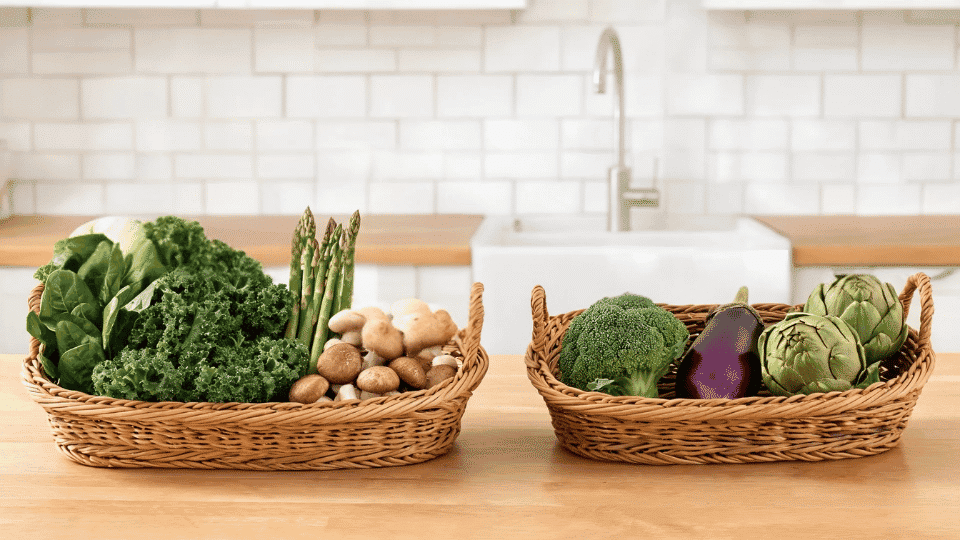
Vegetables are the easiest place to start because they add volume, texture, and fiber without heavily increasing daily carbs. Use them as the base for salads, bowls, sides, and cooked meals.
| Food | Serving | Fiber | Net Carbs | Best Use |
|---|---|---|---|---|
| Spinach | 1 cup raw | 0.7g | 0.4g | Salads, smoothies, omelets |
| Kale | 1 cup raw | 1.3g | 5.4g | Salads, sautéed sides |
| Broccoli | 1 cup cooked | 2.4g | 3.6g | Stir-fry, roasted |
| Cauliflower | 1 cup cooked | 2.9g | 2.8g | Rice substitute, mash, roasted |
| Brussels sprouts | 1 cup cooked | 4.1g | 7.9g | Roasted sides, salads |
| Asparagus | 1 cup cooked | 3.6g | 2.4g | Grilled, roasted, omelets |
| Zucchini | 1 cup cooked | 1.8g | 2.4g | Noodles, stir-fry, casseroles |
| Cabbage | 1 cup cooked | 2.8g | 3.3g | Slaws, stir-fry, soups |
| Green beans | 1 cup cooked | 4g | 4.3g | Sides, casseroles, salads |
| Mushrooms | 1 cup cooked | 1.9g | 2.3g | Omelets, sautés, soups |
| Eggplant | 1 cup cooked | 2.5g | 5.6g | Roasted, grilled, low-carb bakes |
| Artichokes | ½ cup cooked | 4.8g | 3.9g | Salads, dips, sides |
These vegetables work well because they can replace higher-carb bases. Cauliflower can replace rice or mashed potatoes. Zucchini can replace noodles. Cabbage and greens can replace wraps, pasta bases, or heavy sides.
2. Seeds (Highest Fiber per Spoon)
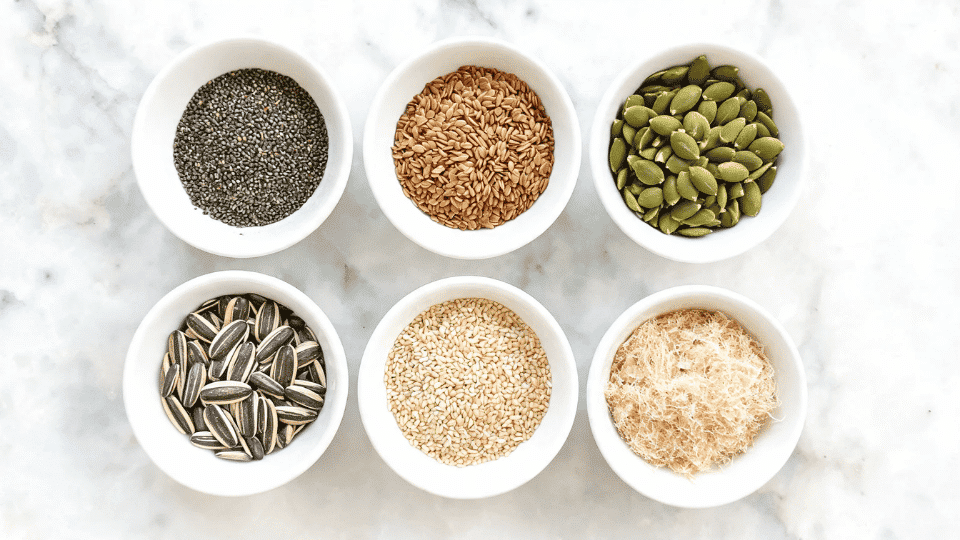
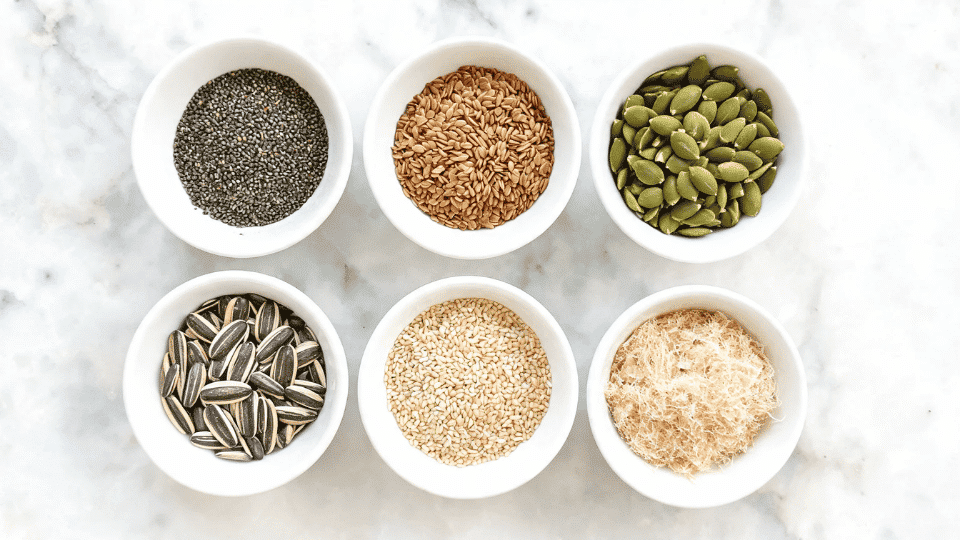
Seeds are small but fiber-dense, making them easy to add to meals without needing large portions. They work well in smoothies, yogurt bowls, low-carb baking, and simple toppings.
| Food | Serving | Fiber | Net Carbs | Best Use |
|---|---|---|---|---|
| Chia seeds | 2 tbsp | 10g | ~0g | Pudding, smoothies, yogurt |
| Flaxseeds | 2 tbsp | 5.6g | ~0–1g | Smoothies, yogurt, baking |
| Hemp seeds | 2 tbsp | 1.2g | 1–2g | Salads, smoothies, bowls |
| Pumpkin seeds | 1 oz | 1.8g | 3–4g | Snacks, salads, and toppings |
| Sunflower seeds | 1 oz | 3g | 3.2g | Snacks, salads, trail mix |
| Sesame seeds | 1 tbsp | 1.1g | 1g | Toppings, tahini, stir-fry |
| Psyllium husk | 1 tbsp | 4–5g | ~0g | Low-carb baking, fiber drinks |
Chia and flax are especially useful because they bring a lot of fiber in a small serving. Start with small amounts if you are not used to eating many seeds.
3. Nuts (Fiber + Fats for Satiety)
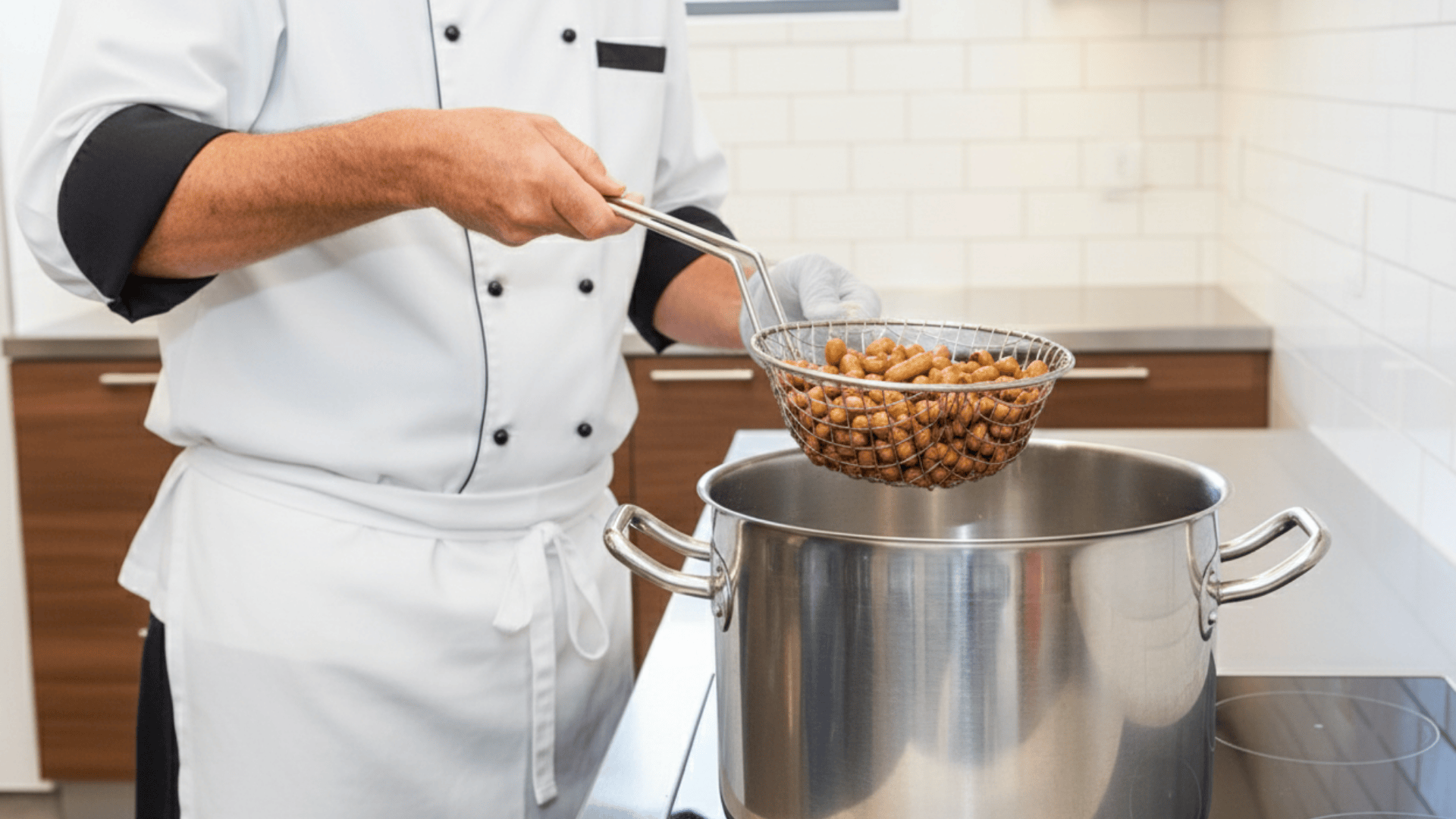
Nuts contribute fiber alongside healthy fats, which makes them one of the more filling options on this list. One ounce is the functional serving — it delivers fiber, slows digestion, and extends the time before hunger returns. Portion discipline matters here more than in any other category because nuts are calorie-dense and easy to overeat. Boiled peanuts are one example where preparation method changes the nutritional profile significantly compared to dry-roasted varieties.
| Food | Serving | Fiber | Net Carbs | Best Use |
|---|---|---|---|---|
| Almonds | 1 oz | 3.5g | 2.7g | Snacks, nut butter, yogurt topping |
| Pecans | 1 oz | 2.7g | 1.2g | Snacks, salads, low-carb desserts |
| Walnuts | 1 oz | 1.9g | ~2g | Snacks, salads, breakfast bowls |
| Macadamia nuts | 1 oz | 2.4g | 1.5g | Snacks, low-carb baking |
| Brazil nuts | 1 oz | 2.1g | 1.3g | Snacks, trail mix |
| Hazelnuts | 1 oz | 2.7g | 2g | Snacks, desserts, and nut butter |
| Pistachios | 1 oz | 2.9g | 4.7g | Snacks, salad topping |
| Pine nuts | 1 oz | 1g | 2.7g | Pesto, salads, roasted vegetables |
| Peanuts | 1 oz | 2.4g | 3.8g | Snacks, peanut butter, and sauces |
| Cashews | 1 oz | 0.9g | 8.6g | Small portions, sauces, snacks |
Almonds, pecans, walnuts, and macadamia nuts are often easier to fit into a low-carb plan. Cashews are higher in net carbs, so smaller portions work better.
4. Fruits (Lowest Sugar Options Only)
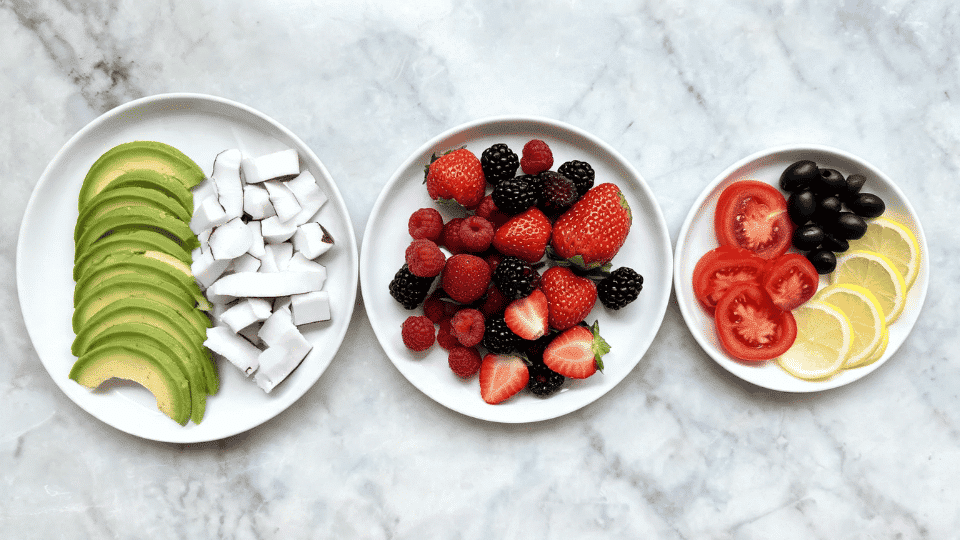
Low-sugar fruits can still fit into a low-carb plan when portions are controlled. These options add fiber, freshness, and natural sweetness without overwhelming daily carb goals.
| Food | Serving | Fiber | Net Carbs | Best Use |
|---|---|---|---|---|
| Avocado | ½ fruit | 5g | 1.8g | Salads, bowls, dips |
| Raspberries | ½ cup | 4g | 3.3g | Yogurt, smoothies, snacks |
| Blackberries | ½ cup | 3.8g | 3–4g | Yogurt, smoothies, snacks |
| Strawberries | ½ cup | 1.5g | 4.3g | Snacks, yogurt, desserts |
| Coconut meat | ½ cup shredded | 3.6g | 2.5g | Smoothies, baking, and toppings |
| Cranberries, unsweetened | ½ cup | 2g | 4–5g | Sauces, salads, and baking |
| Starfruit | 1 medium | 2.5g | 3.5g | Snacks, salads |
| Tomatoes | 1 cup raw | 2.2g | 4.8g | Salads, sauces, omelets |
| Olives | 10 large | 1.5g | 1–2g | Snacks, salads, Mediterranean bowls |
| Lemon | 1 fruit | 1.6g | 3.8g | Dressings, water, marinades |
Avocado is the single best fruit on a low-carb high fiber plan — 5 grams of mostly soluble fiber and under 2 grams of net carbs per half. Raspberries and blackberries are the berries to prioritize over strawberries and blueberries because their fiber-to-sugar ratio is the most favorable among common berry options. Olives are a natural fit in a vegetarian Mediterranean diet, where they pair with legumes and leafy greens across most meals.
5. Legumes (Selective, Not All)
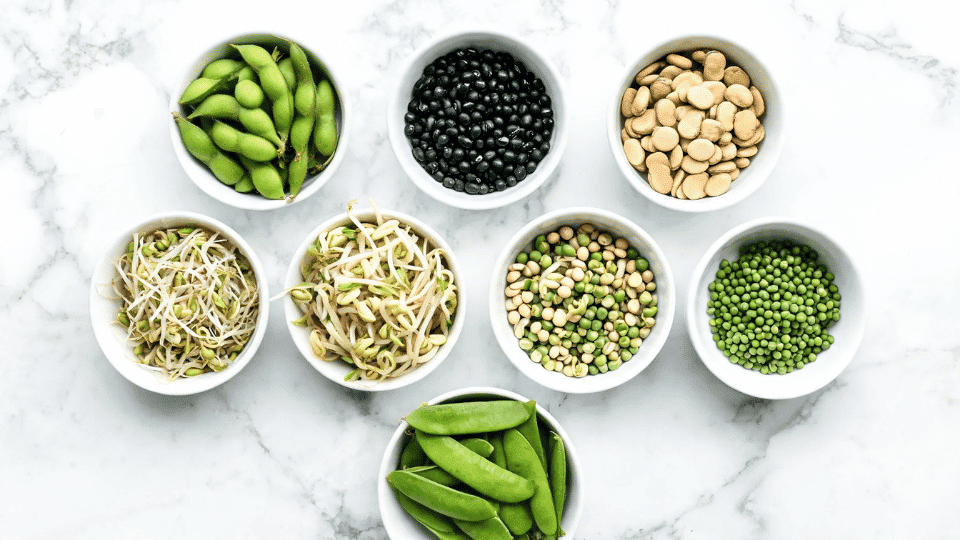
Only a few legumes fit well into low-carb eating. Edamame and black soybeans offer useful fiber while keeping net carbs lower than most beans, peas, or lentils.
| Food | Serving | Fiber | Net Carbs | Best Use |
|---|---|---|---|---|
| Edamame | ½ cup | 4g | 3g | Snacks, salads, side dishes |
| Black soybeans | ½ cup | 7g | 1g | Chili, soups, low-carb bean dishes |
| Lupini beans | ½ cup | 4–5g | 1–2g | Snacks, salads, bowls |
| Mung bean sprouts | 1 cup | 1.9g | 4g | Stir-fry, salads, wraps |
| Soybean sprouts | 1 cup | 1.3g | 2–3g | Stir-fry, soups, salads |
| Green peas | ½ cup | 4g | 8–9g | Small portions, soups, sides |
| Snow peas | 1 cup | 2.5g | 4.9g | Stir-fry, salads, sides |
Edamame, black soybeans, and lupini beans are usually better low-carb choices than chickpeas, lentils, kidney beans, or regular black beans.
How Fiber Supports Blood Sugar Control on a Low-Carb Diet
The connection between fiber and blood sugar runs through digestion speed. Soluble fiber forms a physical gel around food particles in the stomach. That gel slows the rate at which glucose enters the bloodstream, which blunts the post-meal spike that drives insulin release and subsequent energy crashes.
For anyone monitoring blood sugar, whether managing type 2 diabetes, insulin resistance, or simply avoiding the mid-afternoon drop, this mechanism is the core reason fiber matters.
Research published in peer-reviewed nutrition journals consistently shows that higher dietary fiber intake is associated with improved glycemic control and reduced HbA1c levels in people with type 2 diabetes (USDA Dietary Guidelines 2020–2025; Nutrition Reviews). For a low-carb diet that already limits glucose from starchy foods, adding fiber from the foods above compounds that benefit.
| Note: The most practical version of this: if a meal raises your blood sugar faster than expected, adding a tablespoon of chia seeds or half an avocado to the same meal the next day will meaningfully slow that response. The fiber doesn’t change what’s on the plate, it changes how your body processes it. |
How to Build Meals Using These Foods
Simple combinations are more sustainable than complex recipes. Each idea below uses only the foods already listed; no new ingredients are introduced.
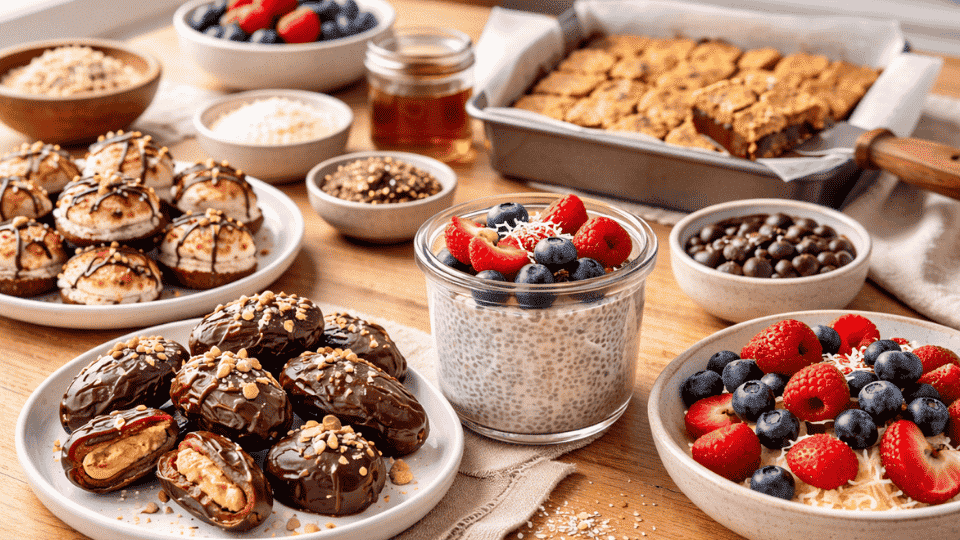
Add seeds to breakfast. Stir two tablespoons of chia seeds into plain yogurt or a smoothie. Sprinkle ground flaxseeds over eggs or into a breakfast bowl for an easy fiber boost.
Replace refined carbs with vegetables. Use cauliflower rice in place of white rice. Swap pasta with sautéed broccoli or shredded Brussels sprouts as a base for any sauce or protein.
Build snacks around nuts and berries. Pair one ounce of almonds or pecans with a half cup of raspberries or blackberries. This combination delivers fiber, fat, and controlled net carbs in one portable portion.
Add avocado to meals. Slice it into salads, layer it onto eggs, or use it as the fat component alongside grilled protein. It adds 5g of fiber per serving without adding any sugar.
What to Know Before Changing Your Diet
When reintroducing fiber into your diet, start slowly so your digestive system has time to adjust. Adding too much fiber at once can lead to bloating, gas, or stomach discomfort, especially if your current diet is low in fiber.
Begin with gentle fiber sources such as bananas, oatmeal, cooked carrots, sweet potatoes, and rice, then gradually add foods like beans, lentils, seeds, and raw vegetables.
It also helps to drink more water as you increase fiber intake, since fiber works best when paired with enough fluids.
Pay attention to how your body responds and adjust portion sizes as needed. If you have a digestive condition or ongoing discomfort, speak with a healthcare professional before making major dietary changes.
Sample Three-Day High Fiber Low Carb Meal Plan
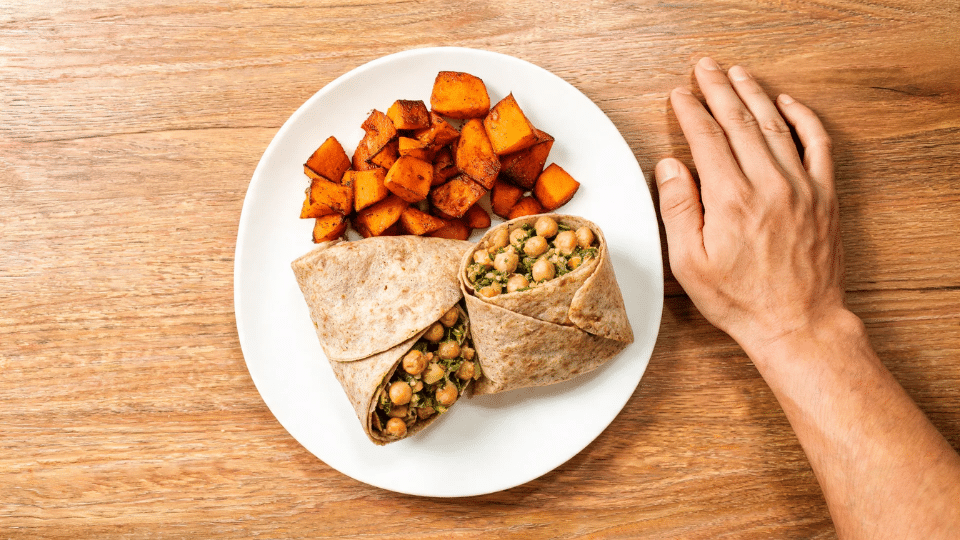
Use this sample plan to see how high-fiber, low-carb foods can fit into simple meals. Each day includes vegetables, seeds, nuts, berries, or avocado.
| Day | Breakfast | Lunch | Snack | Dinner |
|---|---|---|---|---|
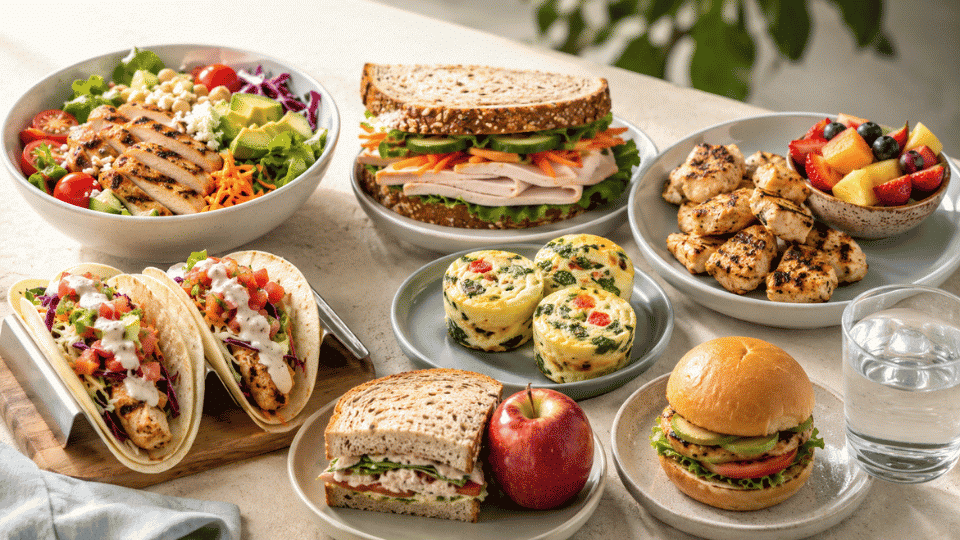
| Day 1 | Greek yogurt with chia seeds and raspberries | Chicken salad with spinach, avocado, and pumpkin seeds | Almonds with cucumber slices | Salmon with broccoli and cauliflower mash |
| Day 2 | Eggs with mushrooms, spinach, and avocado | Cauliflower rice bowl with tofu, cabbage, and sesame seeds | Blackberries with walnuts | Grilled chicken with asparagus and zucchini |
| Day 3 | Chia pudding with coconut and flaxseeds | Kale salad with salmon, olives, and pecans | Celery with almond butter | Eggplant bake with green beans and mushrooms |
Each day above draws from at least four categories: vegetables, seeds or nuts, low-sugar fruit or fat, and protein. The fiber targets across all three days are achievable at or above 25 grams without any high-net-carb foods.
Salmon appears in both Day 1 dinner and Day 3 lunch because it pairs naturally with low-carb vegetables; for those looking to expand their heart-healthy fish recipes, these same vegetable pairings apply across most white and oily fish. Adjust portions up or down based on your daily carb budget and hunger levels.
Common Mistakes
These are the most common errors that come up when people first start eating this way; none were covered in the sections above.
Assuming all fiber foods are low-carb. Oats, lentils, chickpeas, and most whole-grain products are high in fiber but also high in net carbs. Fiber content alone does not qualify a food as low-carb. The net carb number is always the deciding factor.
Overeating nuts. Nuts are calorie-dense and easy to eat past one serving. One ounce is the right portion. Eating three or four ounces in a sitting can push daily net carbs and total calories beyond a useful range without feeling like a binge.
Ignoring portions with berries. Raspberries and blackberries are among the lowest-sugar fruit options, but portion size still matters here. A full cup instead of a half cup nearly doubles the net carb count. Sticking to a half-cup serving keeps them where they belong.
Adding fiber too fast. Significantly increasing fiber intake in a short period often causes bloating, cramping, or digestive discomfort. Introduce one new high-fiber food at a time and increase daily water intake alongside each addition.
Who This Approach Works Best For
This eating pattern is not the same for everyone. Three groups tend to see the clearest results.
People managing blood sugar. High fiber combined with low net carbs limits glucose spikes after meals. This is particularly relevant for those who monitor blood sugar or manage insulin sensitivity daily.
Those focused on weight management. High-fiber foods take longer to digest and extend the feeling of fullness between meals. Eating consistently from this list tends to reduce overall calorie intake without deliberate calorie counting or restriction.
People with digestive concerns. Regular fiber intake supports gut motility, stool regularity, and the growth of beneficial gut bacteria. Adding fiber-rich foods from this list addresses common digestive issues without introducing high-carb foods into the diet.
Frequently Asked Questions
Do I need fiber supplements on a low-carb diet?
Not always. Whole foods should come first because they also provide fats, minerals, antioxidants, and texture. A supplement like psyllium husk can help when meals fall short, but it should support the diet, not replace fiber-rich foods.
Can high fiber, low-carb foods help with cravings?
Yes. Foods like avocado, nuts, seeds, berries, and low-carb vegetables digest more slowly than refined carbs, which can help reduce sudden hunger and snack cravings. They make meals feel more complete without relying on sugar or starch-heavy foods.
Are all low-carb foods high in fiber?
No. Many common low-carb foods, such as meat, eggs, cheese, butter, and most oils, contain little to no fiber. Fiber must come specifically from plant-based sources that are also low in net carbs. Choosing a low-carb food does not automatically mean that the food is fiber-rich.
The Bottom Line
Balancing your plate does not require sacrificing satisfaction or dealing with unpredictable energy slumps. Real food solutions make it completely possible to enjoy steady blood sugar and long-lasting fullness simultaneously.
By strategically choosing high fiber low carb foods like avocados, chia seeds, and leafy greens, you actively change how your body processes energy.
You now have a complete toolkit of precise food lists, practical meal combinations, and a structured three-day plan to eliminate the guesswork. These simple changes protect your metabolism and simplify healthy eating on mobile-friendly, busy schedules.
Pick your favorite ingredient from the guide and add it to your next meal. What is the first food you plan to try? Drop a comment below and share your thoughts!.