| Disclaimer: This article is for informational and educational purposes only. It does not constitute medical advice. Always consult a qualified healthcare provider before starting a new wellness, detox, or dietary program, especially if you are pregnant, managing a chronic condition, or taking medication. |
A panchakarma cleanse is one of the most misunderstood wellness practices I come across. Most people either dismiss it as a trendy spa treatment or assume it requires two weeks at a retreat in Kerala. Neither is accurate.
Panchakarma is a structured Ayurvedic process built around preparation, cleansing, and rebuilding, and a gentler home-adapted version is within reach for most healthy adults willing to slow down for a few days.
What actually makes this practice worth understanding is not how extreme it sounds. It is how quietly practical the core of it is: warm food, rest, oil, and a calmer daily routine.
I have seen people hold off on it for years because the word “cleanse” carries baggage. What they actually needed was permission to simplify. This article will give you the full picture of what a panchakarma cleanse involves, what the evidence says, what to eat, who should avoid it, and how to approach a safe home version without pretending it is something it is not.
| Practice | Panchakarma Cleanse |
| Goal | Digestive reset, dosha balance, mental clarity, routine restoration |
| Time Required | 5 days minimum (home version); 7-21 days (supervised retreat) |
| Evidence Level | Preliminary (limited peer-reviewed data; traditional Ayurvedic practice) |
| Who It’s For | Healthy adults seeking digestive support, stress relief, or a structured wellness reset |
| Avoid If | Pregnant, weak, anemic, managing chronic illness, or on medication without guidance |
What Is a Panchakarma Cleanse?
Panchakarma means “five actions” in Sanskrit. It refers to a system of Ayurvedic cleansing and rejuvenation that aims to address what Ayurveda calls ama, the residue of poor digestion or accumulated imbalance in the body. The five classical actions are therapeutic emesis, purgation, medicated enema, nasal therapy, and bloodletting, though many of these are only performed under qualified supervision and not included in home versions at all.
What distinguishes Panchakarma from a 7-day detox plan or juice fast is its three-phase structure. It does not begin with restriction. It begins with preparation, moves through cleansing, and ends with a dedicated rebuilding phase. Skipping any of these phases produces a poorer result and, in some cases, unnecessary strain on the body.
Ayurveda frames health through three constitutional forces called doshas: Vata, Pitta, and Kapha. A practitioner considers which dosha is out of balance before selecting therapies. That is why classical Panchakarma is personalized care, not a universal protocol. The home version described in this article is a gentler, generalized adaptation that focuses on food, rest, and routine rather than clinical therapies.
The Three Phases of Panchakarma Explained
Understanding why Panchakarma moves in stages is the most important thing to grasp before starting. Each phase has a specific purpose, and the sequence matters.
Phase 1: Purvakarma (Preparation)
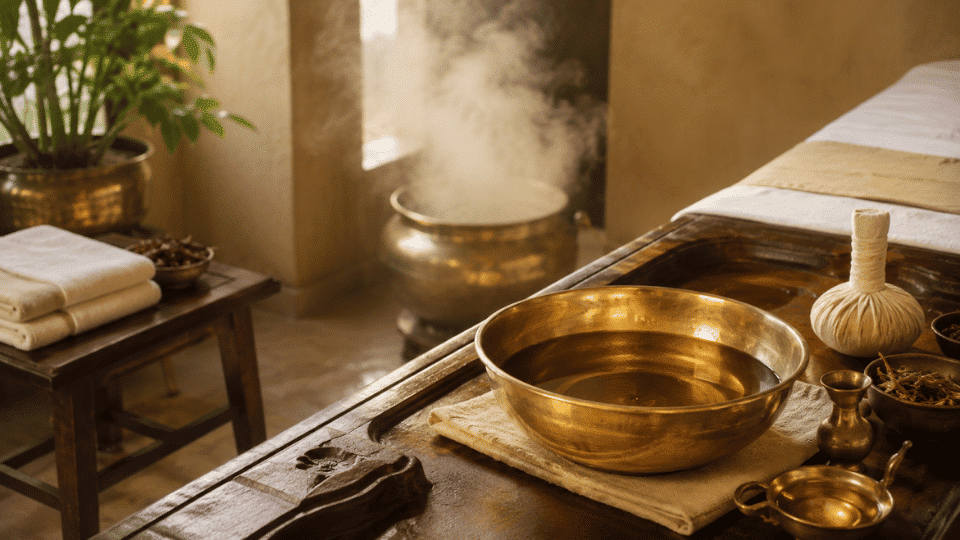
Purvakarma prepares the body before any active cleansing begins. The goal is to loosen accumulated ama and move it toward the body’s natural elimination pathways so the cleanse itself is smoother and less disruptive. This phase is what separates Panchakarma from crash detox approaches. Rather than shocking the system, you are signaling it to let go.
The key practices in Purvakarma include Snehana (internal or external oiling to soften tissues), Abhyanga (warm oil self-massage to support circulation and calm the nervous system), Swedana (mild steam or sweating therapy), lighter meals, and significantly reduced activity. Most people find this phase surprisingly restorative on its own, before any cleansing proper has begun.
Phase 2: Pradhanakarma (Main Cleansing)
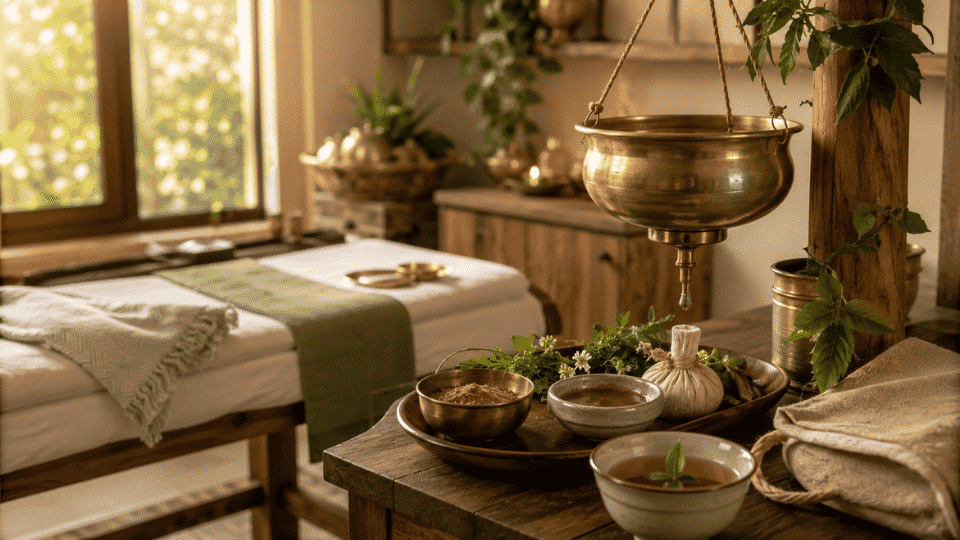
Pradhanakarma is the active cleansing phase. This is where the five classical therapies may be applied by a practitioner, tailored to the person’s dosha imbalance and overall strength. Vamana (guided emesis) is traditionally used for Kapha imbalances.
Virechana (therapeutic purgation) addresses Pitta patterns. Basti (medicated enema) is most associated with Vata. Nasya delivers herbal preparations through the nasal passages to address the head and upper channels. Raktamokshana (bloodletting) is rarely used in modern settings.
These are not casual practices. They carry real physiological effect and require trained supervision. In a home version, this phase is replaced by continued kitchari eating, warm herbal teas, daily oil massage, and rest, which is a far gentler approach that still supports the body’s natural elimination processes without the risk of unsupervised clinical therapies.
Phase 3: Paschatkarma (Rebuilding)
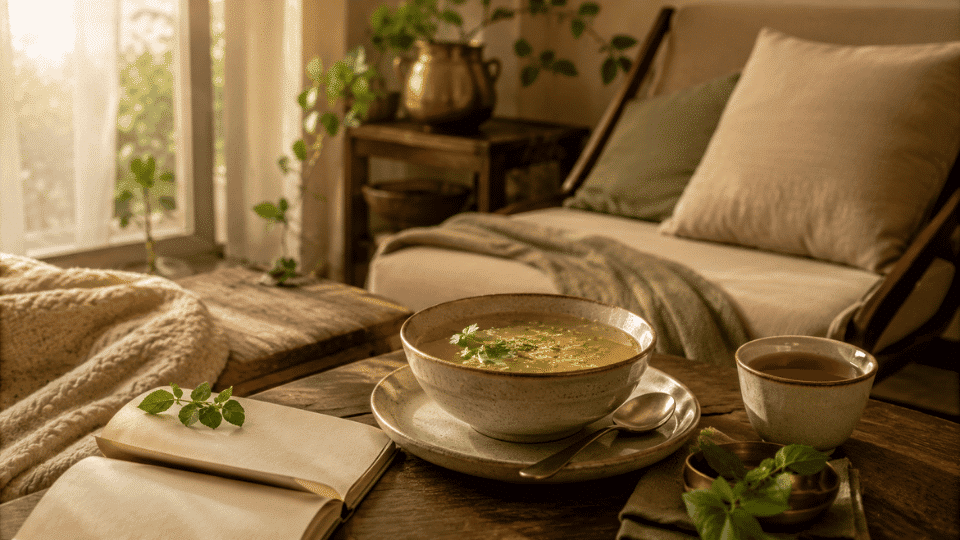
Paschatkarma is the phase most people overlook, and skipping it is the most common reason a cleanse produces short-term results rather than lasting change. After any cleansing process, the body’s digestive fire (agni) is more sensitive, not stronger. Food reintroduction needs to be gradual. Heavy meals, alcohol, fried food, or late nights immediately after cleansing can undo a week of careful preparation in a single evening.
Paschatkarma means rebuilding slowly: soft cooked grains, soups, early dinners, consistent sleep times, gentle movement, and herbal support if prescribed. The goal is stability. This phase should last at least as long as the cleanse itself, ideally longer.
What the Science Actually Says
Modern research on Panchakarma is limited, and honesty about that matters more than inflating what the evidence shows. One peer-reviewed study published in The Scientific World Journal examined a 5-day Panchakarma retreat with 20 female participants.
Researchers measured quality of life, health behaviors, self-efficacy, anxiety, stress, and social support before the retreat, after, and at a 3-month follow-up. They found meaningful improvements in some health behaviors, self-efficacy, perceived social support, and depression-related measures. Overall quality of life scores did not show significant improvement.
What actually makes this study worth citing is what it cannot claim: the group was small, self-selected, and there was no control group. It cannot prove that Panchakarma produces these outcomes reliably across populations. What it does suggest is that a structured, supported wellness retreat with dietary and lifestyle elements produces measurable behavioral and psychological shifts for some people. That is a useful finding, even if it is not a sweeping endorsement.
The honest framing is this: if the specific practices of Panchakarma (eating simply, resting more, reducing stimulation, maintaining a daily routine, doing oil massage) have biological and psychological effects, that is not surprising. What Panchakarma does is concentrate those practices into a structured window. The evidence is preliminary. The framework is coherent. Start there, not at the other end.
Panchakarma Cleanse Benefits: What to Realistically Expect
People come to a panchakarma cleanse for many different reasons. The benefits most commonly reported are also the most plausible given what the practice involves, and framing them honestly makes it easier to decide whether this is the right fit for you.
- Reduced digestive load: Eating warm, simple, easily digestible meals for several days gives the gut a break. Bloating, sluggishness, and irregular elimination often improve simply because the dietary inputs are cleaner and more consistent. People who already struggle with sluggish digestion may also find that specific exercises for constipation compound the benefit during the cleanse window.
- Improved mental clarity: Fewer decisions, less screen stimulation, quieter evenings, and no alcohol or excess caffeine for several days tends to reduce cognitive noise. Most people notice this by day 3.
- Better sleep quality: Early dinners, warm food, oil massage before bed, and a consistent wind-down routine consistently shift sleep onset and quality. This is one of the most reliable outcomes of the home version.
- Stress reduction: Deliberately stepping out of the pace of normal life, even for a week, has measurable effects on cortisol levels and nervous system tone. Abhyanga (warm oil massage) specifically activates parasympathetic response.
- Greater body awareness: Eating the same simple food for several days and cutting stimulants reveals how much energy you were spending on managing dietary extremes. Most people find this recalibration informative.
- A reset for long-term habits: A structured cleanse can function as a behavioral circuit-breaker. What actually makes this work long-term is the Paschatkarma phase, not the cleanse itself. Most people quit because they rush back to normal too fast and lose the thread.
Weight loss is sometimes listed as a Panchakarma benefit. I would be careful with this framing. Any temporary weight loss during a cleanse reflects reduced food volume and water changes, not fat loss. The purpose of Panchakarma is dosha balance and digestive reset, not body composition change.
What to Eat During a Panchakarma Cleanse
The dietary anchor of any panchakarma cleanse is kitchari: a simple combination of split mung dal, white basmati rice, ghee, and warming spices like cumin, coriander, fennel, ginger, and turmeric. Kitchari is used because it is easy to digest, nutritionally balanced, and gentle enough to eat at every meal without overloading agni. You do not need to eat it exclusively, but it should make up the majority of meals during the core cleansing days.
Beyond kitchari, cooked vegetables (soft-steamed, not raw), vegetable soups, plain cooked grains, and warm water or mild herbal teas round out the diet. The spices matter: cumin, fennel, and coriander are specifically used in Ayurveda to support digestion without stimulating excess Pitta. Ginger in small amounts warms digestion without irritating it. Turmeric adds anti-inflammatory support.
What to eliminate during the cleanse: cold drinks and raw foods (they suppress digestive fire), alcohol, excess caffeine, fried food, processed snacks, refined sugar, heavy dairy, and large portions of meat. The goal is not caloric restriction. It is reducing the digestive effort required of every meal so the body can redirect energy toward elimination and restoration.
Foods to Eat During Panchakarma
- Kitchari (split mung dal and white rice with ghee and spices)
- Soft-cooked seasonal vegetables (zucchini, sweet potato, carrots, spinach)
- Vegetable soups and broths
- Stewed fruit (cooked apple or pear with cinnamon)
- Plain rice porridge or soft oats
- Warm water, ginger tea, cumin-coriander-fennel tea
- Small amounts of ghee to support digestion and tissue lubrication
Foods to Avoid During Panchakarma
- Raw salads and cold drinks
- Fried, heavily processed, or packaged foods
- Alcohol and excess caffeine
- Refined sugar and sweetened beverages
- Heavy dairy (hard cheese, ice cream, excess yogurt)
- Red meat and heavily spiced or oily restaurant food
- Eating past 7pm or skipping meals entirely
How to Do a Panchakarma Cleanse at Home: A 5-Day Plan
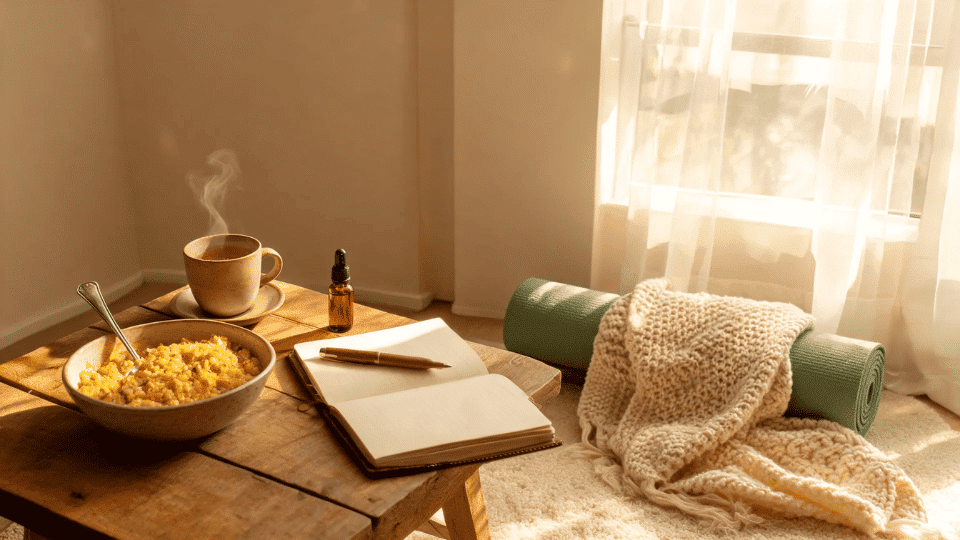
A home panchakarma cleanse should not attempt to replicate clinical Panchakarma. The stronger therapies, Vamana, Virechana, and Basti, require practitioner supervision and are outside the scope of any DIY approach. What you are doing at home is a Panchakarma-inspired reset: simplified food, intentional rest, oil massage, gentle movement, and reduced stimulation. That is enough to produce real benefit when done with consistency.
Here is what actually makes this work: choose a window with minimal demands. A week with work deadlines, travel, or social obligations is the wrong time. A long weekend or quieter week works well.
| Day | Morning | Midday | Evening |
|---|---|---|---|
| Day 1: Ease In | Warm water on waking. Light cooked breakfast: rice porridge or stewed fruit. | Steamed vegetables, cooked grains, or light vegetable soup. | Simple soup or soft-cooked vegetables. Finish eating by 7pm. Warm oil self-massage before bed. |
| Day 2: Lighten Digestion | Warm water or ginger tea. Small cooked breakfast. | Kitchari or soft grain soup with mild spices. | Light soup or cooked vegetables before sunset. 10-minute Abhyanga before shower. |
| Day 3: Kitchari Focus | Warm water. Small bowl of lightly spiced kitchari. | Kitchari as the main meal, more liquid if digestion feels slow. | Kitchari or thin vegetable soup. Gentle walk or stretching. Early sleep. |
| Day 4: Deepest Simplicity | CCF tea (cumin, coriander, fennel). Kitchari. | Kitchari with a little cooked vegetable. Warm water through the day. | Small bowl of kitchari or light soup. Stop eating by 6:30pm. Oil massage. Early bed. |
| Day 5: Begin Rebuilding | Warm water. Kitchari or soft oats. | Add steamed vegetables alongside kitchari. | Light soup, cooked vegetables, or soft grains. Gentle yoga or walk. |
In the days following the cleanse, continue eating simply: add foods back one at a time, beginning with cooked vegetables and grains, then denser proteins after day 7. Jumping back to heavy restaurant meals, alcohol, or late nights within 24 hours of finishing undoes the reset faster than most people expect.
Daily Practices to Include Throughout
- Abhyanga (warm oil self-massage): 10-15 minutes with sesame or coconut oil before a warm shower. Long strokes on limbs, circular on joints. This activates the parasympathetic nervous system and supports lymphatic circulation.
- Warm water and herbal teas: Sip throughout the day. Ginger tea supports digestion. CCF tea (cumin, coriander, fennel) is the classic Ayurvedic digestive formula.
- Gentle movement only: Slow walks, gentle stretching, or restorative yoga poses. No HIIT, heavy lifting, or long cardio during the cleanse window.
- Reduced screen and stimulation: This is genuinely part of the practice, not an optional add-on. Replacing evening screen time with guided meditation gives the nervous system the quiet it needs as much as the gut needs simple food.
- Consistent sleep timing: Aim for 10pm sleep and 6am waking. Irregular sleep hours during a cleanse counteract most of the benefit.
Home Version vs. Professional Panchakarma Retreat: What’s the Difference?
The gap between a home cleanse and a professional Panchakarma program is significant. It is not just about depth of treatment. It is about the entire environmental container.
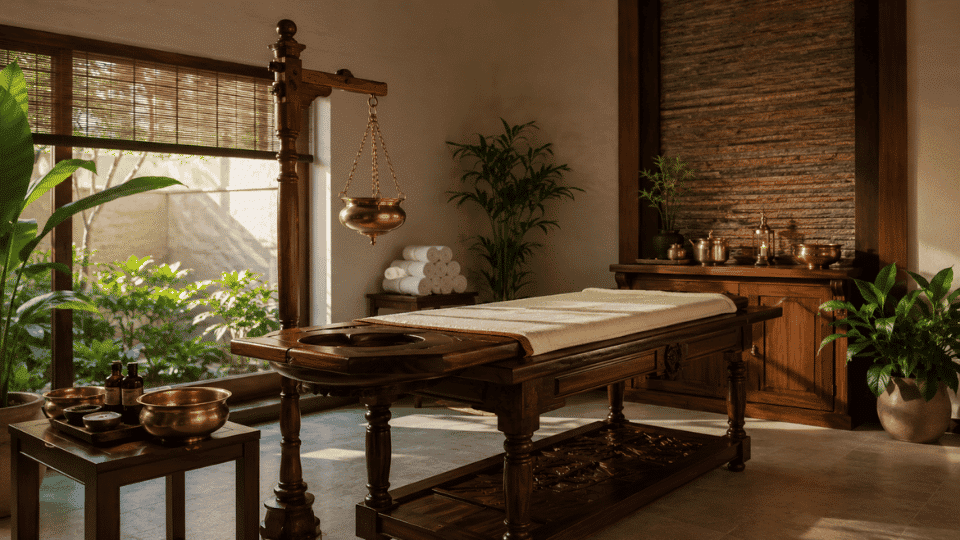
A professional program typically begins with a health consultation covering medical history, dosha assessment, digestion, sleep, stress, medications, and current symptoms. A practitioner designs a personalized plan: specific oils, herbs, therapy sequences, and food protocols based on your constitution.
Daily therapies at a retreat may include Shirodhara (warm oil poured over the forehead), Abhyanga by a therapist, steam therapy, and potentially one or more of the classical five therapies under medical supervision.
The environment itself is part of the treatment. Removing you from your daily triggers, decisions, and demands makes the practice more effective. That is why many people report that even a gentle 5-day retreat produces more lasting change than a month of home effort. The structure does part of the work.
For those researching retreat options in the US, the Art of Living Retreat Center in North Carolina and The Raj Ayurveda Health Spa in Iowa are among the more established programs. Before booking, verify the practitioner credentials, check what clinical screenings are required, confirm which therapies are included, and ask explicitly what post-cleanse support looks like.
Who Should Not Do a Panchakarma Cleanse
The safest cleanse is not the most intense one. It is the one that matches the person’s current state. Several groups should avoid Panchakarma or approach it only under qualified guidance.
- Pregnant individuals: Avoid Panchakarma entirely unless under direct care of a qualified Ayurvedic physician who is also aware of the pregnancy.
- People who are weak, anemic, or debilitated: Yoga International’s home protocol explicitly cautions against this cleanse for these groups. A depleted body does not have the reserves to cleanse safely.
- Those managing chronic illness: Diabetes, heart conditions, serious digestive disorders, autoimmune conditions, and kidney or liver disease all require a healthcare provider’s input before any cleansing protocol.
- People on medication: Herbal preparations and dietary changes can interact with medications. Confirm with your prescribing physician before changing your diet significantly during a cleanse window.
- Anyone with a history of disordered eating: Restrictive protocols can be triggering or harmful without clinical support. A structured cleanse is not appropriate as a standalone intervention for this group.
- Children and older adults: Digestive and eliminative capacity changes significantly at both ends of the age spectrum. Gentle food adjustments may be appropriate; formal Panchakarma therapies are not casual wellness tools for these groups.
Common Panchakarma Cleanse Mistakes to Avoid
Most people who find a panchakarma cleanse disappointing made one of the same few mistakes. These are worth knowing before you start.
- Treating it as a crash detox: Panchakarma is not starvation, quick weight loss, or punishment for dietary habits. If you approach it that way, you will either push too hard and feel worse, or give up by day 2.
- Skipping Purvakarma: Starting the cleanse without gradual preparation (reducing caffeine, simplifying meals, cutting alcohol 2-3 days prior) means the body is unprepared. The transition is rougher and the results are weaker.
- Continuing high-intensity exercise: Working out hard during a cleanse creates competing demands on the body’s resources. Energy that should be going toward elimination and repair goes toward performance. Gentle walks and stretching are the right level.
- Skipping the oil massage: Abhyanga is not optional for the home version. It is the most accessible version of Snehana and one of the most physiologically grounded elements of the practice. If you skip it, you are doing a diet, not a Panchakarma-inspired cleanse.
- Rushing Paschatkarma: Going directly from kitchari on day 5 to a large restaurant dinner on day 6 is one of the most common ways people feel worse after a cleanse than before. Rebuild over at least 5-7 days.
- Ignoring existing health conditions: A cleanse should never override medical advice. If you have a condition that requires monitoring or medication, the cleanse protocol should be cleared with your healthcare provider first.
Panchakarma Cleanse Frequently Asked Questions
What is a panchakarma cleanse and how does it work?
A panchakarma cleanse is a structured Ayurvedic detox and rejuvenation process built around three phases: Purvakarma (preparation through oil, steam, and light eating), Pradhanakarma (active cleansing through therapeutic procedures or, at home, simplified diet and rest), and Paschatkarma (rebuilding through gradual food reintroduction and steady routine). It works by reducing digestive load, supporting natural elimination pathways, and giving the nervous system a sustained period of reduced stimulation. The clinical version uses the five classical therapies under practitioner supervision; the home version focuses on food, oil massage, and rest.
How long does a panchakarma cleanse take?
A home version runs a minimum of 5 days, though 7-10 days including preparation and rebuilding phases produces better outcomes. Professional Panchakarma programs typically run 7 to 21 days depending on the person’s health status and treatment goals. Shorter programs of 3-5 days are offered at some retreat centers but provide limited time for the classical therapies to take full effect. The post-cleanse rebuilding phase should last at least as long as the cleanse itself, often longer.
Can you do panchakarma cleanse at home safely?
Yes, but only a gentle home adaptation, not a recreation of clinical Panchakarma. The safer home version uses warm, simple meals (primarily kitchari), warm herbal teas, daily warm oil self-massage (Abhyanga), gentle movement, reduced screen use, and consistent sleep. It does not include Vamana, Virechana, or Basti, which carry physiological risk without qualified supervision. For most healthy adults without contraindications, this adapted version is safe and beneficial when approached without extreme restriction.
What should you eat during a panchakarma cleanse?
Kitchari is the primary food during a panchakarma cleanse: a combination of split mung dal, white basmati rice, ghee, and warming spices including cumin, coriander, fennel, ginger, and turmeric. Alongside kitchari, soft-cooked vegetables, vegetable soups, stewed fruit, and plain cooked grains are appropriate. Warm water and mild herbal teas replace cold drinks. Avoid raw salads, fried food, alcohol, excess caffeine, refined sugar, and heavy dairy throughout the cleanse window.
How often should you do a panchakarma cleanse?
Traditional Ayurveda recommends Panchakarma seasonally, typically at the transitions between seasons, particularly at the shift from winter to spring (Kapha season) and summer to fall (Vata season). In practice, a gentle home cleanse once or twice a year is reasonable for most healthy adults. A full supervised Panchakarma program is typically recommended annually or based on specific dosha imbalance. Always assess your energy, health status, and current demands before scheduling a cleanse rather than following a fixed calendar.
What are the side effects of a panchakarma cleanse?
Mild side effects during a home cleanse can include fatigue (particularly on days 2-3), temporary headaches from caffeine reduction, mild digestive changes, and emotional sensitivity. These are generally signs the body is adjusting and typically resolve by day 4. More significant side effects, including dizziness, weakness, or sharp digestive pain, signal that the cleanse is too intense for your current state and should be stopped. The clinical therapies (Vamana, Virechana, Basti) carry more significant risks, which is precisely why they require practitioner supervision.
Is panchakarma cleanse scientifically proven?
The scientific evidence is preliminary. One peer-reviewed study in The Scientific World Journal examined a 5-day Panchakarma retreat and found improvements in health behaviors, self-efficacy, and some depression-related measures in a small group of 20 participants, but no significant improvement in overall quality of life. The study lacked a control group and was small. What the evidence supports is that the lifestyle components of Panchakarma (simplified diet, reduced stress, routine, rest) produce measurable effects. The specific clinical therapies have not been studied in large controlled trials.
What is the difference between panchakarma and a regular detox?
A regular detox typically implies dietary restriction, juice fasting, or elimination of specific food groups with a single-phase approach. Panchakarma differs in three ways: it has a structured three-phase process (preparation, cleansing, rebuilding); it is traditionally personalized to the individual’s constitution and current dosha imbalance; and the rebuilding phase is considered as important as the cleanse itself. A detox focused only on restriction with no preparation or recovery protocol is at odds with the Panchakarma framework.
Final Verdict
Panchakarma is easier to respect when it is not rushed or exaggerated. The practice moves through preparation, cleansing, and rebuilding, with food, rest, safety, and guidance shaping the result.
A panchakarma cleanse can be gentle when it stays close to warm meals, steady routines, and self-care. A deeper panchakarma treatment belongs with trained support.
I would start by asking what the body can handle, not what sounds impressive.
My final advice is simple: read the practice carefully, choose the safest version, and share your questions or experience in the comments so others can learn too.
Sources
Elder, C., et al. “Randomized trial of a whole-system Ayurvedic protocol for type 2 diabetes.” The Journal of Alternative and Complementary Medicine, 2011. pmc.ncbi.nlm.nih.gov
Yoga International. “How to Do the Panchakarma Cleanse Safely.” Based on Vasant Lad, The Complete Book of Ayurvedic Home Remedies. yogainternational.com
National Center for Complementary and Integrative Health (NCCIH). “Ayurvedic Medicine: In Depth.” nccih.nih.gov
Kerala Ayurveda Academy. “Panchakarma Cleanse: Deep Ayurvedic Detox.” 2026. keralaayurveda.us