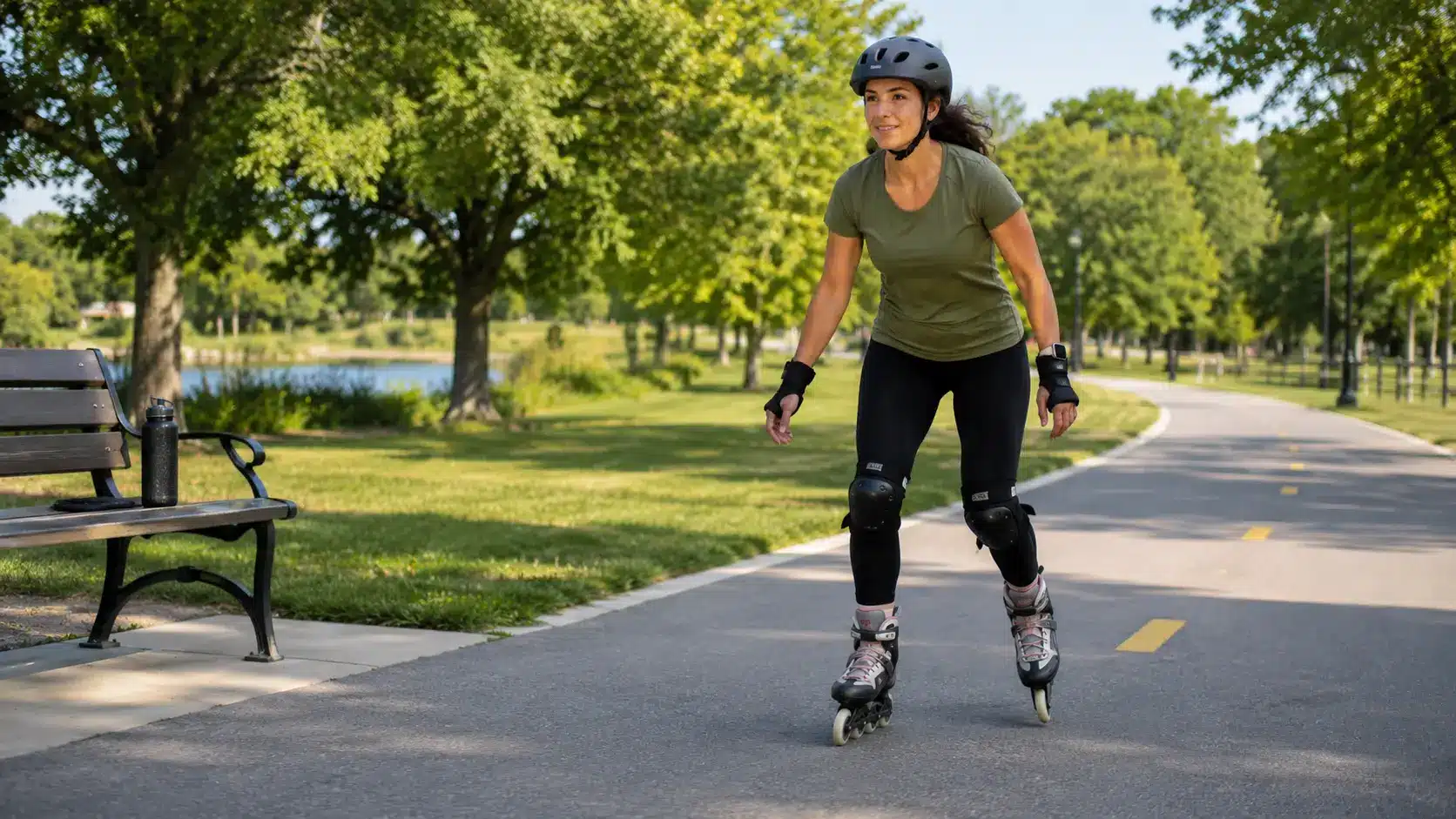
Some workouts look good on paper but feel hard to repeat. Roller skating is different for many people because it can feel like practice, movement, and social time at once.
If you came here asking is roller skating good exercise, the most useful answer comes from both fitness basics and real skater feedback.
A steady session can raise your heart rate while your legs, hips, glutes, and core work for balance. The same idea applies to is rollerblading good exercise, since inline skating can also become cardio when you keep moving.
For anyone comparing effort, how many calories does rollerblading burn depends on body weight, pace, surface, and session time.
Why Skating Can Feel Like Exercise Before It Feels Like Training
Roller skating does not always feel like a workout at first because the focus is on balance, stopping, rhythm, and staying relaxed. That is also why many people enjoy it.
The body is still working, even when the session feels more like practice than exercise.
The effort usually changes with a few things:
- Pace: Slow skating with long breaks may feel light, while steady skating raises breathing.
- Session length: A short roll may feel easy, but longer sessions can tire the legs and core.
- Surface: Smooth rinks feel different from outdoor paths, hills, wind, and rough pavement.
- Skill level: Beginners often work harder on balance, while experienced skaters can push harder for speed or distance.
- Consistency: Skating becomes more useful for fitness when it turns into a repeatable weekly habit.
That is why real skater feedback matters. Personal stories show how skating feels in normal use, not just how it looks in a workout chart.
Real Skater Stories Show What the Workout Feels Like
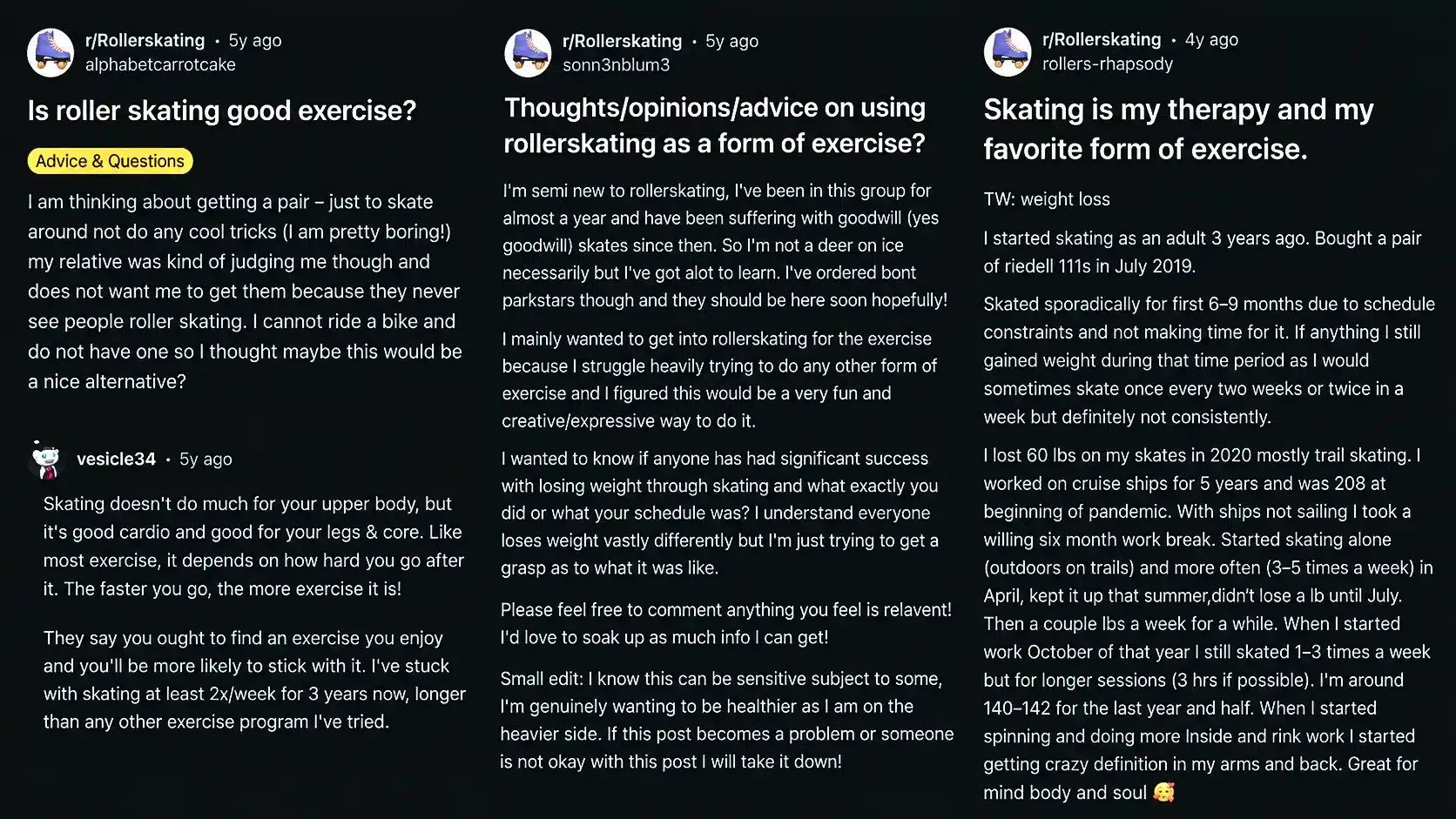
Community feedback matters because skating can look easy from the outside. Real skaters give a clearer view of how it feels during regular practice, weight-loss efforts, and longer outdoor sessions.
Common themes from skater discussions include:
- In this Reddit roller skating comment, one skater said, “Skating doesn’t do much for your upper body, but it’s good cardio and good for your legs & core.” They also added, “The faster you go, the more exercise it is!”
- Another comment in the same Reddit discussion said they were “51.8 lbs down since November” after changing their diet and starting to skate. That does not prove skating alone causes weight loss, but it shows how some people use it as part of a real routine.
- One skater said they had kept skating “at least 2x/wk for over 3 years” because it was fun. Another reply made the weight-loss point clearly: “Skating is great exercise but weight loss won’t happen unless you’re in a calorie deficit.”
- A personal story in this Reddit skating thread showed what regular outdoor skating can look like. The skater said, “I lost 60 lbs on my skates in 2020 mostly trail skating,” and said they skated outdoors “3-5 times a week.”
These stories give the main answer: skating can be light movement, steady cardio, or hard leg work. The result depends on pace, distance, breaks, surface, and how often the person returns to it.
What the Community Feedback Means
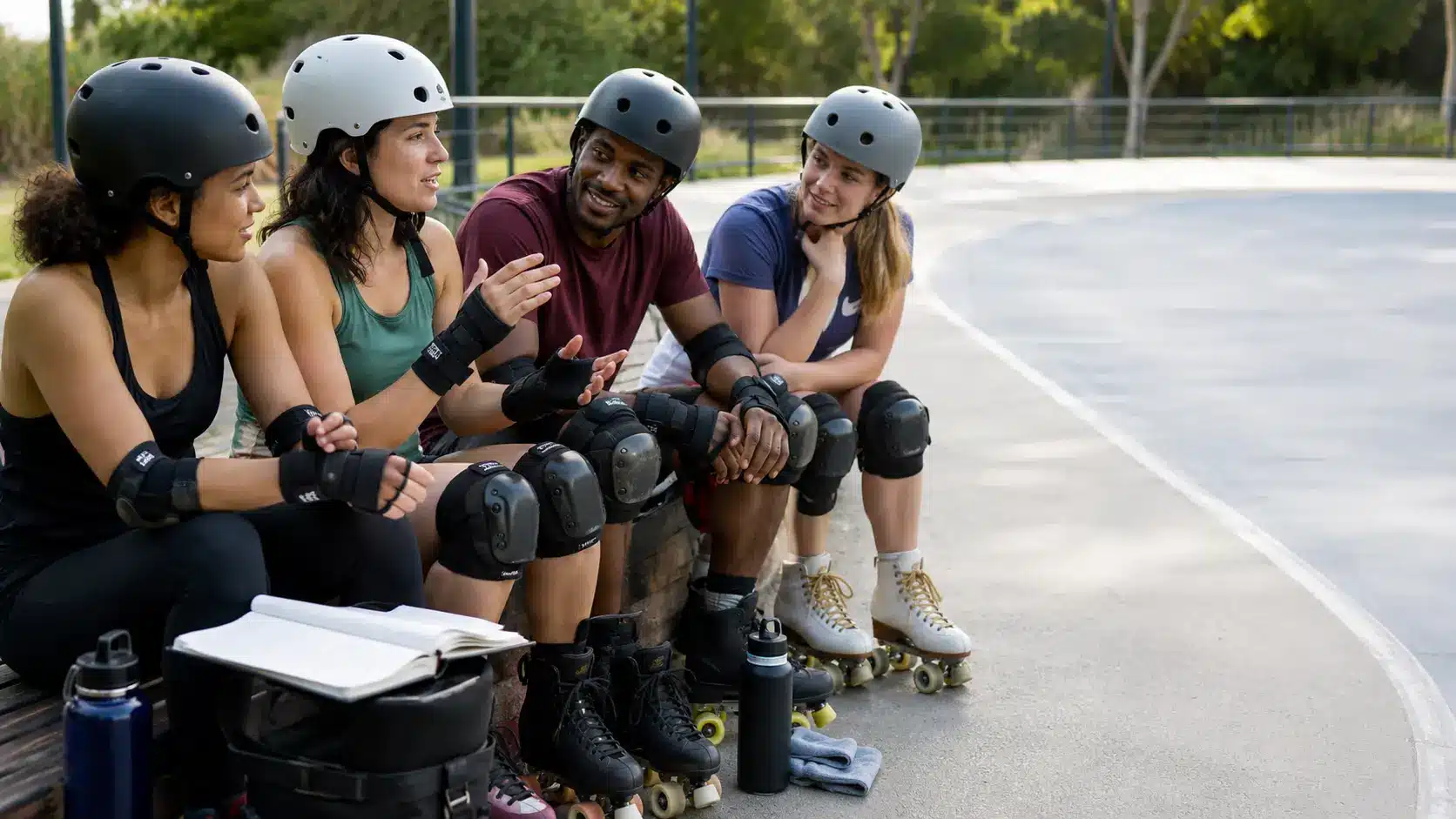
The comments are useful because they show patterns, not just single results.
| Feedback Pattern | What It Means |
|---|---|
| Skaters mention leg and core effort | Balance, stance, and pushing make the body work even at slower speeds |
| Faster skating feels harder | Speed, distance, hills, and fewer breaks raise the workout demand |
| Weight-loss stories include more than skating | Diet changes, regular sessions, and weekly habits usually matter too |
| Enjoyment keeps people returning | A fun activity may be easier to repeat than a workout that feels forced |
| Outdoor sessions often feel tougher | Longer routes, wind, surface changes, and hills can raise effort |
The takeaway is practical. Skating works best when it becomes something a person can repeat. A single hard session matters less than steady practice over time.
What New Skaters Usually Feel First
New skaters often feel the workout before they feel fast. Balance takes effort, and short sessions can tire the legs, feet, and ankles at first.
Common areas people notice include:
- Thighs: A slightly bent stance makes the quads work.
- Glutes: Each push uses the hips and glutes to move forward.
- Calves and feet: Skates can feel strange early, so these areas may tire first.
- Core: The midsection helps with balance, turns, slowing down, and posture.
- Ankles: Small balance muscles may work harder than expected.
This early effort does not mean the session is going badly. It usually means the body is learning control. Once you stop and balance feels steadier, longer sessions can feel smoother and more like cardio.
Skating for Weight Loss and Calorie Burn
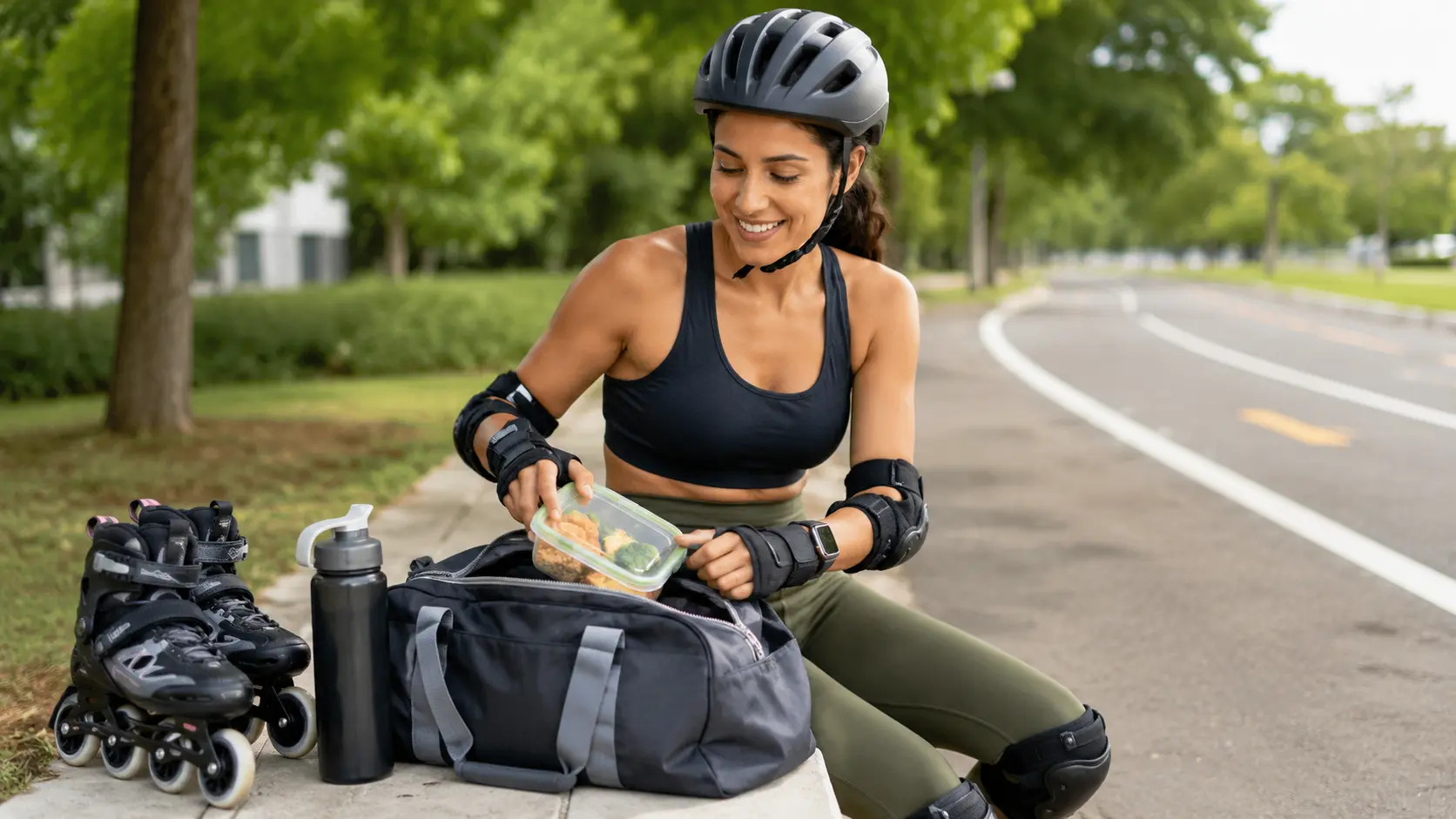
Calorie burn is one reason people look at skating for weight loss, but it is only part of the overall process. Skating can help when it adds regular movement to the week, raises heart rate, and fits overall calorie balance.
| Factor | What It Means |
|---|---|
| Regular movement | Skating helps most when it becomes part of a weekly routine |
| Heart rate | A steady pace can raise breathing and make skating feel like cardio |
| Pace | Slow skating with long breaks may feel light, while faster skating can feel harder |
| Surface | Smooth paths are easier to maintain, while hills and rough routes can increase effort |
| Consistency | Stories with weight changes often mention regular sessions over time |
| Food habits | Weight loss works best when activity fits overall calorie balance |
The table below gives rough rollerblading calorie burn estimates for a person around 150 to 180 pounds. Lighter skaters may burn less, and heavier skaters may burn more.
| Session Length | Easy Pace | Moderate Pace | Hard Pace |
|---|---|---|---|
| 20 minutes | 120 to 180 calories | 180 to 250 calories | 250 to 330 calories |
| 30 minutes | 180 to 270 calories | 270 to 375 calories | 375 to 500 calories |
| 60 minutes | 360 to 540 calories | 540 to 750 calories | 750 to 900 calories |
Use these numbers as estimates, not exact results. Weight, pace, skill, surface, hills, and rest breaks can all change the final number.
Roller Skating or Rollerblading: Which Fits Better
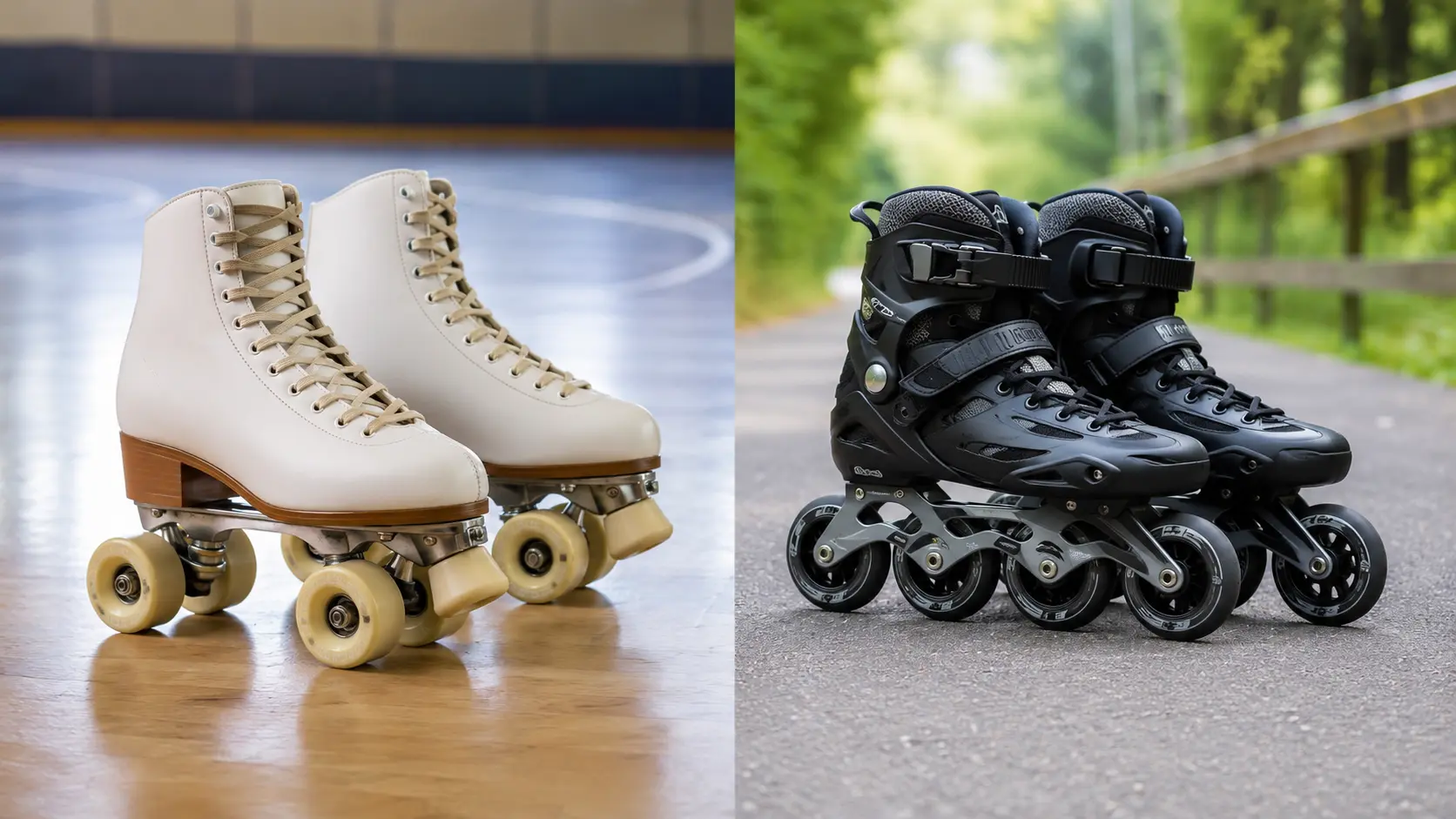
Both skate styles can support fitness. The better choice usually comes down to surface, comfort, and which one feels easier to practice often.
| Factor | Roller Skating | Rollerblading |
|---|---|---|
| Wheel setup | Two wheels in front and two in back | Wheels in one straight line |
| Beginner feel | Can feel steadier at slow speeds | Can feel smoother for forward motion |
| Best surface | Rinks, smooth courts, flat paths | Paths, trails, smooth pavement |
| Workout feel | Useful for rhythm, turns, and steady laps | Useful for distance, speed, and longer routes |
| Main muscles | Legs, glutes, hips, calves, core | Legs, glutes, hips, calves, core |
For fitness, effort and consistency matter more than skate type. Choose the style that fits the surface you have and the one you want to keep using.
How Beginners Can Start Without Overdoing It
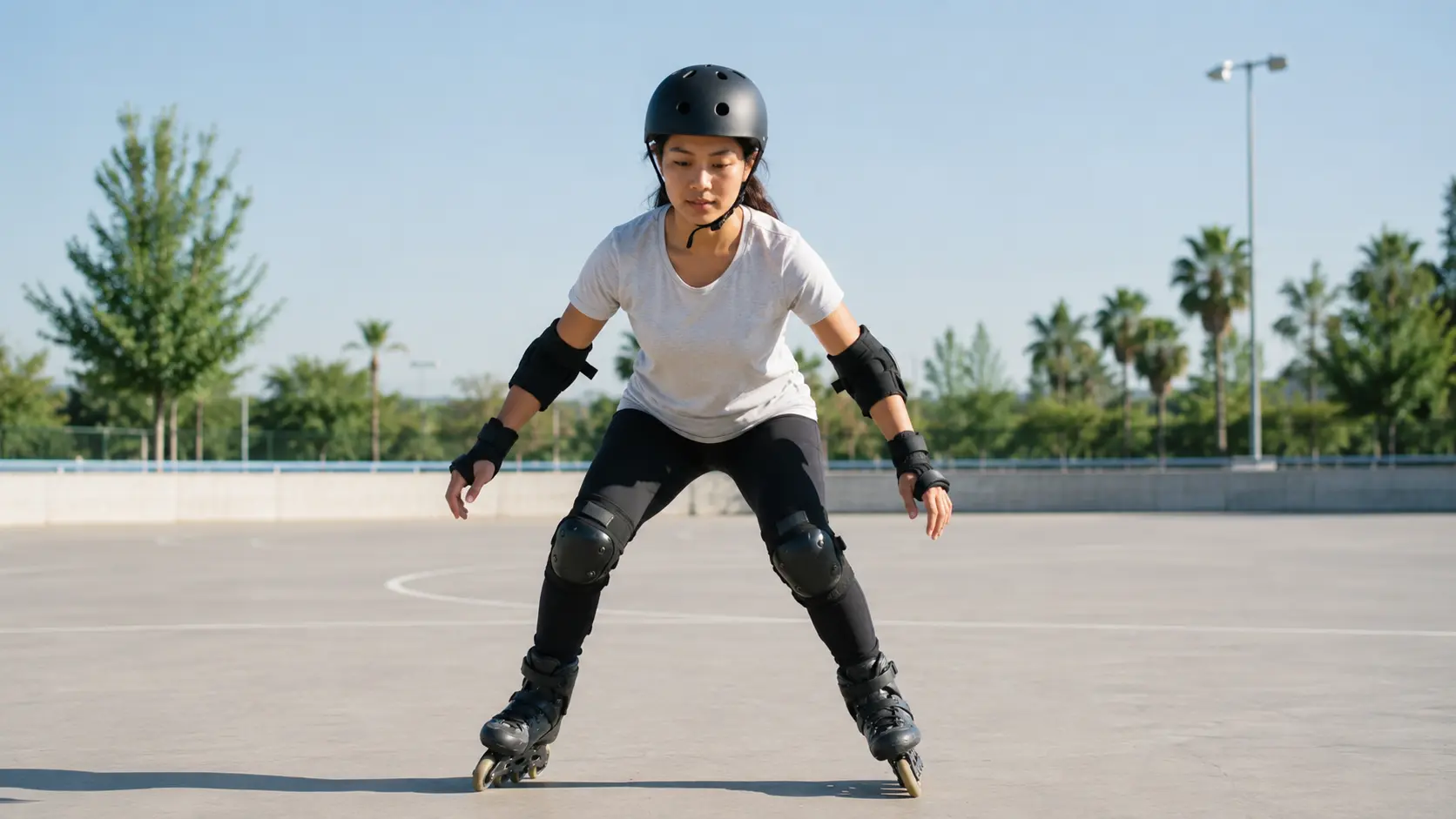
The real skater feedback points to one useful lesson: start small, stay consistent, and build only when skating feels controlled. A beginner does not need a complex plan.
- First few sessions: Skate for 10 to 20 minutes, 2 to 3 days per week. Focus on balance, easy rolling, turning, and stopping.
- Once control improves: Build toward 20 to 30 minutes, 3 days per week. Keep a pace that raises breathing without leaving the body worn out.
- For weight-loss support: Try 30 to 45 minutes, 3 to 5 days per week after stopping feels steady. Pair the routine with food habits that support calorie balance.
- For stamina: Use longer 45 to 60-minute sessions only when legs, ankles, and recovery feel ready.
A simple session can start with easy rolling, continue with a few minutes at a steady pace, include turns and stopping practice, and end with slow cooldown skating.
Common Beginner Mistakes From Real Feedback
Most beginner problems come from rushing before control is ready. Fixing small habits can make skating safer and more useful as exercise.
| Mistake | What Happens | Better Fix |
|---|---|---|
| Standing too tall | Balance feels shaky, and legs tire fast | Bend the knees slightly |
| Looking down too much | Posture gets tense | Look ahead, not straight at the feet |
| Skating too fast early | Falls become more likely | Build stopping and turning control first |
| Skipping stopping practice | Confidence stays low | Practice slowing down before speed work |
| Using rough paths | Wheels catch and shake | Start on smooth, flat ground |
Small fixes matter. When stance and control improve, skating usually feels smoother, safer, and easier to repeat.
Safety Checks That Keep Sessions Repeatable
Safety matters because falls can stop the routine before it becomes a habit. A safer setup helps a skater practice more often with less stress.
Use these basics:
- Wear a helmet.
- Use wrist guards, knee pads, and elbow pads.
- Learn how to stop before skating faster.
- Start on flat, smooth ground.
- Avoid wet pavement, gravel, sand, and traffic.
- Keep early sessions short.
- Stop if pain feels sharp or keeps coming back.
For many people, skating may feel easier on the knees than running because it uses a glide instead of repeated foot strikes. Falls, rough pavement, and poor form can still cause pain, so build control before speed.
Frequently Asked Questions
What should be tracked during a session?
Track session length, pace, breaks, surface, and how your legs feel afterward. These notes make personal progress easier to judge than calorie estimates alone and match the kind of feedback many skaters share.
How long before skating feels easier?
Many beginners feel more comfortable after a few short sessions, but timing varies. Balance, stopping, and turning usually improve with repeated practice. Staying on smooth ground can make early progress feel less frustrating.
Can rink sessions still count?
Yes. Rink sessions can count when you keep moving for steady periods instead of stopping often. They may feel easier than outdoor skating, but laps, turns, rhythm, and balance still make the body work.
What makes outdoor sessions harder?
Outdoor sessions can feel harder because of wind, uneven pavement, hills, longer routes, and fewer natural stopping points. Many skaters say trail skating feels more demanding than casual rink skating because the effort lasts longer.
What should a beginner notice after practice?
A beginner may notice tired thighs, glutes, feet, ankles, or core muscles. Mild soreness can happen as balance improves. Sharp pain, swelling, or repeated discomfort means the session should stop and the setup should change.
Bottom Line
Is roller skating good exercise is best answered by looking at real skaters, not just calorie charts. The stories show that skating can be light movement, steady cardio, or hard leg work depending on pace, breaks, surface, and consistency.
Is rollerblading good exercise fits the same pattern, especially for people who like outdoor routes or faster sessions. How many calories does rollerblading burn will vary, but regular movement matters more than one perfect number.
The main lesson is practical: choose the skate style and surface you enjoy, start with short sessions, wear safety gear, and build slowly.
Try one steady skate this week, track how it feels, and use that as your starting point.