| Style | Classical Yoga Philosophy (Ashtanga / Raja Yoga) |
| Level | All levels |
| Duration | Lifelong framework; daily entry points from 5 minutes |
| Props Needed | None required |
| Best Time | Any ethical limbs apply around the clock |
| Avoid If | No physical contraindications; pranayama modifications for respiratory conditions |
| Disclaimer: This article is for informational and educational purposes only. It does not constitute medical advice. Always consult a qualified healthcare provider before starting a new exercise, nutrition, or wellness program. |
The eight limbs of yoga are a complete framework for living laid out by Patanjali in the Yoga Sutras, covering everything from how you treat other people to the deepest states of meditation.
Most people come to yoga through a mat, a class, and a few poses. That was my entry point too, and for a while it felt like enough.
But the more time I spent on the mat, the clearer it became that the physical movement is just one small piece of a much larger system.
Below, I cover what each limb means, why it was placed in this sequence, and how to actually bring it into your life today, starting with five minutes and no special equipment.
What Are the Eight Limbs of Yoga and Where Did They Come From?
The word Ashtanga breaks down simply: ashta means eight, anga means limb. The 8 limbs of yoga come from the Yoga Sutras of Patanjali, a foundational text written between 200 BCE and 400 CE. Patanjali did not invent yoga; he organized and recorded what was already being practiced across multiple traditions in ancient India.
The eight limbs form a framework that moves from ethical behavior outward, through the body, breath, and senses, all the way to deep meditative states. They are not a checklist or a ladder. They are interconnected practices that support and deepen each other.
One important note worth making early: this system has nothing to do with the modern Ashtanga yoga style taught in studios. That is a specific movement sequence developed in the 20th century by Krishnamacharya and Pattabhi Jois. The eight limbs are a philosophy of living.
The Eight Limbs of Yoga Explained
The eight limbs move from outer conduct to inner awareness. Each prepares the ground for the next, and none works in isolation. Together, they form one complete system for mental, ethical, and spiritual growth.
1. Yama: Ethical Guidelines Toward Others

Yama refers to how you behave toward the world around you. It is the starting point because inner clarity is nearly impossible without outer integrity. The five Yamas are Ahimsa (non-violence), Satya (truthfulness), Asteya (non-stealing), Brahmacharya (moderation of energy), and Aparigraha (non-possessiveness).
In my classes, the Yama that creates the most immediate shift is Satya. Students discover how much energy goes into softening the truth in small ways, at work, in relationships, in how they talk to themselves.
Ahimsa applies not just in dramatic moments of conflict but in everyday speech and how you frame your self-talk. Small acts, lived consistently, are where the Yamas take root.
| Yama | Sanskrit | Practical entry point |
| Non-violence | Ahimsa | Notice the tone you use in self-criticism |
| Truthfulness | Satya | Pause before softening something true to make it easier to say |
| Non-stealing | Asteya | Return attention, time, or credit you did not earn |
| Moderation | Brahmacharya | Notice what depletes your energy and reduce one thing |
| Non-possessiveness | Aparigraha | Sit with an outcome you cannot control without trying to fix it |
Each of these is a practice, not a standard. The goal is awareness and gradual adjustment, not perfection.
2. Niyama: Personal Discipline and Self-Study

Where Yama looks outward, Niyama turns the lens inward. These five personal observances are Saucha (cleanliness), Santosha (contentment), Tapas (discipline through effort), Svadhyaya (self-study), and Ishvarapranidhana (surrender to something larger than the self).
Contentment does not mean complacency. Discipline is not punishment. Svadhyaya, the practice of honest self-study, is the one I return to most often in my own practice.
It means sitting with the question of why you reacted the way you did, what pattern drove a choice, and whether you are repeating something that no longer serves you. These practices shape character quietly, over time, through repetition rather than grand gestures.
3. Asana: Posture
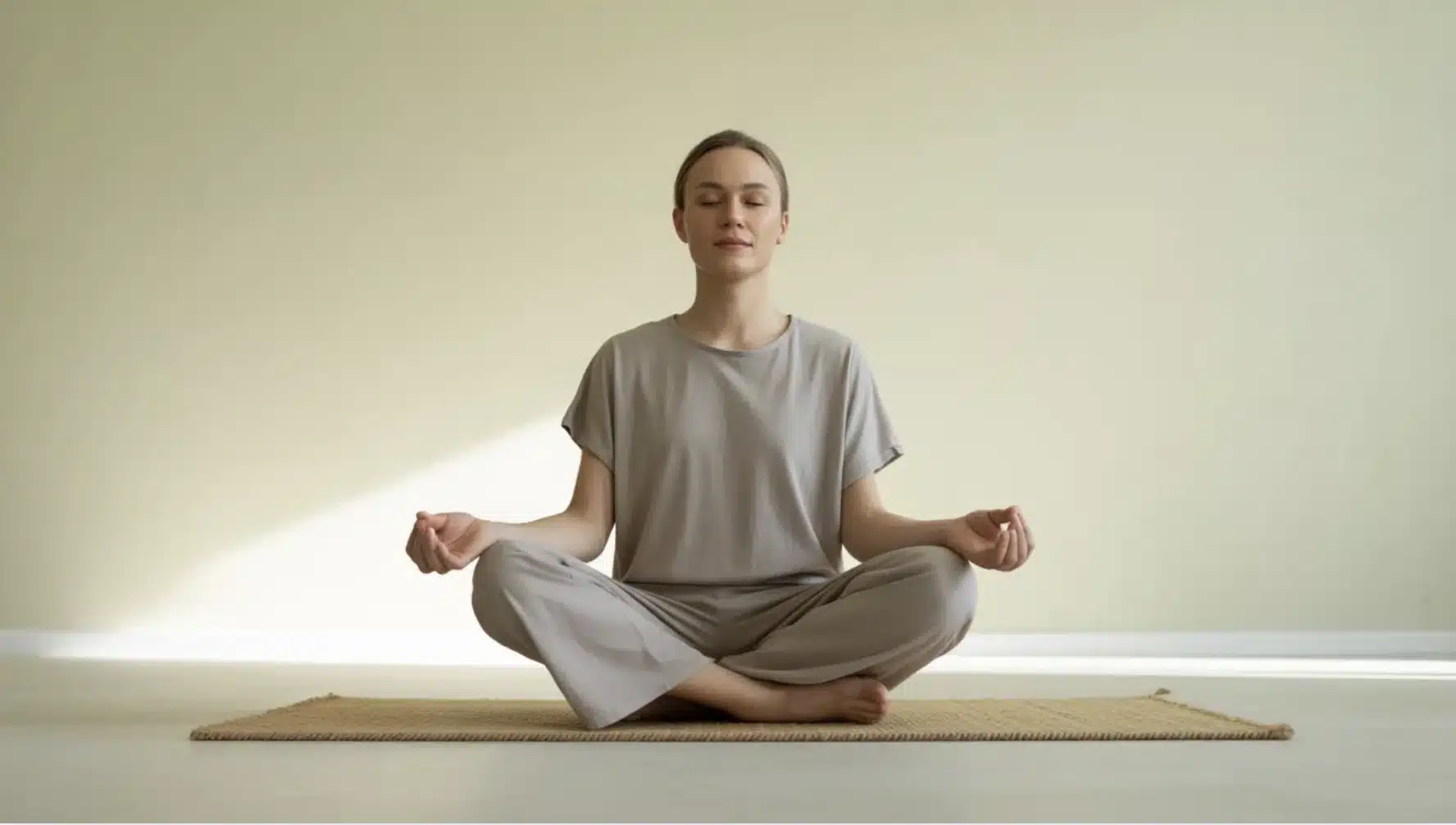
The original meaning of asana has nothing to do with flexibility or fitness. Patanjali described it simply as a steady, comfortable seat: a stable enough body to sit in meditation without distraction.
The entire instruction for asana in the Yoga Sutras is two words: sthira sukham, steady and at ease.
Modern yoga has expanded asana into a full physical practice, and that expansion has real value. Strength, mobility, and body awareness all improve with consistent physical practice.
But the classical purpose is grounding. When the body is settled, the mind has a better chance of following. A 15 to 20-minute restorative practice is often a more direct path to this goal than an intense flow class.
4. Pranayama: Breath Regulation
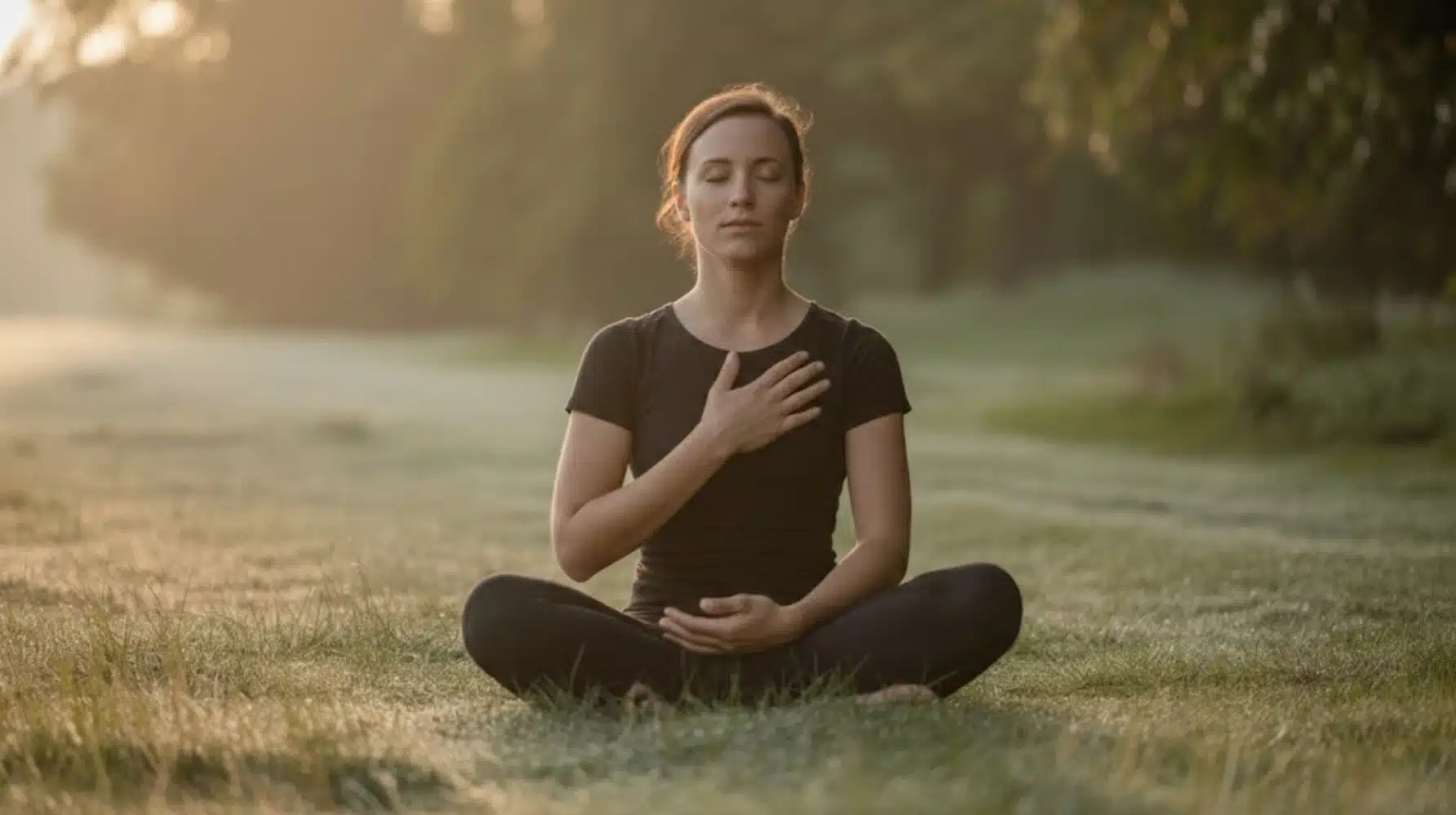
Prana means life force, and pranayama is the practice of working with it through breath. The nervous system responds directly to how you breathe.
Slow, deliberate breathing activates the parasympathetic response, reducing cortisol and steadying the mind. This is not speculation: a 2018 study published in Frontiers in Human Neuroscience found that slow-paced breathing at roughly 6 breaths per minute consistently reduced physiological markers of stress.
Two accessible starting points are equal breathing (inhale and exhale for the same count, typically four seconds each) and alternate-nostril breathing, known as Nadi Shodhana.
Students who struggle to maintain a consistent meditation practice often find that five minutes of pranayama before sitting makes the transition far easier. Breath is the bridge between body and mind, and pranayama is the practice of learning to use that bridge with intention.
| Instructor Tip: If you are new to pranayama, start with equal breathing at a 4-count inhale and 4-count exhale for five minutes before your morning practice. Most students notice a measurable shift in mental clarity within two weeks of daily practice. |
5. Pratyahara: Withdrawal of the Senses
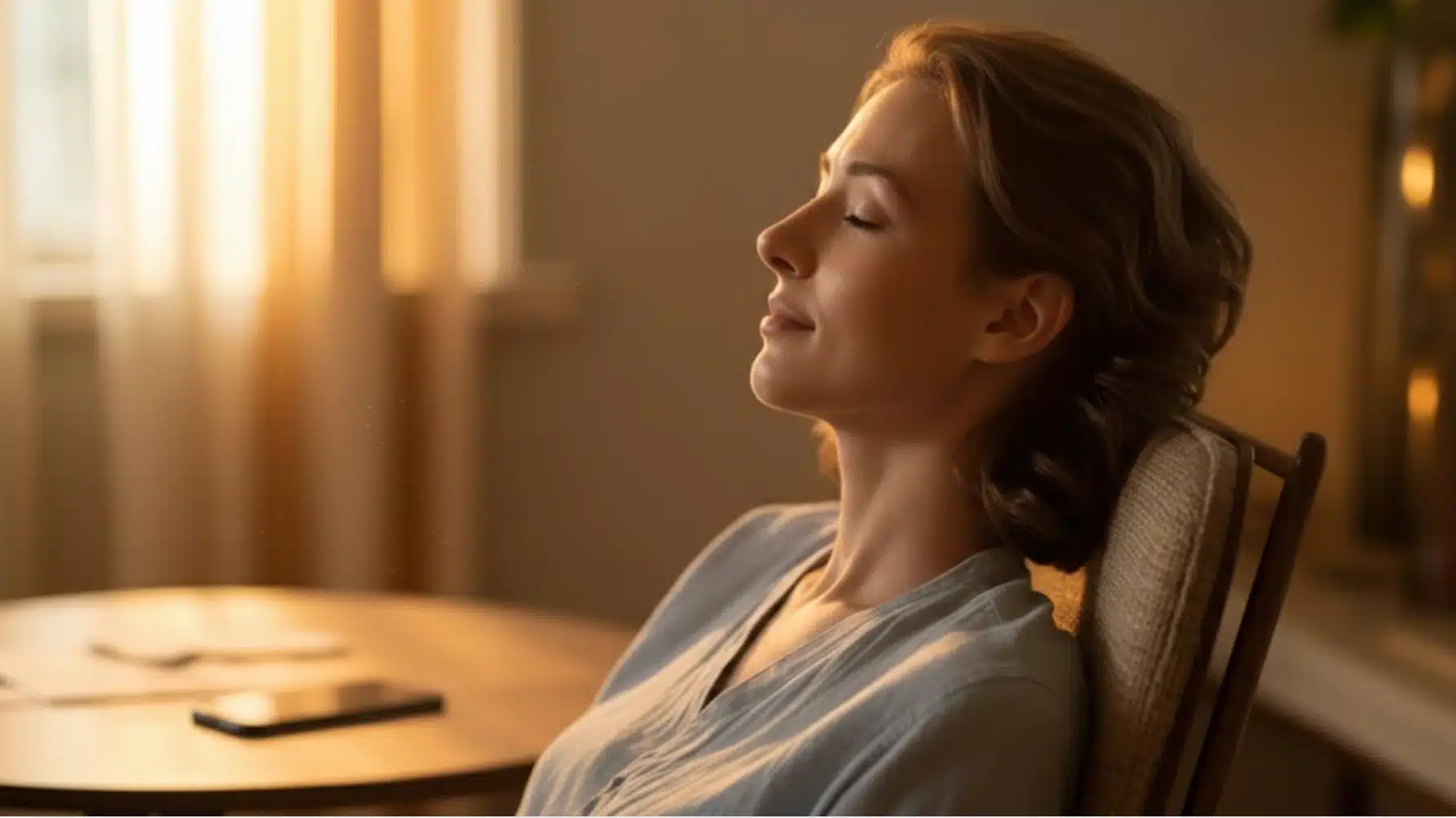
Pratyahara is the practice of turning attention inward by reducing the pull of external stimulation. In a world of constant notifications, screens, and ambient noise, this limb feels more directly relevant than ever. It is also the most commonly misunderstood of the eight limbs of yoga, partly because it sounds more passive than it is.
Pratyahara is not isolation or sensory deprivation. It is a trained skill, the ability to choose where your attention goes rather than letting the loudest input claim it automatically. When you set a phone down during a conversation and give the person in front of you your full attention, that is pratyahara.
When you sit quietly for two minutes before reacting to difficult news, that is pratyahara. It prepares the mind for the concentrated work that follows by establishing that attention is something you direct, not something that simply happens to you.
6. Dharana: Concentration

Dharana is single-pointed focus: the practice of holding the mind on one object without letting it wander. That object might be the breath, a mantra, a visual point like a candle flame, or a specific concept. The defining characteristic is that you return, repeatedly and without frustration, every time the mind drifts.
In daily life, dharana looks like the ability to remain present with one task without mental scattering. Attention is trainable. This limb is essentially the training ground for it. Without dharana, deeper meditative states remain out of reach, not because they are locked away but because the mind has not built the capacity to sustain stillness.
A five-minute dharana practice, simply holding your focus on a single object and returning each time you notice you have drifted, is one of the most underrated practices in the entire eight-limb system.
7. Dhyana: Meditation
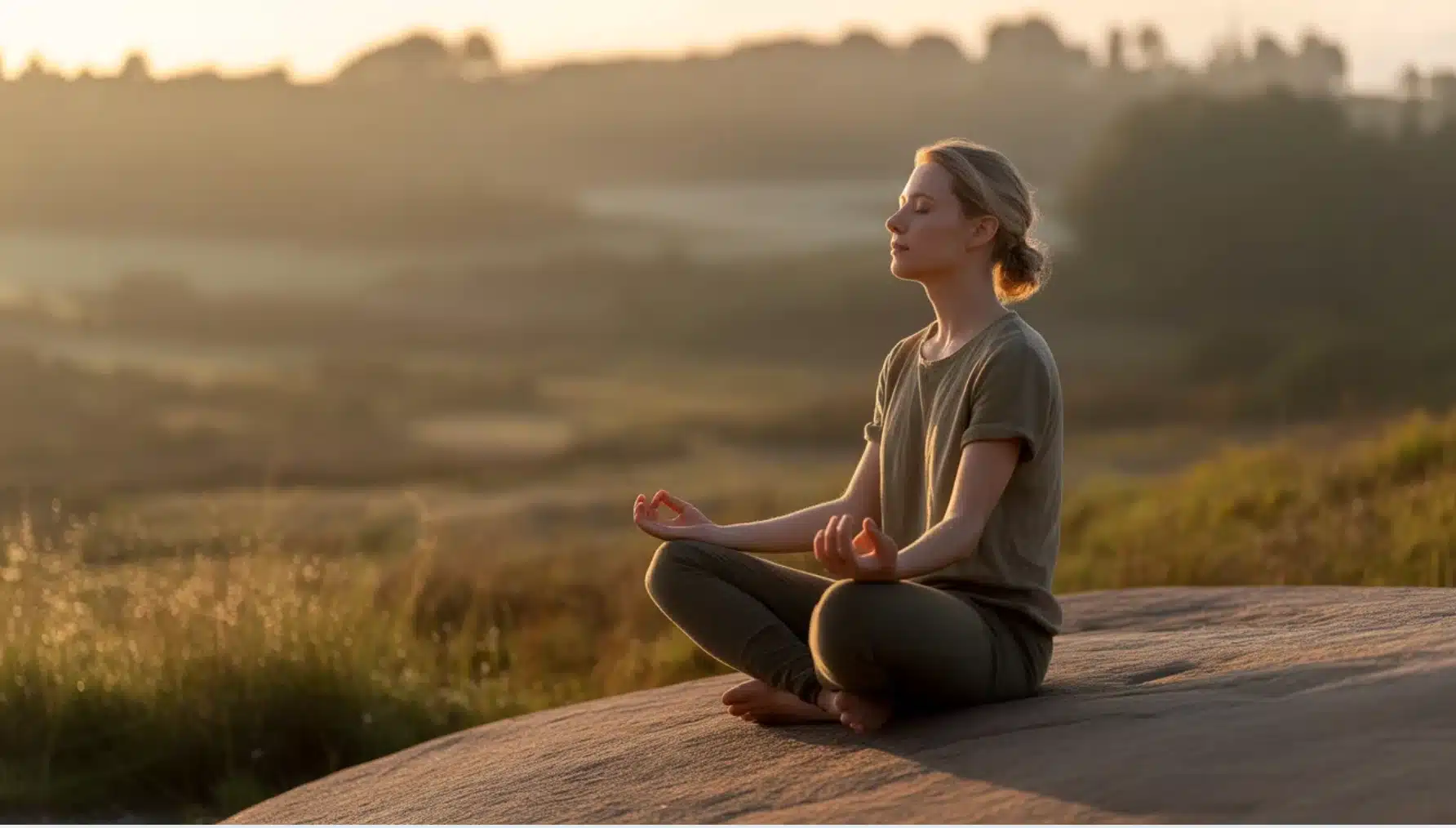
Dhyana is what happens when concentration becomes continuous. It is not a technique you apply. It is a state that arises when dharana deepens without interruption. The mind is no longer forcing focus. It is flowing.
This distinction matters because many people sit to “do” meditation and feel they have failed when thoughts arise. Thoughts arising is not failure. In dhyana, the difference is that the thoughts no longer claim you.
Awareness stays steady in the background while content moves through it. This develops through consistent, patient practice, not through longer sessions. Students who struggle with finding the right meditation approach often benefit from understanding that dhyana is a consequence of dharana, not a separate technique to learn.
8. Samadhi: Absorption
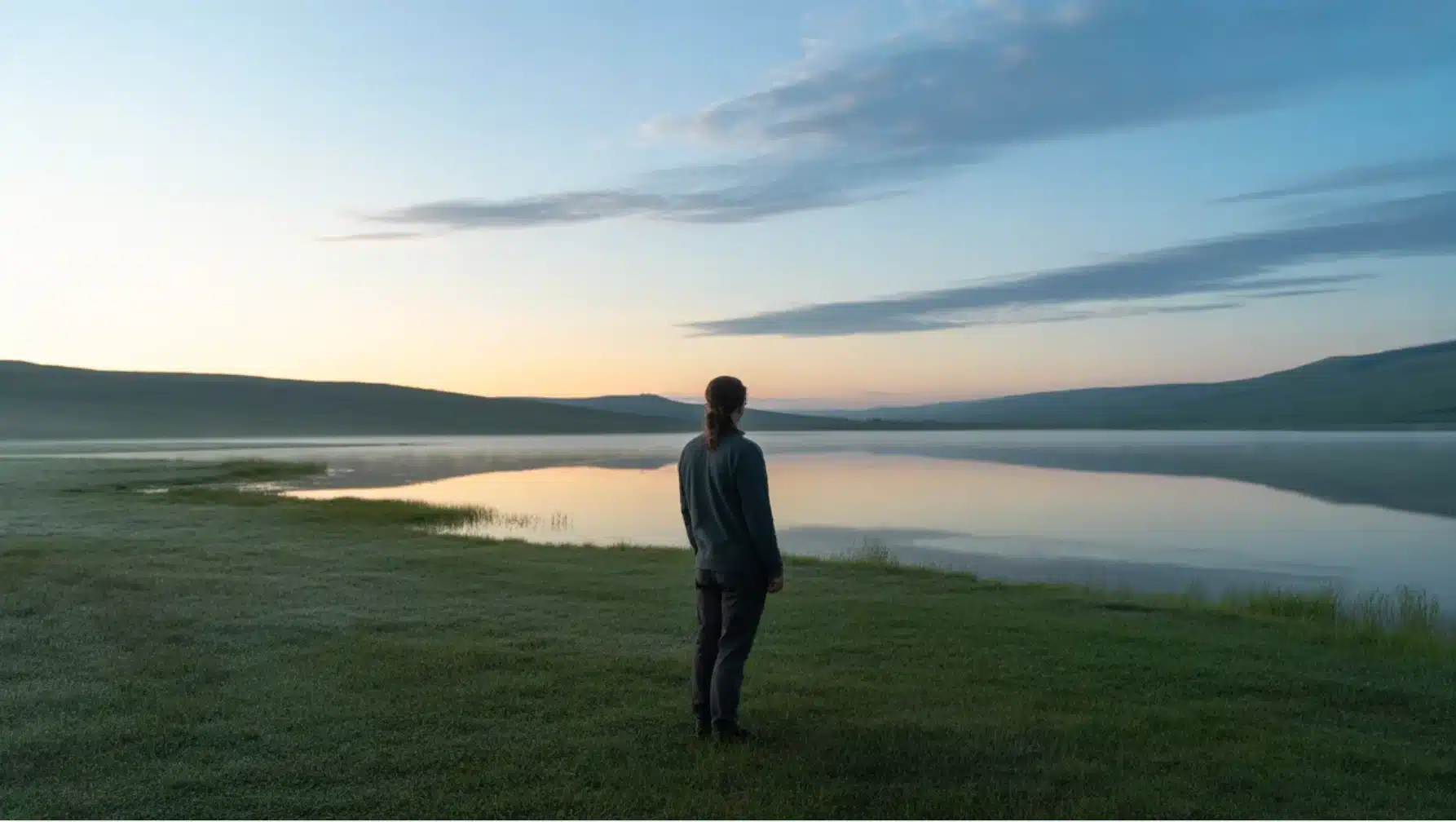
Samadhi is described as the culmination of the practice: a state of deep absorption where the separation between observer and observed dissolves. The practitioner, the act of meditating, and the object of meditation become one.
It does not need to be treated as something mystical or unreachable. Think of it as complete presence: moments when the mind is so fully in what it is doing that self-consciousness drops away. Athletes call it flow. Musicians describe it as when the music plays itself. Most practitioners glimpse this briefly. That is enough. The eight limbs exist to make those moments more accessible and more frequent over time.
These eight limbs do not work as separate modules. Practicing one naturally pulls the others along. Ethical steadiness makes concentration easier. Stable breath supports meditation. The system is self-reinforcing, which is why you can enter it anywhere and begin to feel the whole thing shift.
How the Eight Limbs of Yoga Relate to Each Other
Patanjali sequenced the limbs deliberately, but he never said they had to be practiced in strict order. The outer limbs (Yamas and Niyamas) create the ethical and personal conditions that make inner work possible. Without some degree of honesty and self-discipline, concentration practice tends to become effortful performance rather than genuine stillness.
Asana and pranayama are the bridge layer. They work directly with the body and nervous system, reducing the physiological static that makes the inner limbs hard to access. Think of it this way: it is very difficult to concentrate when your lower back is screaming or your breathing is shallow and anxious.
Pratyahara, dharana, and dhyana form what Patanjali called antaranga, the inner limbs. These three work together as a sequence: withdrawal of attention, focusing of attention, and finally sustained attention becoming meditation. Samadhi is not a separate practice but the natural result when dhyana deepens without effort.
In practice, setting a clear intention before practice is one way to engage all three inner limbs from a single starting point.
How to Practice the Eight Limbs of Yoga in Daily Life
You do not need to overhaul your life to start. Small, consistent steps in each limb build the foundation over time. Here is how to integrate this practice practically, using what is already in your day.
- Start with one Yama for a week: Choose truthfulness or non-possessiveness and watch how it plays out in real interactions. Notice the moments you drift from it and why.
- Add short pranayama sessions: Five minutes of equal breathing in the morning or before sleep can shift how your nervous system responds to stress within two weeks of consistent practice.
- Use asana to build body stability: Even 15 to 20 minutes of intentional physical practice creates a steadier foundation for everything else. The goal is a settled body, not peak flexibility.
- Reduce one major distraction daily: This is pratyahara in practice. Phone off during meals. Quiet time before screens in the morning. One deliberate gap in the noise.
- Meditate for five minutes: Dharana and dhyana do not require long sessions, especially at the start. Regularity matters more than duration. Five consistent minutes beats thirty sporadic ones.
- Let the limbs inform each other: A calmer body makes breath easier. Easier breath makes focus steadier. Steadier focus makes the ethical choices less reactive. The system builds itself if you give it time.
The goal is not perfection across all eight limbs simultaneously. Yoga lived off the mat looks like small, honest choices made repeatedly. That consistency is the practice.
The Eight Limbs of Yoga and Modern Research
A 2024 cross-sectional study published in the Journal of Family Medicine and Primary Care surveyed 37 yoga teachers on their perception and practice of the eight limbs. More than 80 percent reported that all eight limbs were essential.
However, pranayama (91.9 percent) and asana (89.2 percent) received the most consistent emphasis, while dharana (64.9 percent) and dhyana received notably less, even from experienced teachers.
The researchers concluded that practitioners who are introduced to yoga through all eight limbs, not just the physical and breath-based ones, report broader benefits and more sustained practice over time.
This tracks with what I see in students. Those who come in asking only about poses often plateau after several months. Those who begin exploring the Yamas and pranayama alongside their asana practice tend to stay, because the system keeps offering them somewhere new to go.
Why the Eight Limbs of Yoga Still Matter Today
Modern life moves fast, and most people are managing some version of chronic distraction, low-level stress, and a vague sense that something important is being missed.
The eight limbs of yoga address all of it: ethical clarity through Yama and Niyama, physical grounding through asana, nervous system regulation through pranayama, and the inner work of attention, concentration, and stillness through the final four limbs.
What makes this framework different from most modern wellness advice is that it addresses mental fragmentation directly.
Pratyahara, dharana, and dhyana are essentially a graduated training program for attention, something that has become so depleted in most people that they rarely notice it is gone. These practices were not designed for a particular culture or era.
They address human tendencies that have not changed: distraction, reactivity, scattered attention, and the need for meaning. You can explore more about how yoga philosophy developed across different periods if you want deeper context on where this framework fits within the larger tradition.
Frequently Asked Questions
Do the eight limbs have to be practiced in order?
No. The eight limbs are traditionally listed in sequence, but daily practice does not need to be perfectly linear. You can begin with breathwork, ethical awareness, posture, or meditation. The limbs support each other, so working with one often strengthens the others naturally.
Which limb should I start with first?
Start with Yama or pranayama. Yama helps you notice how you speak, act, and respond to others, while pranayama gives a simple daily practice through breath. Both are accessible, require no props, and can be practiced in five minutes.
Are the Yamas and Niyamas still relevant today?
Yes. The Yamas and Niyamas apply directly to modern life because they deal with honesty, discipline, contentment, moderation, and self-awareness. They are not outdated rules. They are practical ways to reduce reactivity and make daily choices more conscious.
Can the eight limbs help with stress?
Yes. Pranayama, pratyahara, dharana, and dhyana can support stress management by calming breath, reducing sensory overload, and training attention. The ethical limbs also reduce inner conflict, which often adds to stress. They work best with steady daily practice.
Is asana the most important limb?
No. Asana is important, but it is only one part of the full system. Its classical purpose is to prepare the body for stillness and meditation. Ethical practice, breath regulation, concentration, and inner awareness are equally important in the eight-limb path.
Can I practice the eight limbs without poses?
Yes. You can practice Yama, Niyama, pranayama, pratyahara, dharana, and meditation without doing physical postures. This makes the eight limbs accessible even for people with injuries, limited mobility, or no interest in studio-style yoga classes.
What is the hardest limb of yoga?
Many people find pratyahara or dharana hardest because both require training attention. Reducing distraction and holding focus can feel difficult in daily life. These limbs become easier with short, repeated practice rather than long sessions done occasionally.
How do I bring yoga off the mat?
Start by choosing one limb to practice during daily life. You might use Ahimsa in self-talk, Satya in conversations, pranayama before stressful moments, or pratyahara by putting your phone away during meals. Small repeated choices make yoga practical.
Final Verdict: Are the Eight Limbs of Yoga Worth Practicing Off the Mat?
In my experience teaching and practicing over the years, the students who make the most lasting progress are almost never the most flexible or the most physically disciplined. They are the ones who start applying the eight limbs of yoga outside of class: catching a reactive moment (Yama), returning to steady breath when anxiety spikes (pranayama), choosing to put the phone down (pratyahara). The mat is a practice environment. The eight limbs are the actual practice. Start with one Yama this week, one you can name and watch in real time. The rest of the system will begin to make more sense the moment you feel it working.
Sources:
Alam, K.K., Gangwani, N., Mohan, M. “Perception and practice of the eight limbs of yoga in yoga teachers: A cross-sectional descriptive study.” Journal of Family Medicine and Primary Care, Vol. 13, No. 4, 2024. https://pmc.ncbi.nlm.nih.gov/articles/PMC11142016/
Patanjali. Yoga Sutras of Patanjali. Translated by Georg Feuerstein. Shambhala, 1990.
Zaccaro, A., et al. “How Breath-Control Can Change Your Life: A Systematic Review on Psycho-Physiological Correlates of Slow Breathing.” Frontiers in Human Neuroscience, 2018. https://www.frontiersin.org/articles/10.3389/fnhum.2018.00353/full