| Food | Serving | Calories | Protein | Carbs | Fat | Key Nutrient |
| Steamed dumpling (pork & cabbage) | 1 piece (~40g) | 50–70 cal | 3–4g | 7–9g | 1–2g | Iron, Selenium |
| Pan-fried dumpling (potsticker) | 1 piece (~40g) | 70–90 cal | 3–4g | 8–10g | 3–5g | Iron, B vitamins |
| Standard serving (5–6 steamed) | 5–6 pieces | ~200 cal | 7–8g | 30g | 4–6g | Sodium: ~400mg |
| Frozen dumpling (commercial) | 5–6 pieces | 200–250 cal | 7–10g | 28–35g | 5–9g | Sodium: 500–800mg |
Values sourced from USDA FoodData Central and verified nutrition tracking databases. Individual values vary by brand, filling, and wrapper thickness. Verify current data at fdc.nal.usda.gov.
| Disclaimer: This article is for informational and educational purposes only. It does not constitute medical advice. Always consult a qualified healthcare provider before starting a new nutrition or wellness program. |
Are Dumplings Healthy?
A standard serving of 5 to 6 steamed dumplings delivers roughly 200 calories, 7 to 8 grams of protein, and 30 grams of carbohydrates. The number that matters most for most people is not the calories; it is the sodium, which sits around 400 milligrams per serving before any dipping sauce.
Here is what those numbers actually mean for your diet: dumplings can be healthy, but the answer is not the same for every version. Cooking method, filling composition, and portion size each shift the macro profile in ways that matter depending on your goals.
The wrapper is primarily refined carbohydrate, contributing most of that 30-gram carb load. The filling is where the real nutritional value sits: protein from meat, tofu, or seafood, and fiber and vitamins from vegetables like cabbage, chives, or mushrooms.
A vegetable-forward filling significantly changes the micronutrient picture compared to a fatty pork-only mix. Steamed or boiled dumplings stay low in added fat, while pan-fried or deep-fried versions absorb oil and can double the calorie count of an identical filling.
Dumpling Nutrition: What the Macro Profile Actually Tells You
The macro split for a standard steamed dumpling runs roughly 55 to 60 percent carbohydrates, 20 to 25 percent protein, and 15 to 20 percent fat, depending on filling. That carb-forward ratio matters for specific diet goals.
For a standard 2,000-calorie maintenance diet, a 5 to 6-piece serving of steamed dumplings uses about 10 percent of daily calories and 10 to 13 percent of the daily sodium target before sauce, both workable numbers if the rest of the meal is balanced.
For low-carb or keto goals, traditional dumplings do not fit cleanly. The wheat-flour wrapper adds 23 to 30 grams of net carbs per serving, which would consume most of a keto daily carb budget. Some people substitute wrappers made with almond flour or coconut flour to keep the format while cutting the carbs, though the texture is different.
If keto compliance is the goal, the filling ingredients alone (shrimp, pork, cabbage, mushrooms on keto) are all low-carb. The wrapper is the limiting factor.
For high-protein goals, a vegetable-only filling underdelivers on protein relative to the calorie count. Pairing a lean-protein filling (shrimp, chicken, or firm tofu) with a vegetable mix gives the best protein-to-calorie ratio while keeping saturated fat low.
| Note: The number I watch on dumpling labels is sodium, not calories. A 5-piece serving can already hit 400 to 500mg before soy sauce is on the table. If you are managing blood pressure or eating multiple sodium-heavy foods in a day, that figure adds up fast. Choose low-sodium dipping sauces or rice vinegar instead. |
How the Filling Changes the Nutritional Value of Dumplings
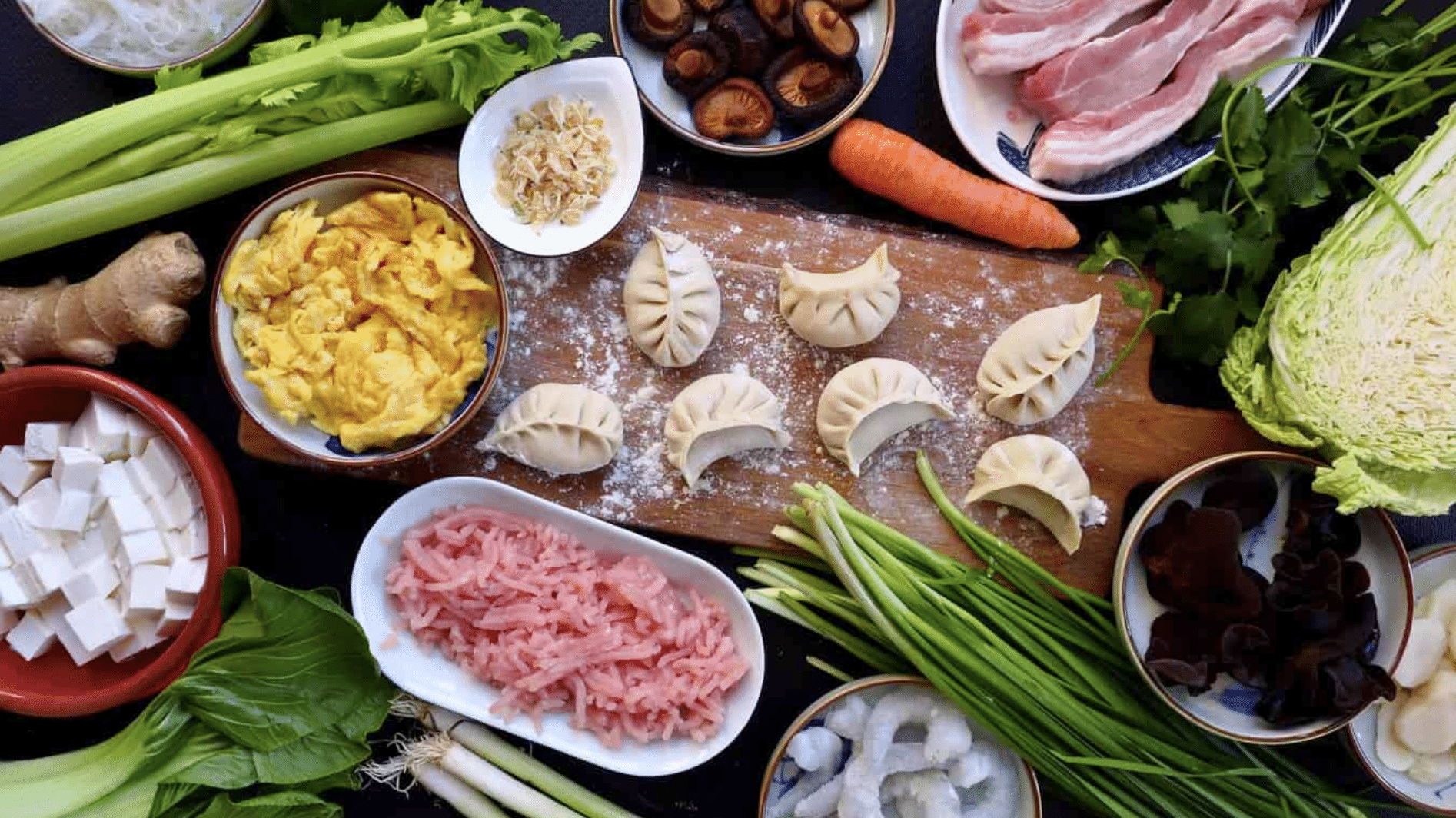
The filling is the biggest nutritional variable. Different choices shift calories, protein, saturated fat, and sodium in ways that are worth understanding before you order or make your own.
1. Vegetable Fillings
Cabbage, chives, mushrooms, and carrots add fiber, B vitamins, vitamin C, and antioxidants while keeping the calorie count at the lower end of the dumpling range. A vegetable filling also tends to be lower in sodium than a seasoned meat mix.
The trade-off is protein: a vegetable dumpling typically delivers 1 to 2 grams of protein per piece compared to 3 to 4 grams from a lean meat version. Pairing vegetable dumplings with a protein side like edamame or miso soup closes that gap.
2. Lean Protein Fillings
Shrimp, chicken, or firm tofu fillings deliver a useful protein-to-calorie ratio with limited saturated fat. Shrimp dumplings are one of the best macro profiles available: low in fat, moderate in calories, and a good source of selenium and iodine, the same reason shrimp appears consistently in low-calorie fish recipes built around heart health.
Chicken fillings tend to be higher in protein per piece than pork and significantly lower in saturated fat than pork belly versions. Tofu is a strong choice for plant-based eaters, providing complete protein when combined with vegetables that contain complementary amino acids.
3. Fatty Meat Fillings
Pork belly and beef fillings are higher in saturated fat and total calories. A single pork dumpling can carry 4 to 6 grams of fat compared to under 2 grams for a shrimp version with the same wrapper.
Eaten in moderation, they are not a problem, but a large serving, 10 to 12 pork belly dumplings, can deliver 15 to 25 grams of saturated fat, over the American Heart Association’s recommended daily limit. Frequency and portion size are the key controls here.
4. Highly Seasoned Fillings
Pre-seasoned commercial fillings often include MSG, fermented sauces, and added salt. This is where frozen dumplings can push sodium significantly higher than the base nutrition snapshot.
Always read the sodium line on frozen dumpling packaging before purchase. A 5-piece serving of a heavily seasoned frozen variety can contain 600 to 800 milligrams of sodium before any sauce is added.
Cooking Methods and Calorie Impact
| Method | Added Fat | Calorie Impact vs Steamed | Best Use |
| Steamed / Boiled | None | Baseline | Everyday meals, weight management |
| Pan-Fried (potsticker) | 1–2 tsp oil per batch | +30–50% calories | Moderate choice, occasional |
| Deep-Fried | High oil absorption | +80–120% calories | Treat only |
| Air-Fried | Minimal (light spray) | +10–20% vs steamed | Crispy texture, healthier trade-off |
The difference between steamed and deep-fried is not small. A serving of 6 steamed pork dumplings runs around 200 to 250 calories. The same dumplings deep-fried come closer to 400 to 500 calories, almost double, from oil absorption alone.
Pan-frying sits in the middle: the crispy bottom adds texture and moderate oil. Air-frying gets closest to the steamed calorie count while delivering a crisped exterior, making it the best compromise for people who want the textural appeal of frying without the full oil load.
Fresh vs. Frozen Dumplings: The Nutritional Difference
| Feature | Fresh Dumplings | Frozen Dumplings |
| Sodium | Usually 200–400mg per serving | Often 500–900mg per serving |
| Additives | Minimal | May include stabilizers, flavor enhancers |
| Nutrient quality | Fresh vegetables and lean meats | Some nutrient loss during processing |
| Convenience | Made to order or prepared fresh | Ready in under 10 minutes |
| Best practice | First choice nutritionally | Choose brands under 500mg sodium per serving |
Fresh dumplings made at home or from a reputable restaurant give you control over the filling, the sodium level, and the cooking method. Frozen dumplings are a practical option and can absolutely be part of a healthy eating pattern if you read the nutrition label.
The sodium difference between brands is significant enough to matter. Some frozen dumplings come in under 400 milligrams per serving; others exceed 800 milligrams. That gap is worth five seconds of label reading at the grocery store.
Are Dumplings Healthy for Weight Loss?
For weight management, steamed or boiled dumplings with a lean protein and vegetable filling are a reasonable choice within a calorie-controlled diet. The key variable is portion.
A 5 to 6-piece serving of steamed dumplings is around 200 calories, moderate for a meal component. Where people overshoot is eating 10 to 15 pieces, which brings the calorie count to 400 to 600 calories before any soup, sauce, or sides are counted.
The satiety picture is mixed. Dumplings are calorie-dense relative to their volume, which means hunger can return quickly after a serving-size portion.
The fix is pairing them with high-volume, low-calorie sides: clear broth, steamed greens, or a simple cucumber salad. These extend the meal volume without a significant calorie addition, and the fiber from vegetables slows gastric emptying to keep you fuller longer, the same principle used in a structured 7-day detox plan that prioritizes whole foods and reduced sodium.
If you are tracking macros, the carb load from the wrapper means dumplings work best as a meal component rather than a standalone snack for weight loss goals.
Are Dumplings Gluten-Free?
Traditional dumpling wrappers are made from wheat flour, which means standard dumplings are not gluten-free. This is a real barrier for people with celiac disease or non-celiac gluten sensitivity.
Rice flour wrappers, used in some Southeast Asian dumpling styles like Vietnamese banh bot loc, are naturally gluten-free and widely available in Asian grocery stores. Tapioca starch wrappers are another alternative that produces a translucent texture similar to har gow.
If you are eating out, always confirm with the restaurant that cross-contamination is controlled, as shared steamers or prep surfaces can introduce gluten even when the wrapper itself is rice-based.
For home cooks, several brands now sell gluten-free frozen dumplings using rice or cassava wrappers. The macro profile is similar to wheat wrappers, though rice flour wrappers tend to be slightly lower in protein.
Making Dumplings a Healthier Choice: Practical Tips
Small adjustments to filling, cooking method, and sauce choice shift the nutritional profile of dumplings without removing any of the things that make them satisfying.
- Choose vegetable and lean protein fillings: Cabbage, mushrooms, shrimp, chicken, or firm tofu deliver fiber and protein without a high saturated fat load. A shrimp and cabbage filling is one of the best macro profiles available in this food category.
- Steam or boil instead of frying: This single choice removes the most significant source of added calories in the dumpling-eating pattern. Air-frying is a reasonable alternative if you want a crispy texture.
- Control the sauce: Soy sauce adds roughly 900 milligrams of sodium per tablespoon. Rice vinegar, a small amount of sesame oil, or low-sodium soy sauce cuts that figure dramatically. Mixing a tablespoon of rice vinegar with a teaspoon of low-sodium soy and a pinch of ginger gives most of the flavor with around 200 milligrams of sodium.
- Pair with high-fiber sides: Steamed bok choy, edamame, miso soup, or a simple salad balances the carb-heavy wrapper and increases total meal fiber and micronutrient density.
- Keep portion size to 5 to 6 pieces per meal: This keeps calories around 200 to 250 for a steamed version, leaving room for sides and keeping sodium at a manageable level before sauce is added.
Dumplings as Part of a Balanced Meal
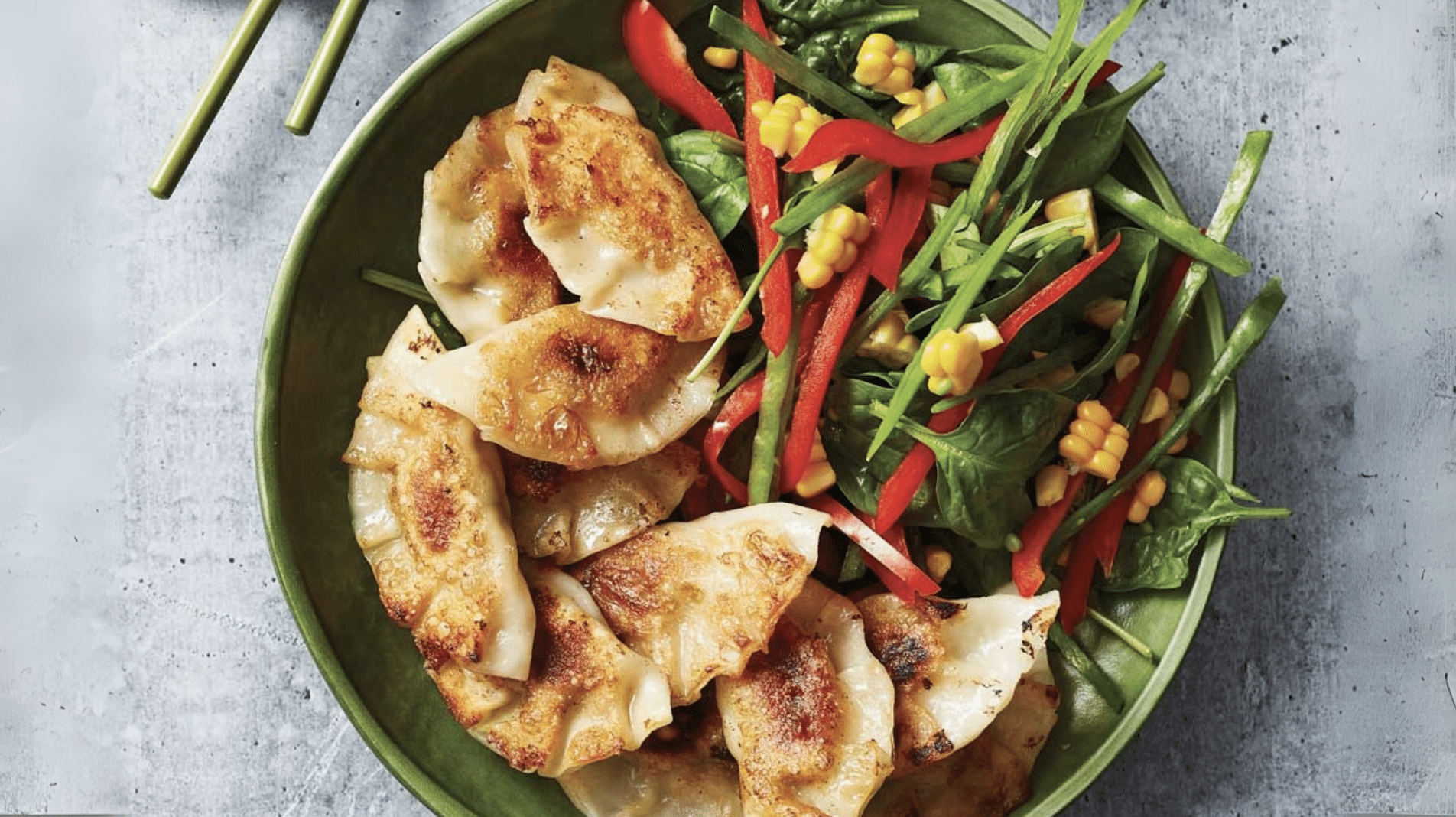
Dumplings on their own are carbohydrate-forward and relatively light on fiber and micronutrients from the wrapper alone. The filling contributes protein and some vegetables, but a 5-piece serving rarely delivers enough fiber or vegetable volume to constitute a nutritionally complete meal by itself.
The wrapper accounts for the majority of the carbohydrate load, while the filling handles most of the protein and micronutrient contribution.
Adding sides is the most practical way to turn a dumpling serving into a well-rounded meal. A bowl of miso or clear broth adds minimal calories and substantial sodium-free flavor. Steamed greens like bok choy, spinach, or broccolini add fiber, folate, and vitamin K at very low calorie cost.
A small cucumber and sesame salad with rice vinegar adds crunch and volume. When you structure the meal this way, dumplings function as the protein and carbohydrate anchor of a balanced plate, rather than asking them to do nutritional work they are not designed for.
If you are already tracking poke bowl nutrition facts before ordering to manage your macro intake, applying the same discipline to dumplings, checking the filling type, cooking method, and sodium, gives you the information to fit them confidently into any eating plan.
Frequently Asked Questions
Are dumplings high in protein?
Most dumplings are moderate, not high, in protein. Meat, shrimp, chicken, or tofu fillings provide more protein than vegetable-only versions. If you want a higher-protein meal, pair dumplings with edamame, tofu soup, eggs, or lean meat.
Are dumplings good after a workout?
Dumplings can work after a workout if they include lean protein and are paired with vegetables. The wrapper gives carbohydrates for energy recovery, while the filling adds protein. Steamed chicken, shrimp, or tofu dumplings are better choices than deep-fried versions.
Are dumplings bad for cholesterol?
Dumplings are not automatically bad for cholesterol. The filling matters most. Pork belly or fatty beef dumplings can be higher in saturated fat, while shrimp, chicken, tofu, and vegetable dumplings are lighter choices. Steaming also keeps added fat lower.
Can diabetics eat dumplings?
People with diabetes can eat dumplings carefully, but portions matter because wrappers contain refined carbs. Choose steamed dumplings, add vegetables or protein sides, and avoid sugary sauces. Checking blood sugar response after eating can help guide future portions.
Are soup dumplings healthy?
Soup dumplings can be higher in sodium and fat because the broth inside often comes from gelatin-rich meat stock. They can still fit occasionally, but portion size and dipping sauce matter. Pair them with vegetables instead of fried sides.
Are rice paper dumplings healthier?
Rice paper dumplings may be lighter than wheat wrappers, but they still contain carbohydrates. The filling and cooking method matter more. A rice paper dumpling with vegetables and lean protein is usually healthier than a fried dumpling with fatty meat.
Are dumplings okay for kids?
Dumplings can be kid-friendly when steamed and filled with simple ingredients like chicken, shrimp, tofu, or vegetables. Watch sodium, especially with frozen dumplings and dipping sauces. Cut larger dumplings into smaller pieces for younger children.
Can dumplings cause bloating?
Yes, dumplings can cause bloating for some people. The refined wrapper, salty filling, sauces, or large portion size may contribute. Eating slowly, choosing steamed dumplings, and pairing them with vegetables can make them easier to digest.
Final Verdict
So, are dumplings healthy?
Fresh dumplings with vegetables or lean protein are usually lighter and more balanced. Frozen dumplings can be a good option too, as long as you check the label and watch the sodium.
For me, dumplings are flexible. I like pairing them with soup, steamed vegetables, or a small salad. It makes the meal more balanced while still giving that warm, comforting feeling.
Healthy eating doesn’t have to be complicated; it’s about small, smart choices. If you found this useful, be sure to check out more of my posts for easy food tips and everyday meal ideas.
Sources
- USDA FoodData Central, “Dumplings, Meat and Vegetable.” 2024. fdc.nal.usda.gov
- U.S. Department of Health and Human Services and USDA, Dietary Guidelines for Americans, 2020–2025. 2020. dietaryguidelines.gov
- American Heart Association, “Saturated Fat.” 2024. heart.org
- National Institutes of Health Office of Dietary Supplements, “Sodium.” 2024. ods.od.nih.gov