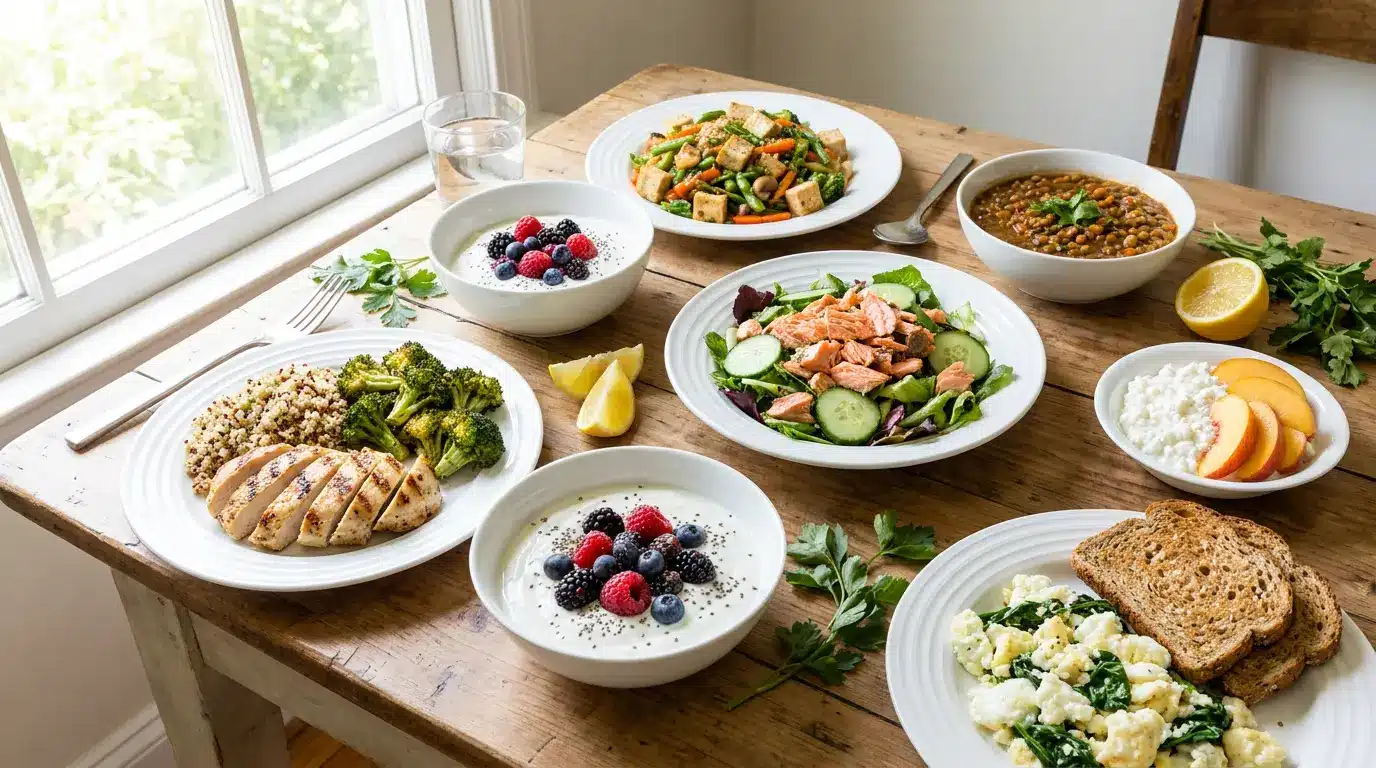
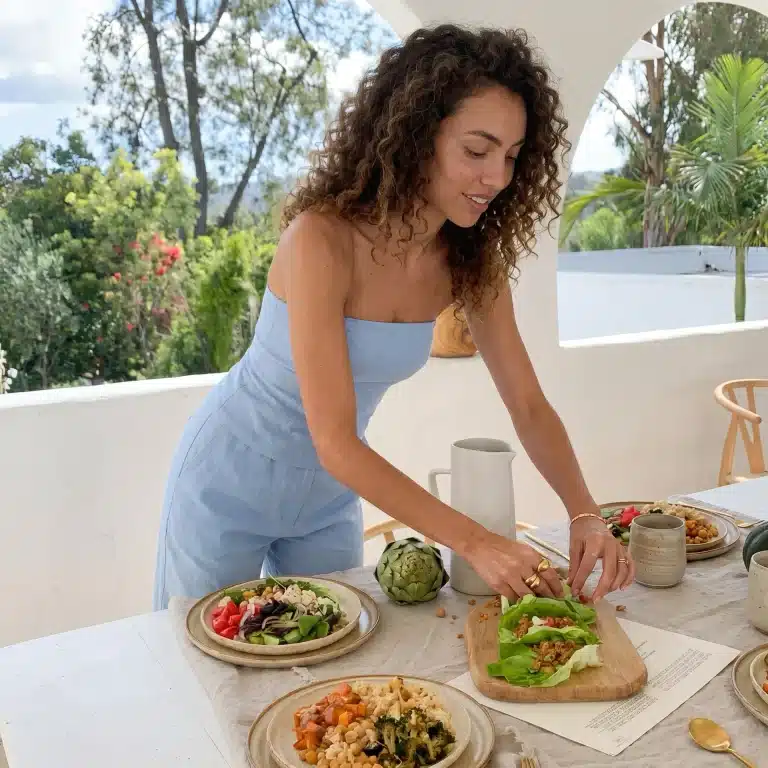
High protein low calorie meals work because they solve the hardest part of eating at a deficit: staying full.
A 300-calorie chicken and vegetable bowl can feel more satisfying than a 600-calorie pasta dish because protein takes longer to digest, triggers satiety hormones, and helps maintain lean muscle tissue while calories are reduced.
I put this guide together because most high-protein meal lists either bury the calorie numbers or ignore vegetables entirely. Every meal here has both protein and calorie figures upfront.
You will find breakfast options, lunch bowls, dinner plates, snacks, vegetarian picks, and a full 7-day plan.
The practical goal is a repertoire of meals that are easy to repeat, genuinely filling, and flexible enough to fit real weekdays.
Why Protein is the Most Important Macronutrient for Weight Management
Protein directly addresses the two biggest obstacles to a calorie deficit: hunger and muscle loss.
A meal built around lean protein triggers greater satiety hormone release compared to the same calories from fat or carbohydrates, which means you are physically less hungry an hour later.
Protein also has a higher thermic effect of food than either carbohydrates or fat.
Research published in the Journal of Nutrition and Metabolism (Westerterp, 2004) found that the body uses roughly 20–30% of protein calories during digestion, compared to 5–10% for carbohydrates and just 0–3% for fat.
On a 1,400-calorie day where 140g comes from protein, that thermic difference amounts to meaningful extra calorie burn with no additional effort on your part.
The muscle-protection angle matters just as much as fullness. In a calorie deficit, the body will draw on muscle tissue for energy if protein intake is too low.
Keeping protein at 0.7–1g per pound of body weight helps preserve lean mass, which helps keep your metabolism from dropping as you lose weight.
How to Calculate Your Protein Target on a Calorie Deficit
The formula is straightforward. Multiply your target bodyweight in pounds by 0.8 to get a practical midpoint.
A person aiming for 150 lbs targets around 120g of protein daily. On a 1,400-calorie budget, that leaves 1,040 calories for carbohydrates and fat (since protein provides 4 calories per gram, 120g of protein accounts for 480 calories).
This is achievable with the meal combinations in this guide without feeling restrictive.
Three foods that make hitting that number easiest on low calories:
- chicken breast (31g protein per 100g at 165 calories)
- egg whites (11g per 100g at just 52 calories)
- nonfat Greek yogurt (10g per 100g at 59 calories)
The rest of this article builds meals around these anchors.
The Best High Protein Low Calorie Foods (Grocery Shortlist)
Choosing the right protein source makes a calorie-controlled day much easier.
The table below compares the most practical options by protein density. These are the foods that appear throughout every meal section in this guide.
| Food | Calories / 100g | Protein / 100g | Best Use | Budget Note |
| Chicken Breast | 165 | 31g | Grilled bowls, salads, wraps | Buy in bulk, freeze in portions |
| Egg Whites | 52 | 11g | Omelets, scrambles, egg muffins | Carton whites save time and money |
| Cottage Cheese (low-fat) | 98 | 11g | Toast, snack bowls, dips | One of the cheapest protein sources per gram |
| Tuna (canned in water) | 116 | 26g | Lettuce wraps, salads | The most affordable protein on this list |
| Shrimp | 99 | 24g | Stir-fries, zoodle bowls, salads | Frozen shrimp costs about half of fresh shrimp |
| Greek Yogurt (nonfat) | 59 | 10g | Breakfast bowls, sauces, smoothies | Store brands match name brands nutritionally |
| Lentils (cooked) | 116 | 9g | Soups, dal, veggie bowls | Cheapest complete-meal protein, especially dried |
| Firm Tofu | 76 | 8g | Stir-fries, scrambles, curry | Good budget plant protein, absorbs any seasoning |
| Edamame (shelled) | 122 | 11g | Snacks, salads, plant bowls | Frozen bags are inexpensive and last weeks |
| Tilapia | 96 | 20g | Grilled plates, tacos, salad bowls | One of the most affordable white fish options |
A practical note on plant proteins: lentils and rice are individually incomplete amino acid sources, but eaten together in the same meal or day, they form a complete profile. This matters when building vegetarian high protein low calorie meals around plant sources alone.
| Dietitian Tip: The fastest way to raise your daily protein without raising calories much is to swap one carbohydrate-heavy item for a protein-dense one. Replace a flavored yogurt (4g protein, 150 calories) with nonfat Greek yogurt (17g protein, 100 calories), and you gain 13g of protein for fewer calories in about ten seconds of effort. |
Nutritional values based on USDA FoodData Central data. Individual values may vary by brand, preparation method, and serving size.
Breakfast: High Protein Low Calorie Meals to Start Your Day
Breakfast becomes high protein when you plan the protein source first and build the rest of the meal around it. These ideas keep mornings practical and filling without requiring much time at the stove.
1. Greek Yogurt Berry Chia Bowl
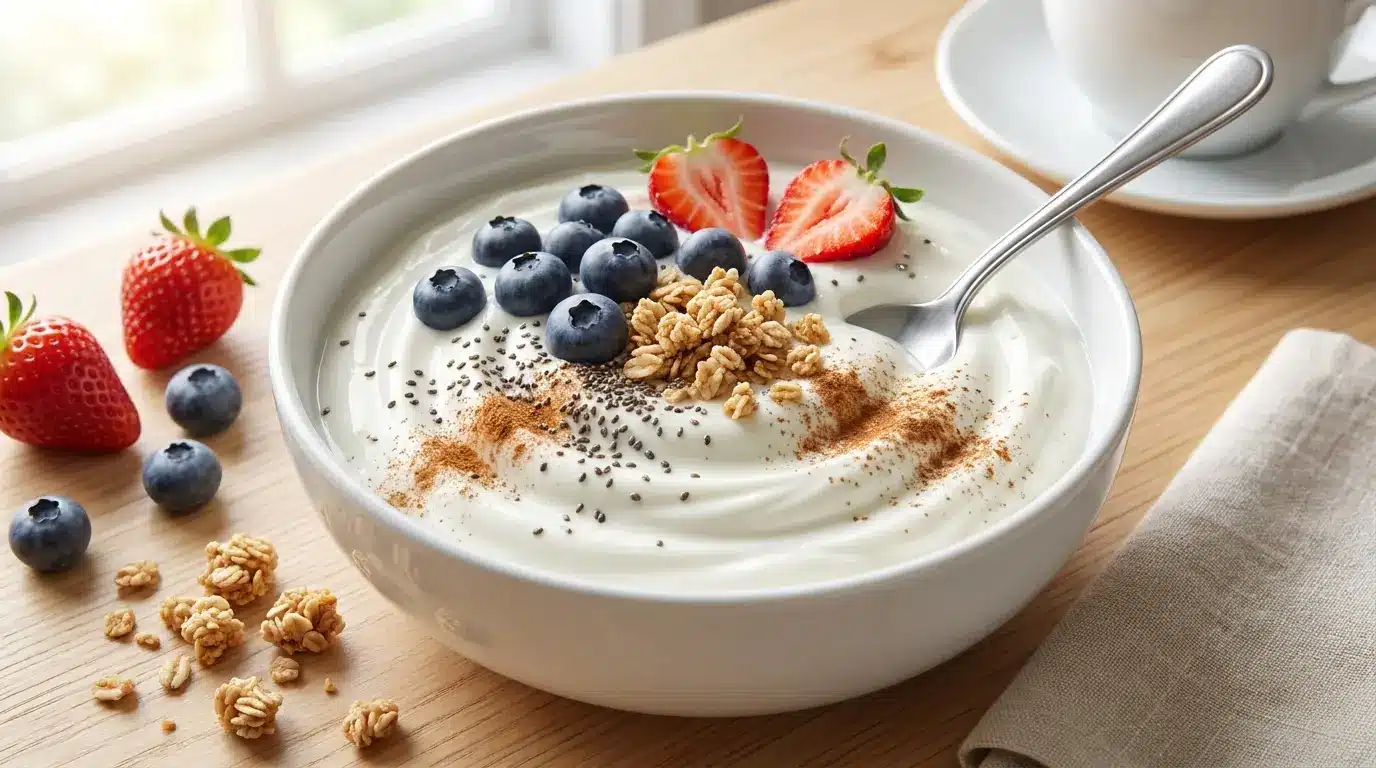
Spoon nonfat Greek yogurt into a bowl, then add blueberries, strawberries, chia seeds, cinnamon, and a small sprinkle of low-sugar granola.
Greek yogurt provides the protein, berries add fiber and antioxidants, and chia adds additional fiber along with omega-3 fatty acids. The texture is creamy and satisfying without needing cooking equipment.
- Calories: 240 kcal
- Protein: 26g
- Carbs: 22g
- Fat: 5g
2. Egg White Spinach Omelet
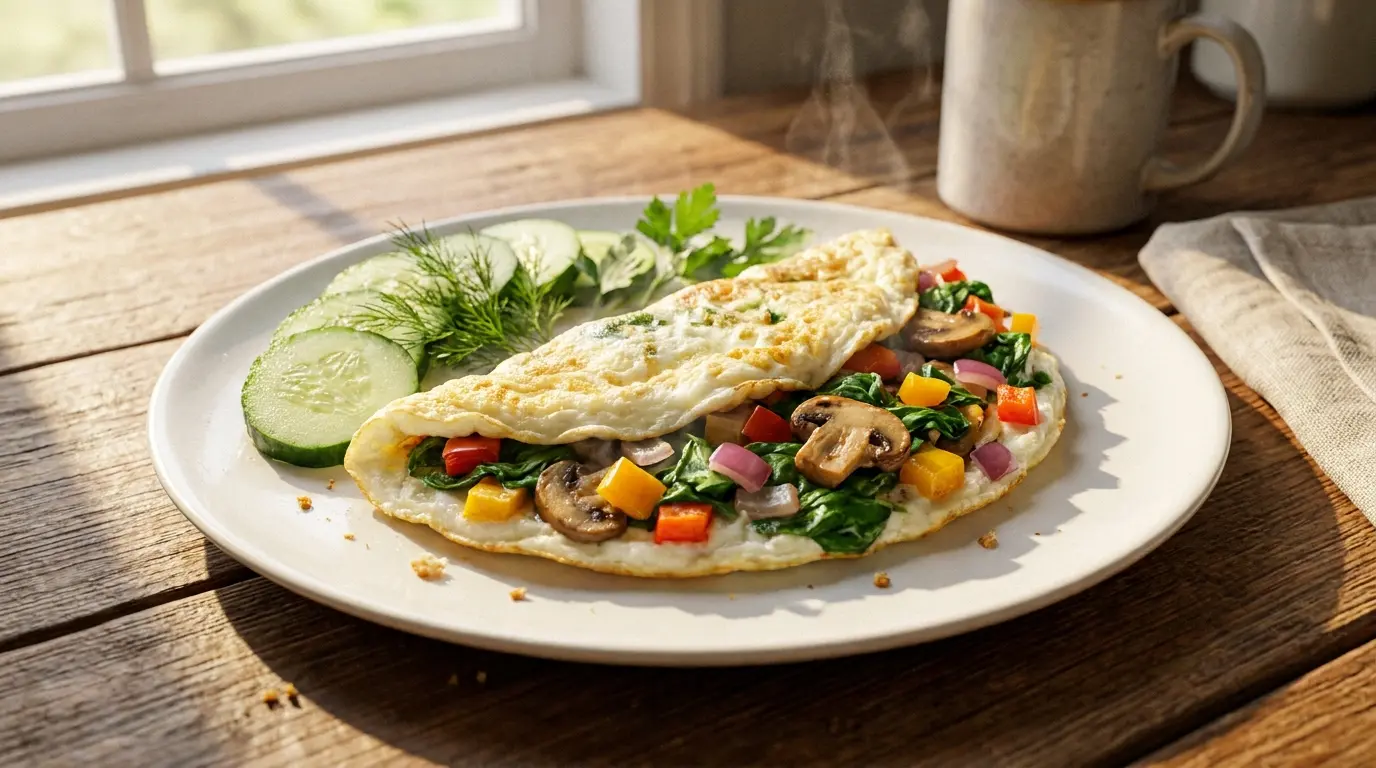
Whisk egg whites with spinach, mushrooms, bell peppers, onion, salt, and black pepper. Cook in a nonstick skillet over medium heat until fluffy and set. A small amount of reduced-fat cheese can be added for flavor without much calorie cost.
Egg whites keep the plate lean while the vegetables add significant volume. At 27g of protein for 170 calories, this is one of the most efficient breakfasts on the list.
- Calories: 170 kcal
- Protein: 27g
- Carbs: 10g
- Fat: 3g
3. Blueberry Protein Oatmeal
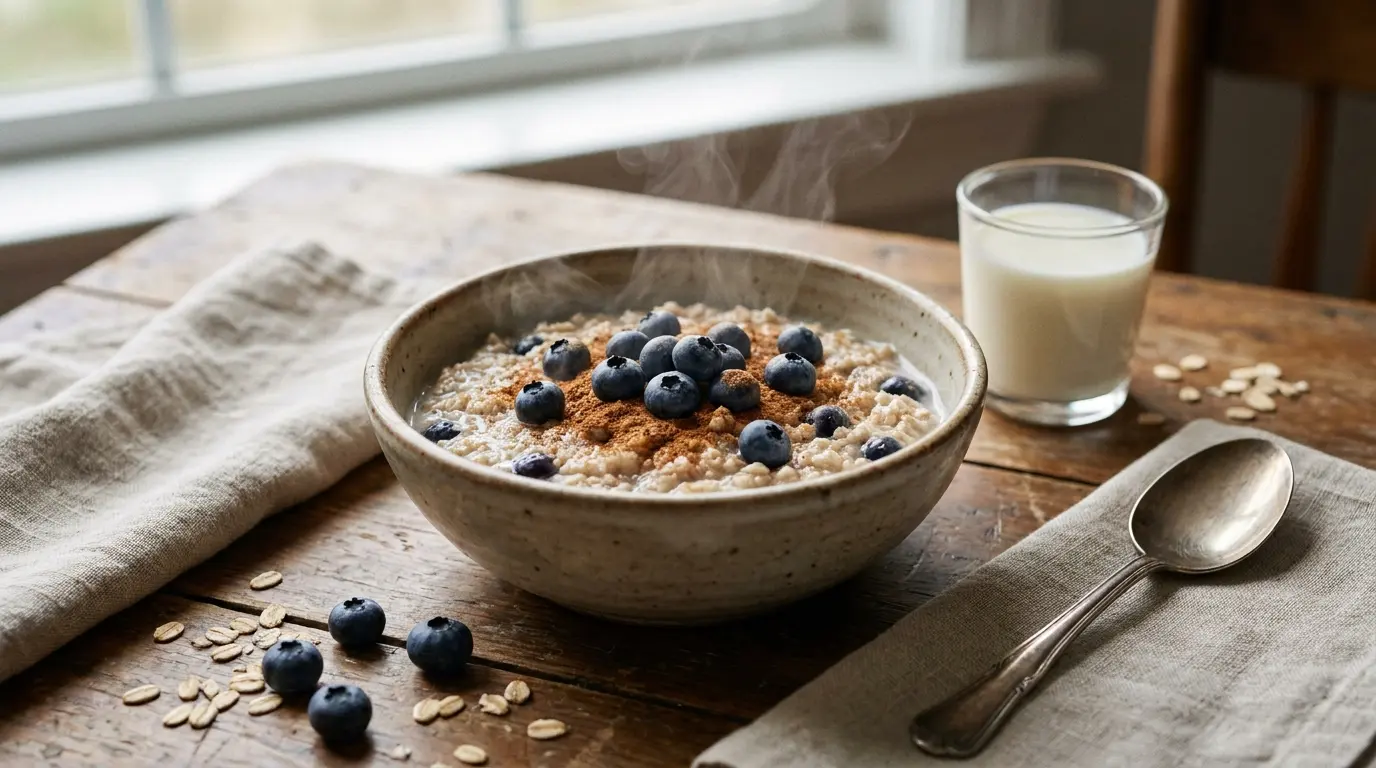
Cook rolled oats with water or skim milk. Once the oatmeal has cooled slightly, stir in a scoop of vanilla protein powder. Top with blueberries and cinnamon.
Oats supply steady complex carbohydrates, while protein powder converts a standard bowl into a high protein low calorie breakfast. This works particularly well before a morning workout when you need sustained energy.
- Calories: 320 kcal
- Protein: 32g
- Carbs: 38g
- Fat: 6g
4. Cottage Cheese Cucumber Toast
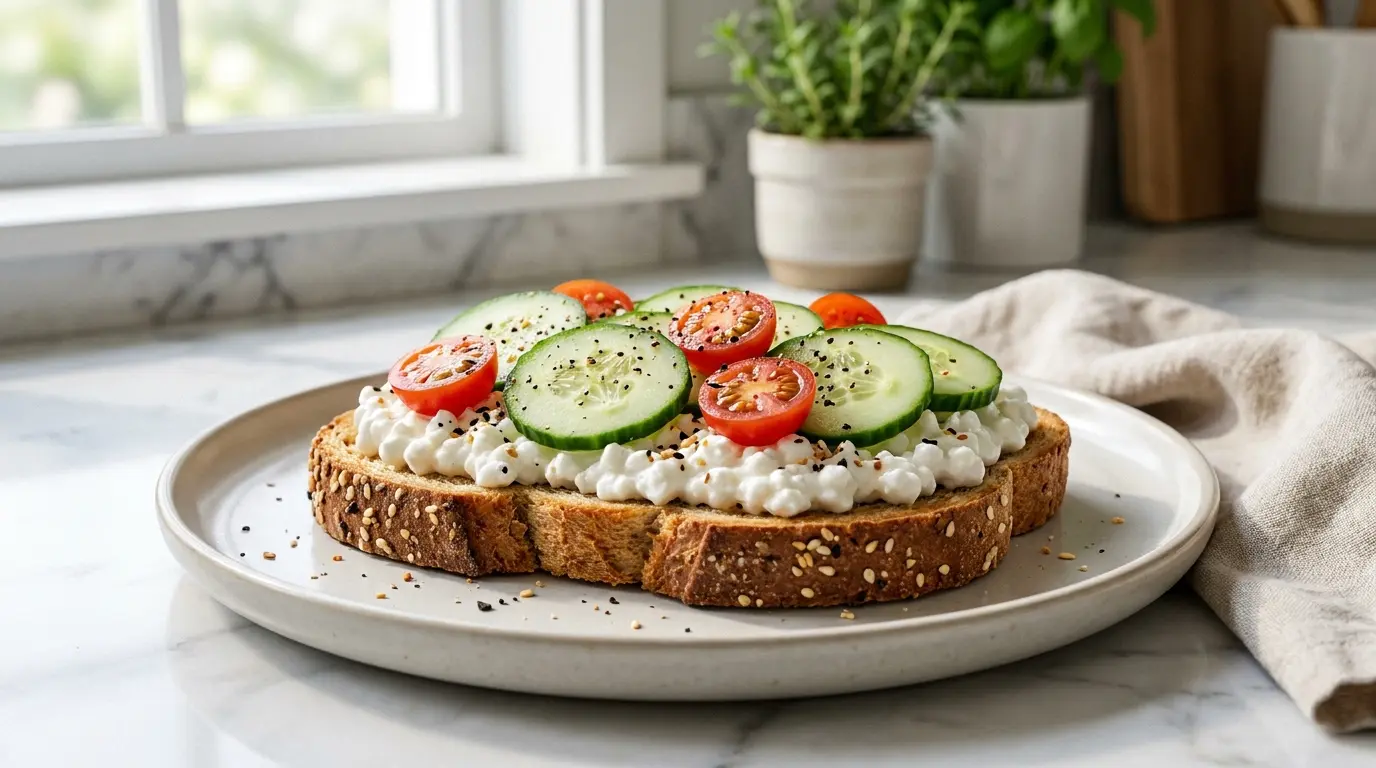
Toast one slice of whole grain bread and spread low-fat cottage cheese over the top. Add cucumber, tomato, cracked pepper, and everything bagel seasoning.
The toast provides crunch and complex carbs, cottage cheese adds protein and creaminess, and the vegetables keep each bite fresh. It reads as a cafe-style breakfast without the butter or heavy spreads that push calories up.
- Calories: 260 kcal
- Protein: 20g
- Carbs: 24g
- Fat: 8g
5. Turkey Sausage Egg White Skillet
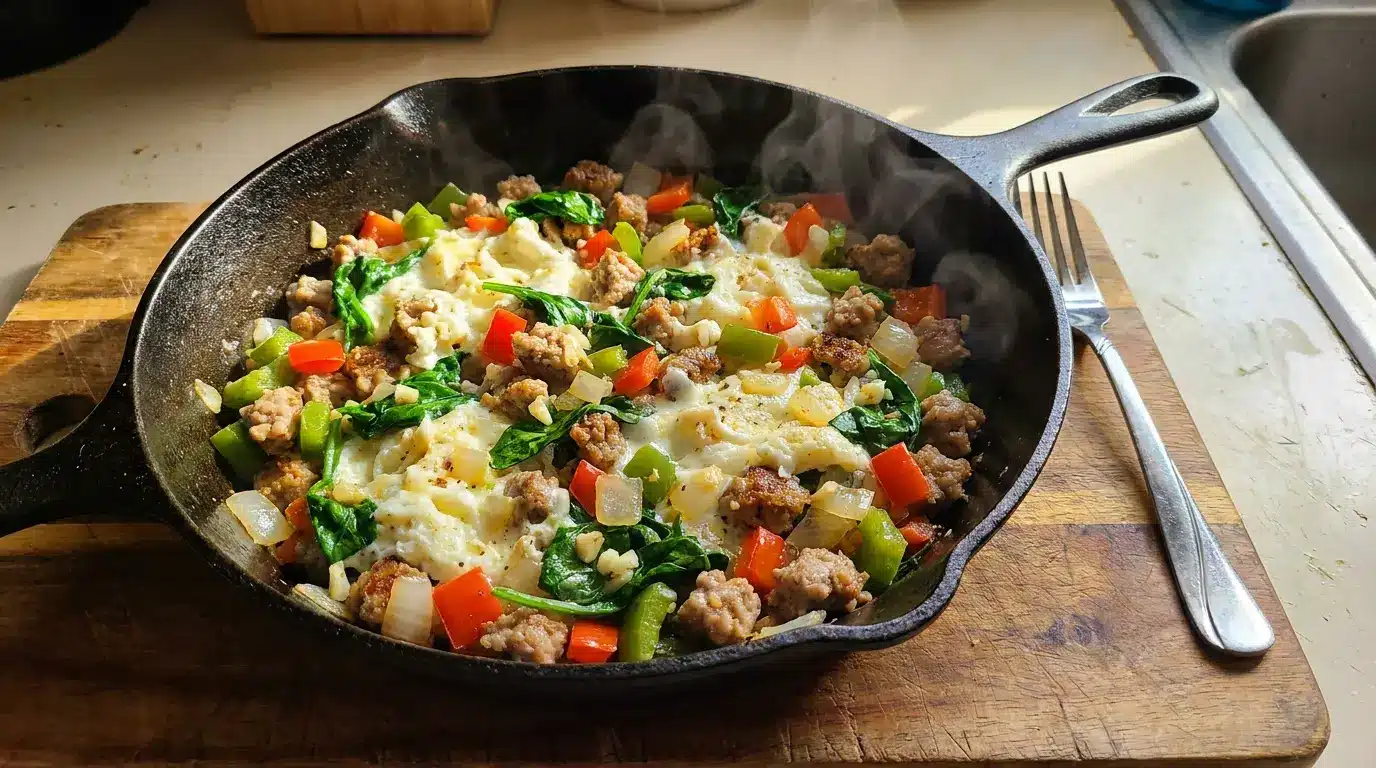
Cook lean turkey sausage crumbles with spinach, diced peppers, onion, and garlic in a skillet. Pour in egg whites and let everything set over medium heat.
Turkey brings savory protein and flavor, while egg whites lift the protein count without heavy saturated fat. At 38g of protein for 280 calories, this is the highest-protein breakfast in this section and works well on mornings that lead into demanding physical activity.
- Calories: 280 kcal
- Protein: 38g
- Carbs: 8g
- Fat: 10g
6. Smoked Salmon Breakfast Plate
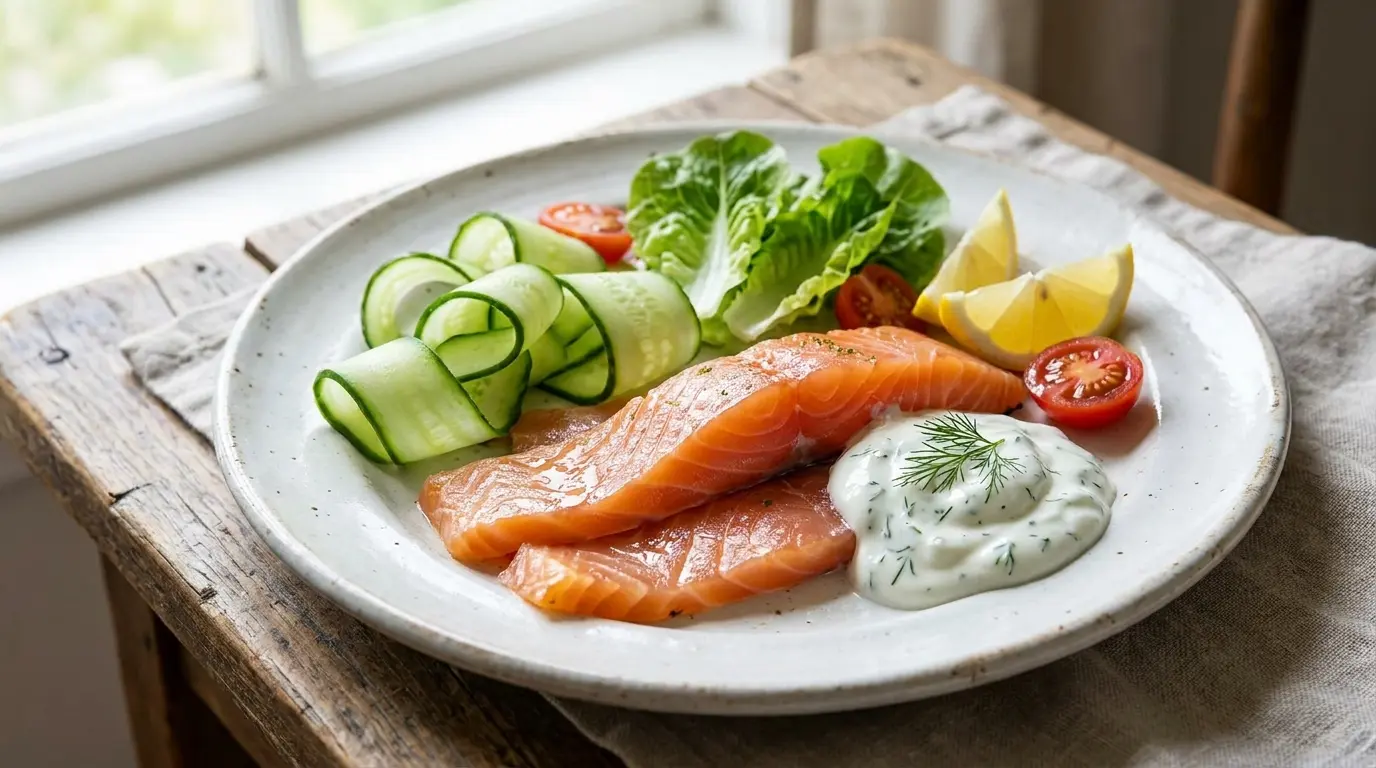
Arrange smoked salmon with cucumber slices, lettuce, cherry tomatoes, lemon, dill, and a spoon of plain Greek yogurt sauce. No cooking is needed.
Salmon brings protein alongside omega-3 fatty acids, which are worth including several times per week for cardiovascular and cognitive health. The full plate feels polished and satisfying at only 230 calories.
- Calories: 230 kcal
- Protein: 22g
- Carbs: 8g
- Fat: 12g
7. Chicken Apple Breakfast Bowl
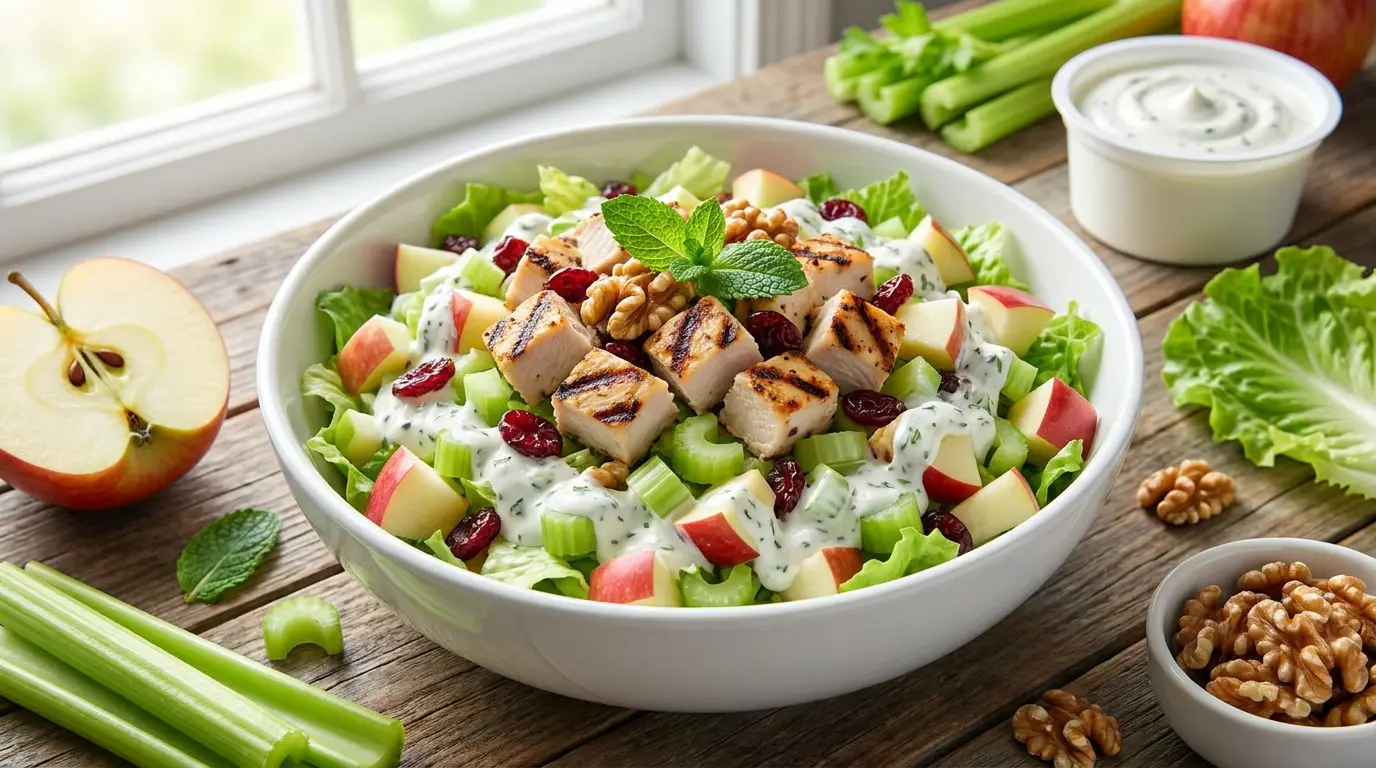
Toss diced grilled chicken with chopped apple, celery, and lettuce, then drizzle with a light Greek yogurt dressing, black pepper, and lemon juice.
Leftover grilled chicken from the night before works perfectly here. Chicken gives 28g of protein, and the apple and celery bring natural sweetness and crunch without adding many calories.
- Calories: 210 kcal
- Protein: 28g
- Carbs: 16g
- Fat: 4g
8. Egg Muffin Meal Prep Cups
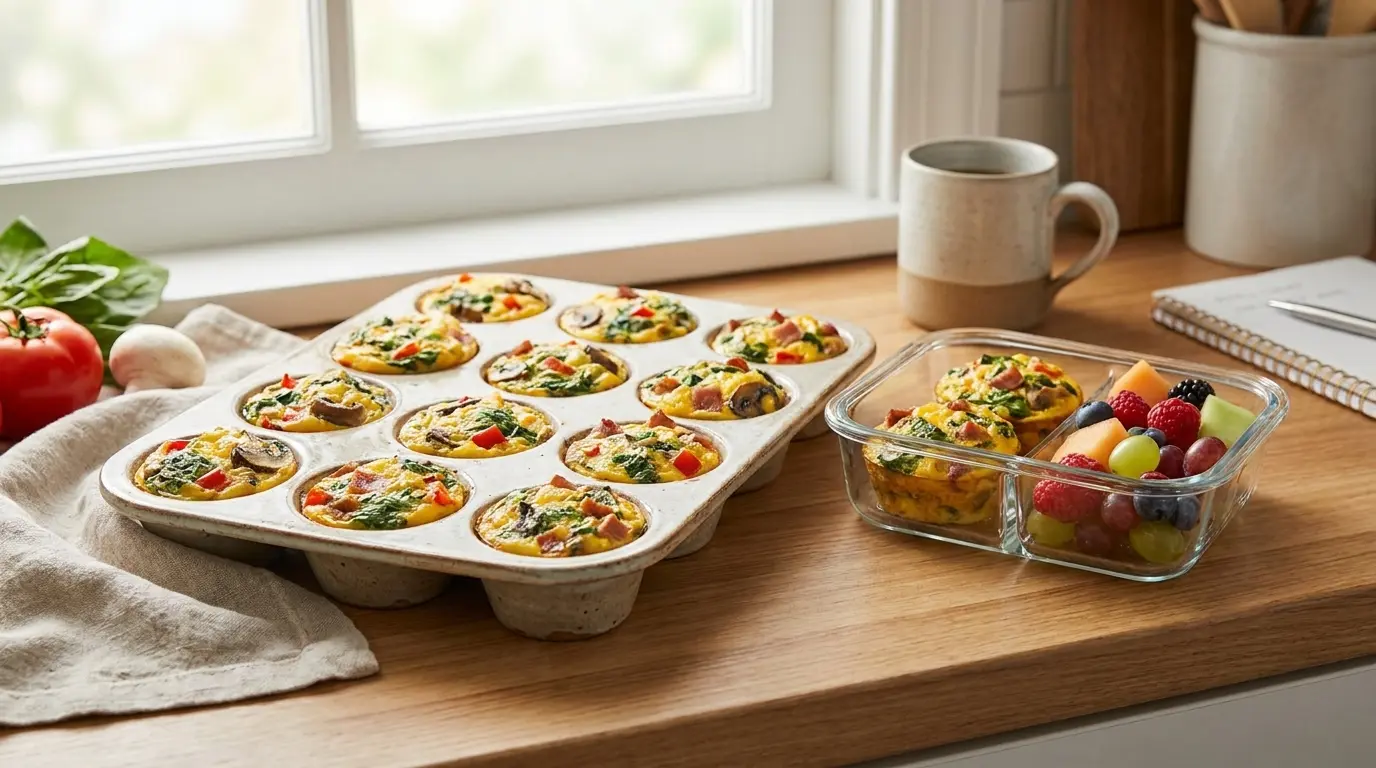
Bake egg whites or whole eggs with spinach, mushrooms, bell peppers, and diced turkey in a muffin tray at 350°F for 18–20 minutes. Store in the refrigerator for up to four days and reheat in 60 seconds.
Each portion is pre-measured, making these ideal for calorie tracking. Pair with a piece of fruit for a complete breakfast in under two minutes on busy mornings.
- Calories: 220 kcal
- Protein: 25g
- Carbs: 8g
- Fat: 10g
9. Peanut Butter Protein Smoothie Bowl
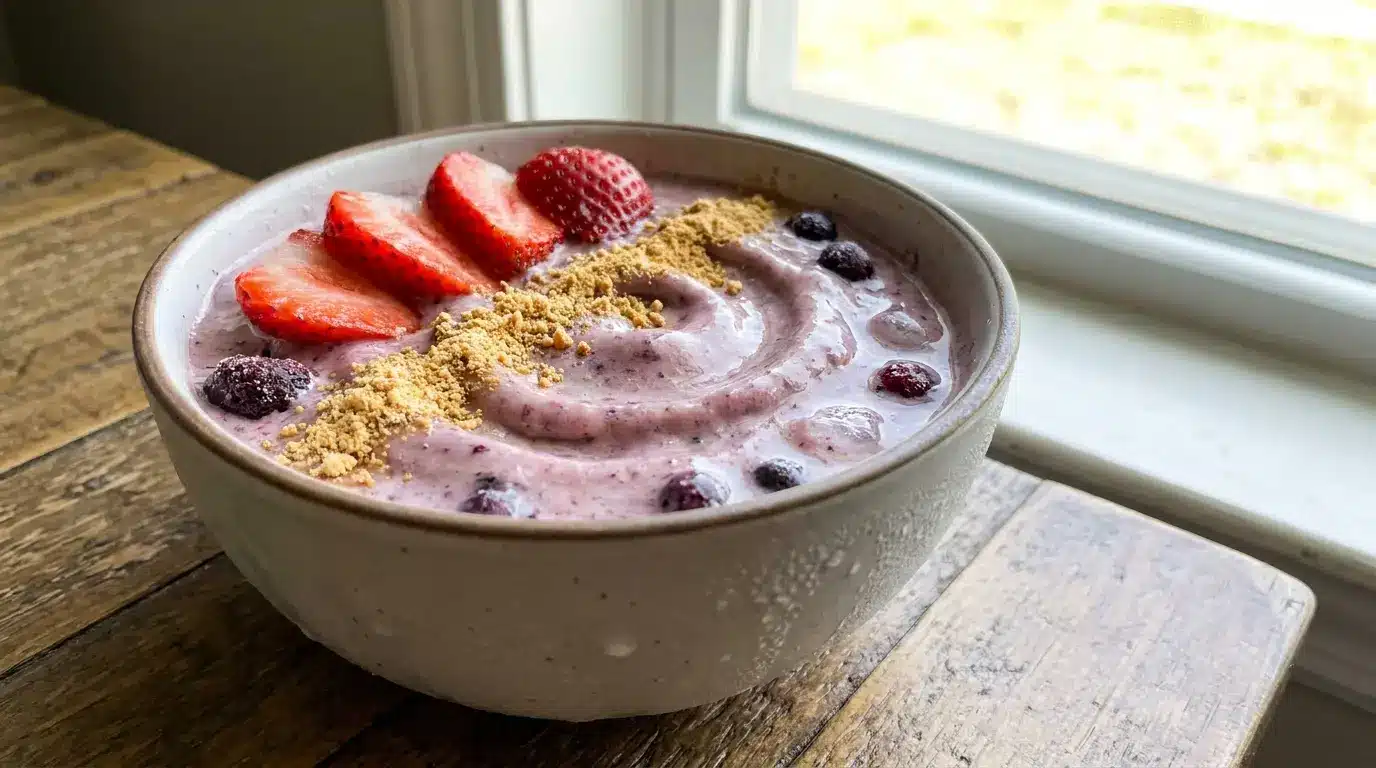
Blend nonfat Greek yogurt, vanilla protein powder, ice, powdered peanut butter, and a handful of frozen berries until thick. Pour into a bowl and finish with sliced strawberries on top.
Using powdered peanut butter instead of regular peanut butter cuts the fat content significantly while preserving the flavor. The bowl delivers 35g of protein at 260 calories.
- Calories: 260 kcal
- Protein: 35g
- Carbs: 25g
- Fat: 3g
Rotating two or three breakfast options each week keeps the habit sustainable. Change the fruit, the seasoning, or the cooking method while keeping protein as the anchor of each meal.
Lunch: Filling High Protein Low Calorie Meals
A well-constructed lunch should last until dinner without triggering afternoon hunger. That means protein at the center, vegetables for volume, and sauces used as seasoning rather than a base. These meals pack well, reheat without losing quality, and keep the protein-to-calorie ratio high.
10. Grilled Chicken Garden Salad
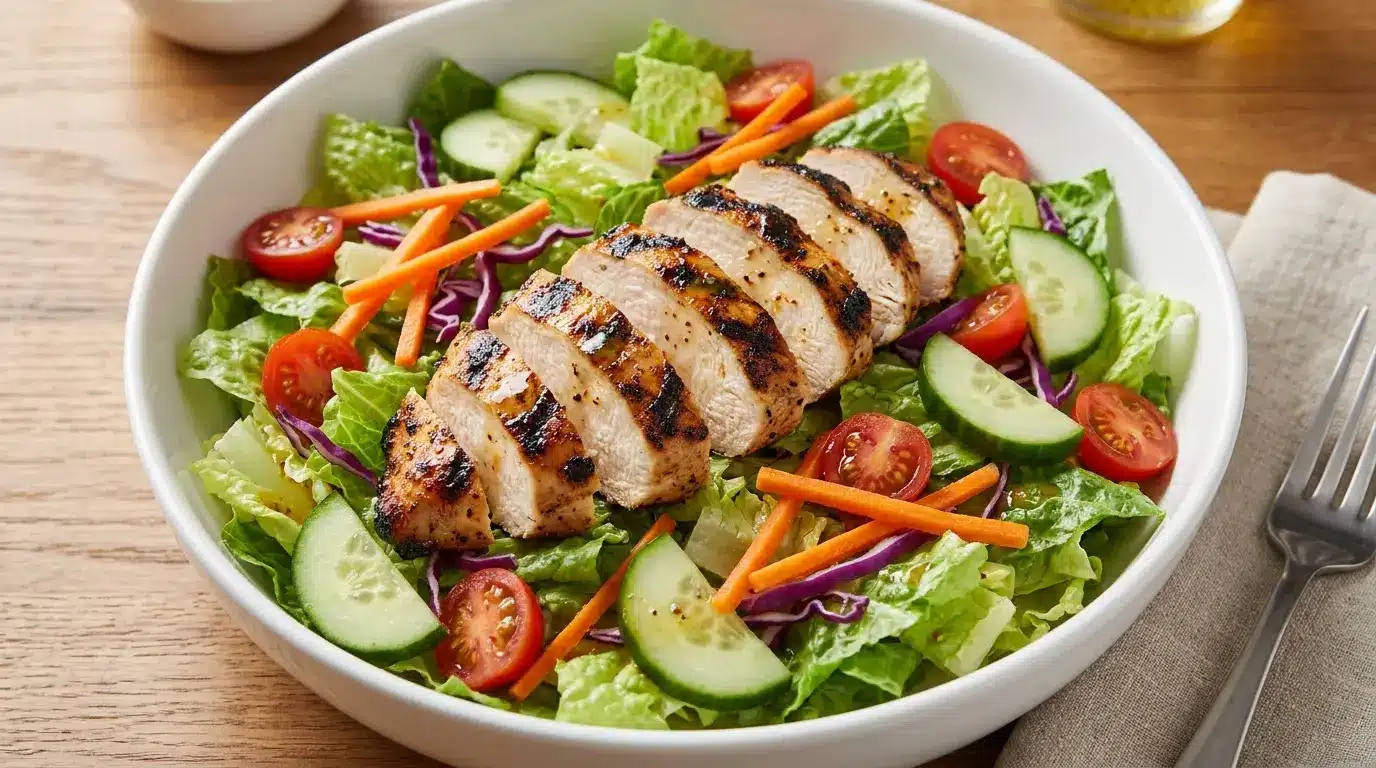
Grill chicken breast with garlic, pepper, and lemon, then slice it over romaine, cucumber, tomatoes, carrots, and shredded cabbage. Use a light vinaigrette or yogurt-based ranch.
Chicken breast on a salad is not a boring default once the dressing is treated as a finishing note rather than a coating. 38g of protein for 310 calories holds up well in a container and stays crisp when the dressing is kept separate until eating.
- Calories: 310 kcal
- Protein: 38g
- Carbs: 16g
- Fat: 9g
11. Tuna Cucumber Lettuce Boats
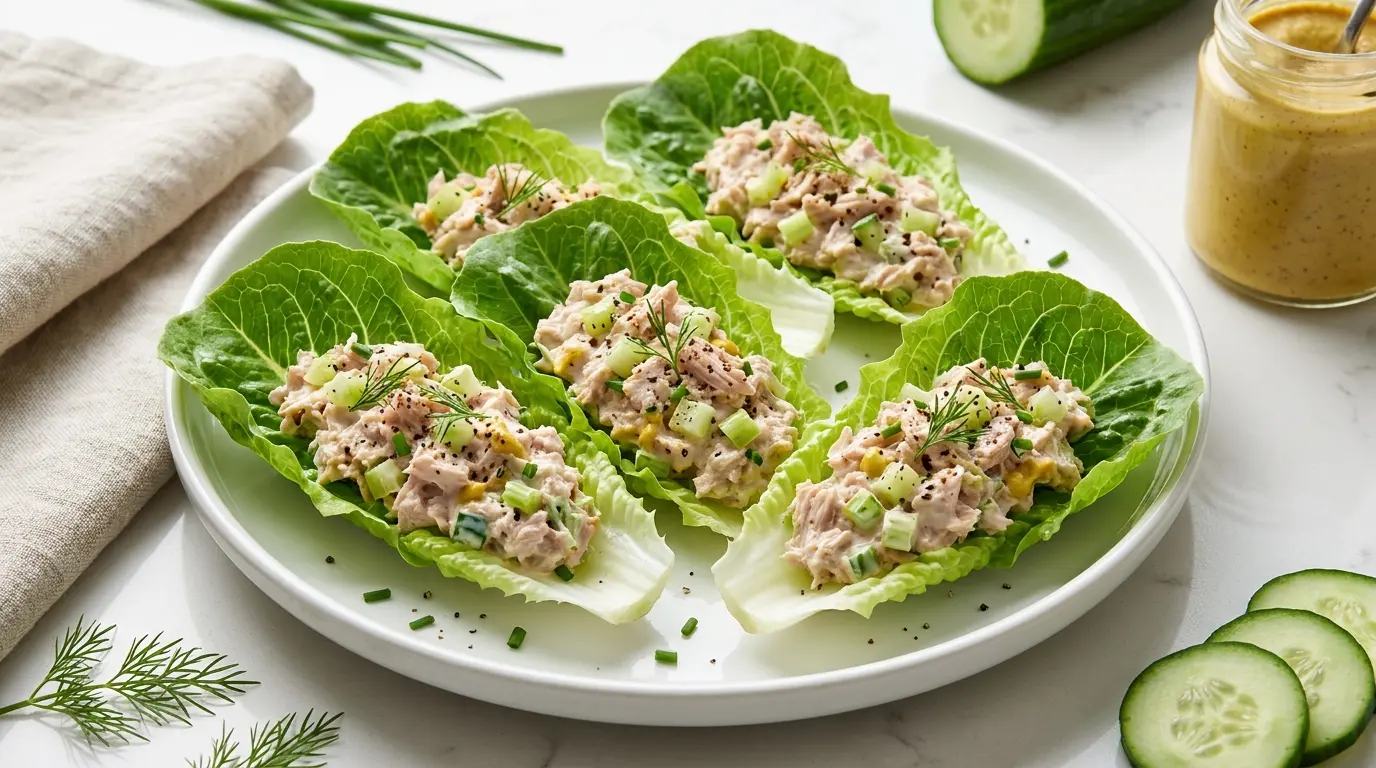
Mix canned tuna with nonfat Greek yogurt, mustard, celery, cucumber, and black pepper. Spoon the filling into large romaine leaves and serve cold. Using Greek yogurt instead of mayonnaise cuts fat dramatically while adding protein.
At 34g of protein for 220 calories with zero cooking required, this is one of the most calorie-efficient high protein low calorie meals in the entire guide.
- Calories: 220 kcal
- Protein: 34g
- Carbs: 9g
- Fat: 5g
12. Turkey Veggie Wrap
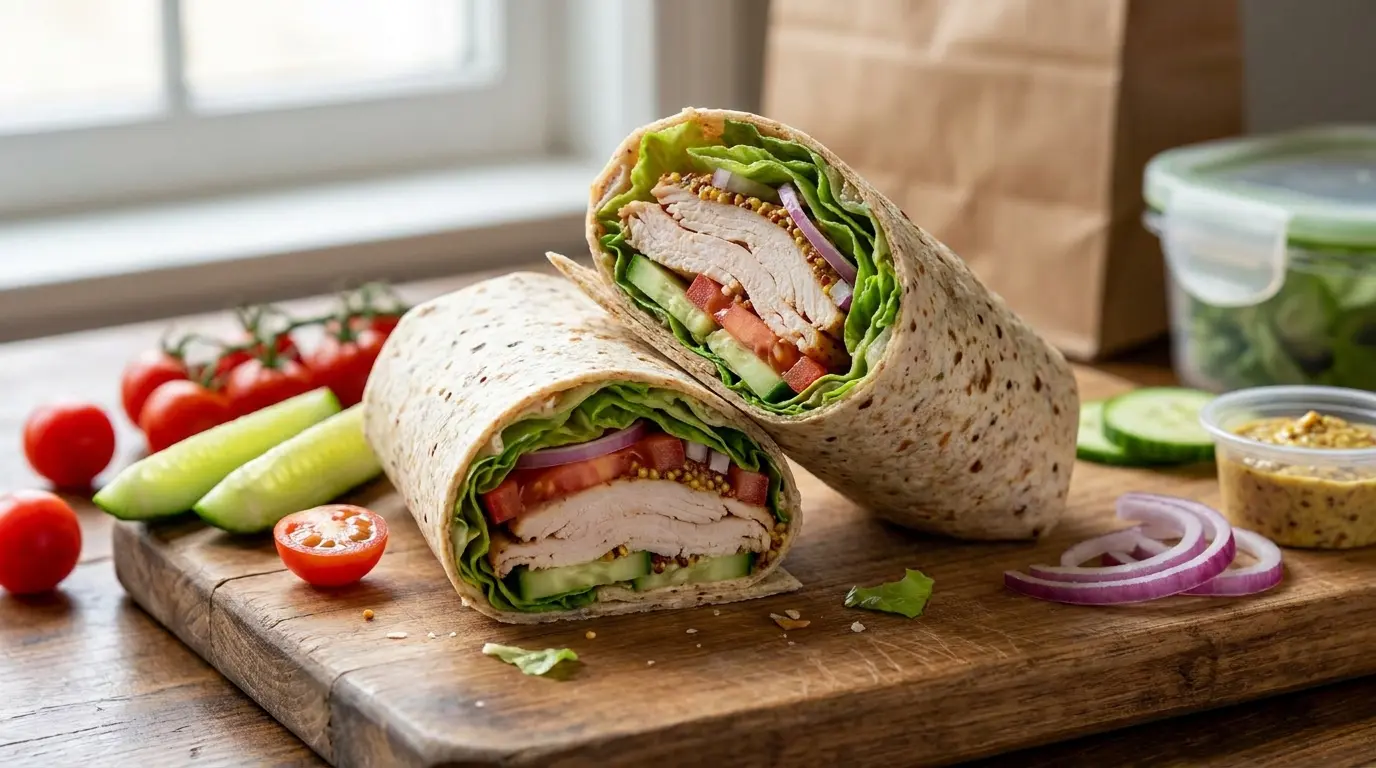
Fill a high-fiber tortilla with sliced turkey breast, lettuce, tomato, cucumber, red onion, and mustard. A thin layer of hummus adds flavor and some additional plant protein when needed.
The swap from a standard deli sandwich to a high-fiber wrap cuts roughly 80 calories while keeping the protein and feeling familiar enough to eat five days a week without resistance.
- Calories: 330 kcal
- Protein: 32g
- Carbs: 30g
- Fat: 9g
13. Turkey Bean Chili Bowl
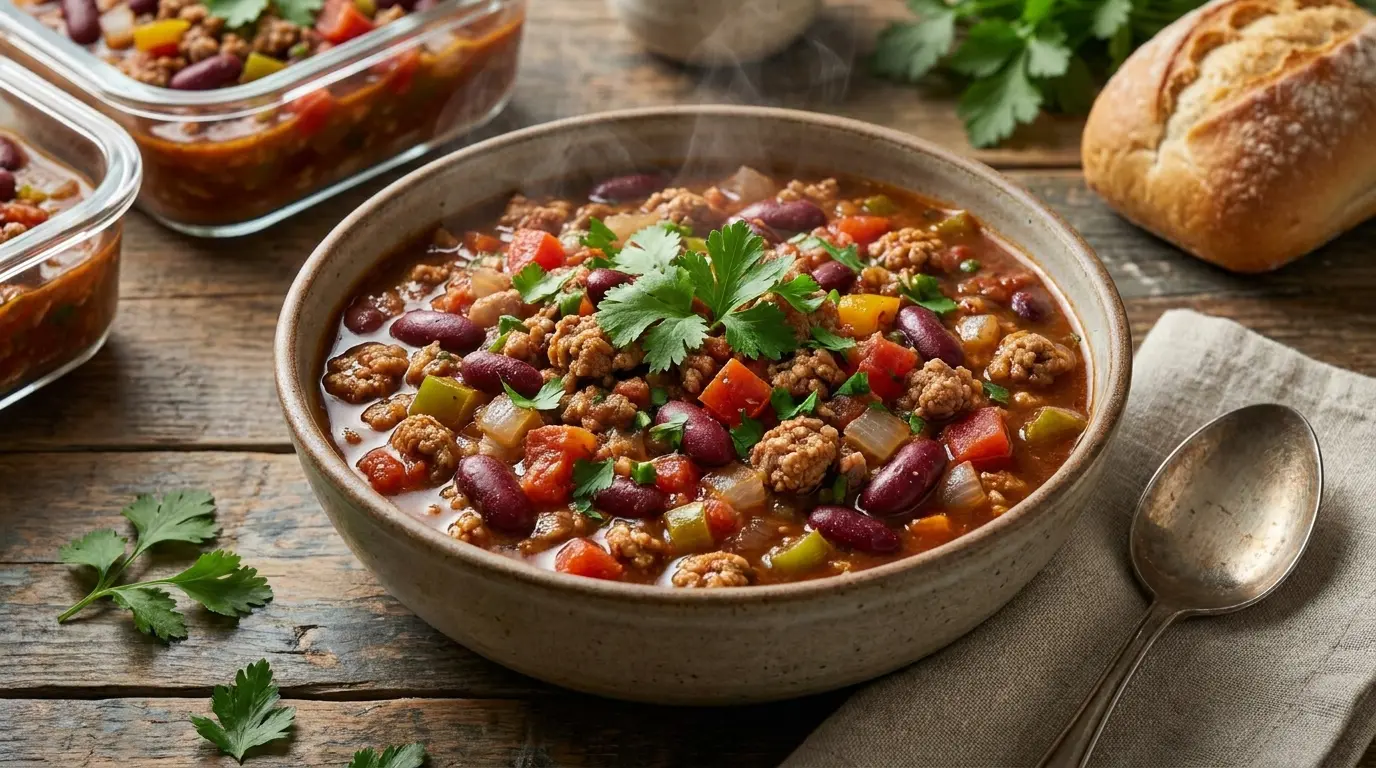
Simmer lean ground turkey with kidney beans, diced tomatoes, peppers, onion, chili powder, and low-sodium broth until thick. Turkey supplies lean protein and beans add fiber, which matters because fiber works alongside protein to extend satiety.
This is a natural batch-cooking meal: one pot on Sunday covers four to five lunches. At 34g of protein for 340 calories, the portion is satisfying at any time of day.
- Calories: 340 kcal
- Protein: 34g
- Carbs: 32g
- Fat: 8g
14. Chicken Black Bean Southwest Bowl
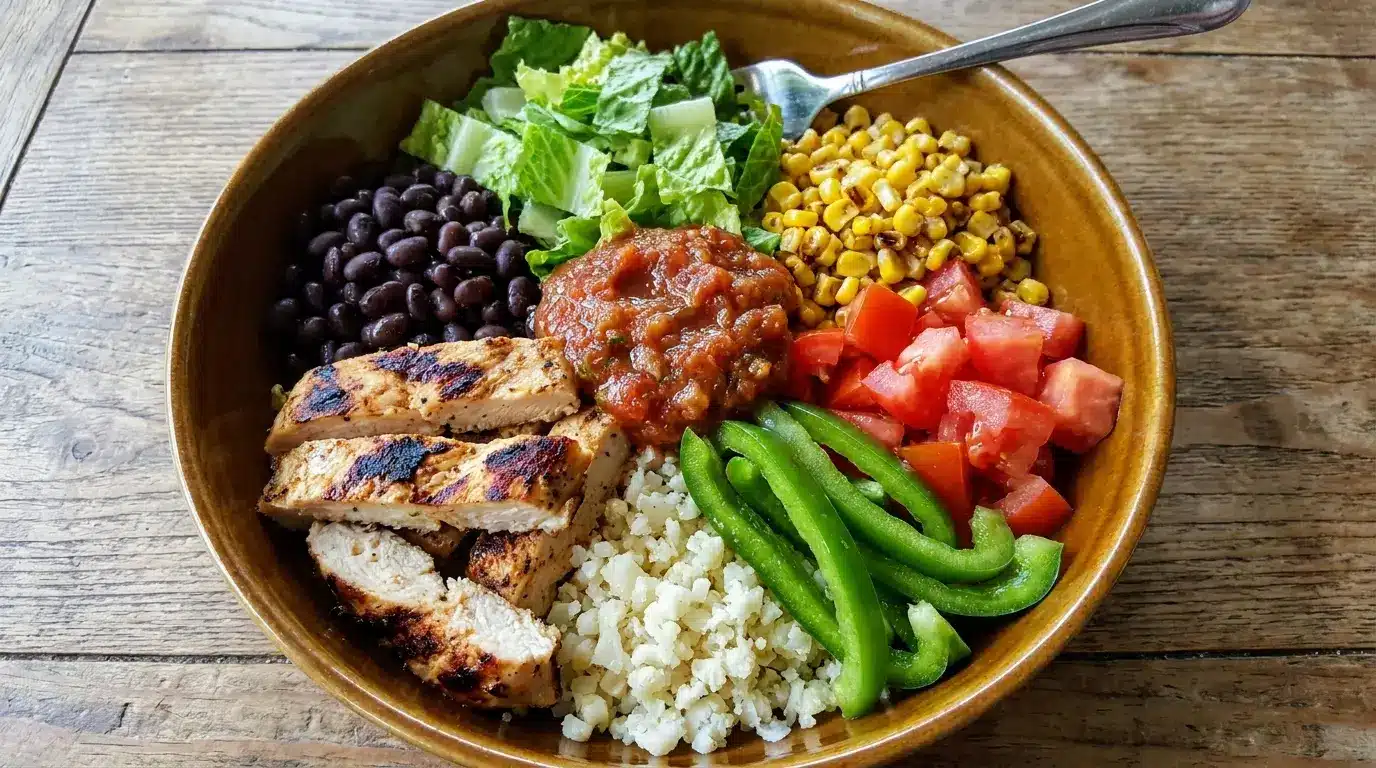
Layer grilled chicken with black beans, romaine, corn, tomatoes, bell peppers, and salsa. Use cauliflower rice as the base rather than white rice to reduce calories while keeping the volume.
Cauliflower rice at roughly 25 calories per cup versus 200 calories per cup for white rice gives you the texture and visual fullness of a grain bowl without the carbohydrate cost.
- Calories: 360 kcal
- Protein: 40g
- Carbs: 28g
- Fat: 8g
15. Shrimp Quinoa Salad Cup
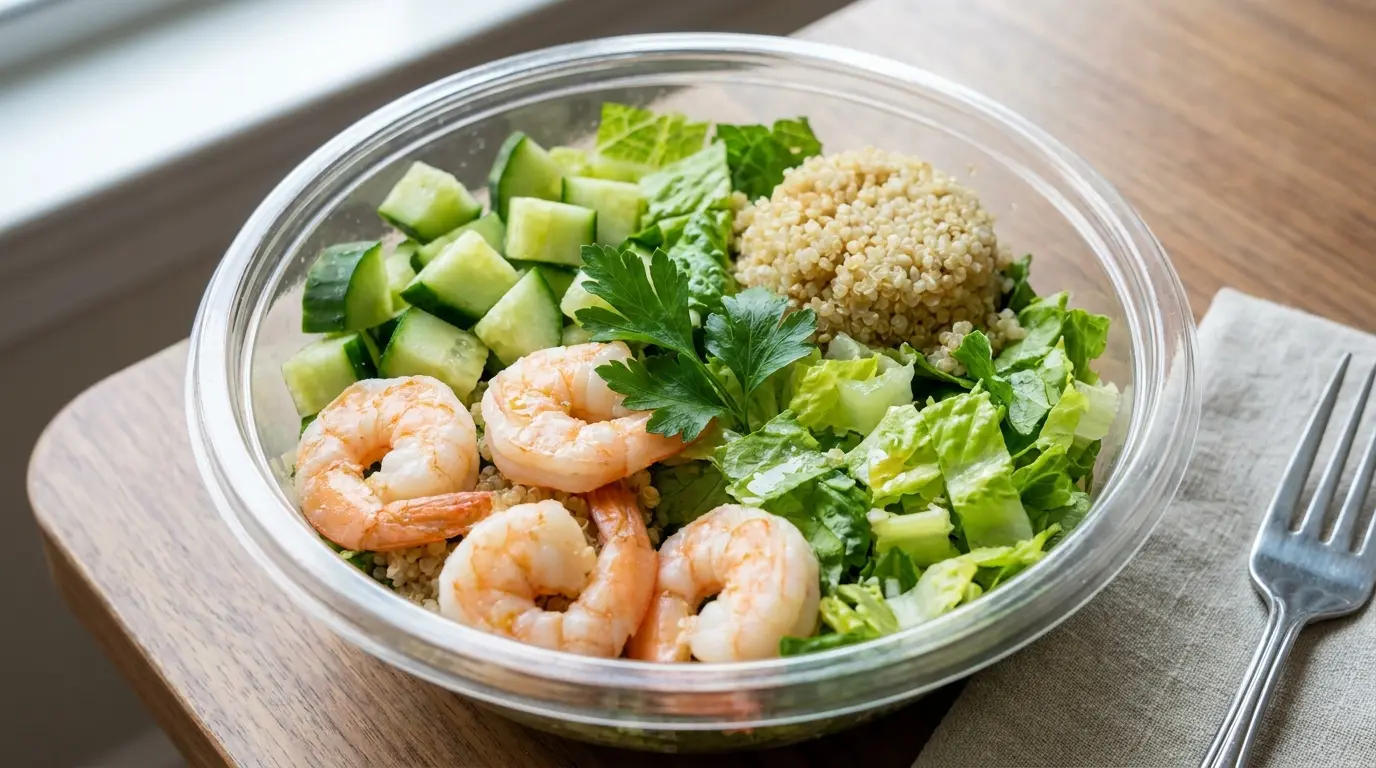
Toss cooked shrimp with cucumber, romaine, parsley, lemon juice, and a measured portion of quinoa.
Quinoa is one of the few plant foods that provides all nine essential amino acids, adding to the protein total from shrimp. The lemon and parsley keep the flavor bright without needing any fat-heavy dressing.
- Calories: 300 kcal
- Protein: 31g
- Carbs: 27g
- Fat: 6g
16. Buffalo Chicken Lettuce Wraps
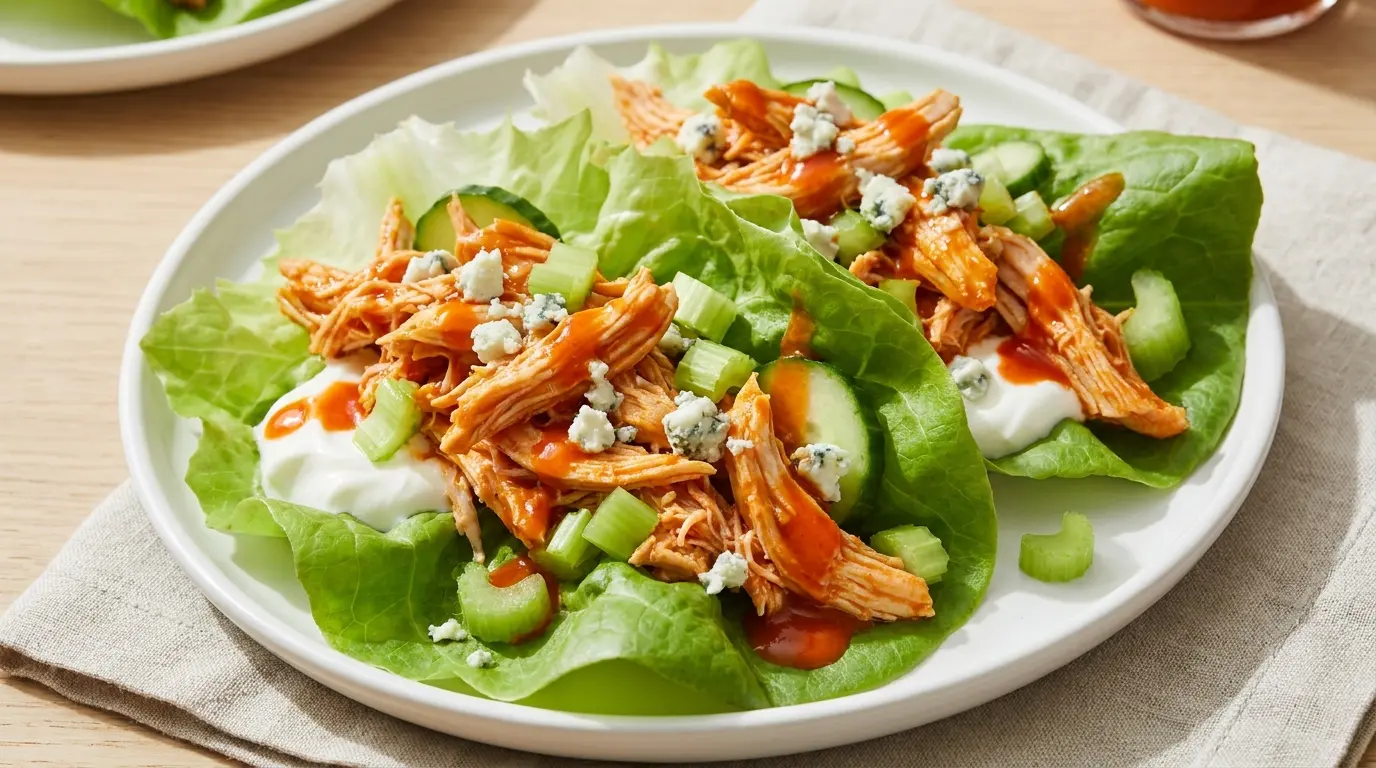
Mix shredded chicken breast with hot sauce and a spoon of plain Greek yogurt. Tuck the filling into crisp romaine leaves with celery and cucumber.
The heat of the hot sauce makes this version genuinely satisfying even without any fried element. At 250 calories and 36g of protein, this is the highest protein-to-calorie ratio lunch in this section.
- Calories: 250 kcal
- Protein: 36g
- Carbs: 8g
- Fat: 7g
17. Salmon Cucumber Yogurt Bowl
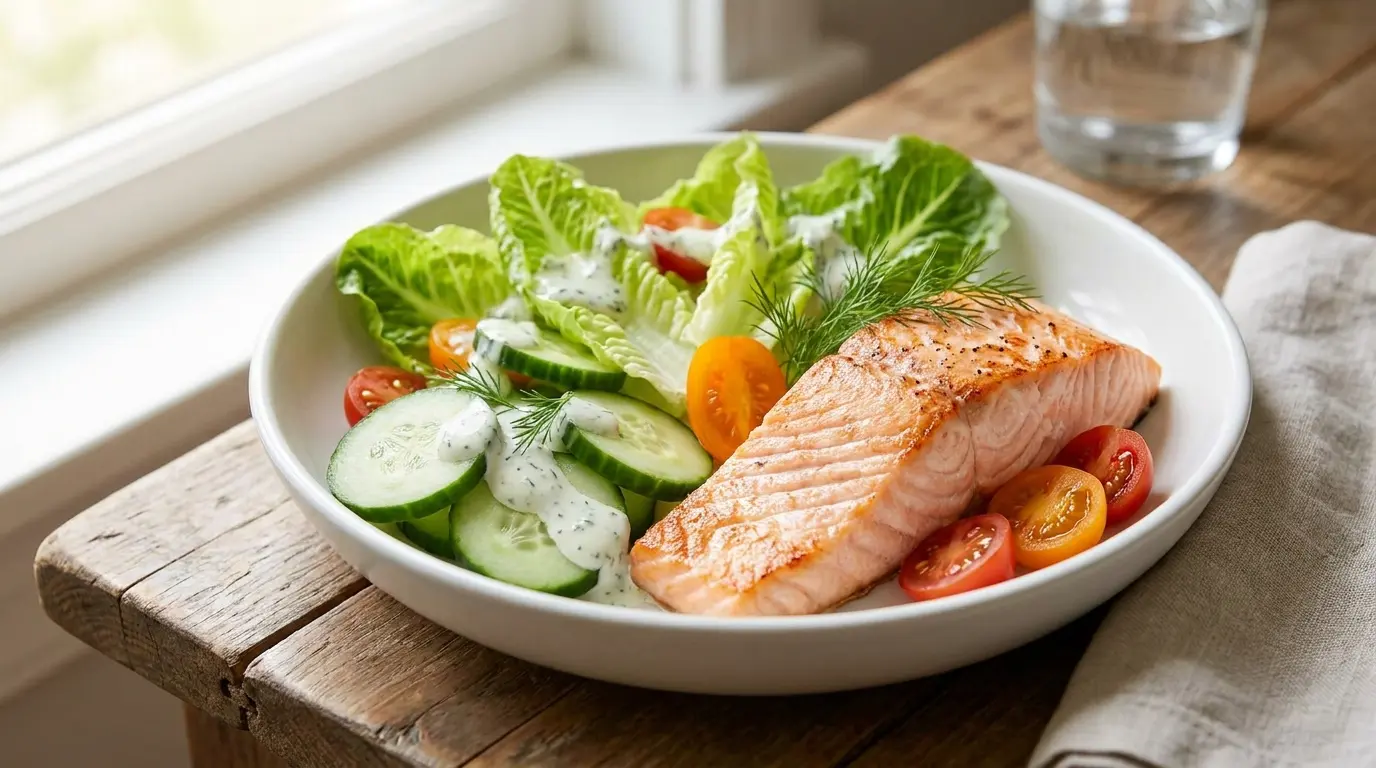
Place cooked salmon over cucumber, romaine, and cherry tomatoes, then drizzle with a light Greek yogurt herb sauce made with dill and lemon.
Measure the salmon portion carefully because salmon is richer in fat than white fish. The healthy fats are valuable, but the calories add up faster than with chicken or shrimp. This bowl provides protein, omega-3 fatty acids, and freshness in one balanced plate.
- Calories: 380 kcal
- Protein: 34g
- Carbs: 12g
- Fat: 20g
18. Lean Beef Taco Salad
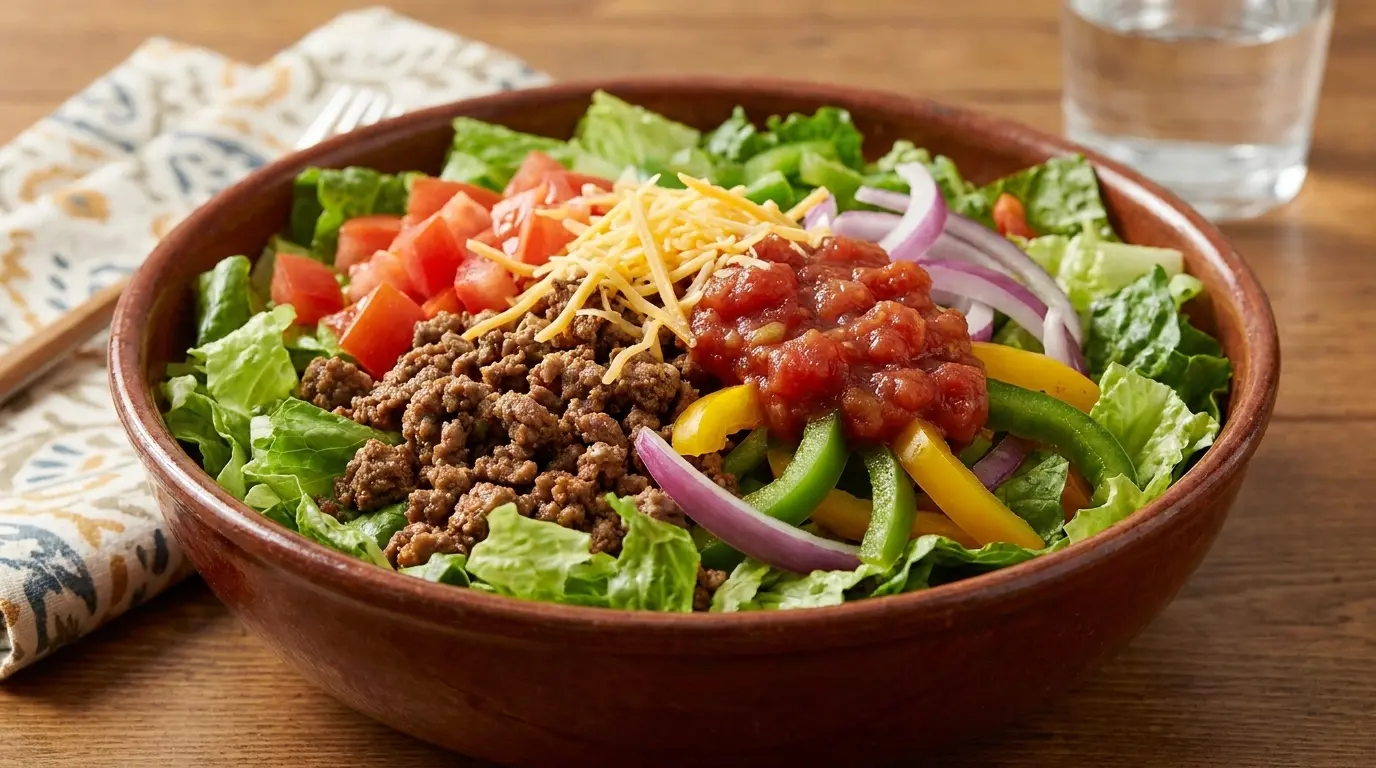
Brown extra-lean ground beef (96/4) with taco seasoning, then serve over romaine, tomatoes, onions, bell peppers, salsa, and a small sprinkle of reduced-fat cheese.
Extra-lean ground beef at 96/4 provides roughly 22g of protein per 100g at 152 calories, which is similar to chicken breast but with more iron and zinc. Lettuce replaces the fried taco shell entirely.
- Calories: 350 kcal
- Protein: 34g
- Carbs: 18g
- Fat: 14g
19. Chicken Caesar Lettuce Bowl
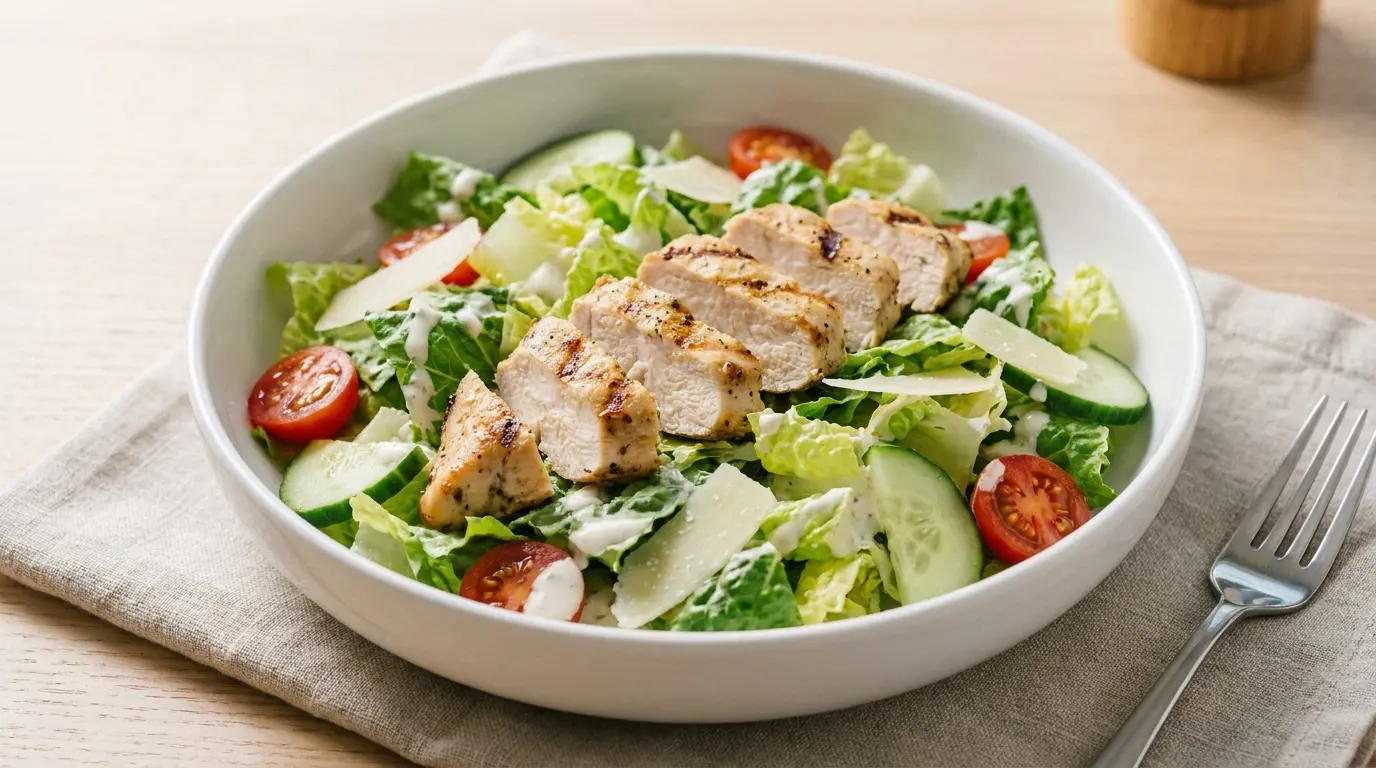
Top chopped romaine with grilled chicken, shaved parmesan, cucumber, cherry tomatoes, and a light Caesar-style yogurt dressing. Use a measured tablespoon of parmesan for the flavor hit without the calorie climb of a full cheese coating.
Skip croutons or use a small handful for crunch only. This bowl packs 39g of protein, the highest of any lunch in this section, at 330 calories.
- Calories: 330 kcal
- Protein: 39g
- Carbs: 12g
- Fat: 12g
The best lunch strategy is to cook the protein in bulk and vary the vegetables and sauces across the week. The same batch of grilled chicken becomes a taco salad, a lettuce wrap, and a Caesar bowl simply by changing what surrounds it.
Snacks: High Protein Bites Between Meals
Unplanned snacking is where calorie budgets break down. These options give you a protein anchor between meals so that hunger stays manageable without turning a snack into a second lunch.
20. Hard Boiled Egg Cucumber Plate
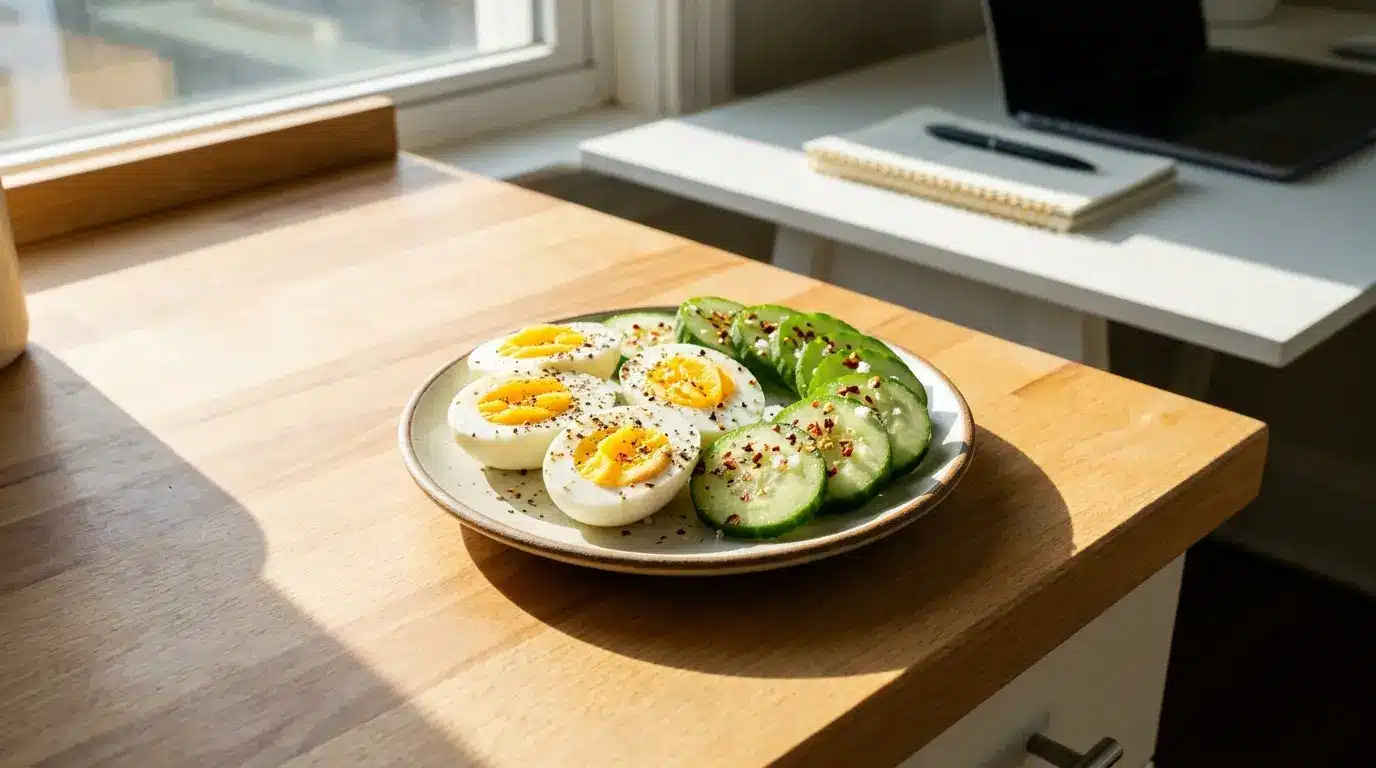
Slice hard-boiled eggs and serve them with cucumber rounds, salt, black pepper, and chili flakes. Cook six to eight eggs at the start of the week and keep them refrigerated.
Each snack takes under two minutes to assemble and provides 13g of protein alongside healthy fats from the egg yolk. Hard-boiled eggs are one of the most portable, high-protein, low-calorie foods available.
- Calories: 180 kcal
- Protein: 13g
- Carbs: 5g
- Fat: 12g
21. Cottage Cheese Celery Cups
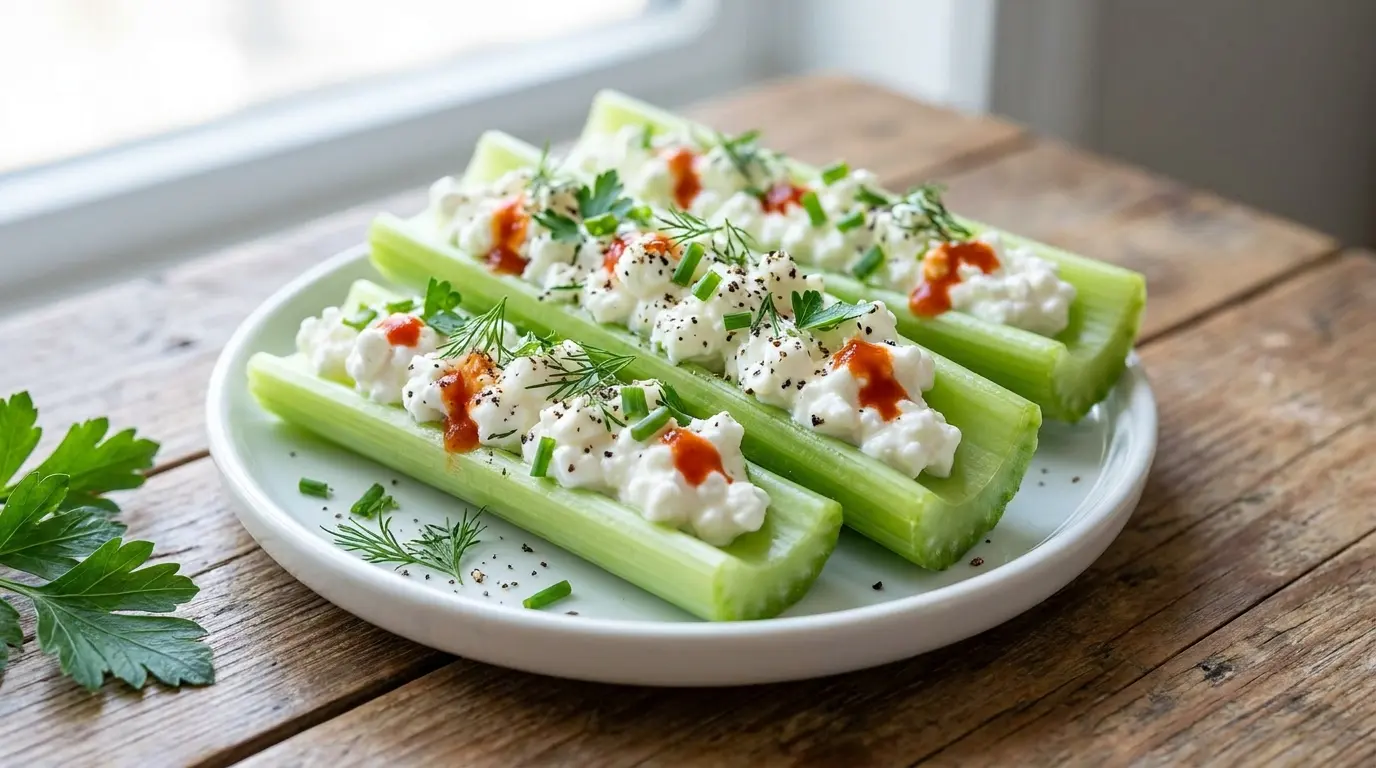
Fill celery sticks with low-fat cottage cheese and top with cracked pepper, fresh herbs, or a dash of hot sauce. Celery is nearly calorie-free, and cottage cheese adds 16g of protein at 150 total calories.
The crunch mimics chips in a way that satisfies the texture craving many people experience in the afternoon.
- Calories: 150 kcal
- Protein: 16g
- Carbs: 8g
- Fat: 5g
22. Turkey Pickle Roll Ups
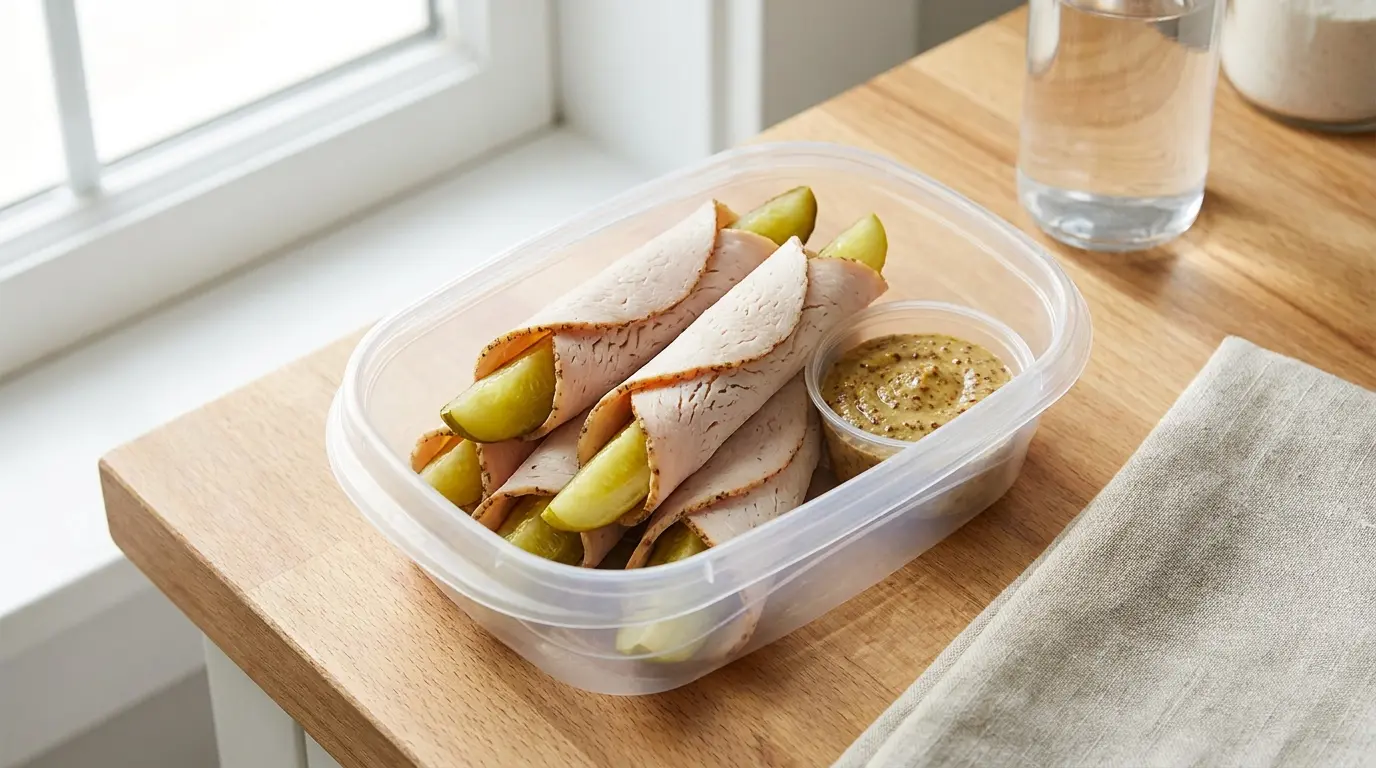
Wrap lean turkey breast slices around dill pickle spears and serve with mustard on the side. Turkey delivers 22g of protein at 160 calories with no cooking, no carbohydrates, and no prep beyond assembly.
The salty-sour combination from the pickle makes these more satisfying than plain turkey. These travel well in a small container.
- Calories: 160 kcal
- Protein: 22g
- Carbs: 6g
- Fat: 4g
23. Tuna Tomato Cups
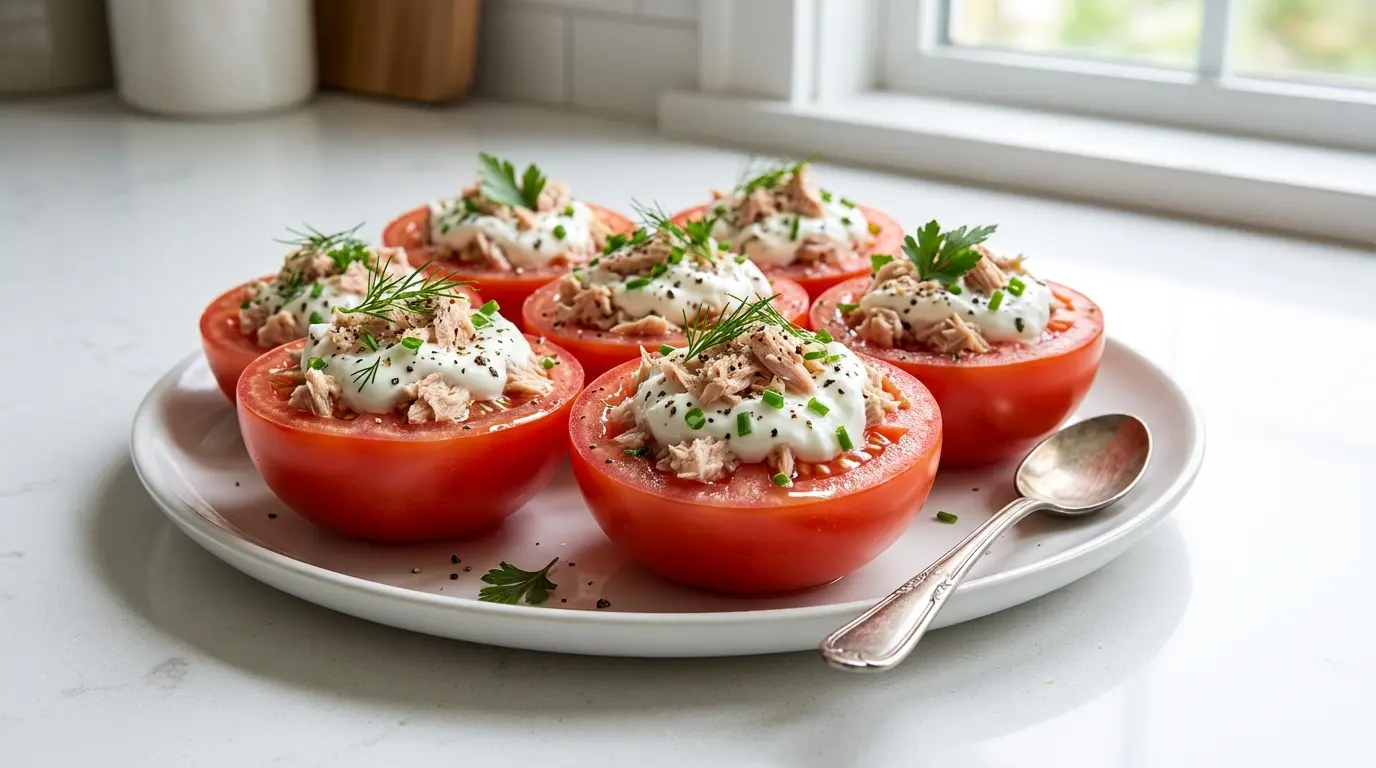
Cut firm tomatoes in half, scoop out the centers, and fill each half with tuna mixed with Greek yogurt, herbs, and black pepper.
Canned tuna in water is one of the most affordable high protein low calorie foods on the grocery shortlist. These cups deliver 25g of protein at 170 calories with no cooking required.
- Calories: 170 kcal
- Protein: 25g
- Carbs: 8g
- Fat: 3g
24. Chili Lime Edamame
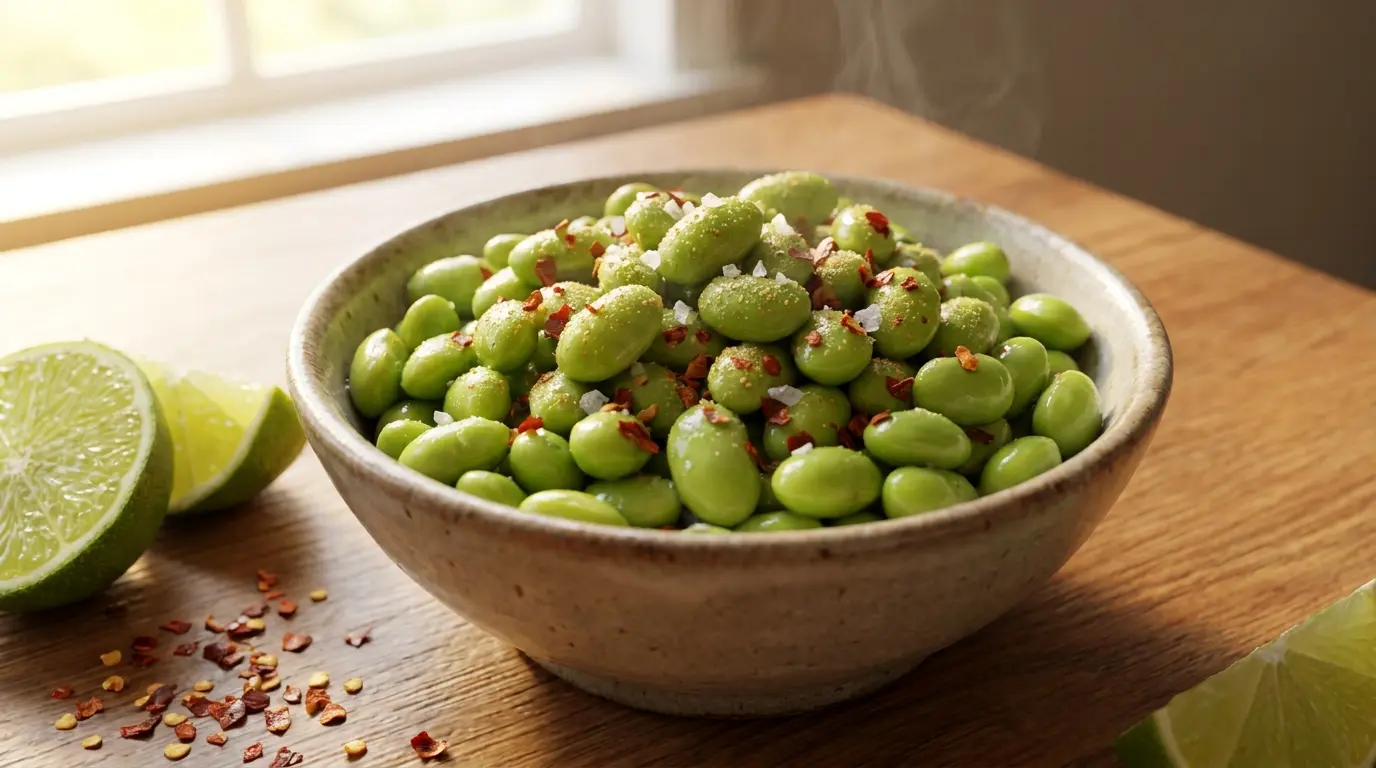
Steam shelled edamame and season with lime juice, chili flakes, garlic powder, and a small pinch of salt.
Edamame provides plant protein alongside fiber, making this snack more filling than its size suggests. At 190 calories and 17g of protein, it is a reliable plant-based option when hunger hits between meals.
- Calories: 190 kcal
- Protein: 17g
- Carbs: 15g
- Fat: 8g
25. Vanilla Cinnamon Protein Shake
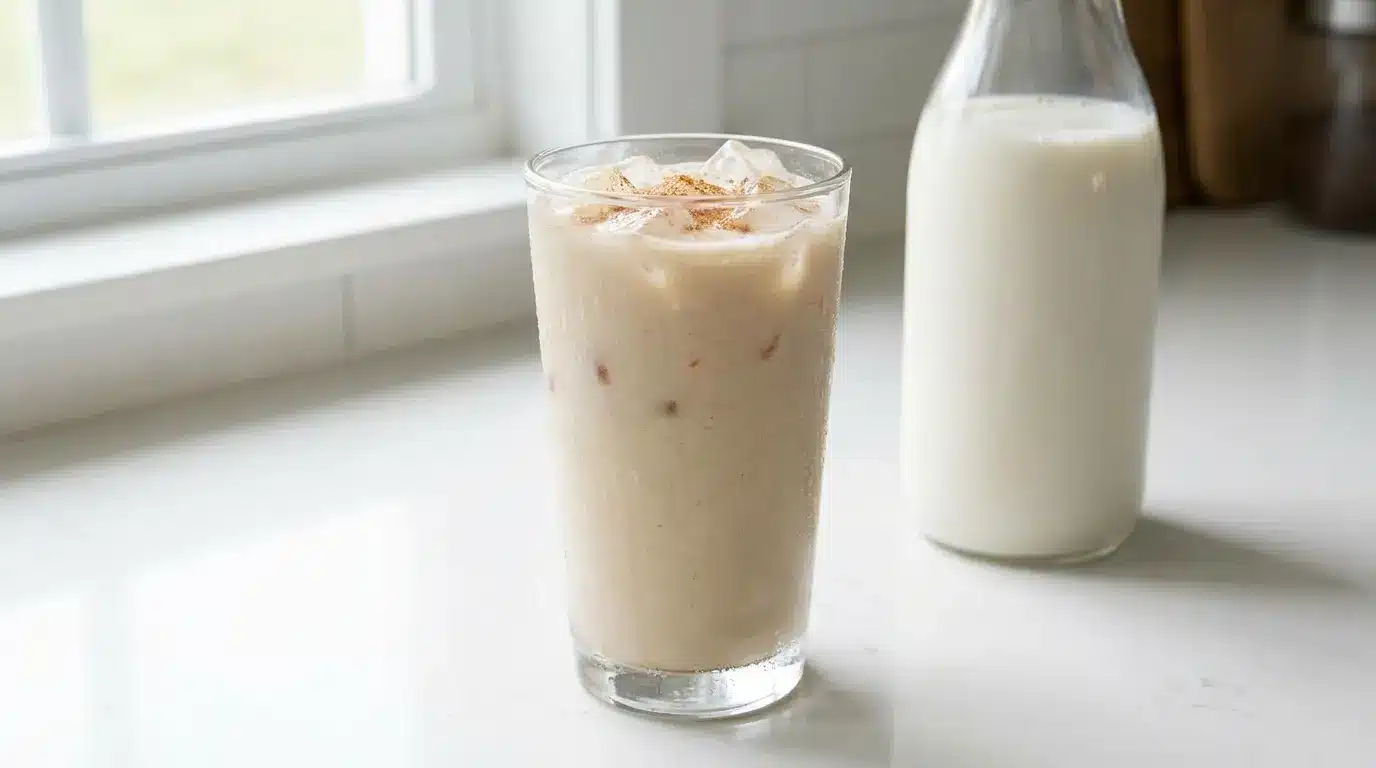
Blend vanilla protein powder with cold water or unsweetened almond milk, ice, cinnamon, and a splash of vanilla extract.
This is the fastest protein option when time is tight. 25g of protein at 140 calories leaves room in the daily budget while bridging the gap between meals reliably.
- Calories: 140 kcal
- Protein: 25g
- Carbs: 4g
- Fat: 2g
26. Chicken Cucumber Bites
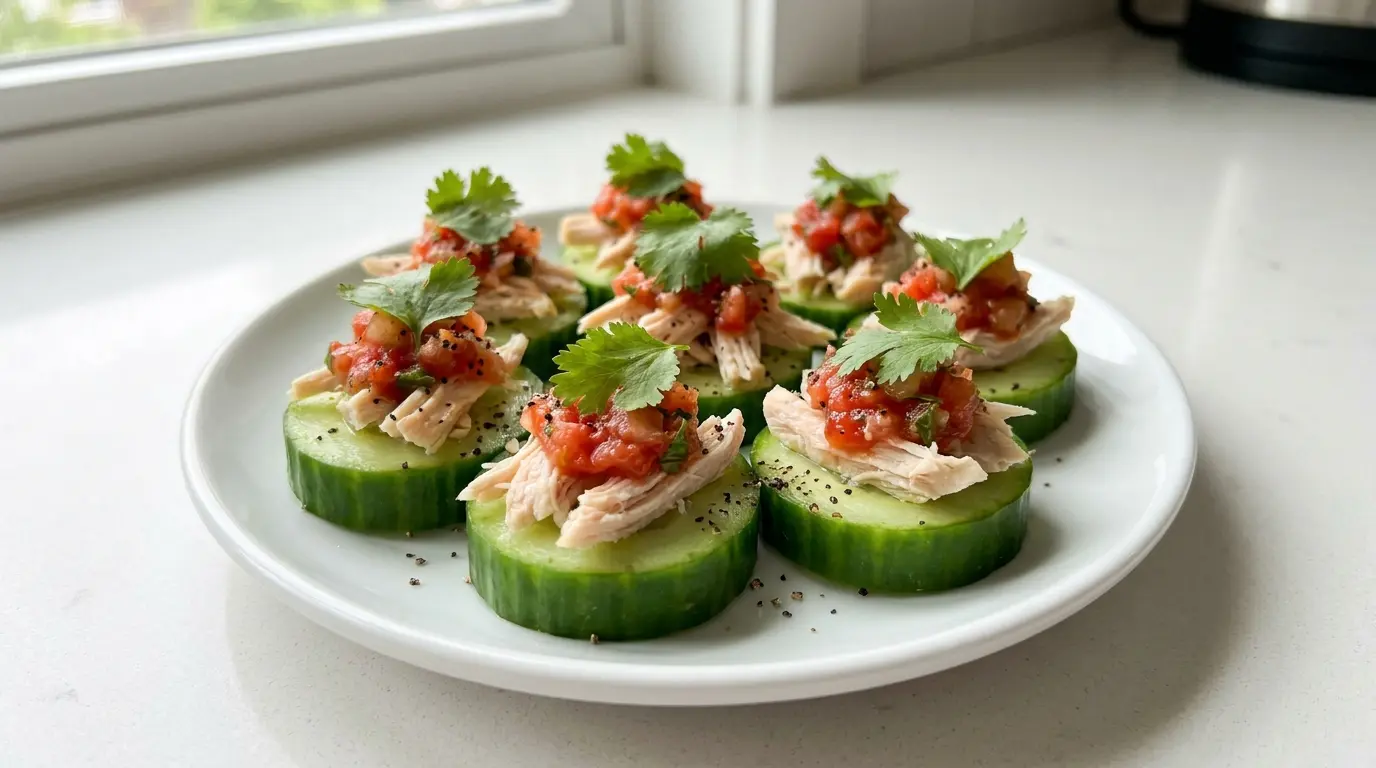
Top cucumber rounds with shredded chicken, salsa, cilantro, and black pepper. Each bite is crisp, fresh, and takes less than three minutes to build from leftover chicken.
A small plate of these provides 27g of protein at 180 calories and handles genuine afternoon hunger without pushing into a full meal portion.
- Calories: 180 kcal
- Protein: 27g
- Carbs: 7g
- Fat: 4g
27. Roasted Chickpea Portion Pack
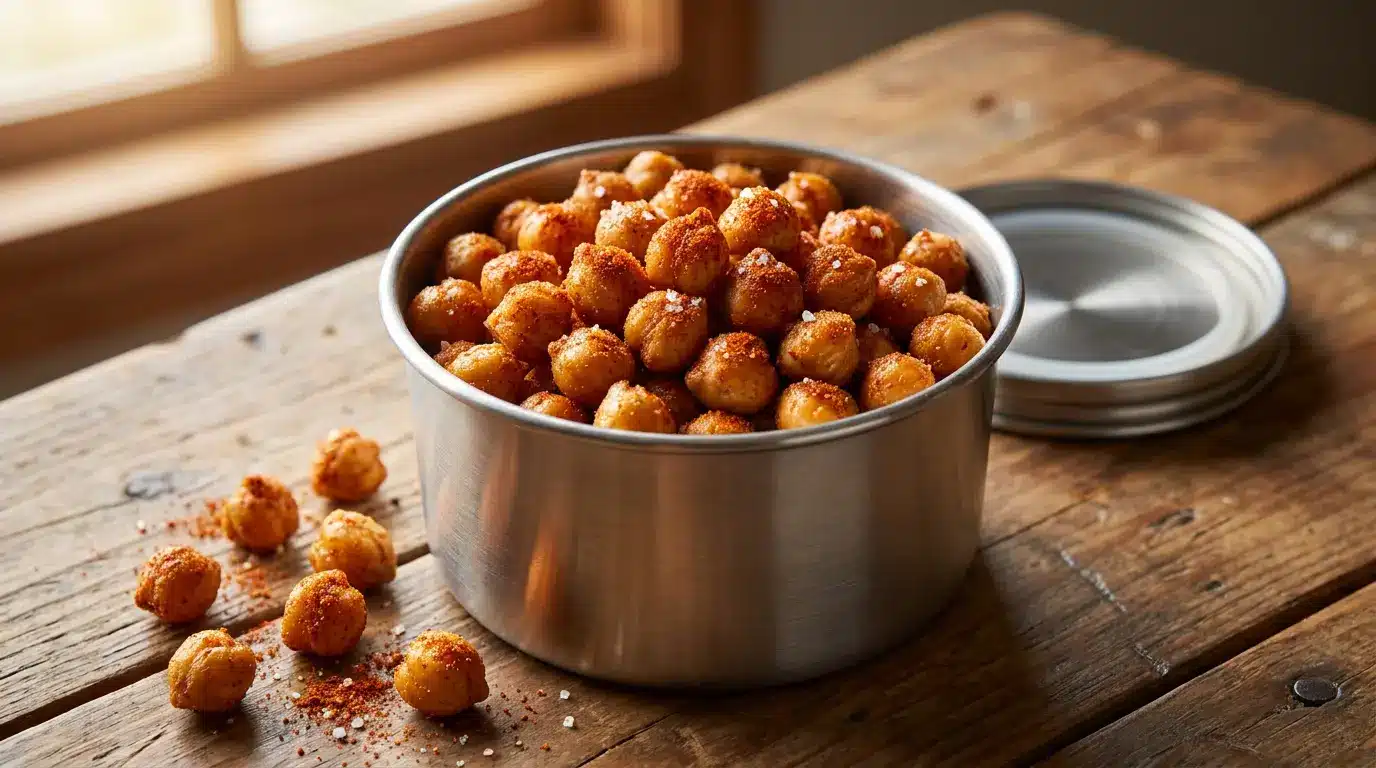
Roast chickpeas with paprika, cumin, garlic powder, and a small amount of salt until crisp. Pre-portion into individual containers because chickpeas are calorie-dense once the volume is large.
At 210 calories per measured serving with 10g of protein and significant fiber, these satisfy the craving for something crunchy without reaching for ultra-processed snacks.
- Calories: 210 kcal
- Protein: 10g
- Carbs: 32g
- Fat: 5g
28. Shrimp Cocktail Bowl
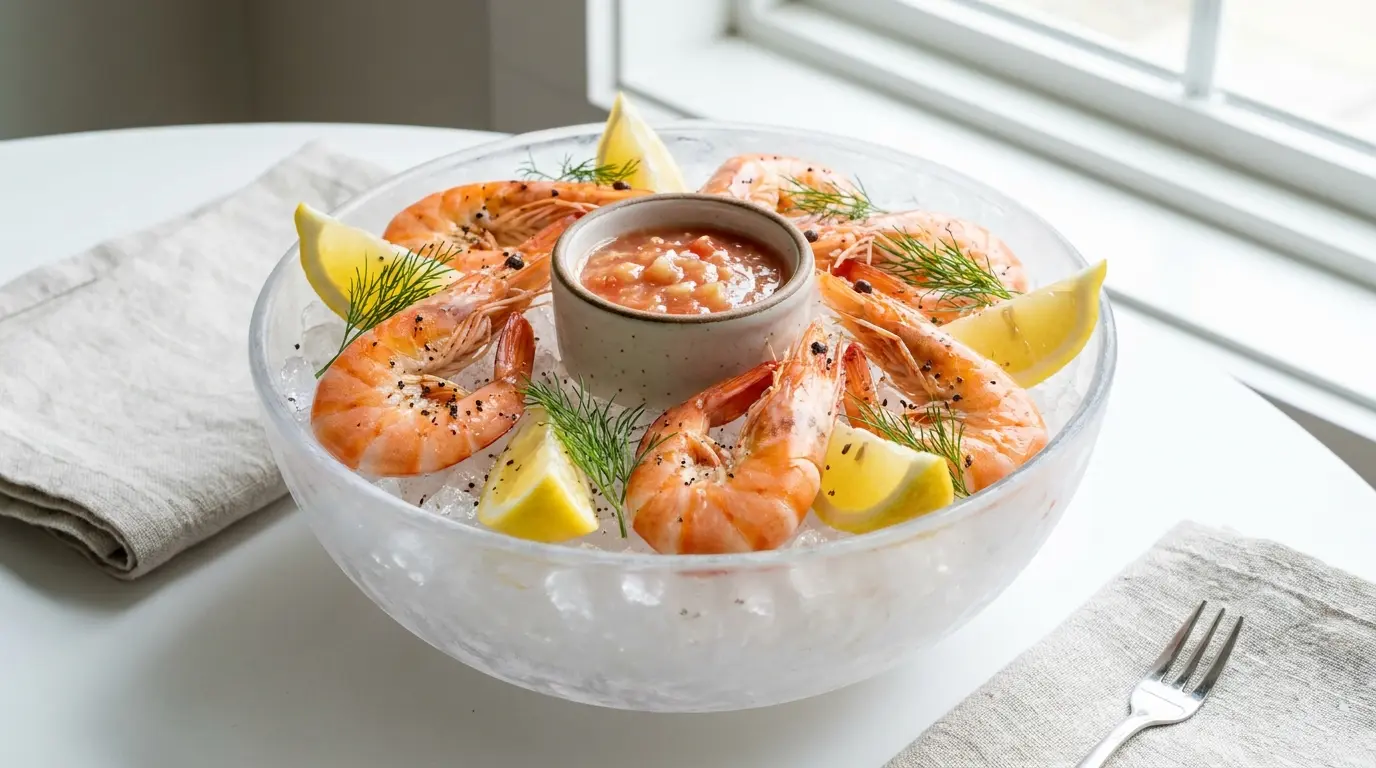
Serve chilled shrimp with lemon juice, black pepper, and a light tomato-based dipping sauce. Shrimp delivers 28g of protein at just 150 calories for a small bowl.
It is naturally low in fat and carries enough flavor on its own that the sauce is genuinely optional. This snack breaks the monotony of the usual egg-yogurt-cottage cheese rotation.
- Calories: 150 kcal
- Protein: 28g
- Carbs: 6g
- Fat: 1g
Planning snacks ahead, even loosely, reduces the chance of reaching for something random when hunger becomes urgent. A small container of pre-portioned protein changes the default from processed food to whole food.
Dinner: Satisfying High Protein Low Calorie Meals to End Your Day
Evening meals should feel complete without being heavy. These dinners use lean protein, warm vegetables, and simple seasoning to close out the day’s calories without overbuilding the plate.
29. Garlic Shrimp Zucchini Noodles
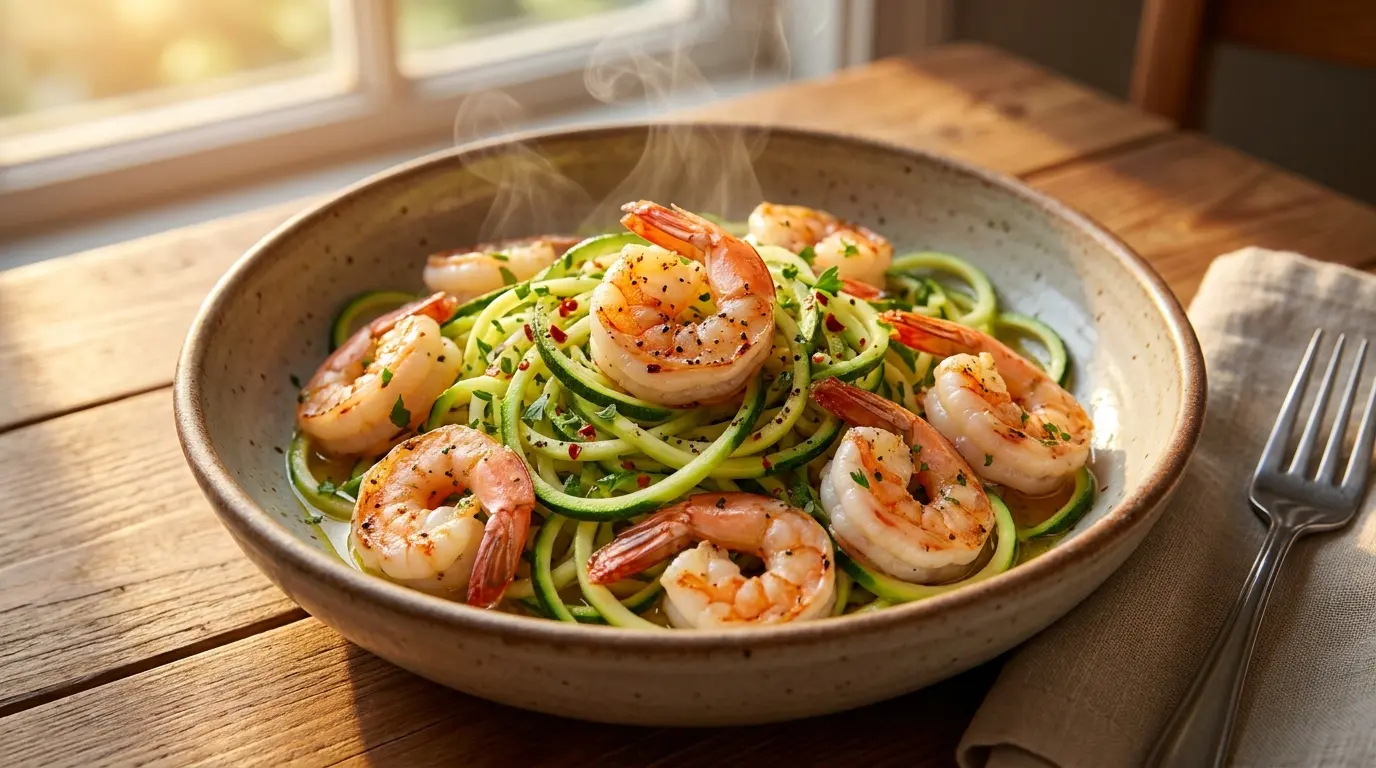
Cook shrimp with garlic, lemon juice, black pepper, and chili flakes, then toss with spiralized zucchini. Zucchini creates a full bowl at roughly 30 calories per cup, which means the entire plate feels generous without pushing calories high.
Shrimp cooks in under five minutes. This is a practical high protein low calorie dinner for busy weeknights.
- Calories: 260 kcal
- Protein: 35g
- Carbs: 14g
- Fat: 6g
30. Tilapia Broccoli Dinner Plate
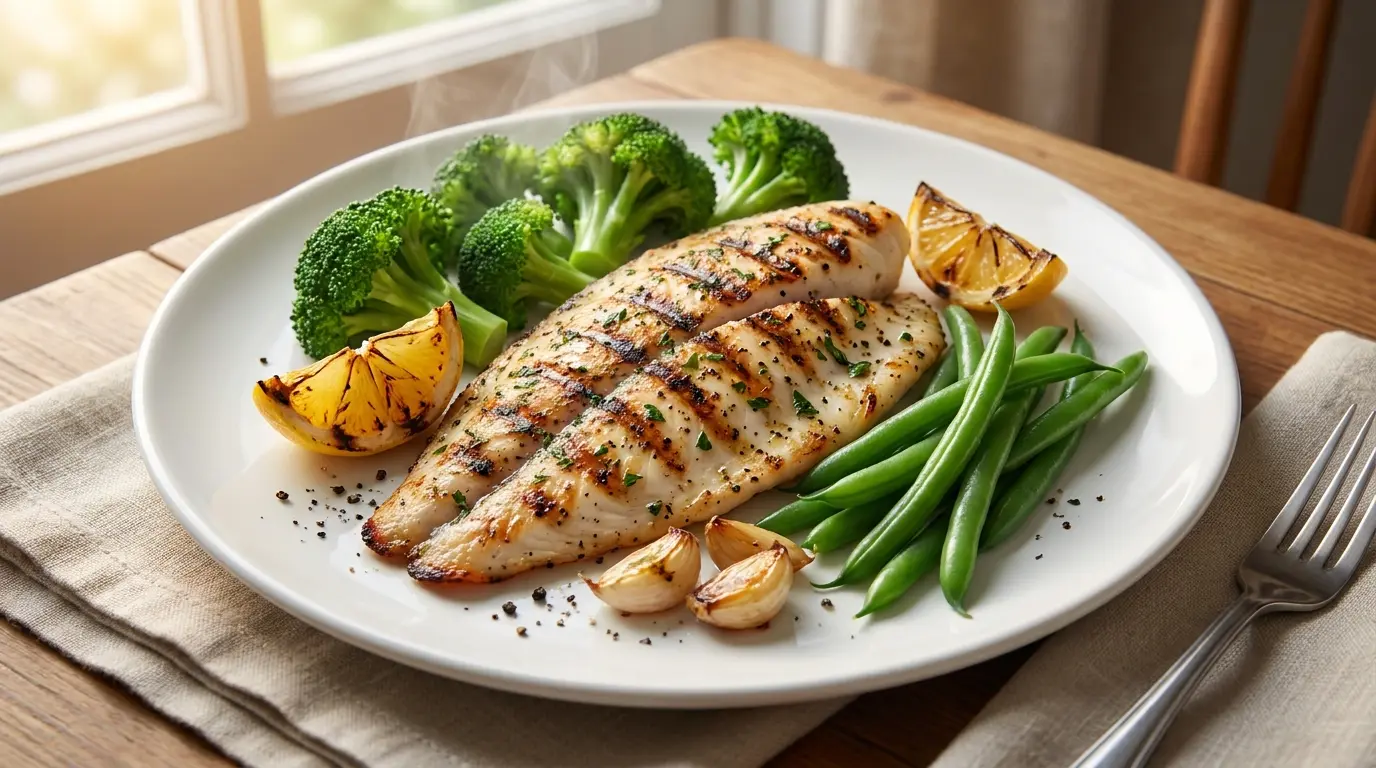
Grill tilapia with lemon, herbs, garlic, and black pepper, then serve with steamed broccoli and green beans. Tilapia is one of the leanest protein sources available, with 20g of protein per 100g at just 96 calories.
Combined with broccoli, which is high in fiber and vitamins C and K, this plate delivers 38g of protein at 280 calories. The flavors are clean and easy to digest in the evening.
- Calories: 280 kcal
- Protein: 38g
- Carbs: 16g
- Fat: 6g
31. Chicken Cauliflower Fried Rice
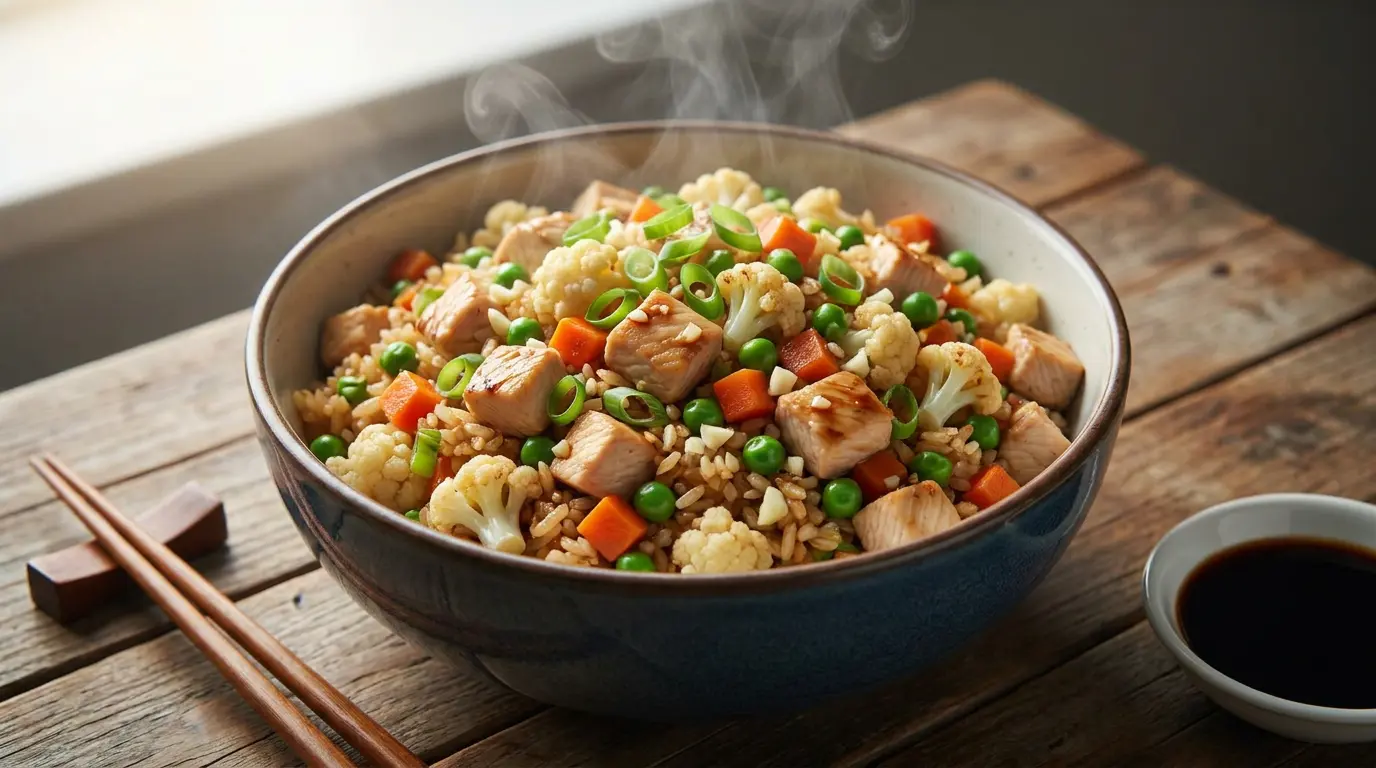
Cook chicken breast with cauliflower rice, carrots, peas, spring onion, garlic, and low-sodium soy sauce in a large pan. The flavor closely resembles traditional fried rice because the soy sauce and garlic do most of the work.
Cauliflower rice saves roughly 600 calories compared to standard rice when used as a full bowl base. At 42g of protein for 330 calories, this is the highest-protein dinner in this section.
- Calories: 330 kcal
- Protein: 42g
- Carbs: 22g
- Fat: 8g
32. Turkey Meatballs with Zucchini Noodles
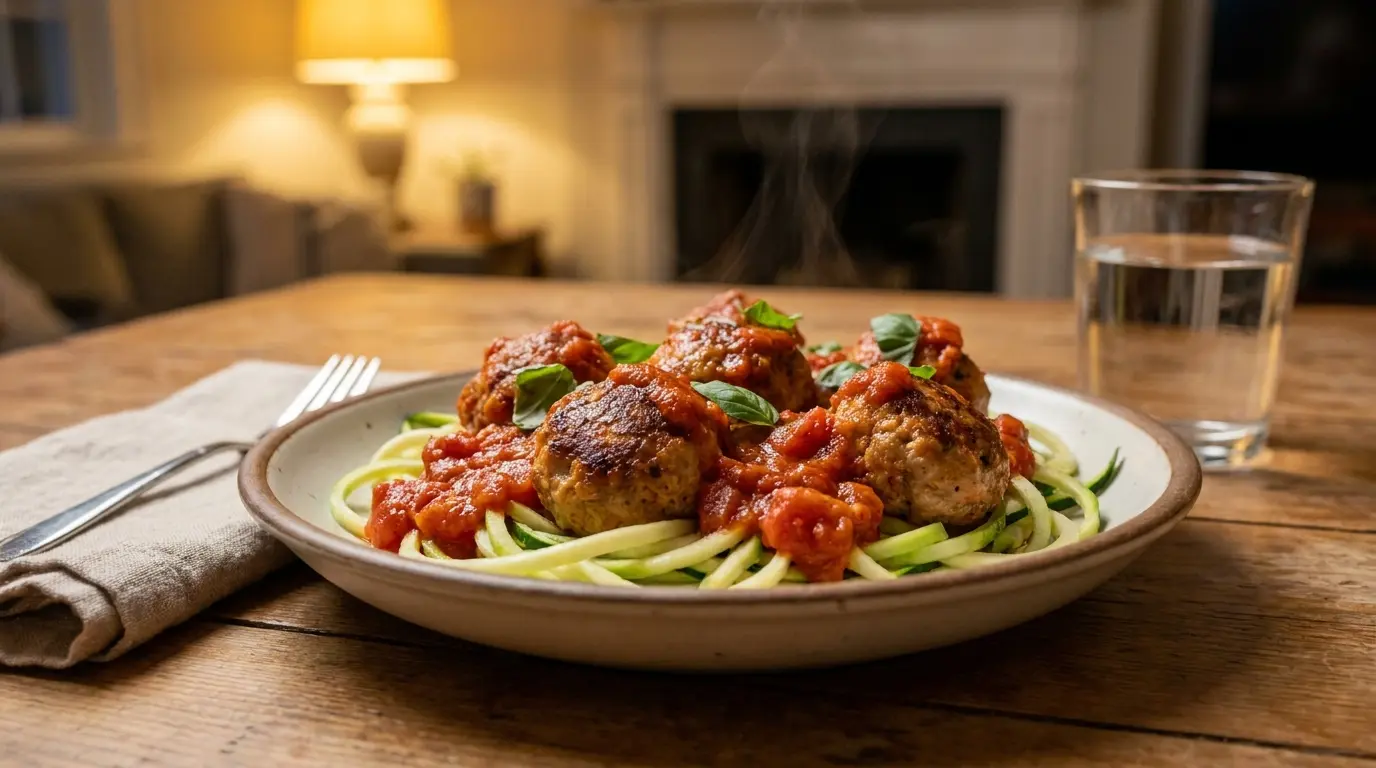
Shape lean turkey mince with egg, garlic, herbs, and pepper into small meatballs. Cook in tomato marinara sauce and serve over spiralized zucchini. The plate looks like pasta night and feels like comfort food at 350 calories.
Turkey meatballs also reheat cleanly the next day, making this an excellent choice for weekly meal prep.
- Calories: 350 kcal
- Protein: 36g
- Carbs: 18g
- Fat: 14g
33. Cod Tomato Spinach Skillet
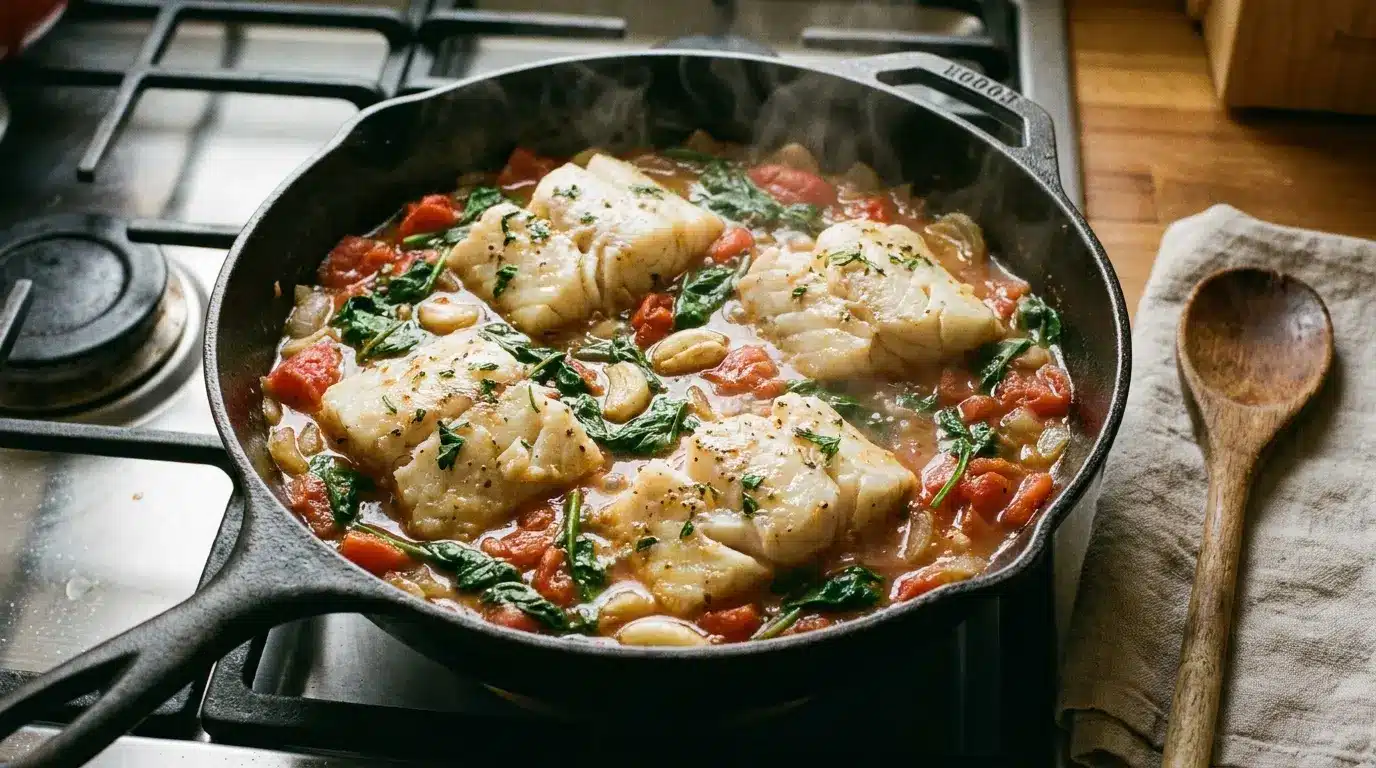
Simmer cod with chopped tomatoes, spinach, garlic, onion, herbs, and a small amount of broth until tender. Cod is a soft, mild white fish that absorbs the tomato and herb base well, making the dish feel sauced and complete without added fat.
At 37g of protein for 270 calories, this skillet is easy on digestion and genuinely satisfying on moderate appetite evenings.
- Calories: 270 kcal
- Protein: 37g
- Carbs: 15g
- Fat: 6g
34. Lemon Herb Chicken with Asparagus
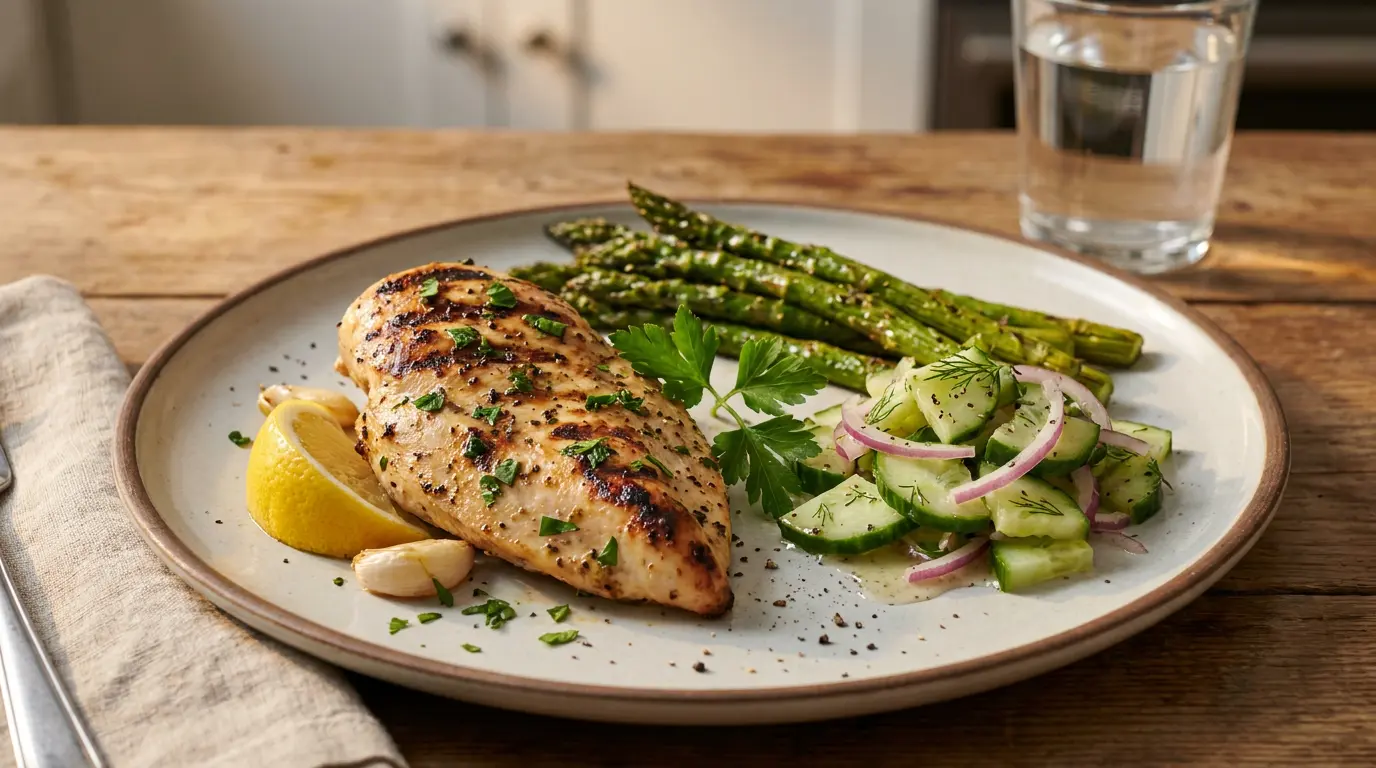
Grill chicken breast with lemon juice, garlic, parsley, and black pepper. Serve with asparagus and a cucumber salad. Asparagus is high in folate, vitamins K and C, and natural prebiotic fiber.
The combination of bright herbs and lemon makes this dinner feel fresh rather than plain. 43g of protein at 320 calories makes it the second-highest protein dinner on the list.
- Calories: 320 kcal
- Protein: 43g
- Carbs: 12g
- Fat: 9g
35. Turkey Stuffed Bell Peppers
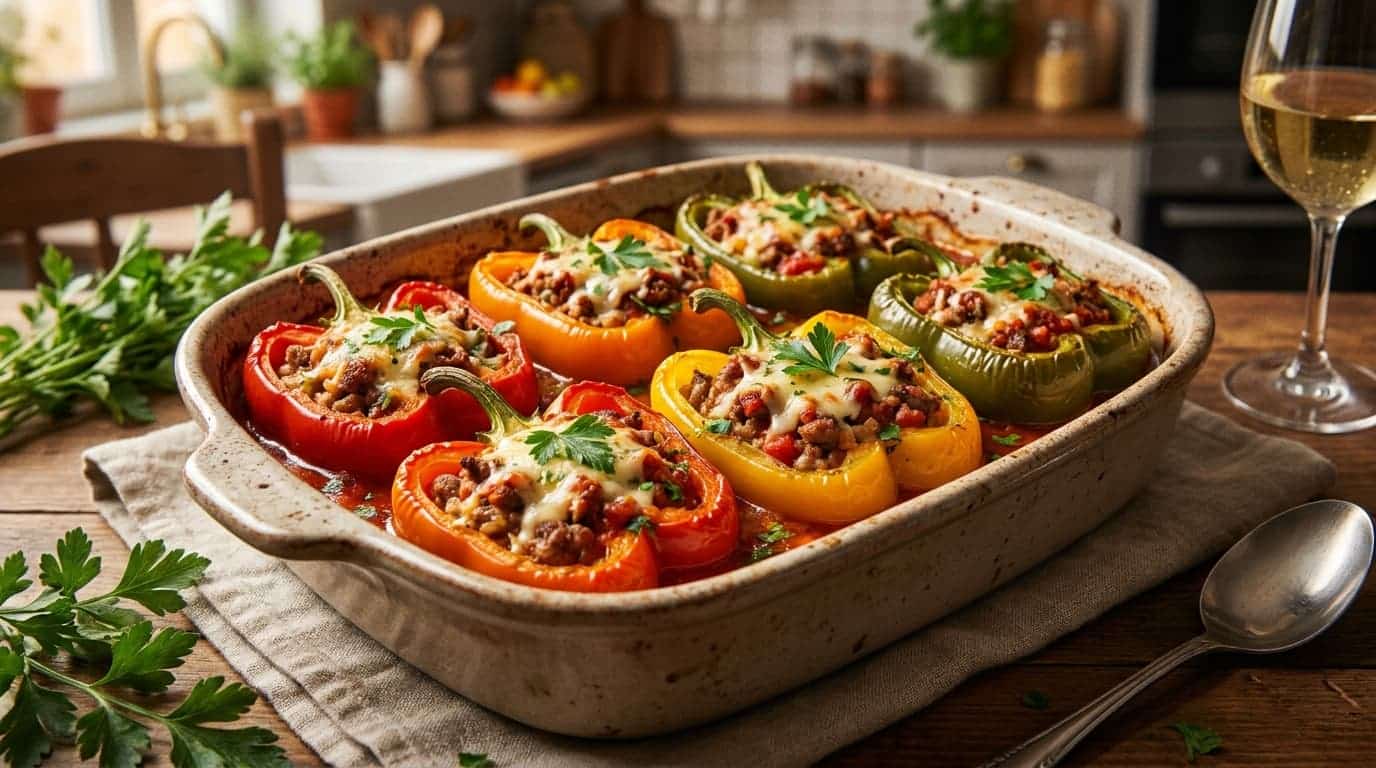
Fill bell peppers with lean turkey mince, tomato sauce, onion, herbs, and cauliflower rice. Bake at 375°F until the peppers are tender and the filling is juicy, about 25–30 minutes.
Each pepper is a self-contained portion, which makes calorie tracking straightforward. The colors and presentation make this feel like an event meal while staying within a calorie-controlled plan.
- Calories: 340 kcal
- Protein: 34g
- Carbs: 24g
- Fat: 11g
36. Salmon Cabbage Slaw Plate
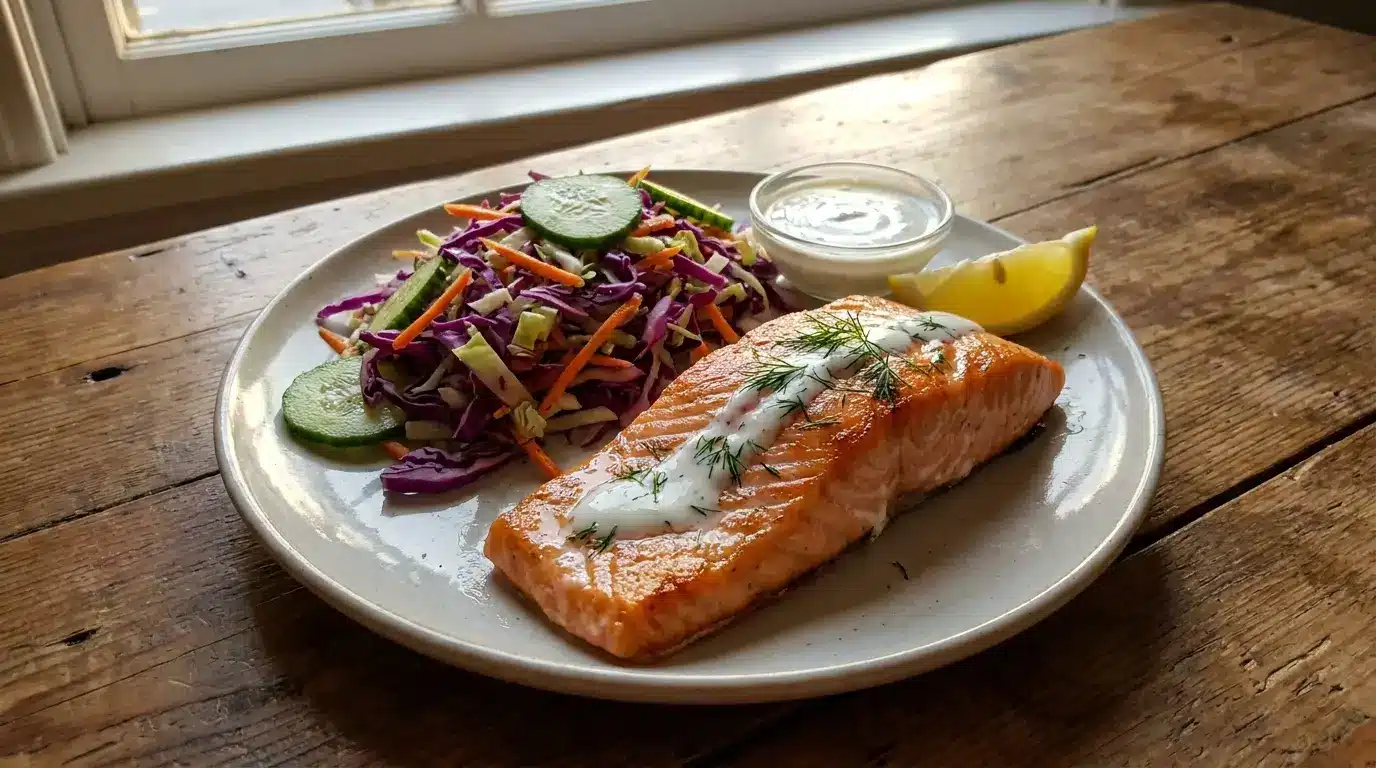
Serve a measured salmon fillet with cabbage slaw, cucumber, lemon, and a light yogurt dressing. Salmon is richer in fat than white fish, so the crisp cabbage slaw balances the plate texturally and calorically.
You get protein alongside meaningful omega-3 fatty acid content, which supports both cardiovascular health and inflammation reduction, according to research published by the American Heart Association.
- Calories: 390 kcal
- Protein: 35g
- Carbs: 14g
- Fat: 21g
37. Chicken Mushroom Cabbage Skillet
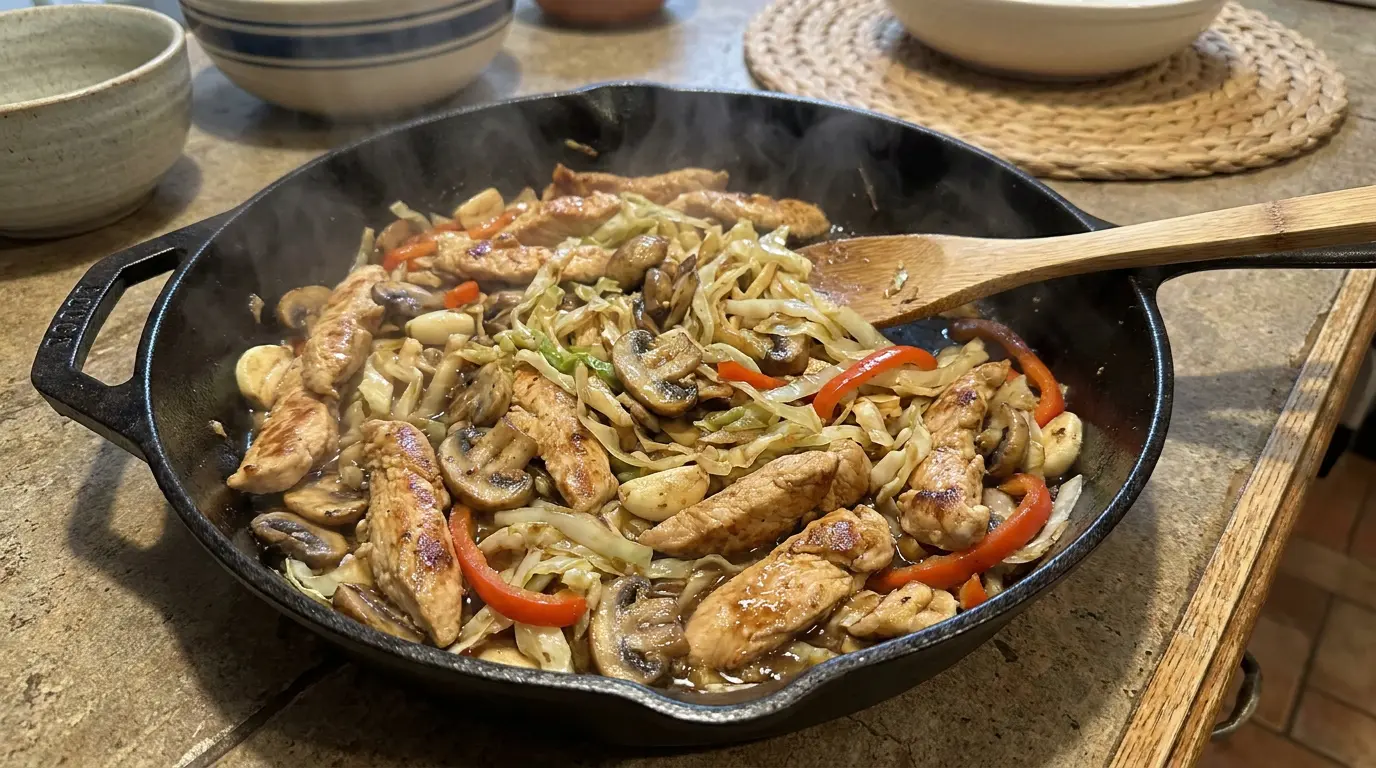
Cook chicken strips with mushrooms, cabbage, garlic, and pepper, then finish with a splash of low-sodium soy sauce. The mushrooms and cabbage soften into a savory base that looks generous on the plate.
At 40g of protein for 310 calories, this skillet is one of the most filling high protein low calorie dinners relative to its calorie cost.
- Calories: 310 kcal
- Protein: 40g
- Carbs: 17g
- Fat: 8g
38. Shrimp Egg Drop Soup
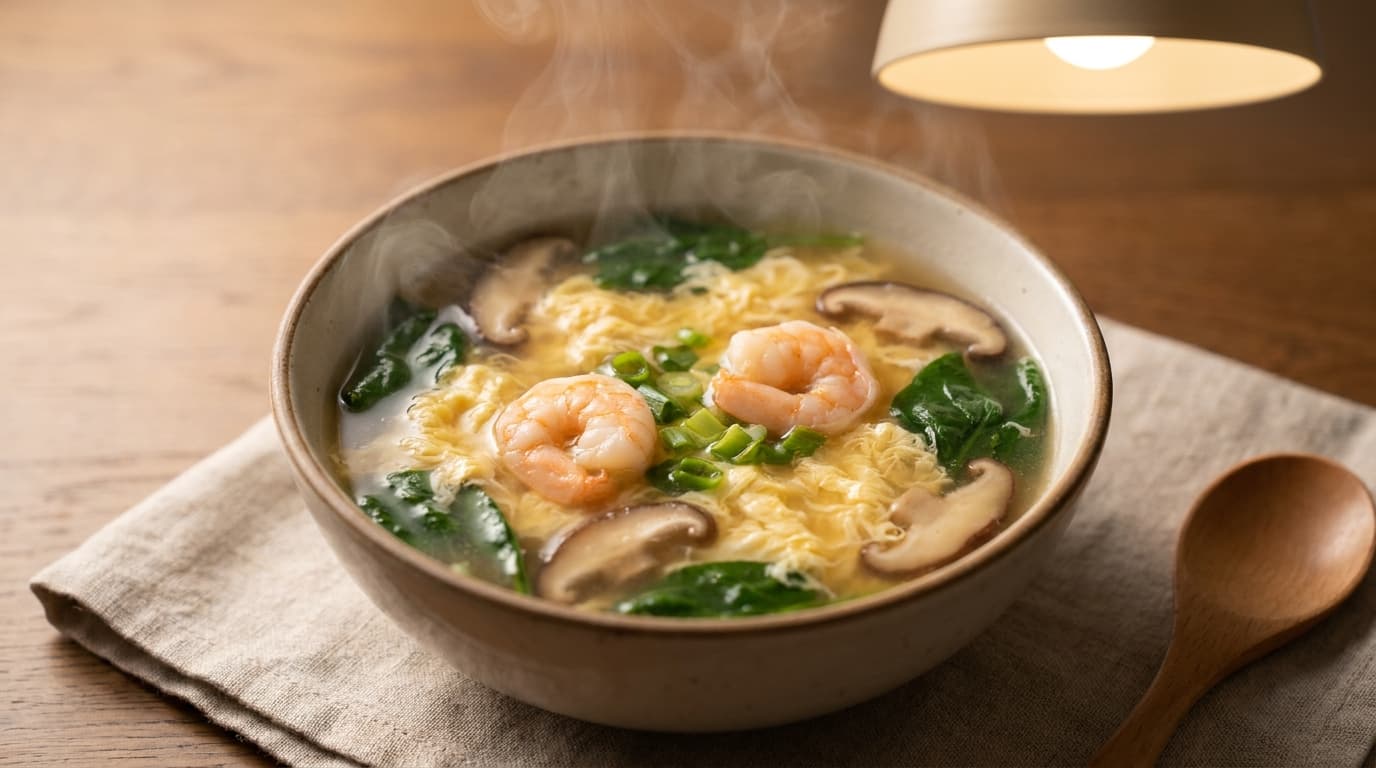
Add shrimp, egg ribbons, spinach, mushrooms, and spring onion to clear broth. Bring to a simmer and drizzle beaten egg whites slowly into the hot broth while stirring.
The soup feels light but still provides protein from both shrimp and eggs. It is a reliable choice on evenings when appetite is lower or after a heavier lunch, where a full dinner plate would push daily calories over target.
- Calories: 240 kcal
- Protein: 32g
- Carbs: 9g
- Fat: 8g
The consistent pattern across these dinners is that vegetables do the heavy lifting for plate volume and satiety, while lean proteins anchor the macros. Measure cooking oil and sauces carefully because those are where calories accumulate invisibly.
Vegetarian High Protein Low Calorie Meals
Vegetarian protein sources require more planning than animal proteins because most plant proteins come with more carbohydrates attached. The meals below are built around lentils, tofu, paneer, cottage cheese, edamame, and tempeh, all sources that can reach meaningful protein totals when portions are thoughtful.
39. Ricotta Stuffed Portobello Mushrooms
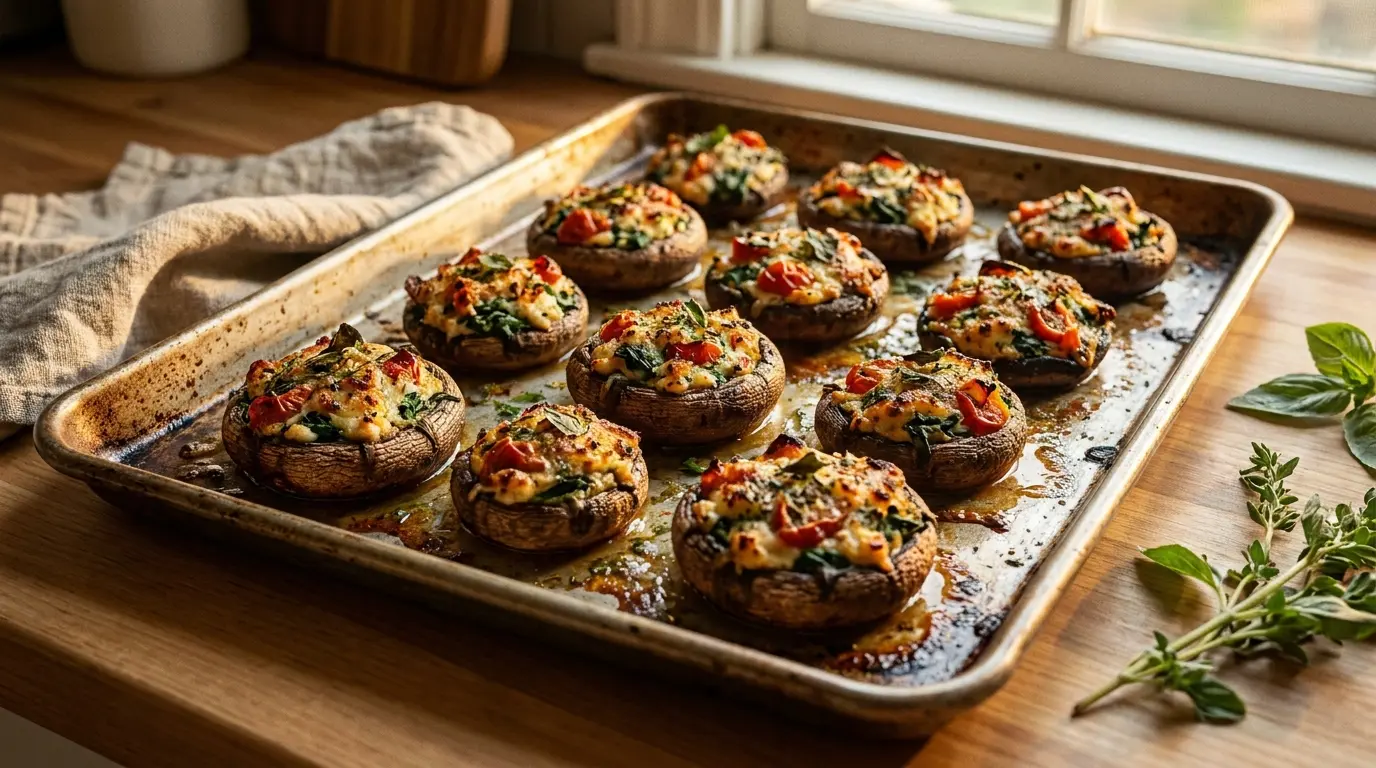
Fill portobello mushroom caps with low-fat ricotta, spinach, garlic, tomato, and Italian herbs. Bake until the mushrooms are tender and the filling is set.
Portobellos have a naturally meaty texture that makes this feel more substantial than a typical vegetarian dish. Serve with a side salad for a complete plate at 300 calories.
- Calories: 300 kcal
- Protein: 22g
- Carbs: 18g
- Fat: 14g
40. Tofu Broccoli Stir Fry
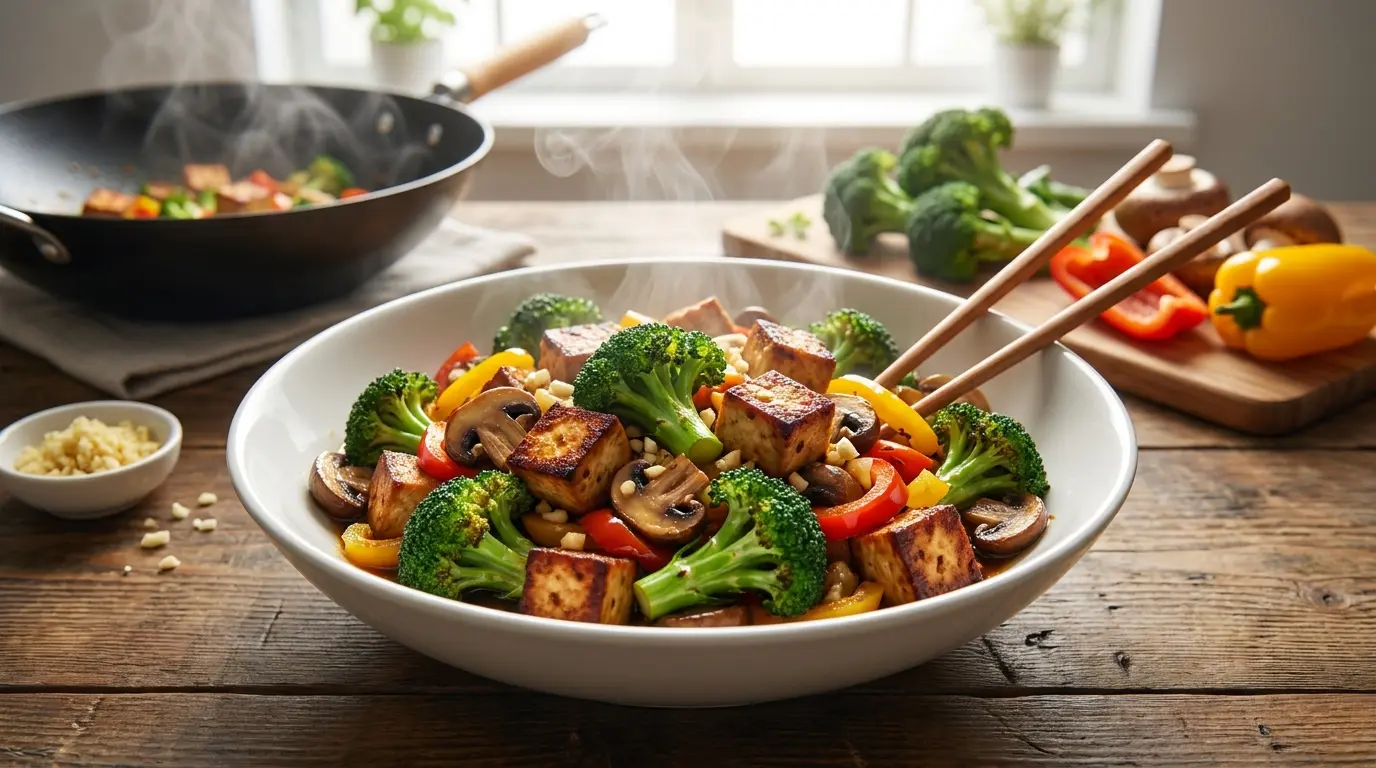
Press firm tofu for at least 15 minutes before cooking so it browns rather than steams. Cook with broccoli, mushrooms, bell peppers, garlic, ginger, and a light soy-based sauce.
Pressing and high-heat cooking are the two steps most people skip, and they are what determine whether tofu feels like a satisfying protein or an afterthought. At 22g of protein for 280 calories, this works as either lunch or dinner.
- Calories: 280 kcal
- Protein: 22g
- Carbs: 18g
- Fat: 13g
41. Greek Tofu Salad Bowl
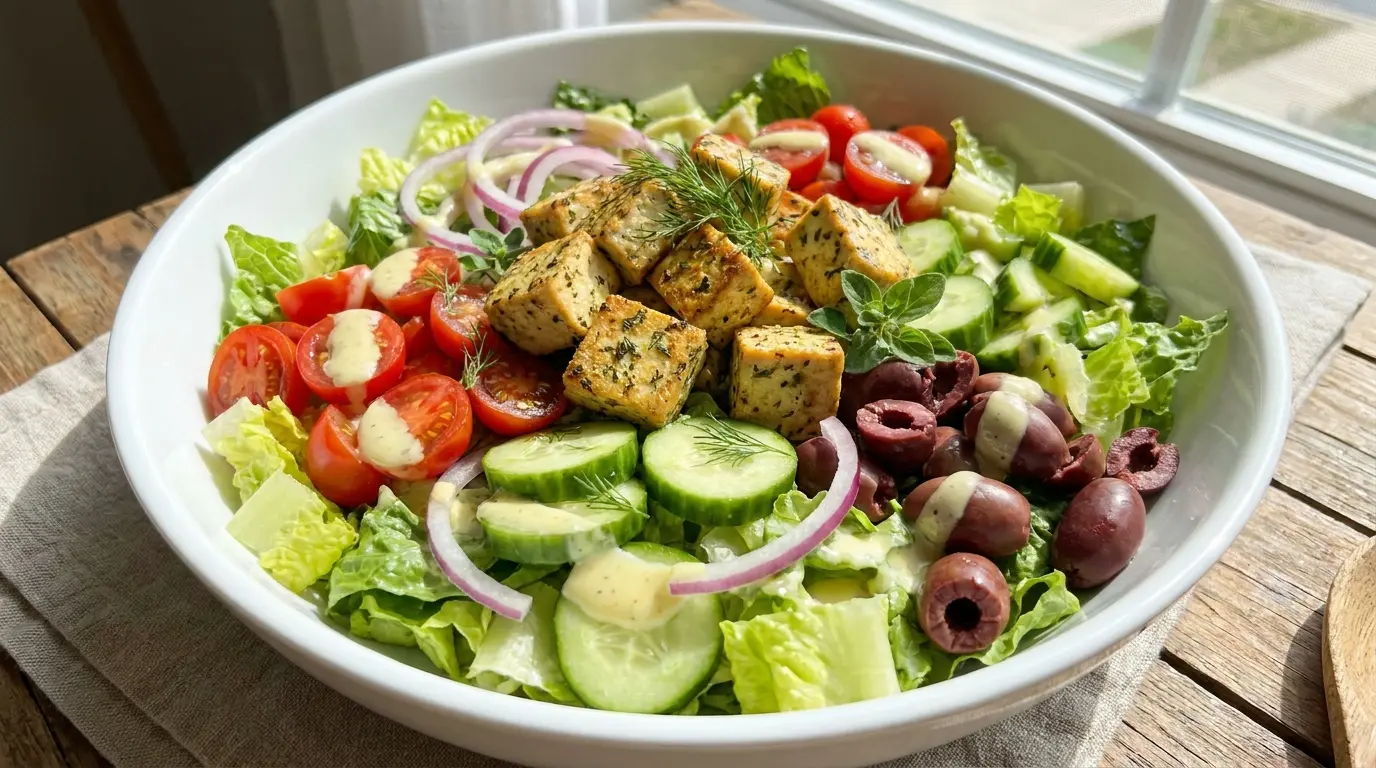
Toss baked tofu cubes with chopped romaine, cucumber, cherry tomatoes, red onion, and olives, then drizzle with a light lemon yogurt dressing.
Bake the tofu at 400°F for 20 minutes before adding to the salad so it holds its shape and has some chew. The Greek-style flavors are bold enough to make this cold salad genuinely satisfying for lunch prep.
- Calories: 300 kcal
- Protein: 24g
- Carbs: 16g
- Fat: 14g
42. Chickpea Greek Yogurt Bowl
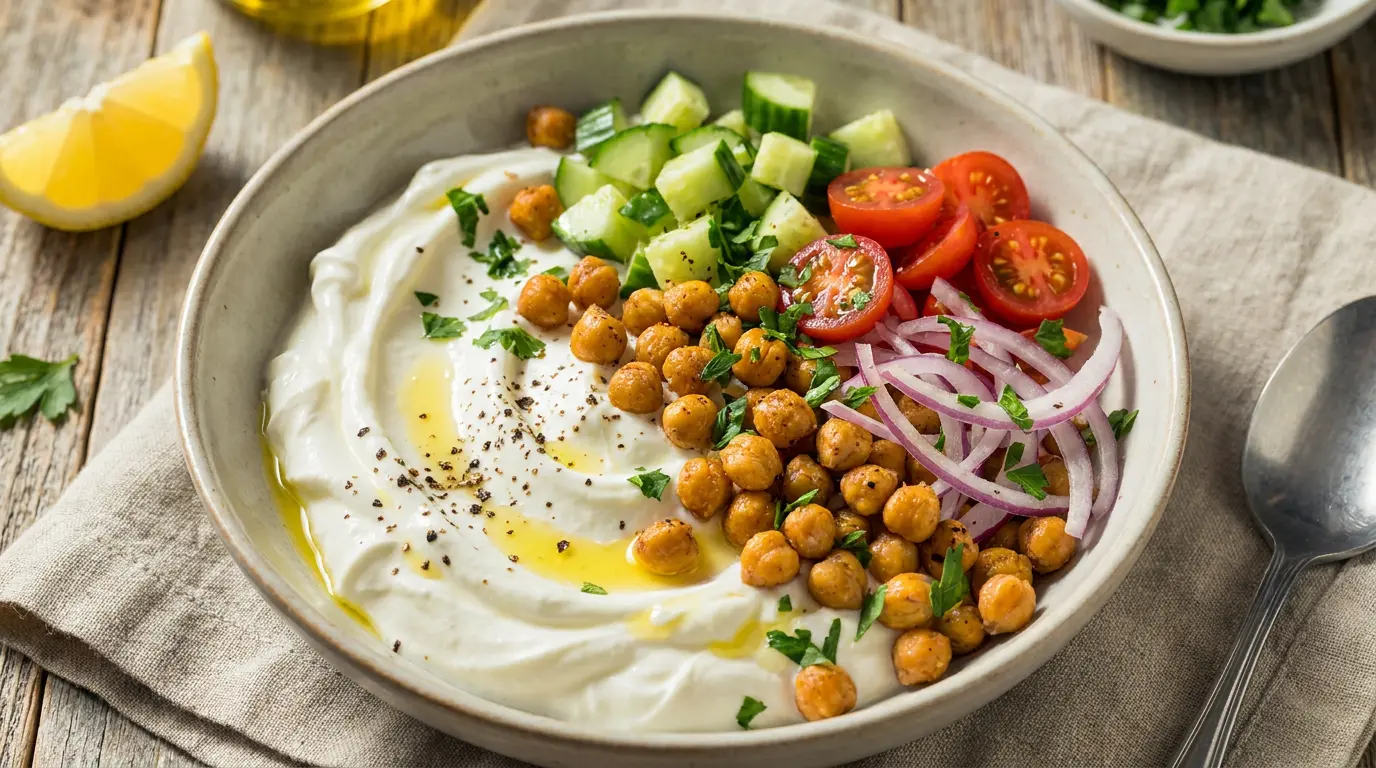
Mix a measured portion of chickpeas with Greek yogurt, cucumber, tomato, red onion, lemon juice, parsley, and black pepper. Chickpeas contribute both protein and carbohydrates, so keep the portion to around half a cup cooked to stay within the calorie range below.
Greek yogurt adds creaminess and an additional protein boost, making this bowl work without any other protein source needed.
- Calories: 340 kcal
- Protein: 22g
- Carbs: 42g
- Fat: 7g
43. Edamame Cauliflower Rice Bowl
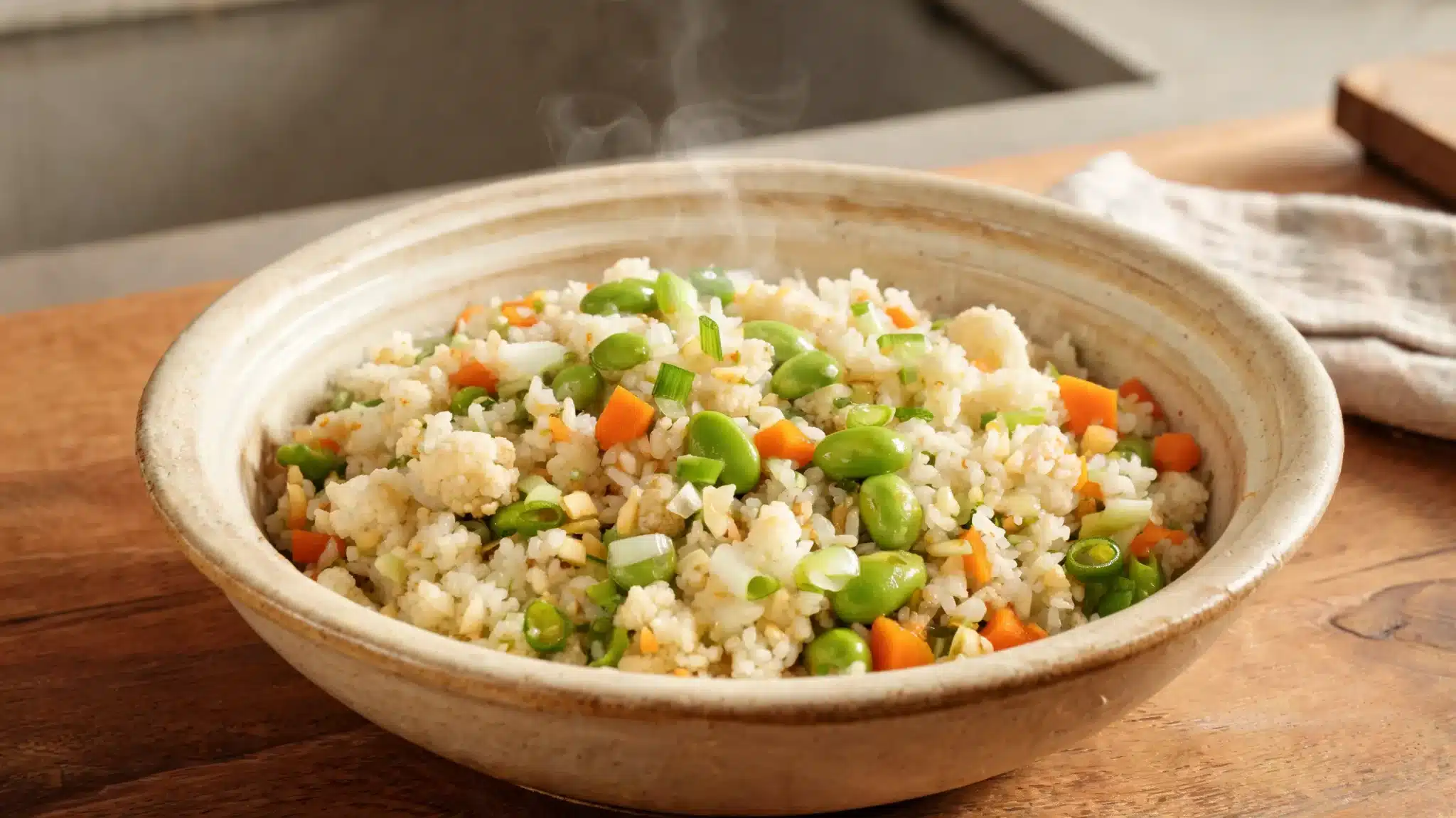
Cook cauliflower rice with shelled edamame, carrots, green onion, garlic, and a splash of low-sodium soy sauce. Edamame is one of the highest-protein plant foods per calorie, providing 11g per 100g alongside meaningful fiber.
The cauliflower base keeps this light. At 290 calories and 21g of protein, it is a practical weeknight vegetarian option that does not default to pasta or rice.
- Calories: 290 kcal
- Protein: 21g
- Carbs: 24g
- Fat: 12g
44. Tempeh Lettuce Cups
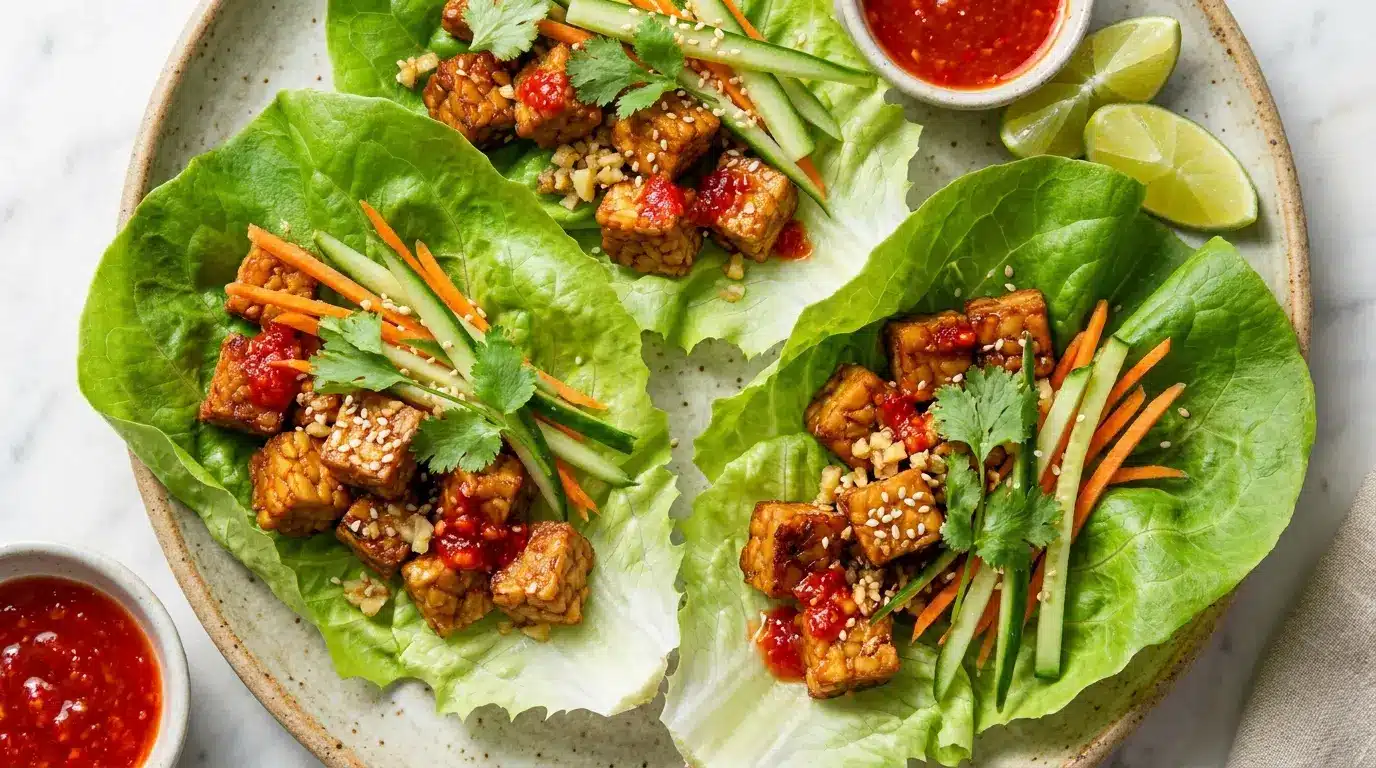
Cook tempeh cubes with garlic, ginger, chili sauce, and low-sodium soy sauce. Spoon into crisp lettuce cups and add cucumber or shredded carrot. Tempeh is fermented soy, which gives it a firmer bite and stronger protein content than regular tofu.
It is also a natural source of probiotics that support gut health. At 24g of protein for 310 calories, it is one of the more protein-dense plant options in this guide.
- Calories: 310 kcal
- Protein: 24g
- Carbs: 18g
- Fat: 15g
45. Cottage Cheese Veggie Bowl
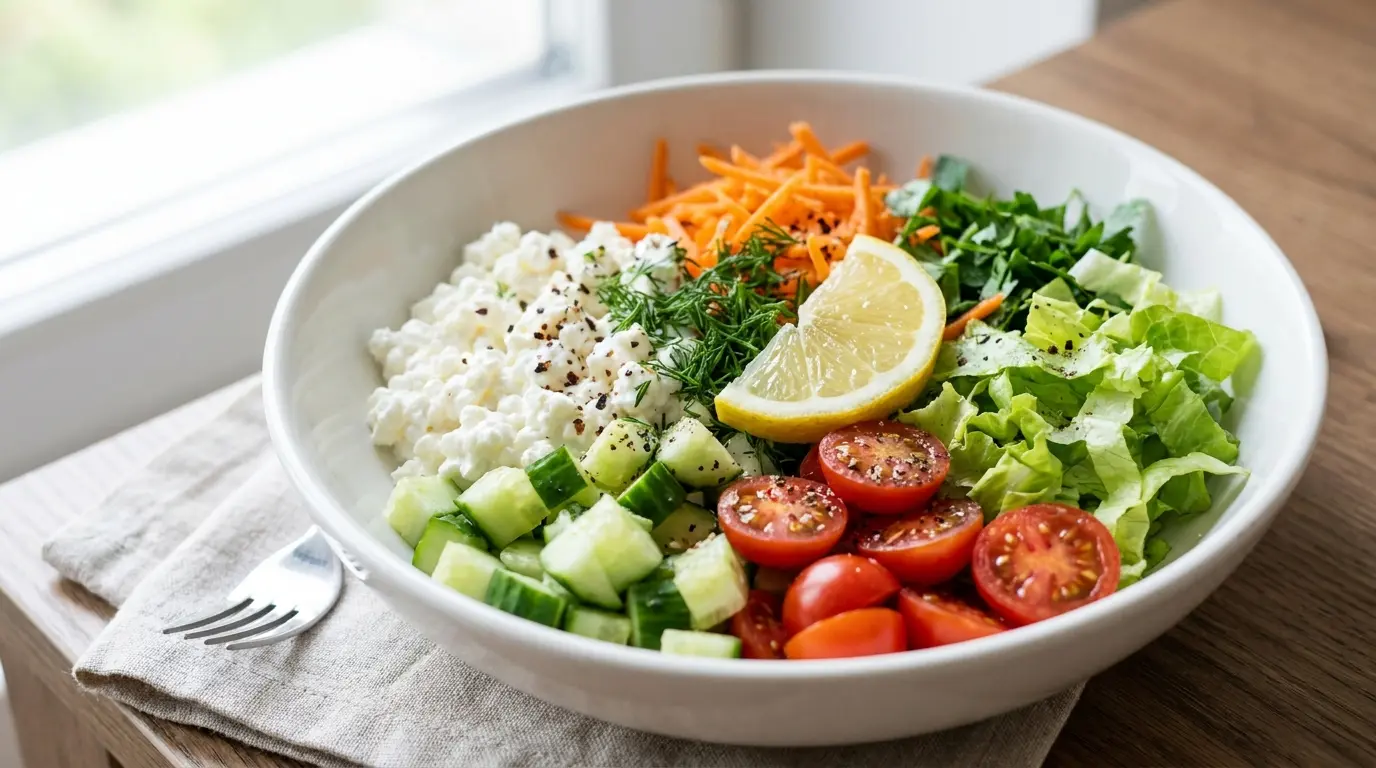
Combine low-fat cottage cheese with cucumber, tomato, carrot, lettuce, fresh herbs, lemon juice, and black pepper. No cooking is required.
Cottage cheese provides 25g of protein at 260 total calories, a protein-to-calorie ratio that competes with chicken breast. This bowl works for quick lunches, light dinners, or any meal when cooking is not realistic.
- Calories: 260 kcal
- Protein: 25g
- Carbs: 14g
- Fat: 10g
46. Lentil Spinach Protein Bowl
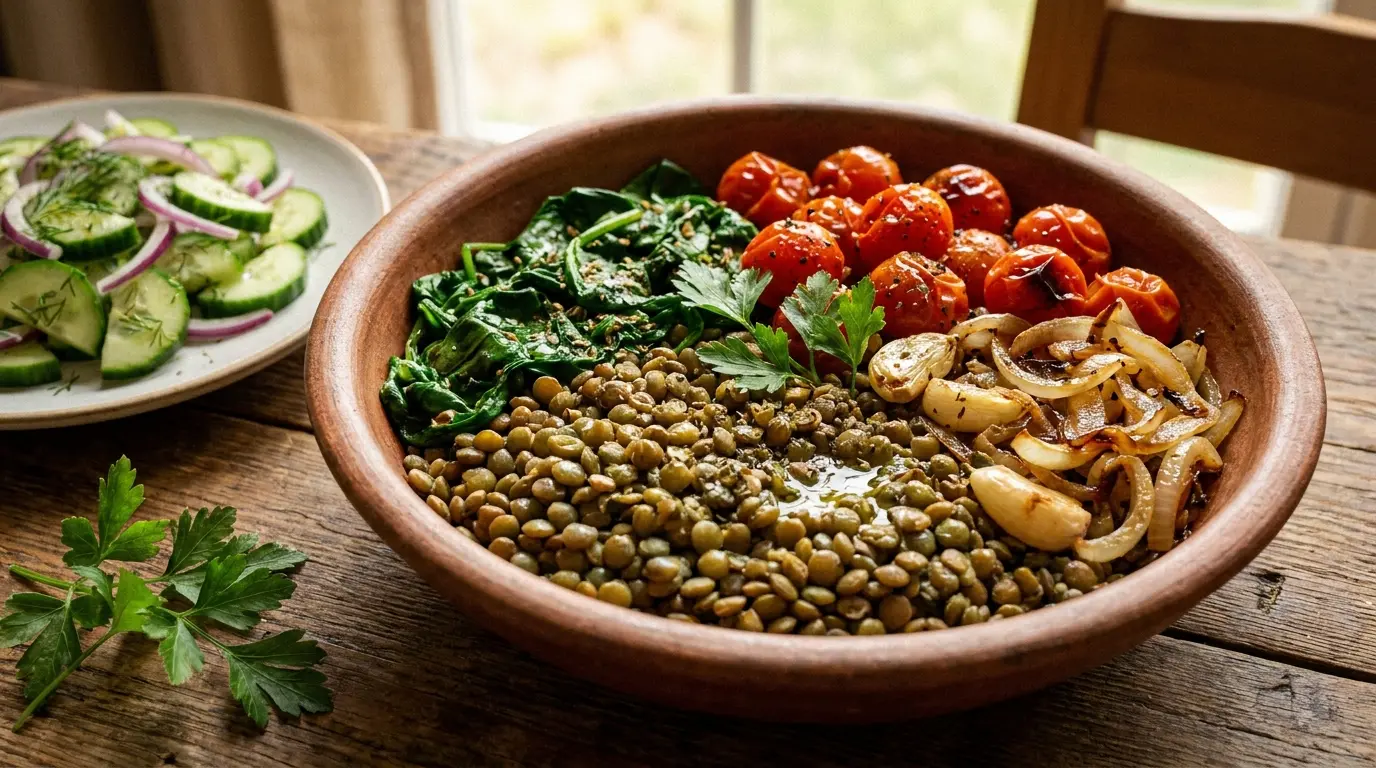
Cook lentils with spinach, tomatoes, garlic, onion, oregano, and black pepper until thick and well-seasoned. Serve with cucumber salad for freshness.
Lentils are one of the most fiber-dense legumes available, providing roughly 8g of fiber per 100g cooked alongside 9g of protein. The fiber matters for sustained satiety in the hours after eating. This dish reheats well and keeps for four to five days.
- Calories: 310 kcal
- Protein: 19g
- Carbs: 48g
- Fat: 4g
47. Ricotta Eggplant Roll Ups
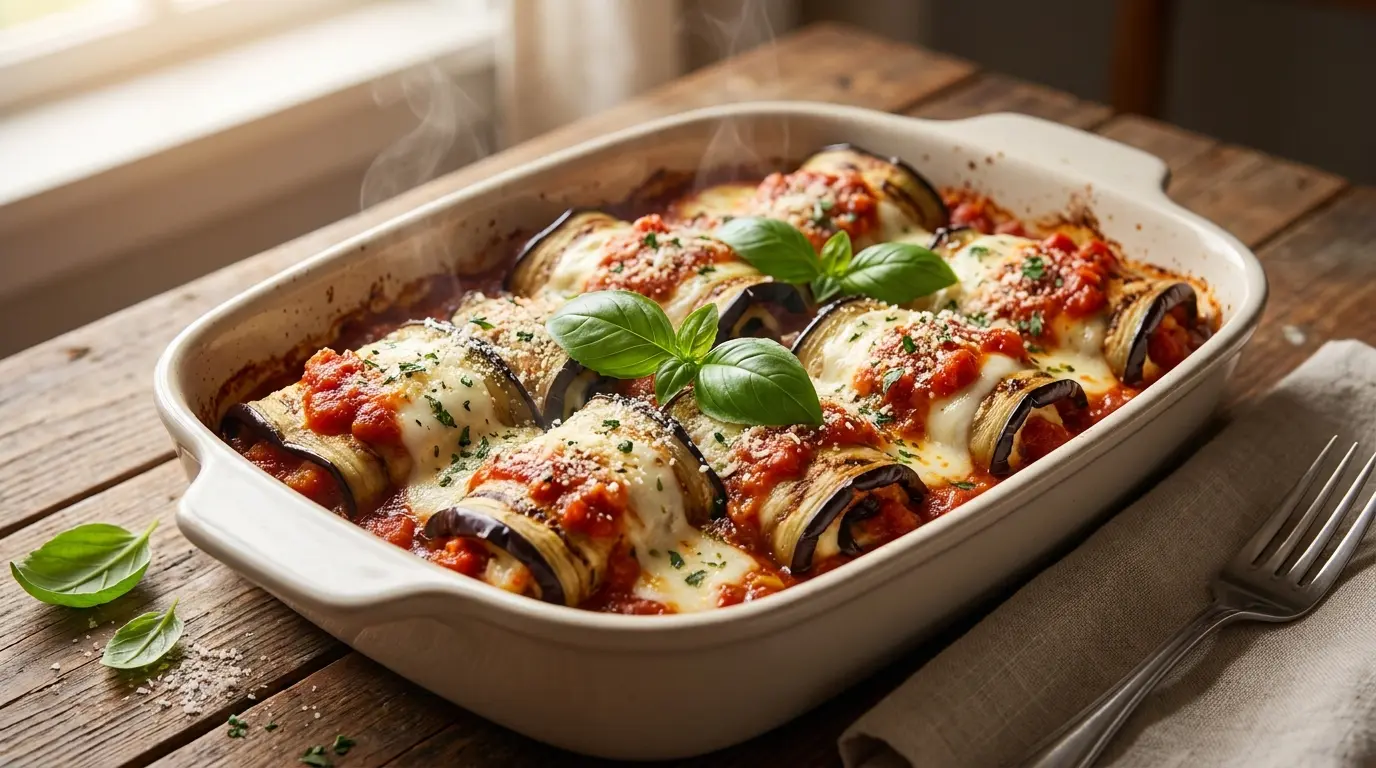
Slice baked eggplant lengthwise and fill each slice with part-skim ricotta, spinach, marinara sauce, and Italian herbs. Roll and bake until warm.
Ricotta provides protein and creaminess, while eggplant replaces the pasta sheets that would typically double the calorie count in a lasagna. This is a comfort food option that stays within a calorie-controlled plan.
- Calories: 330 kcal
- Protein: 24g
- Carbs: 24g
- Fat: 16g
Vegetarian high protein low calorie meals take slightly more planning than meat-based equivalents, but the options above show that reaching 20–25g of protein per meal on plant sources is genuinely achievable with the right foundations.
7-Day High Protein Low Calorie Meal Plan
This plan shows how the meals above fit into a realistic daily structure. All seven days land between 930 and 1,120 calories with protein ranging from 110g to 143g. These are starter numbers: adjust portions upward if energy or hunger is noticeably low.
| Day | Breakfast | Lunch | Snack | Dinner | Daily Total |
| Day 1 | Greek Yogurt Berry Chia Bowl | Grilled Chicken Garden Salad | Hard Boiled Egg Cucumber Plate | Garlic Shrimp Zucchini Noodles | 930 kcal, 112g protein |
| Day 2 | Egg White Spinach Omelet | Turkey Veggie Wrap | Cottage Cheese Celery Cups | Tilapia Broccoli Dinner Plate | 930 kcal, 113g protein |
| Day 3 | Blueberry Protein Oatmeal | Tuna Cucumber Lettuce Boats | Vanilla Cinnamon Protein Shake | Chicken Cauliflower Fried Rice | 1,010 kcal, 133g protein |
| Day 4 | Cottage Cheese Cucumber Toast | Turkey Bean Chili Bowl | Chili Lime Edamame | Cod Tomato Spinach Skillet | 1,060 kcal, 110g protein |
| Day 5 | Turkey Sausage Egg White Skillet | Chicken Black Bean Southwest Bowl | Turkey Pickle Roll Ups | Lemon Herb Chicken with Asparagus | 1,120 kcal, 143g protein |
| Day 6 | Smoked Salmon Breakfast Plate | Salmon Cucumber Yogurt Bowl | Shrimp Cocktail Bowl | Turkey Stuffed Bell Peppers | 1,100 kcal, 118g protein |
| Day 7 | Peanut Butter Protein Smoothie Bowl | Chicken Caesar Lettuce Bowl | Chicken Cucumber Bites | Shrimp Egg Drop Soup | 1,010 kcal, 133g protein |
These totals are lower than a standard maintenance intake of 1,600–2,400 calories per day. If you feel consistently low in energy, light-headed, or unable to train normally, increase portion sizes or add a second snack.
The plan is a starting template, not a rigid prescription. For people following a structured 1,000 calorie meal plan or similar restricted approach, these protein targets become even more important to maintain lean tissue.
How to Build a High Protein Low Calorie Plate from Scratch
Every meal in this guide follows the same underlying logic. Understanding the formula lets you build new combinations outside this list without guesswork.
Step 1: Choose a lean protein (30–40% of your plate). Aim for at least 25g of protein per meal. Chicken breast, egg whites, shrimp, tuna, cottage cheese, or tofu are the most practical options on a calorie budget. For ideas on protein-rich cuts from other meat sources, the breakdown in our guide to protein in steak by cut shows how to identify the leanest options.
Step 2: Fill half the plate with non-starchy vegetables. Broccoli, spinach, cabbage, cucumber, zucchini, asparagus, mushrooms, and lettuce all provide volume at under 40 calories per cup. They extend fullness, contribute vitamins and minerals, and lower the calorie density of the plate significantly.
Step 3: Add a smart carbohydrate if needed. Cauliflower rice, quinoa, lentils, or one slice of whole grain bread works when activity levels call for more carbohydrate fuel. Skip this step on lower-activity days, and the calorie total drops by 80–150 calories without changing the protein or vegetable portions.
Step 4: Season with zero-calorie flavor tools. Lemon juice, vinegar, hot sauce, garlic, fresh herbs, chili flakes, and low-sodium soy sauce cost nothing calorically. These are the differences between a meal that tastes clean and purposeful and one that tastes like a diet.
Step 5: Measure oil and sauces before adding. One extra tablespoon of olive oil adds 120 calories invisibly. A spray or a measured teaspoon is the practical fix. For fish-based high protein low calorie dinners specifically, the low-calorie fish recipe guide on this site covers preparation methods that keep calories low across dozens of varieties.
Common Mistakes That Undermine High Protein Eating
| Mistake | Why It Matters | Practical Fix |
| Eating “low-calorie” processed foods | Many diet snacks are high in sugar and low in protein, so they do not control hunger effectively | Check the label: protein should be higher than sugar content per serving |
| Forgetting cooking oil calories | An unmeasured pour of oil can add 200–400 calories to a meal without changing how it looks | Use an oil spray, cook in broth, or measure one teaspoon before adding |
| Skipping meals to compensate | Hunger accumulates and drives overeating at the next meal, often canceling the earlier deficit | Eat regular protein-rich meals and use planned snacks to manage hunger between them |
| Rotating one or two protein sources only | Eating the same food daily accelerates food boredom and makes the plan harder to maintain | Rotate chicken, fish, eggs, turkey, tofu, cottage cheese, lentils, and shrimp weekly |
| Mistaking thirst for hunger | Dehydration produces sensations similar to mild hunger, leading to unnecessary snacking | Drink water before eating a snack; wait 10 minutes and see whether the hunger persists |
Meal Prep Strategies That Save Time Each Week
The meals in this guide become sustainable when the proteins are batch-cooked and the snacks are pre-portioned at the start of the week. These are the five habits that reduce daily friction most significantly.
Batch cook proteins on Sunday. Grill or bake a full tray of chicken breasts and cook a pot of lentils. Those two items alone form the base for 80% of the lunches and dinners in this guide. A batch of hard-boiled eggs covers snacks for four to five days.
Use the sheet pan method for vegetables. Line a baking tray, place protein on one side and vegetables on the other, and cook at 400°F for 20–25 minutes. One pan, one temperature, minimal cleanup.
Pre-portion snacks immediately after grocery shopping. Divide cottage cheese, Greek yogurt, and boiled eggs into individual containers before they go into the refrigerator. Having them ready-to-grab removes the decision entirely when hunger hits.
Store meals in glass containers with clear lids. Visual access to prepared food in the refrigerator makes reaching for the planned meal the path of least resistance. Portion divider containers also make tracking straightforward.
Build a four-spice rotation for flavor variety. Smoked paprika, cumin, garlic powder, Italian seasoning, and chili flakes have zero calories and transform the same proteins into different-tasting meals across the week. The spice shelf is the easiest investment in maintaining variety without additional shopping.
Who Benefits Most from High Protein Low Calorie Meals
High protein low calorie meals work well for:
- People managing a calorie deficit for weight loss
- Active adults who want to maintain muscle during a cut
- Anyone who finds standard calorie-controlled eating too difficult to sustain because hunger disrupts compliance
- People who do not have a specific weight goal but want cleaner, more consistent daily nutrition without tracking every meal precisely
Certain groups should use this approach with professional guidance rather than independently:
- People with kidney disease or reduced kidney function (high protein diets increase renal workload),
- Pregnant and breastfeeding women with higher overall caloric and nutrient requirements
- Anyone with type 1 or type 2 diabetes whose medication timing or dosage is affected by carbohydrate intake
- People with a history of disordered eating where calorie awareness creates psychological difficulty.
If persistent low energy, dizziness, disrupted sleep, or significant mood changes appear, the calorie level may be too restrictive for individual needs.
Asian cuisine provides some of the most naturally high protein low calorie meal structures outside Western cooking traditions.
The guide to healthy Chinese food on this site identifies specific dishes that fit the protein-to-calorie criteria without significant modification.
Frequently Asked Questions
These are the questions I encounter most often when people are building high protein low calorie meals into their daily routine for the first time.
What are high protein low calorie foods I should always have stocked?
The most useful pantry and refrigerator staples for high protein low calorie eating are canned tuna in water, nonfat Greek yogurt, low-fat cottage cheese, egg whites (carton), frozen shrimp, chicken breast, and dried lentils. These cover every meal occasion with minimal prep, low cost, and reliable protein density. Between these six items, you can build breakfast, lunch, dinner, and snacks without any other specialty ingredients.
What are some high protein low calorie foods that work for weight loss specifically?
The most effective weight loss foods in the high protein low calorie category are those with the highest protein-to-calorie ratio: egg whites (11g protein per 52 calories per 100g), nonfat Greek yogurt (10g per 59 calories), shrimp (24g per 99 calories), and chicken breast (31g per 165 calories). These four items maximize satiety per calorie. Combine them with non-starchy vegetables, and the resulting meals stay below 350 calories while delivering 30–40g of protein per plate.
How do I eat high protein low calorie on a tight budget?
Canned tuna, dried lentils, eggs, low-fat cottage cheese, and frozen chicken thighs (which cook similarly to breast once trimmed) are the cheapest protein sources available. Buying chicken breast and shrimp in bulk and freezing them in weekly portions reduces the per-serving cost significantly. Frozen vegetables cost less than fresh and have comparable nutritional profiles for most purposes. A full day of high protein low calorie eating from these sources costs roughly $5–8 per person, depending on your market.
What is a high protein low calorie breakfast that takes under five minutes?
The fastest options are: (1) nonfat Greek yogurt with berries and chia seeds, which requires no cooking and delivers 26g of protein in about 240 calories; (2) a protein shake made with water, protein powder, and cinnamon, which provides 25g of protein in 140 calories; and (3) cold smoked salmon with cucumber and lemon, which is fully assembled in under three minutes with no cooking. All three are lower in preparation demand than eggs while still anchoring the morning with solid protein.
What meat is low calorie and high protein?
Chicken breast, tilapia, shrimp, and extra-lean ground turkey are the four best low calorie high protein meat options. Chicken breast leads at 31g of protein per 100g at 165 calories. Tilapia follows at 20g of protein per 96 calories, slightly less protein than chicken but a meaningful calorie saving. Shrimp provides 24g of protein at just 99 calories per 100g, making it the highest protein-to-calorie ratio of any common protein. Extra-lean ground turkey provides 20–22g of protein per 100g at around 150–160 calories depending on the blend.
What is a high protein low calorie snack that actually stops hunger?
The most effective hunger-stopping snacks combine protein with either fat or fiber so digestion slows. The best performers from this guide: shrimp cocktail bowl (28g protein, 150 calories), cottage cheese celery cups (16g protein, 150 calories), turkey pickle roll ups (22g protein, 160 calories), and tuna tomato cups (25g protein, 170 calories). All four contain enough protein to raise satiety hormone levels meaningfully. A protein shake works if whole food is not practical, but whole food options sustain fullness longer because the physical chewing and digestion process takes more time.
Summing Up
The protein target matters more than the specific meals. Whether you follow this guide exactly or use it as a template for your own combinations, the consistent pattern is the same: a lean protein at the center, vegetables for volume, minimal calorie-dense sauces, and measured oil.
Do that consistently across three meals and planned snacks, and the calorie deficit becomes sustainable because hunger is being managed by protein and fiber rather than willpower.
The single most practical change for most people is replacing one meal per day that has weak protein with a stronger option from this guide.
Start with whichever meal currently leaves you hungry within 90 minutes. A Greek yogurt bowl at breakfast or a tuna lettuce wrap at lunch will cover the gap immediately. From there, the rest of the plan falls into place.
Sources
- USDA FoodData Central, “Nutritional data for chicken breast, egg whites, Greek yogurt, and related foods.” fdc.nal.usda.gov
- Westerterp, K.R., “Diet induced thermogenesis.” Nutrition and Metabolism, 2004. doi:10.1186/1743-7075-1-5
- American Heart Association, “Fish and Omega-3 Fatty Acids.” heart.org
- Paddon-Jones, D., et al., “Protein and healthy aging.” American Journal of Clinical Nutrition, 2015. doi:10.3945/ajcn.114.084061