
| Plant | Plantago major (broadleaf) / Plantago lanceolata (narrowleaf) |
| Parts Used | Leaves (fresh, dried, cooked) |
| Key Compounds | Aucubin, allantoin, caffeic acid derivatives, tannins, flavonoids |
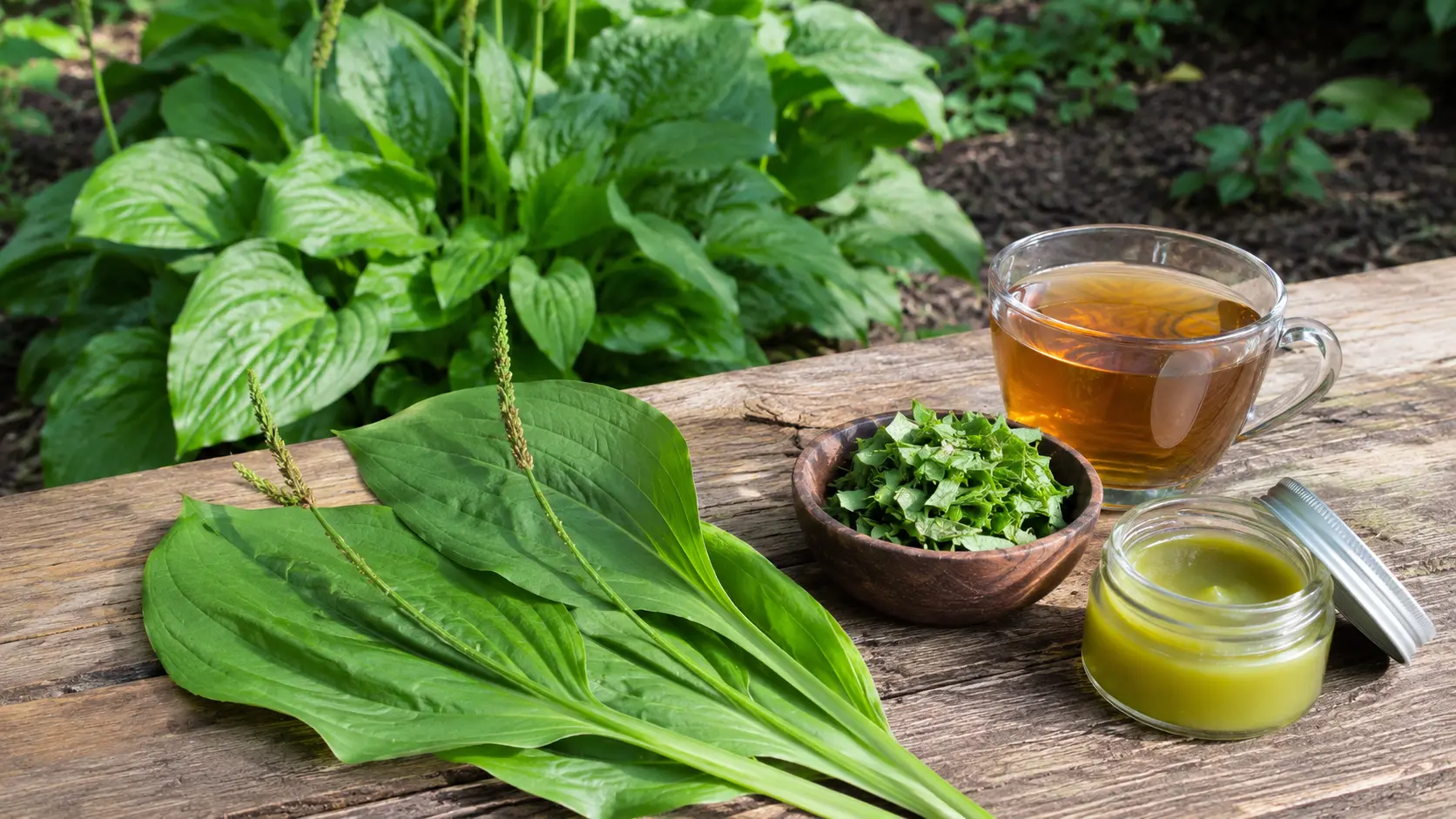
| Primary Uses | Tea, cooked greens, topical poultice, infused oil, salve |
| Evidence Level | Preliminary (animal and in vitro studies; limited human data) |
| Who Should Avoid | Pregnant or breastfeeding individuals, those on blood thinners, should always consult a provider |
Plantain leaf benefits are most useful when you understand exactly what this plant can and cannot do.
Plantago major, the broadleaf weed growing along paths and in gardens, contains a specific set of bioactive compounds including aucubin, allantoin, and caffeic acid derivatives.
That compound profile supports its traditional use for minor skin irritation, coughs, digestion, and simple food use. Here’s what the evidence actually shows, how to use it in practice, and what the numbers look like nutritionally.
| Disclaimer: This article is for informational and educational purposes only. It does not constitute medical advice. Plantain leaf should not be used to delay or replace care for infections, serious wounds, breathing problems, or persistent symptoms. Always consult a qualified healthcare provider before starting any new herbal, nutritional, or wellness practice. |
Key Nutrients in Plantain Leaves
Plantain leaves are more nutritious than most people expect from a yard weed. The values below are for fresh Plantago major leaves and can vary depending on soil quality, harvest timing, and growing location.
| Nutrient | Amount per 100 g Fresh Leaves |
| Vitamin C | 45.1 mg |
| Carotenes | 8.51 mg |
| Calcium | 108 mg |
| Potassium | 318 mg |
| Magnesium | 95.3 mg |
| Iron | 1.74 mg |
| Zinc | 0.41 mg |
| Phosphorus | 23.4 mg |
| Oxalic acid | 67.3 mg |
| Energy | 77 kJ |
The vitamin C content, at 45.1 mg per 100 g, is higher than many people expect from a foraged green. The magnesium and calcium numbers are also notable for a leafy green with near-zero caloric load. That said, fresh leaves are almost never eaten in 100 g portions. In practice, a small amount added to soup or steeped as tea contributes minor amounts of these nutrients, not meaningful doses. The numbers matter most for comparing plantain to other wild greens, not for calculating your daily intake from a cup of tea.
Plantain Leaf Benefits
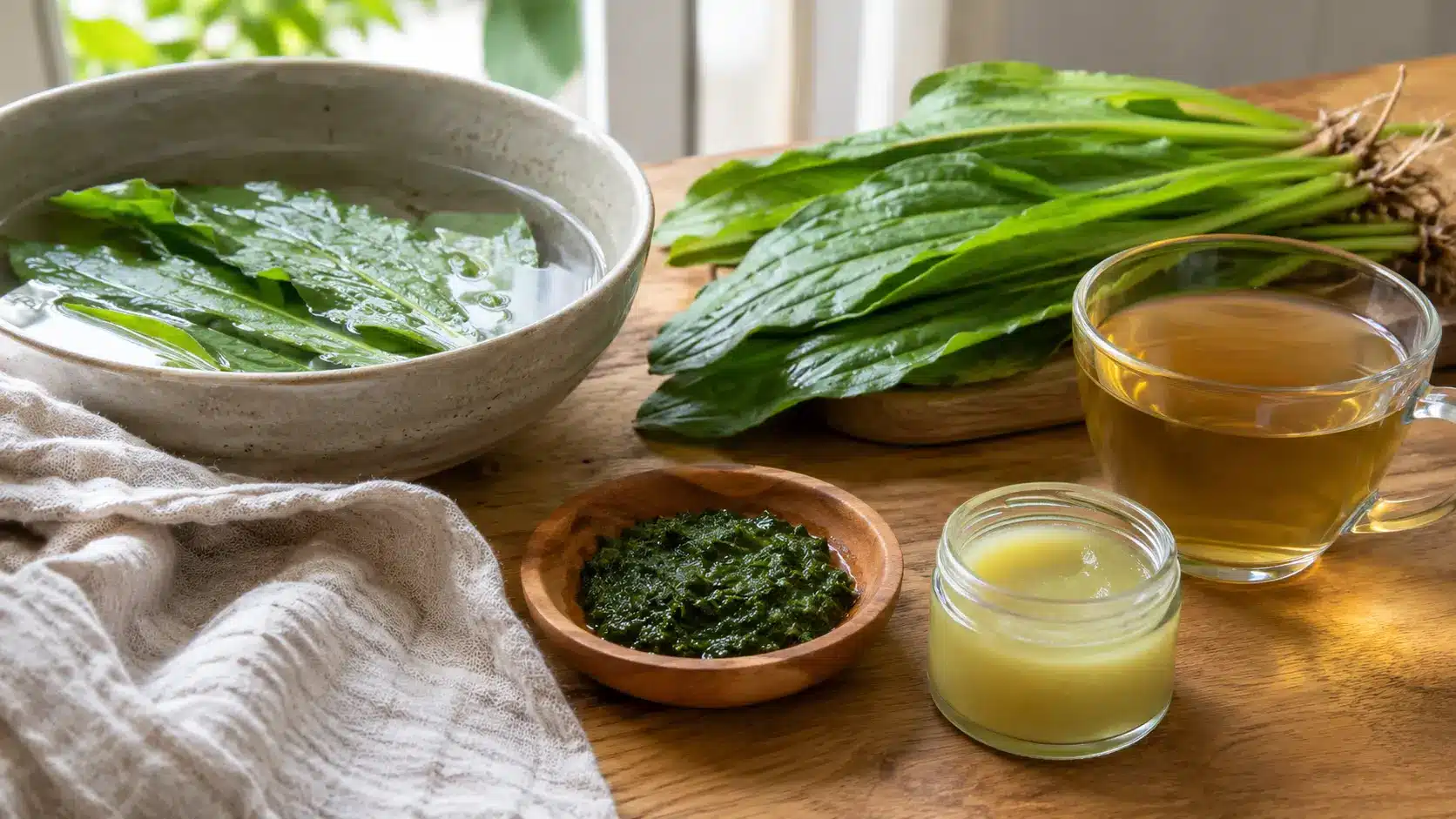
Here is what the current research and traditional use record actually support, organized by how strong the evidence is and how to use each application safely.
1. Minor Skin Irritation, Bug Bites, and Surface Scrapes
The most consistent traditional use of plantain leaf is topical: crushing fresh leaves and placing the damp leaf directly on a bug bite, mild sting, or small surface scrape. The mechanism behind this use is backed by laboratory research on aucubin and allantoin. Aucubin reduces local inflammation, and allantoin supports cell regeneration.
A 2012 animal study published in the Journal of Ethnopharmacology found that Plantago major extract applied topically increased wound-healing rate compared to a control group.
| Safety Note: Always wash the leaf and the skin before applying any plant poultice. Leaves from roadsides, sprayed lawns, or pet-heavy areas may carry contaminants that matter more than the herb itself. Remove the leaf immediately if the skin becomes more red, swollen, or irritated. Do not use on open wounds, infected skin, or severe stings with systemic symptoms. |
2. Cough Relief and Throat Comfort
Plantain leaf for coughs is one of the better-supported traditional applications. A PubMed review of Plantago lanceolata specifically identified anti-inflammatory, spasmolytic, and immunostimulatory actions, and the review concluded that the benefit-to-risk ratio supports its use for moderate chronic irritative cough, including in children.
The German Commission E, which evaluates herbal medicines, has approved narrowleaf plantain (Plantago lanceolata) for respiratory catarrhs and mild inflammation of the oral and pharyngeal mucosa.
In practice, this means plantain tea made from either narrowleaf or broadleaf plantain can provide reasonable support for a mildly irritated throat or a dry, nonproductive cough.
A typical oral dose from traditional herbalism is 1 to 3 grams of dried leaf steeped three times daily. Chest pain, wheezing, high fever, or significant difficulty breathing are not situations where herbal tea is the right tool. Those need medical evaluation.
3. Digestive Comfort and Mild Fiber Support
Plantain leaf contains some fiber and has been used traditionally for gastritis, colitis, and general stomach upset. The tannins and aucubin together may reduce irritation in the gut lining and have antispasmodic effects, which explains its folk use for stomach discomfort after heavy meals. The astringent quality of the tannins also makes it a traditional remedy for mild diarrhea.
From a food-use perspective, young plantain leaves added to soup or sauteed with oil and garlic contribute modest fiber to the meal. That contribution is real but small.
As I look at it from a nutrition standpoint, plantain as a food green is more like a micronutrient bonus on top of your regular fiber intake from beans, oats, and vegetables than a meaningful fiber source on its own.
4. Dry or Rough Skin in Topical Preparations
Plantain-infused oil and simple salves are a legitimate home skin-care application, particularly for areas that feel dry, rough, or mildly irritated without open wounds or infection. The mechanism here is allantoin promoting skin cell renewal combined with the moisturizing effect of the oil base. This is a different use case from the fresh poultice, which is intended for immediate relief from a bite or scrape.
5. Nutritional Use as a Cooked Green
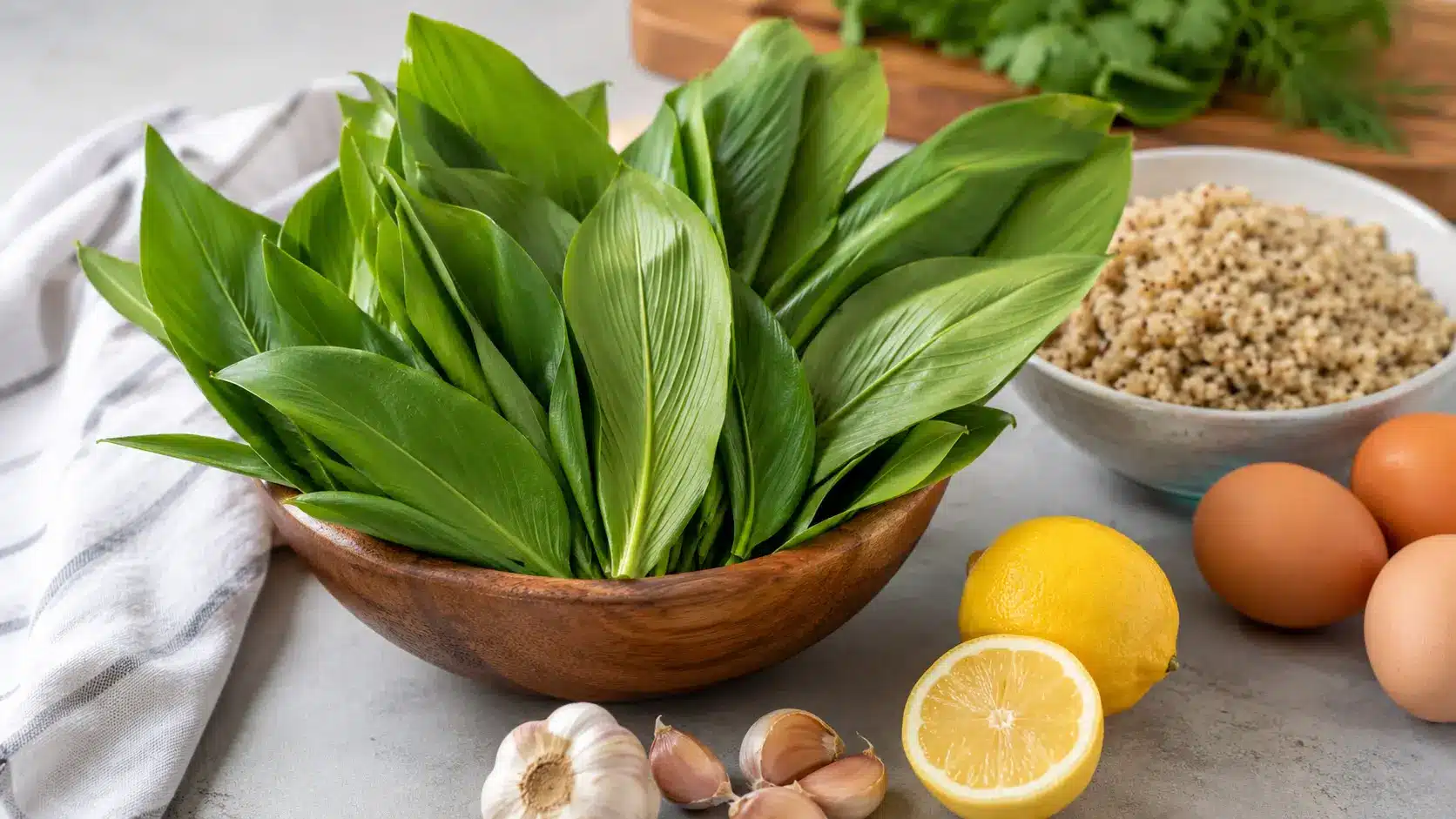
Young plantain leaves are edible and mildly nutritious. They contain vitamin C, carotenes, calcium, and magnesium at levels comparable to other foraged greens. Blanched and added to eggs, lentils, or soup, they function like a mild, slightly bitter leafy green.
Older leaves are still edible, cooked, but stronger in flavor and better suited for tea or infused oil than for direct food use. Young plantain leaves work well mixed into a grain bowl alongside other fresh greens, much the same way you’d build a balanced poke bowl, the plantain adds mild bitterness and micronutrients while the other ingredients carry the protein and carbs.
How to Use Plantain Leaves
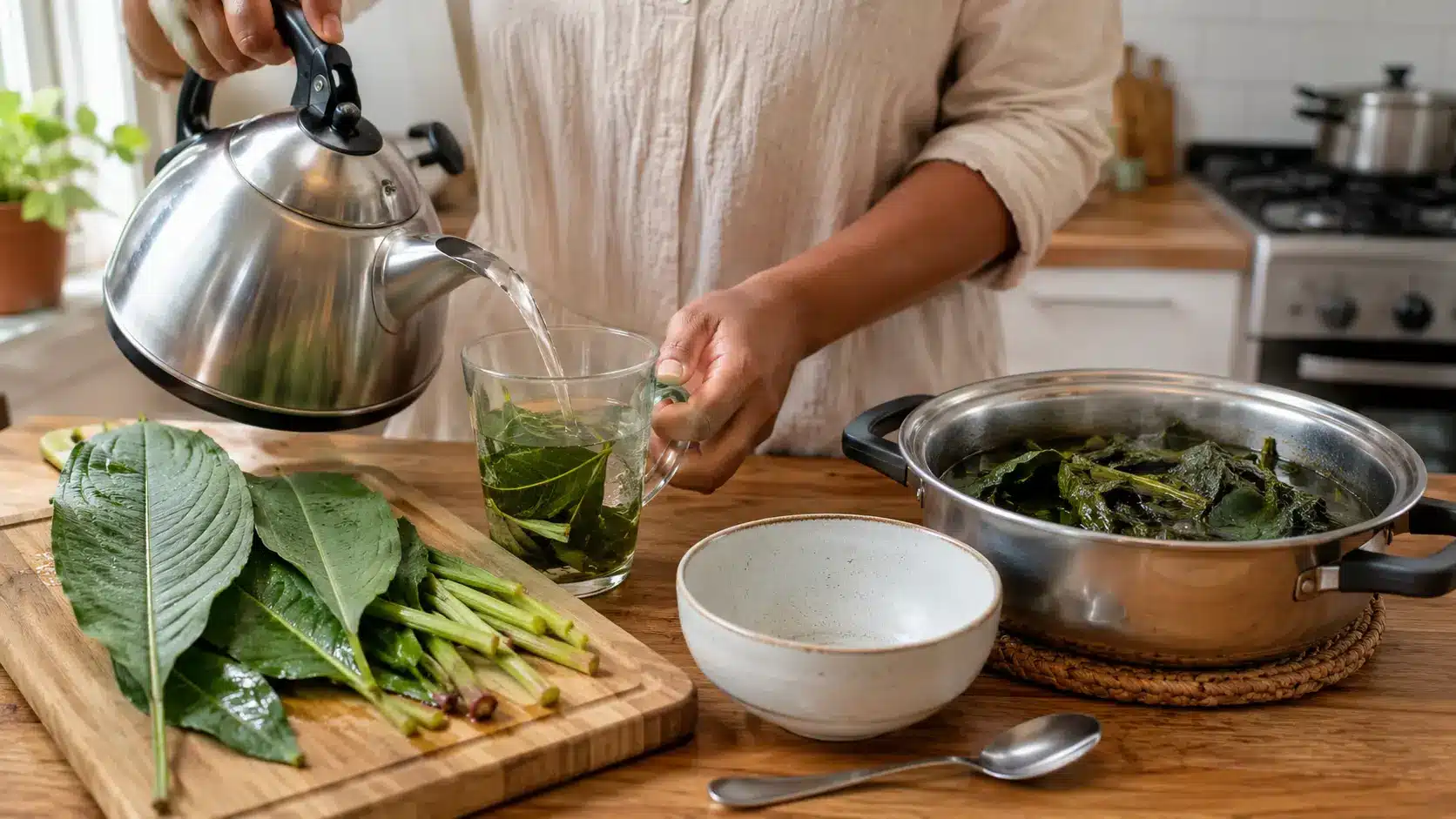
Plantain can be used fresh, dried, cooked, or steeped. The best form depends on your goal and how you plan to use it.
- Plantain leaf tea: Use 1 teaspoon of dried leaf or 2 to 3 rinsed fresh leaves per cup of hot water. Steep for 10 to 15 minutes, then strain. Add honey after cooling to soften the taste, but avoid honey for children under one year old.
- Boiled or sautéed plantain greens: Use young leaves because they are softer and less bitter. Rinse well, remove tough fibers, and cook for 3 to 5 minutes. Try them with olive oil, garlic, and lemon, or fold the cooked greens into rice paper rolls with fresh vegetables for a mild, slightly earthy filling. Start with about ¼ cup cooked.
- Fresh leaf poultice: Wash the leaf thoroughly, crush it until the juice releases, and place it over a clean bite, sting, or minor scrape. Leave it for 10 to 20 minutes. Always clean the skin first before applying.
- Plantain-infused oil and salve: Use dried leaves only because fresh leaves can spoil the oil. Infuse dried leaves in olive or sunflower oil for 4 to 6 weeks, then strain. For salve, melt about 1 ounce of beeswax per cup of infused oil. Store away from heat and discard if mold or a rancid smell appears.
Nutrition Tip: The number that matters most for food use is the leaf’s age at harvest. Young spring leaves, picked before the plant sends up a flower stalk, are lower in bitter compounds and easier to eat raw or lightly cooked. Once the stalk appears, use those leaves for tea or oil instead.
How to Identify and Harvest Plantain Safely
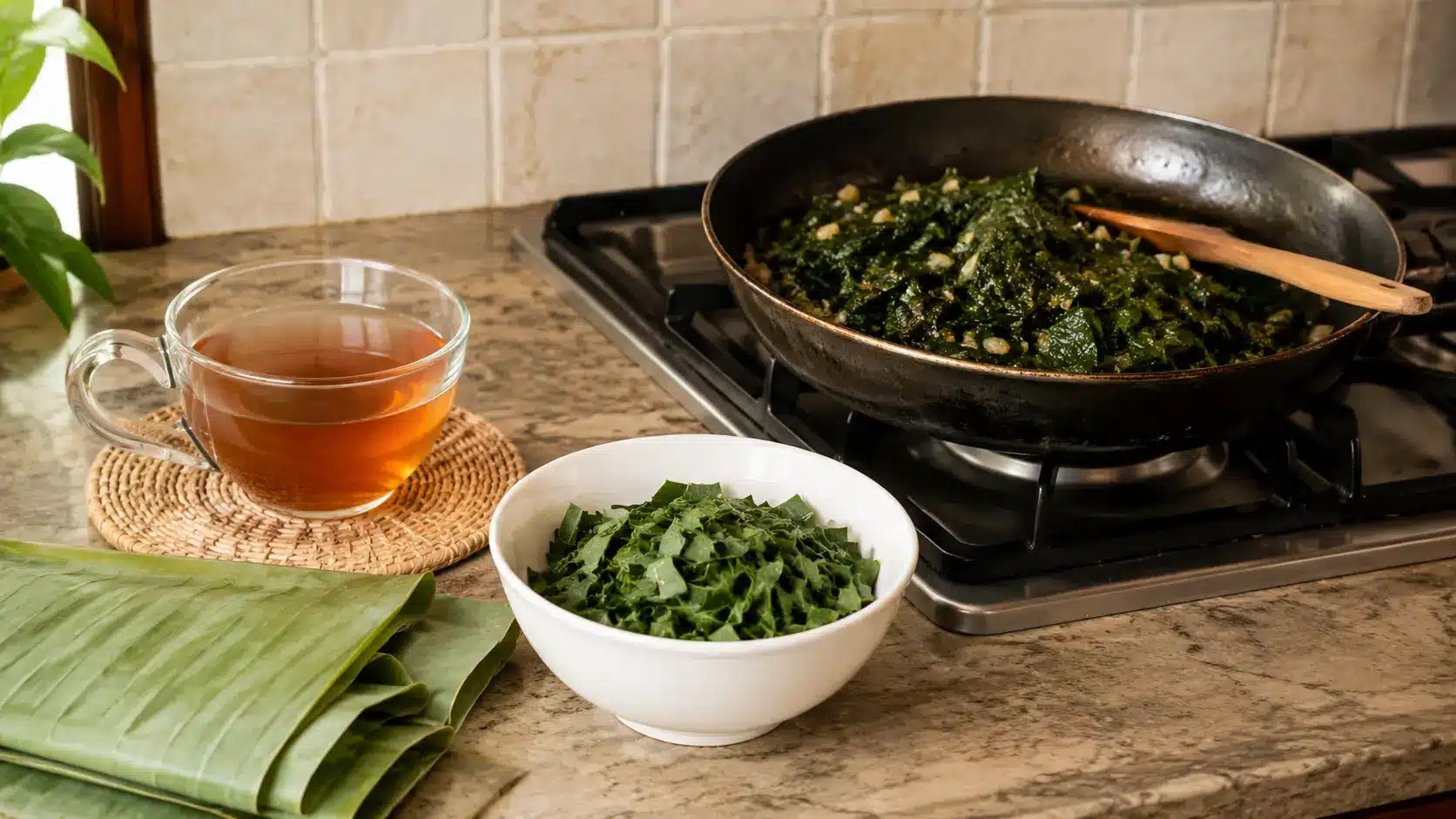
Getting the plant ID right is a prerequisite for every use on this page. Plantain is forgiving because it has distinctive features, but you still need to check before you pick.
Identification Points
Broadleaf plantain (Plantago major) has wide, oval leaves, between 2 and 10 inches long, with 3 to 7 prominent veins running parallel from the base toward the leaf tip. The veins do not branch the way leaf veins do in most other plants.
Pull a leaf gently, and the veins will peel away as fibrous strings. That fiber test is the most reliable field confirmation for this species. Narrowleaf plantain (Plantago lanceolata) has longer, slimmer leaves but the same parallel vein structure. Both species grow in a flat rosette close to the ground and send up slender flower stalks from the center when mature.
Harvest Rules
Pick only from areas you can confirm are free of pesticides, herbicides, pet waste, and road runoff. Roadside plantain absorbs heavy metals and chemical residue.
Lawns that have been treated with any spray in the past two growing seasons should be avoided entirely. Rinse harvested leaves under cold running water, rubbing both surfaces. Pick only as much as you plan to use within a day or two, or dry leaves immediately for storage.
Side Effects and Who Should Be Careful
Plantain leaf is mild for most healthy adults in small amounts, but mild does not mean risk-free across all situations.
| Concern | What to Know |
| Allergy | Stop all use immediately if itching, hives, swelling, or any breathing change occurs. Plantain is in the Plantaginaceae family and can cross-react with grass pollens in some individuals. |
| Pregnancy and breastfeeding | Ask a healthcare provider before using plantain in any form beyond small amounts as a food green. The traditional use of plantain to affect uterine tone (documented in older herbalism texts) is a reason for caution. |
| Blood thinners and medications | Check with your provider. Plantain may have mild anticoagulant effects; combining it with warfarin or similar medications has not been studied adequately. |
| Contamination | The single biggest safety risk with foraged plantain is not the plant itself. It is where the plant grew. Roadside, sprayed, or pet-heavy areas produce leaves that carry more risk than benefit. |
| Children under 1 year | Do not add honey to plantain tea for infants. Honey is safe to use in older children and adults. |
Stop use and seek care if you notice spreading redness, significant swelling, warmth or pus at a wound site, fever, or any symptom that worsens rather than improves. Plantain tea and topical preparations are for minor, self-limiting needs only.
How to Identify and Harvest Plantain Safely
Correct plant ID matters before you use any wild plant. Plantain is common, but you still need to check the leaf shape, growing spot, and cleanliness before using it in tea, food, or skin care.
- Check the leaves and veins: Broadleaf plantain has wide, oval leaves, while narrowleaf plantain has longer, slimmer leaves. Both grow close to the ground in a flat circle and have strong veins that run from the base toward the tip.
- Look for flower stalks: Mature plants often send up thin stalks from the center. These may carry tiny green, brown, or tan flowers and seeds, which can help confirm the plant.
- Pick from safe areas only: Avoid roadsides, parking lots, sprayed lawns, pet-heavy paths, public parks, and areas near runoff. Leaves from these places may carry chemicals, dirt, or animal waste.
- Choose the right leaves: Young leaves are best for food because they are softer and less bitter. Skip leaves with mold, strange spots, heavy insect damage, yellowing, or a chemical smell.
- Wash and use carefully: Rinse the leaves under clean running water and rub both sides gently. If using plantain on skin, wash the skin first too. Pick only what you need so the patch can keep growing.
A useful plant from dirty ground is not worth using. Safe plant ID and clean harvesting matter just as much as the plant itself.
Frequently Asked Questions
Can you eat plantain leaves raw?
Yes. Young plantain leaves can be eaten raw in small amounts, added to salads or sandwiches the way you would use spinach. They have a mildly bitter, slightly earthy flavor. Older leaves become fibrous and too strong in flavor for most people to enjoy raw, but they cook well when blanched or sauteed. The oxalic acid content (67.3 mg per 100 g) is lower than spinach and is not a concern for most people at typical serving sizes, though individuals with a history of kidney oxalate stones should keep portions small.
Is plantain leaf the same as plantain fruit?
No. These are completely unrelated plants that share a name. Plantain leaf (Plantago major or Plantago lanceolata) is a low-growing weed in the family Plantaginaceae, native to Europe and Central Asia. Plantain fruit is a starchy cooking banana in the family Musaceae, related to the dessert banana and native to Southeast Asia. The only thing they have in common is the English name. The nutrition profiles, uses, and plant biology are entirely different.
Does plantain leaf help with inflammation?
It may, in a limited and topical sense. Aucubin, the primary iridoid glycoside in plantain leaf, has demonstrated anti-inflammatory activity in animal models. A 2020 review in PMC (NCBI) noted that topically applied aucubin inhibits inflammation with an effect comparable to indomethacin at the doses tested. However, this is laboratory and animal data, not a clinical finding in humans. Plantain leaf is reasonable for minor, localized skin inflammation, but should not be used in place of medical treatment for arthritis, chronic inflammatory conditions, or significant injury.
How do you make plantain leaf salve?
Dry your plantain leaves completely before starting, ideally for 1 to 2 weeks in a warm, dry place. Pack the dried leaves into a clean glass jar and cover with olive oil. Infuse at low heat (around 100 degrees F) for 4 to 6 hours, or at room temperature for 4 to 6 weeks. Strain the infused oil through cheesecloth into a clean container, pressing to extract as much oil as possible. Melt approximately 1 ounce of beeswax per cup of oil in a double boiler, stir in the infused oil, and pour into tins or jars immediately. Allow to cool and set. Use on minor dry or irritated skin areas only. Discard if the salve smells rancid or shows mold.
When is the best time to harvest plantain leaves?
Early spring, before the plant sends up a flower stalk, produces the youngest, softest, least bitter leaves. These are best for raw eating and salads. Once the stalk appears, usually in late spring to early summer, the older leaves are still useful for tea and infused oil, but are tougher and more bitter as a food. Harvest in the morning after any dew has dried and before midday heat. Always pick from confirmed, unsprayed, pet-free areas. Harvest only what you will use or dry within a day or two, and leave most of the rosette intact, so the plant continues to grow.
Conclusion
Plantain leaf benefits and plantain weed benefits are easiest to understand when you keep them practical. This common herb can offer simple nutrition, warm tea, minor skin care, and easy food use.
I like plantain because it feels practical without being hard to use. Still, it needs care. Pick it from clean soil, identify it correctly, wash it well, and start with small amounts. Use it for mild needs, not serious symptoms.
If pain, swelling, fever, breathing trouble, infection signs, or long-lasting illness appear, get proper care. With that careful mindset, plantain can become a helpful part of a simple home routine.