


| Medical Clearance Required: Always consult your doctor or physical therapist before beginning any exercise program during injury recovery. Follow all weight-bearing and activity restrictions given by your medical team. Stop any activity immediately if it causes sharp pain, increased swelling, sudden weakness, or worsening symptoms. |
When I work with clients recovering from a traumatic brain injury, the first thing they ask is: How long is this going to take? The honest answer is that recovery does not follow a single timeline, but it does follow a recognizable sequence.
Understanding the 10 stages of brain injury recovery gives caregivers and patients a structured map for what to expect, what each stage requires, and when to push forward versus when to hold back.
This guide breaks down all ten stages using the Rancho Los Amigos Scale, the most widely used clinical framework for tracking TBI recovery progress.
You will find what is happening neurologically at each stage, what therapy looks like, practical caregiver strategies, and specific guidance for brain bleed recovery, which carries unique risks that general TBI guides routinely overlook.
Understanding Brain Injury Recovery
Brain injuries fall into two broad categories: traumatic and non-traumatic. Traumatic brain injuries (TBIs) result from an external force, such as a fall, car accident, sports collision, or assault. Non-traumatic injuries include strokes, oxygen deprivation (hypoxia or anoxia), infections, tumors, and metabolic or toxic causes.
Severity matters. A mild TBI, commonly called a concussion, may resolve within weeks with proper rest and graduated return to activity. A moderate or severe TBI can disrupt consciousness, motor function, memory, behavior, and judgment for months to years.
Penetrating injuries, where an object enters brain tissue directly, tend to cause focal damage. Non-penetrating injuries, the more common type, often produce diffuse axonal injury across multiple brain regions.
Recovery is driven by neuroplasticity, the brain’s ability to reorganize itself by forming new neural connections to compensate for damaged ones. This process does not stop at six months or one year.
In my own training work with post-acute TBI clients, I have seen meaningful functional gains emerge two and three years post-injury. The rate of improvement slows substantially after the first year, but it does not stop entirely.
| Injury Type | Traumatic (TBI) or Non-Traumatic (stroke, hypoxia, tumor) |
| Severity Range | Mild (concussion) / Moderate / Severe |
| Recovery Framework | Rancho Los Amigos Scale, Stages 1-10 |
| Key Recovery Driver | Neuroplasticity: new neural connections forming over time |
| Fastest Improvement Window | First 6-12 months post-injury |
| Avoid | Overstimulation in early stages; unsupervised activity in stages 4-6 |
The overview above captures the key variables. Keep in mind that not every patient will pass through each stage in strict sequence. Some move quickly through stages 1 to 3. Others plateau in stage 4 or 5 for extended periods. The staging system is a clinical guide, not a rigid schedule.
The 10 Stages of Brain Injury Recovery: Overview
The Rancho Los Amigos Levels of Cognitive Functioning Scale was developed at Rancho Los Amigos National Rehabilitation Center in the 1970s and remains the standard tool clinicians use to describe recovery progression after TBI.
Each level is defined by a specific pattern of behavioral and cognitive responses, which makes it far more useful for tracking progress than broad descriptors like “improving” or “stable.”
| Stage Range | Phase Name | Primary Focus |
|---|---|---|
| 1-3 | Critical Care Phase | Survival, medical stabilization, basic responsiveness |
| 4-6 | Cognitive and Behavioral Recovery Phase | Rebuilding memory, communication, and attention |
| 7-10 | Functional Independence Phase | Community reintegration, executive function, self-management |
Each phase demands a different approach from therapists and caregivers. The strategies that help in stage 2 can actively harm progress in stage 7. That mismatch between stage and intervention is one of the most common errors I see caregivers make, so understanding the specifics of each stage matters more than most families realize.
Stages 1 to 3: Critical Care Phase
In the early critical care phase, the medical team’s priority is keeping the patient alive and preventing secondary brain damage. Therapy during this period is passive, gentle, and carefully monitored. The brain needs energy to begin repairing itself, and overstimulation can interfere with that process.
Stage 1: Coma (No Response)
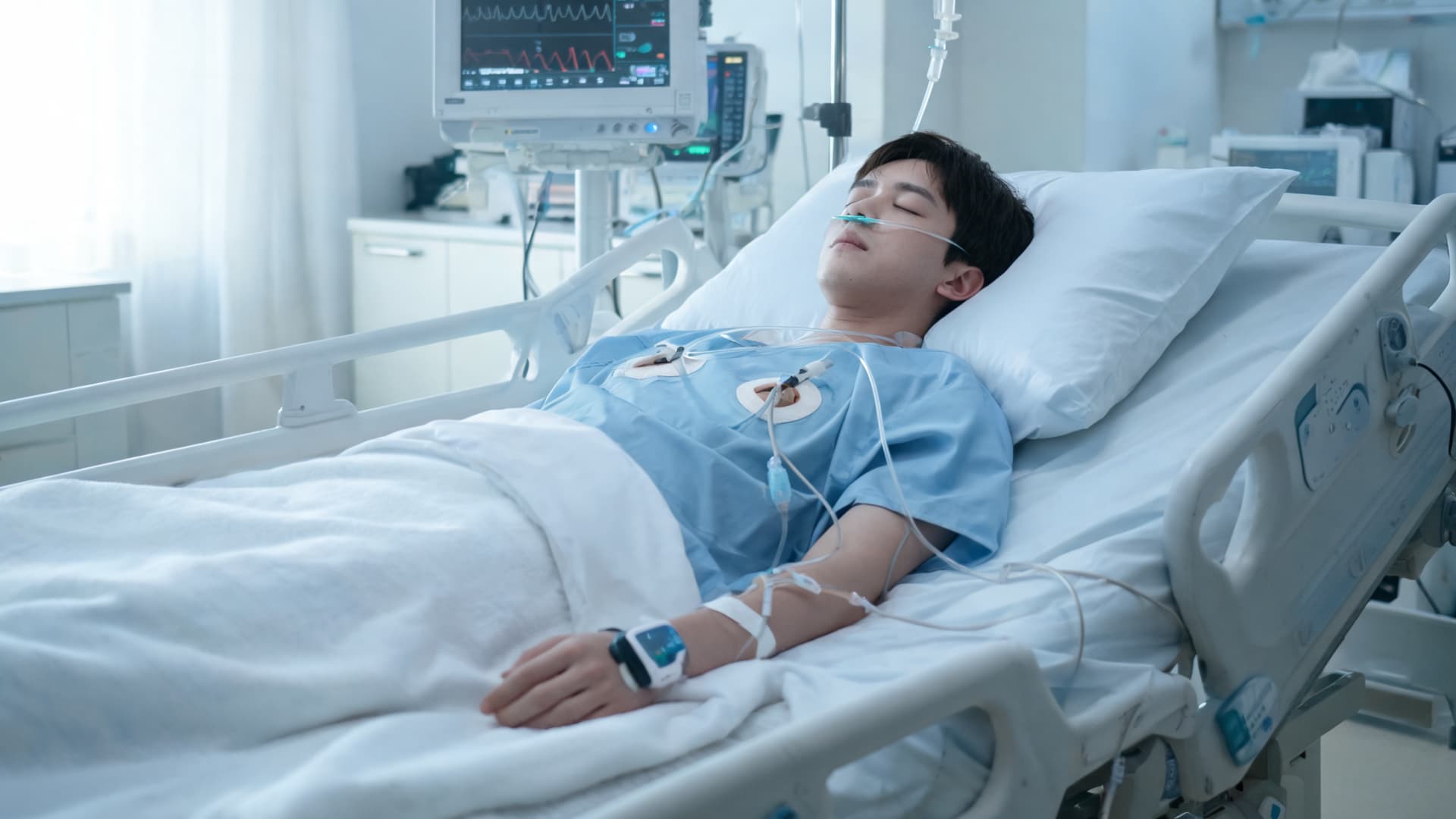
A coma is a state of complete unresponsiveness. The patient shows no purposeful movement, no eye opening, and no response to verbal commands or physical stimulation. This is the brain’s protective shutdown: metabolic activity slows, which reduces the energy demand on damaged tissue and gives healing processes a chance to begin.
Most comas following TBI last days to weeks. Medically induced comas are sometimes used to reduce intracranial pressure, particularly after severe bleeds or swelling. The duration correlates roughly with severity: longer comas generally indicate more extensive neurological disruption, though exceptions exist in both directions.
Caregiver role at this stage: keep the environment quiet and calm. Limit visitors to reduce sensory load. Speak softly using familiar voices and explain each action before performing it.
Passive range-of-motion exercises, where a therapist or caregiver gently moves the patient’s limbs through their natural range, help maintain circulation and prevent early muscle contractures. These exercises should follow the physical therapist’s specific protocol for frequency and range.
Stage 2: Vegetative State (Generalized Response)
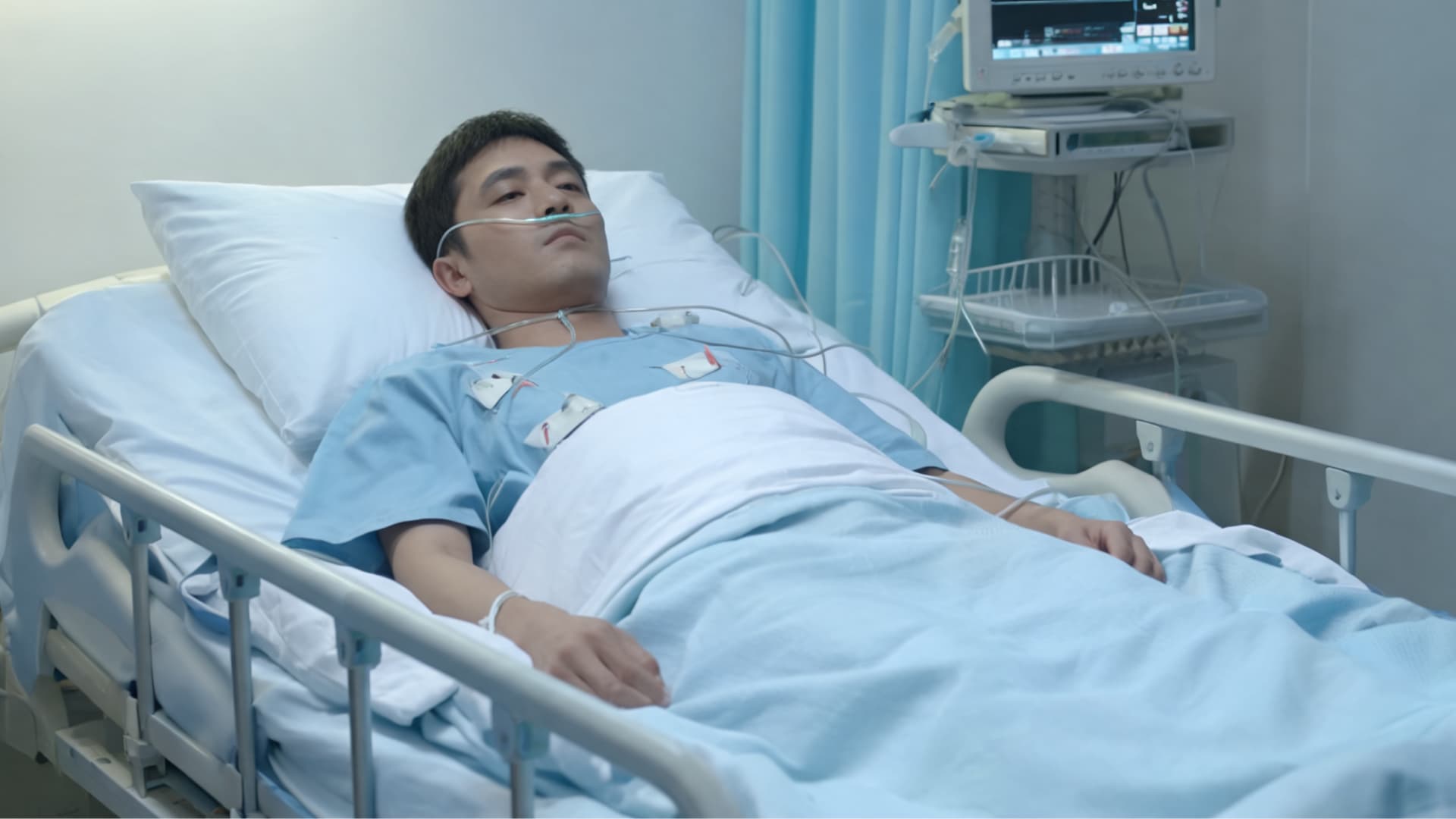
In a vegetative state, the patient begins showing reflexive responses, including eye opening, limb movement, and reactions to pain or loud sounds. These responses are not purposeful or voluntary; they reflect intact autonomic pathways in the brainstem rather than conscious awareness. The patient may appear to be awake, but they are not.
This distinction matters for caregivers. Reflexive responses can look like communication or recognition, which creates painful misreadings. The key neurological difference is that in a coma, even brainstem reflexes are largely absent. In a vegetative state, those primitive reflexes return first because the brainstem recovers before the cortex.
Sensory stimulation programs can begin here, but they require careful calibration. Soft music the patient enjoyed before injury, familiar scents, and gentle tactile input can provide meaningful input without overwhelming the system.
A consistent schedule of stimulation followed by rest periods gives the brain time to process. Nursing priorities, including turning schedules, hygiene, pressure injury prevention, and pain monitoring, remain the central focus.
Stage 3: Minimally Conscious State (Localized Response)

The minimally conscious state marks the first appearance of genuine, if inconsistent, awareness. Patients may follow a simple command such as “look at me” or turn toward a familiar voice.
They may track objects visually, reach for items, or make vocalizations. These responses are reproducible on some occasions but not on others, which distinguishes this stage from later stages of recovery where responses become reliable.
Therapy at this stage focuses on establishing consistent communication pathways. Even a yes/no eye blink system, if it can be replicated across multiple sessions, represents significant progress. Short, clear instructions work better than complex sentences.
Repetition builds the neural patterns needed for more consistent responses. Familiar objects and preferred sensory input, whether music, photographs, or a particular voice, tend to produce the most reliable engagement.
Caregiver strategy: provide frequent orientation reminders. Name yourself, explain where the patient is, and describe what is about to happen before each interaction. Keep sessions short, typically 15 to 20 minutes, followed by rest. Overstimulation at this stage can cause a patient to withdraw rather than progress.
Stages 4 to 6: Cognitive and Behavioral Recovery Phase
As the patient emerges from the minimally conscious state, the recovery focus shifts from basic responsiveness to cognitive and behavioral function. This phase is often the most challenging for families because the patient appears to be “awake” but behaves in ways that can be confusing, frightening, or exhausting to manage.
Stage 4: Post-Traumatic Amnesia (Confused and Agitated)
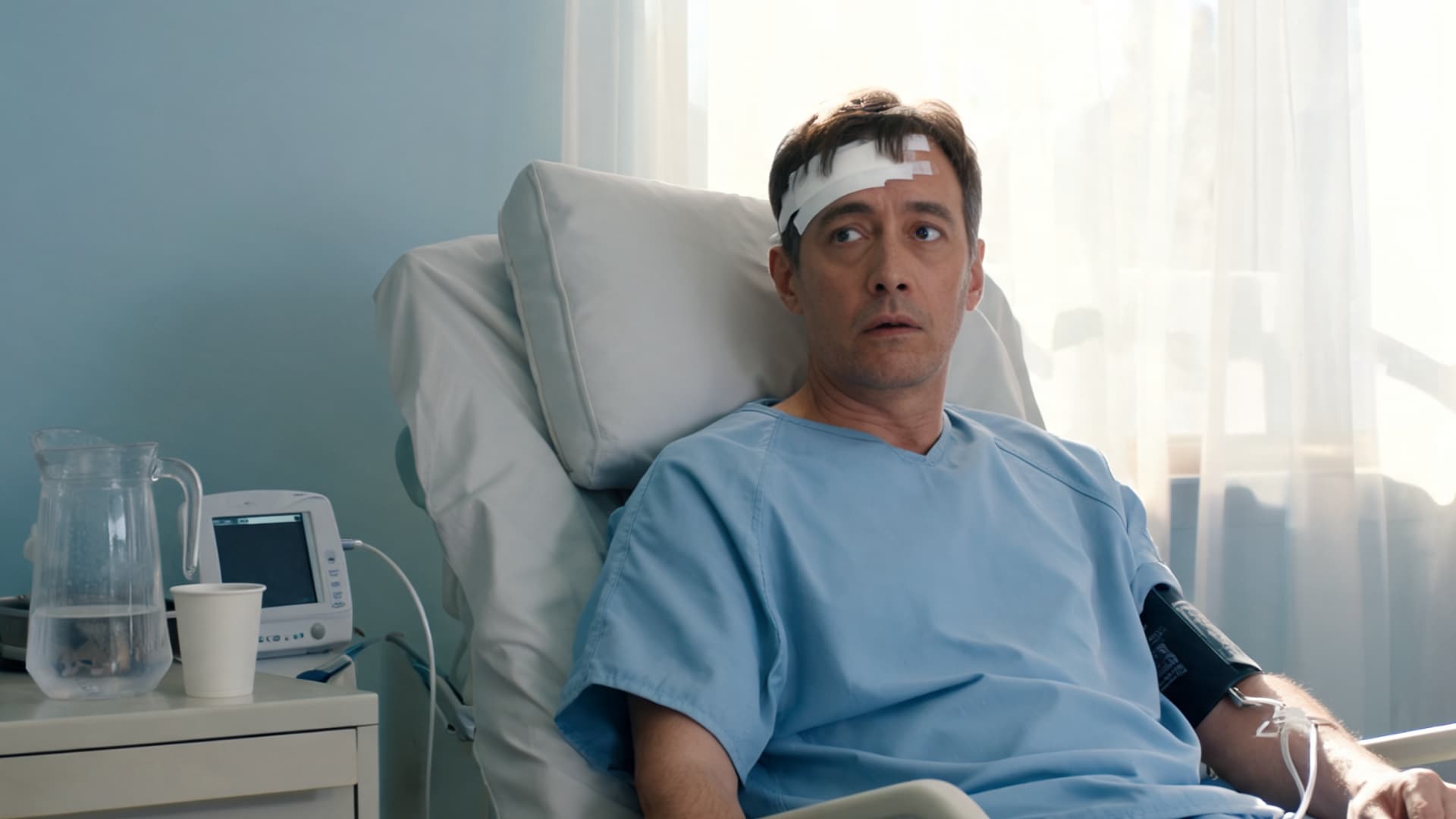
Post-traumatic amnesia (PTA) is a period of profound disorientation after emerging from coma or the minimally conscious state. The patient cannot form new memories reliably, does not know where they are or why, and may behave in ways that appear aggressive, irrational, or completely out of character.
Agitation is a neurological symptom here, not a personality change or willful behavior. The brain is overwhelmed by sensory input it cannot yet process or contextualize.
Safety is the overriding priority. The patient may try to remove IV lines, get out of bed unsafely, or react physically to perceived threats. Remove environmental hazards, use padded side rails if recommended by the medical team, and ensure supervision for all physical activity.
Predictable daily routines reduce the cognitive load significantly. When the patient knows what comes next, the demand on a disoriented brain drops. Keep instructions to single steps.
Avoid arguing or trying to reason through the confusion; instead, redirect calmly. Cognitive exercises at this stage are simple: naming objects, sorting by color, or responding to their own name consistently.
Stage 5: Confused and Non-Agitated
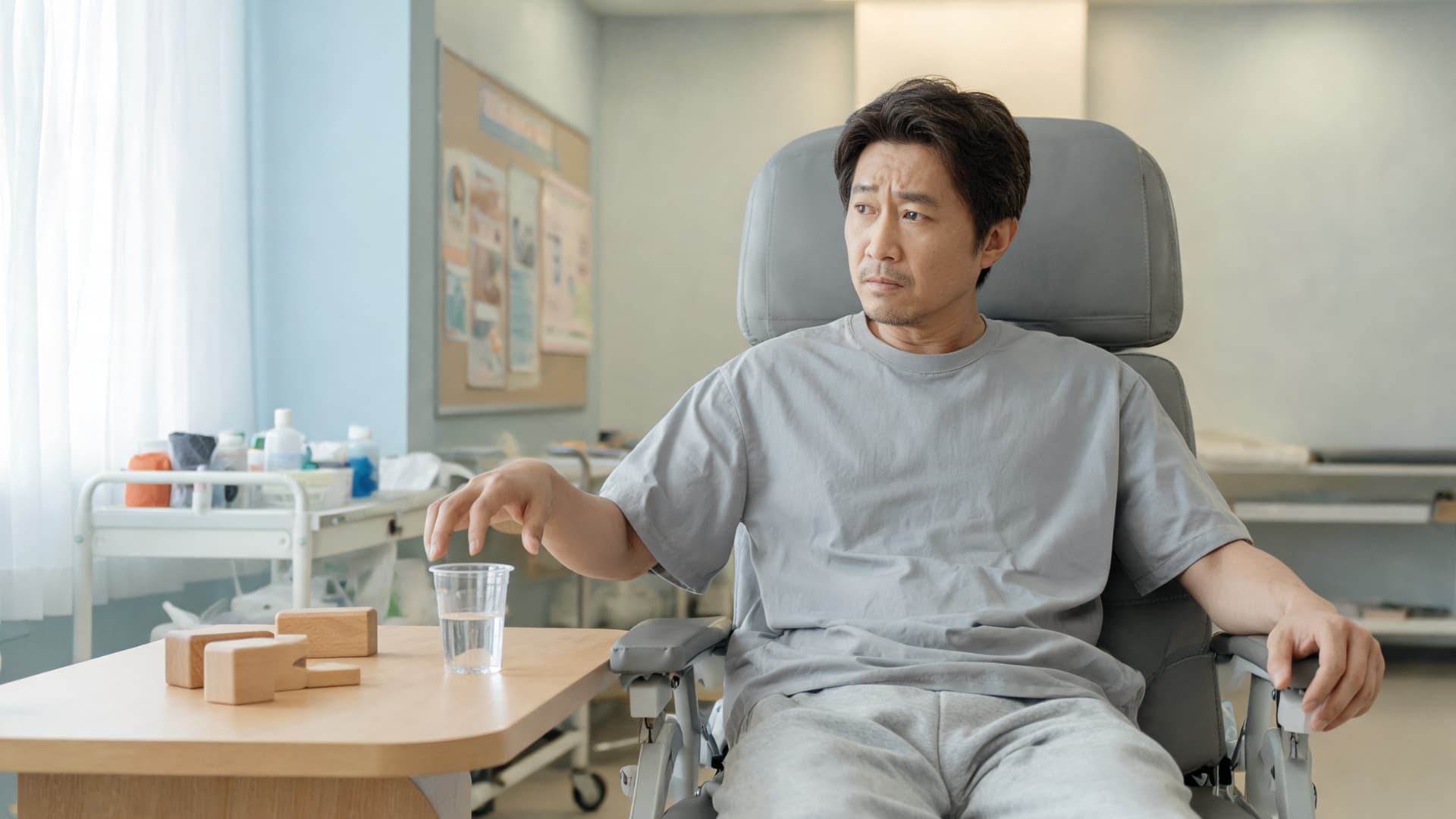
Agitation diminishes in stage 5, but significant confusion persists. Attention spans remain short, often only a few minutes on a single task. Responses may be inconsistent from session to session. Problem-solving is impaired, and the patient may struggle to sequence even familiar activities like dressing or eating a meal.
Therapy here reinforces daily living skills through structured repetition. The goal is not to teach new skills but to rebuild access to skills the patient already possessed before injury. Occupational therapists use task analysis to break activities into their smallest components, then practice those components in sequence.
Caregivers can reinforce this at home by maintaining the same structure the therapy team uses and prompting with consistent verbal cues rather than doing tasks for the patient.
Encouraging safe exploration matters here. Patients who are allowed to attempt activities with supervision, rather than having everything done for them, rebuild confidence more quickly. The key is matching the challenge level to the patient’s current capacity: just difficult enough to require effort, not so difficult that failure becomes demoralizing.
Stage 6: Confused but Appropriate
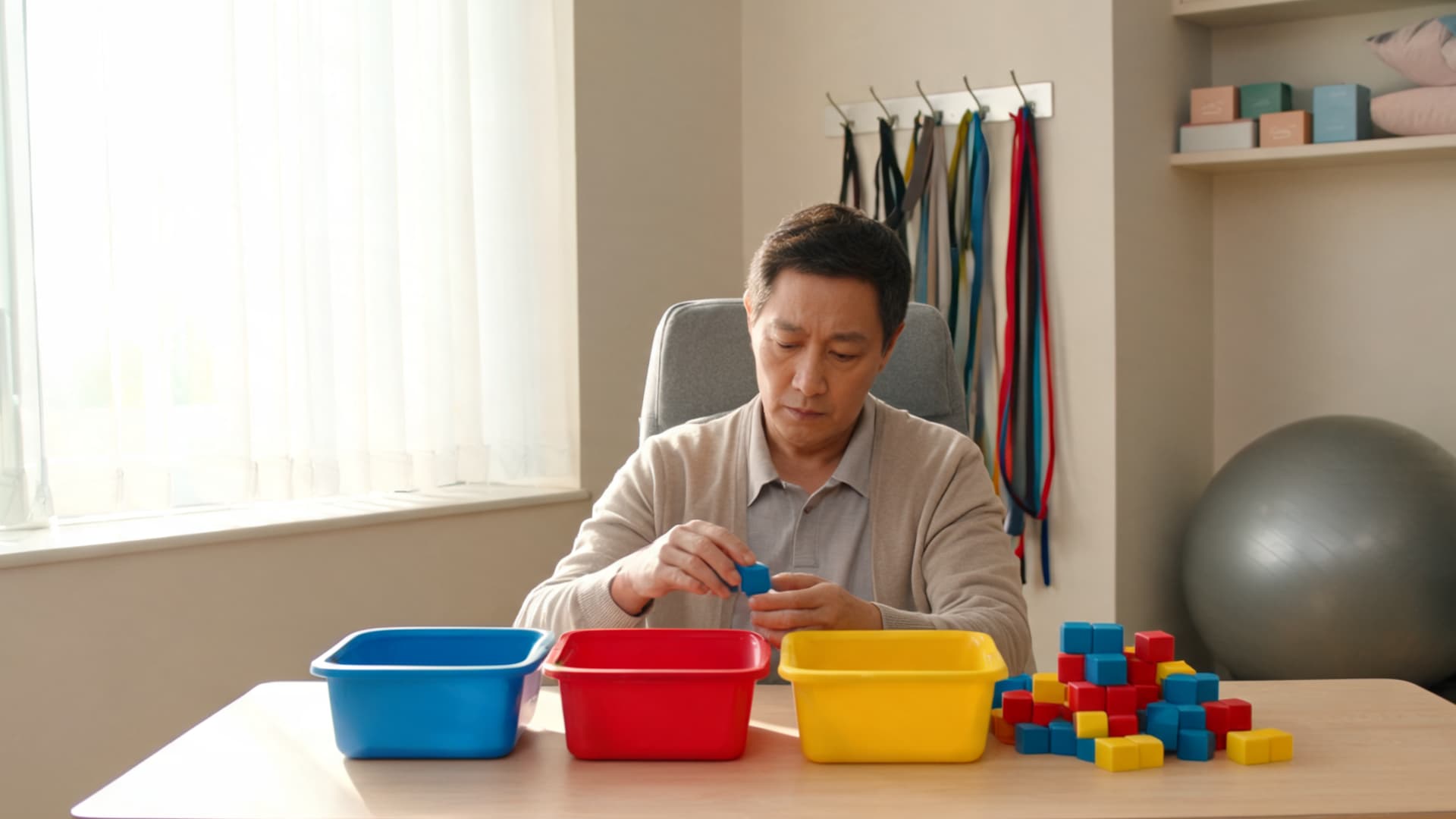
Stage 6 is a significant functional turning point. The patient now demonstrates goal-directed behavior with supervision. They can follow multi-step instructions, carry out basic daily activities, and behave appropriately in familiar environments.
Short-term memory impairment persists, and adapting to unexpected changes is still difficult, but responses are no longer random or purely reactive.
Therapy shifts to functional task training combined with early cognitive retraining. Memory aids, such as a written daily schedule or a whiteboard with orientation information, become useful tools rather than confusing clutter.
Social interaction practice, beginning with familiar people in low-stimulus environments, helps rebuild conversational sequencing. Caregivers should introduce gradual changes to routine in small increments, allowing the patient time to adapt before adding new challenges.
Positive reinforcement for task completion builds engagement and motivation at a stage where patients often begin to recognize their own deficits, which can bring discouragement.
Stages 7 to 10: Functional Independence Phase
The functional independence phase represents the highest levels of the Rancho Los Amigos Scale. Most patients who reach stage 7 continue to make progress, though the rate of improvement slows compared to earlier stages.
The focus shifts from basic function to quality of function: refining judgment, improving executive function, and supporting reintegration into work, social life, and community.
Stage 7: Automatic and Appropriate

Daily routines can now be completed with minimal assistance in familiar environments. The patient moves through habitual sequences, getting up, grooming, eating, and moving around the home, largely on automatic.
Novel or complex situations still pose challenges, and insight into their own deficits may be limited. This lack of self-awareness is one of the most common sources of safety concerns at stage 7: the patient feels ready for independence before their judgment fully supports it.
Therapy continues with multi-step cognitive tasks, memory exercises using external aids, and increasing physical complexity. Balance training, stair navigation, and community mobility work enter the program.
Caregivers can allow supervised autonomy and avoid doing things for the patient that they can attempt safely on their own. Reinforcing the therapy home program consistently and logging behavioral observations to share with the clinical team helps track the transition to stage 8.
Stage 8: Purposeful and Appropriate with Standby Assistance

Memory, awareness, and judgment are visibly improved at stage 8, though challenges persist when situations are unpredictable or emotionally charged. The patient is aware of their deficits and can begin to use compensatory strategies with coaching. Social appropriateness is generally intact but may break down under fatigue or stress.
Therapy at this stage focuses on advanced cognitive exercises, social skills training, and structured community reintegration. Real-world tasks such as making purchases, navigating public transport, or managing a simple schedule become therapy targets.
Caregivers act as standby support, present for safety and guidance but not directing the patient through each step. Graduated exposure to unfamiliar environments, one new setting at a time, gives the patient a chance to apply coping strategies before being overwhelmed.
Stage 9: Purposeful and Appropriate with Standby Assistance on Request

At stage 9, the patient manages most daily tasks independently. Assistance is needed only when an activity is genuinely unfamiliar or involves complex planning and judgment.
The patient initiates their own requests for help rather than requiring a caregiver to anticipate needs. Executive function, including planning, sequencing, and decision-making, is largely intact for routine situations.
Therapy fine-tunes higher-level skills: complex problem-solving, managing multiple tasks simultaneously, and navigating social nuances. Vocational rehabilitation and return-to-work planning often begin at this stage.
Community participation, recreational activities, and social reintegration are active therapy goals rather than aspirational ones. Caregivers shift into a backup role, available but not directing, and watch for signs of fatigue that can temporarily reduce function to stage 8 levels.
Stage 10: Purposeful, Appropriate, and Modified Independent

Stage 10 represents the highest level of recovery on the Rancho Los Amigos Scale. The patient is functionally independent in daily life, work, and social activities. Mild cognitive or physical limitations may still be present, but the patient uses compensatory strategies effectively enough that they do not require external supervision or assistance for routine functioning.
“Modified independent” is the key qualifier. This does not mean the patient has returned exactly to the pre-injury baseline.
Many stage 10 individuals use external memory aids, take longer to process complex information, or need more recovery time after high cognitive load. These adaptations are permanent in many cases. The goal is not to eliminate the adaptations but to ensure they are effective and well-integrated into daily life.
Ongoing exercise, cognitive engagement, and community participation help maintain function and slow any age-related decline. Caregivers transition fully into an advisory role. Therapy, if ongoing, focuses on refining multitasking, advanced planning, and continued adaptation to new life demands.
Brain Bleed Recovery: What Makes It Different
A brain bleed creates two injury mechanisms simultaneously: direct damage to brain tissue at the bleed site and pressure damage from the expanding hematoma compressing surrounding structures. This is why brain bleeds often require surgical intervention, either to drain the blood, relieve intracranial pressure, or clip an underlying aneurysm.
Patients and families should be aware that weight gain after surgery is a common and medically expected response during the immobilization period that follows these procedures, and it does not indicate a setback in neurological recovery.
Recovery depends not only on the initial bleed but on how quickly pressure was reduced and whether any secondary ischemia, tissue death from reduced blood flow, occurred.
Several specific complications shape rehabilitation after a brain bleed:
- Seizure risk. Blood is irritating to cortical tissue and significantly raises seizure threshold. Anti-seizure medications are often prescribed for the first several months. Activity restrictions during this period affect the pacing of physical rehabilitation.
- Blood pressure management. Hypertension is both a common cause of brain bleeds and a risk factor for rebleeding. Blood pressure targets are often stricter in bleed recovery than in TBI recovery from trauma, which can limit exercise intensity during early rehabilitation.
- Anticoagulation decisions. Patients on blood thinners for cardiac or vascular conditions face difficult medication management questions after a brain bleed. Restarting anticoagulation too soon risks rebleeding; delaying too long increases clot risk. This decision-making process affects the overall timeline of rehabilitation.
- Location-specific deficits. Because bleeds tend to produce focal damage, the specific deficits depend heavily on bleed location. A cerebellar bleed typically disrupts balance and coordination. A frontal lobe bleed often affects executive function and personality. Understanding the bleed location helps caregivers and therapists anticipate the most likely challenges.
Physical therapy in brain bleed recovery prioritizes motor skills, balance retraining, and coordination work. Cognitive rehabilitation addresses the memory, attention, and problem-solving deficits that are present across all TBI recovery types. The stages remain the same; the timeline and specific therapeutic emphases differ.
Brain Injury Recovery Timeline
Recovery speed depends on injury severity, patient age, pre-injury health, the quality and consistency of rehabilitation, and factors that are not yet fully understood. Most measurable improvement occurs within the first year, but functional gains continue well beyond that window in many patients.
| Phase | Duration | Typical Stage Range | Key Focus |
|---|---|---|---|
| Acute | 0 to 3 months | Stages 1 to 4 | Medical stabilization, emerging awareness, and preventing complications |
| Subacute | 3 to 12 months | Stages 4 to 7 | Cognitive retraining, motor recovery, behavioral management |
| Chronic | 1 year and beyond | Stages 7 to 10 | Community reintegration, executive function, long-term adaptation |
The timeline above reflects typical patterns, not guarantees. The same variability seen in ankle sprain recovery time applies here in amplified form: individual biology, pre-injury health, and consistency of rehabilitation all shift outcomes in ways no single timeline can predict.
Research published in the Journal of Neurotrauma and supported by NIH TBI data consistently shows that the first six months represent the fastest window of neuroplastic change.
This is why early, intensive, and consistent rehabilitation is the strongest predictor of long-term outcome: the brain is most adaptable during this period, and missed therapy time in the acute phase is harder to make up than missed time in the chronic phase.
Therapy and Rehabilitation Across the Stages
Rehabilitation for brain injury recovery involves three core therapy disciplines, each targeting different functional domains, and they work best when coordinated under a unified rehabilitation plan.
- Physical therapy addresses motor function, balance, coordination, strength, and mobility. In early stages, this means passive range-of-motion and positioning. In later stages, it involves gait training, balance challenges, and functional movement retraining for activities like stairs, transfers, and community mobility.
- Occupational therapy focuses on the practical tasks of daily living: dressing, grooming, cooking, managing finances, and returning to work. OTs also address upper extremity function, hand coordination, and the cognitive skills, sequencing, attention, and problem-solving that are embedded in daily activities.
- Speech-language pathology covers both communication deficits and cognitive-communication disorders. After TBI, patients often struggle not just with speaking or understanding language but with organizing thought, word retrieval under stress, and following complex conversations. Speech therapists also assess and treat swallowing dysfunction, which is common after severe TBI and affects nutrition and safety.
Neuroplasticity responds to repetition, specificity, and intensity. I have seen this principle hold consistently across the clients I work with: therapy that targets the exact movement or cognitive task the patient needs, practiced frequently enough to drive neural adaptation, produces better outcomes than general conditioning.
The research from the ACSM and TBI model systems supports this: task-specific training is more effective than generalized exercise alone for TBI rehabilitation.
| Trainer Tip: When coaching clients in post-acute TBI recovery, I use a simple rule: never increase cognitive demand and physical demand at the same time. If the physical challenge goes up this session, the cognitive load stays constant. If you are adding a new cognitive task, keep the movement simple. The brain can adapt to one new demand at a time more reliably than two simultaneously. |
Managing Emotions and Behavior After Brain Injury
Emotional and behavioral changes after TBI are neurological symptoms, not character flaws. Mood swings, irritability, impulsivity, anxiety, and depression are among the most common and most disruptive consequences of brain injury, and they often persist into stages 7 and 8 even when physical and cognitive function has substantially recovered.
The prefrontal cortex, which regulates emotional responses, impulse control, and social behavior, is particularly vulnerable in frontal and diffuse axonal injuries.
Damage there can make it genuinely harder for a patient to modulate their reactions, even when they want to. Caregivers who understand this are better equipped to respond to difficult behavior without taking it personally or inadvertently escalating situations.
Structured routines reduce behavioral disruption in the middle stages by lowering the cognitive and emotional load of each day. When a patient does not have to decide what comes next, the demand on a taxed prefrontal cortex drops significantly. Positive reinforcement for task completion and calm, consistent redirection when confusion or frustration arises are more effective than correction or confrontation.
Professional support is underused in TBI recovery. Neuropsychology, counseling, and peer support groups specific to TBI provide resources that neither therapists nor caregivers can fully substitute.
Depression and anxiety are treatable conditions in TBI recovery and should be addressed as actively as motor deficits, not managed through willpower alone.
When to Stop and Consult a Professional
Brain injury recovery has clear warning signs that require immediate medical attention. Do not wait to see if symptoms resolve on their own if any of the following occur:
- Sudden or rapidly worsening headache
- New or increasing confusion after a period of improvement
- Seizure activity of any kind
- Significant personality change over a short period
- Loss of speech or motor function that was previously present
- Sudden loss of consciousness
- Severe mood changes accompanied by statements of self-harm
A gradual plateau is expected and does not require emergency intervention, but a sudden reversal of progress, especially in stages 1 to 6, warrants urgent evaluation. Secondary complications, including hydrocephalus, chronic subdural collections, and delayed post-traumatic seizures, can mimic stalled recovery and are treatable if caught early.
Frequently Asked Questions
How long does it take to recover from a brain injury?
Recovery time varies enormously by injury severity. Mild TBI typically resolves within days to weeks with appropriate rest and graduated return to activity. Moderate to severe TBI recovery spans months to years, with the fastest neurological changes occurring in the first six months post-injury. Functional gains can continue beyond two to three years, particularly with consistent rehabilitation. There is no universal endpoint.
What are the stages of brain injury recovery for a brain bleed?
Brain bleed recovery follows the same 10-stage Rancho Los Amigos framework as other TBI types, but the timeline is often longer due to the pressure damage caused by the hematoma, the risk of seizures, and blood pressure restrictions that affect early rehabilitation intensity. Surgical intervention, when required, adds a recovery phase before rehabilitation begins in earnest. Location of the bleed is the strongest predictor of which specific deficits will be most prominent throughout recovery.
Can someone fully recover from a severe brain injury?
Full functional independence is achievable for many people with severe TBI, as reflected in stage 10 of the Rancho Los Amigos Scale. However, full recovery to exact pre-injury baseline is less common after severe injuries. Most stage 10 patients use compensatory strategies for residual deficits and require longer processing time in cognitively demanding situations. Research suggests that approximately 40% of TBI survivors regain substantial independence, though outcomes vary significantly by injury location, severity, and rehabilitation quality.
What does brain injury recovery look like at home?
Home-based recovery requires consistency with the therapy team’s prescribed program, a structured daily routine, and a caregiver who understands stage-appropriate expectations. Therapy apps and home exercise programs, when aligned with the treating therapist’s plan, can reinforce skill building between sessions. The home environment should be adapted for safety in stages 4 to 7, with hazards removed and supervision in place for any activity that poses fall or injury risk.
How does sleep affect brain injury recovery?
Sleep is the most important recovery interval in TBI rehabilitation. During slow-wave and REM sleep, the brain consolidates the neural changes built during therapy, clears metabolic waste through the glymphatic system, and regulates inflammation. Disrupted sleep, which is extremely common after TBI, directly slows progress and impairs focus during therapy sessions. Addressing sleep disorders, including post-TBI insomnia and sleep apnea, is a clinical priority in any comprehensive rehabilitation plan.
Does exercise speed up brain injury recovery?
Aerobic exercise at moderate intensity has been shown to promote neuroplasticity by increasing brain-derived neurotrophic factor (BDNF), which supports the formation of new neural connections. Exercise also improves sleep quality, mood, and cardiovascular health, all of which benefit recovery indirectly. The important caveat is that exercise intensity and type must be appropriate for the patient’s current stage. Premature high-intensity exercise in the early stages can worsen symptoms. All exercise should be cleared and supervised by the treating physical therapist before initiation.
What cognitive exercises help after a brain injury?
Stage-appropriate cognitive exercises are more effective than generalized brain training. In stages 4 to 6, structured daily tasks (sorting, scheduling, following multi-step recipes) are more useful than abstract puzzles because they directly target the functional skills the patient needs to regain. In stages 7 to 10, dual-task exercises that combine physical and cognitive demands simultaneously, such as walking while recalling a sequence, are effective for advancing executive function. Memory strategy training, including the use of external aids like planners and alarms, produces lasting functional gains in post-acute TBI.
Move Forward
Understanding the 10 stages of brain injury recovery helps you navigate the journey with clarity and confidence. You can anticipate challenges, track progress, and apply strategies to support therapy and independence.
Brain bleed recovery may require extra attention, but consistent care, patience, and structured guidance make a real difference. Each stage benefits from targeted therapy, monitoring, and a supportive environment to maximize recovery potential.
By following therapy plans, managing emotions, and providing encouragement, you help patients regain function and confidence.
I encourage you to share these insights, apply the caregiver tips, and check out guided exercises to actively support recovery every step of the way.
| Disclaimer: This article is for informational and educational purposes only. It does not constitute medical advice. Always consult a qualified healthcare provider, neurologist, or rehabilitation specialist before starting or modifying an exercise or rehabilitation program after brain injury. |
Sources
Rancho Los Amigos National Rehabilitation Center, “Levels of Cognitive Functioning Scale.” Downey, California. https://www.neuroskills.com/education-and-resources/rancho-los-amigos-revised/
National Institutes of Health (NIH) / National Institute of Neurological Disorders and Stroke, “Traumatic Brain Injury Information Page.” https://www.ninds.nih.gov/health-information/disorders/traumatic-brain-injury-tbi
Model Systems Knowledge Translation Center (MSKTC), “Understanding Traumatic Brain Injury, Part 3: The Recovery Process.” 2019. https://msktc.org/tbi/factsheets/understanding-tbi-part-3-recovery-process
American College of Sports Medicine (ACSM), “Exercise and the Brain: Neuroplasticity and Cognitive Function.” Accessed 2025. https://www.acsm.org