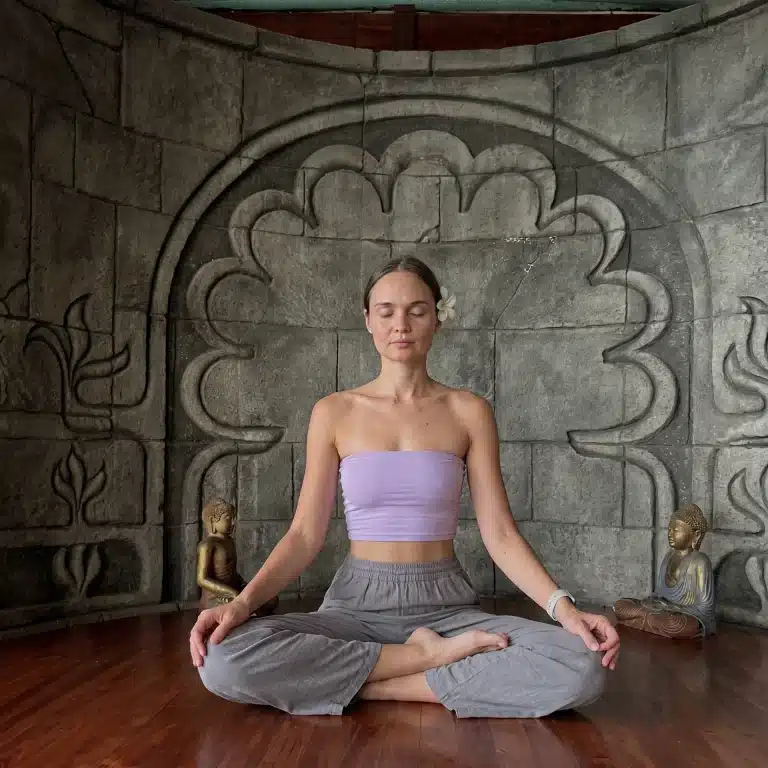
| Disclaimer: This article is for informational and educational purposes only. It does not constitute medical advice. Always consult a qualified healthcare provider before starting a new exercise, nutrition, or wellness program. |
| Style | Chakra Meditation / Yoga Mind-Body Practice |
| Level | All levels |
| Duration | 5-15 minutes per session (meditation); ongoing awareness practice |
| Props Needed | Mat or cushion, journal (optional) |
| Best Time | Morning or before creative work |
| Avoid If | Seek professional support if navigating trauma, significant grief, or a mental health condition |
The orange chakra meaning centers on one of the most commonly disrupted energy centers in the body: the sacral chakra, or Svadhisthana. It governs how you feel emotions, how freely you create, and how connected you feel to yourself and others.
When I first started exploring this energy center in my own practice, I was struck by how much it explained about patterns I had carried for years.
In this guide, I will walk you through what the sacral chakra represents, what it looks like when this energy center is out of balance, how it affects your physical body and your relationships, and which practices consistently help my students restore a steadier sense of emotional flow.
Understanding the Orange Chakra Meaning
The orange chakra is located in the lower abdomen, just below the navel near the pelvis. Its Sanskrit name, Svadhisthana, translates to “one’s own place,” pointing toward identity, inner experience, and emotional ownership.
This chakra takes its name from the sacrum bone at the base of the spine. It is associated with the water element, which is worth sitting with for a moment. Water does not fight its environment. It adjusts, flows around obstacles, and finds its level. That is the quality the sacral chakra invites: not rigidity, but responsive movement.
As the second chakra in the traditional seven-chakra system, it builds directly upon the survival grounding of the root chakra and expands it into emotion, connection, and self-expression.
Pairing it with a broader chakra yoga poses practice gives the body a physical entry point into each of these energy centers, starting with the most grounded and moving upward. Where the root chakra asks whether you are safe, the sacral chakra asks whether you feel free to feel.
What Does the Orange Chakra Represent?
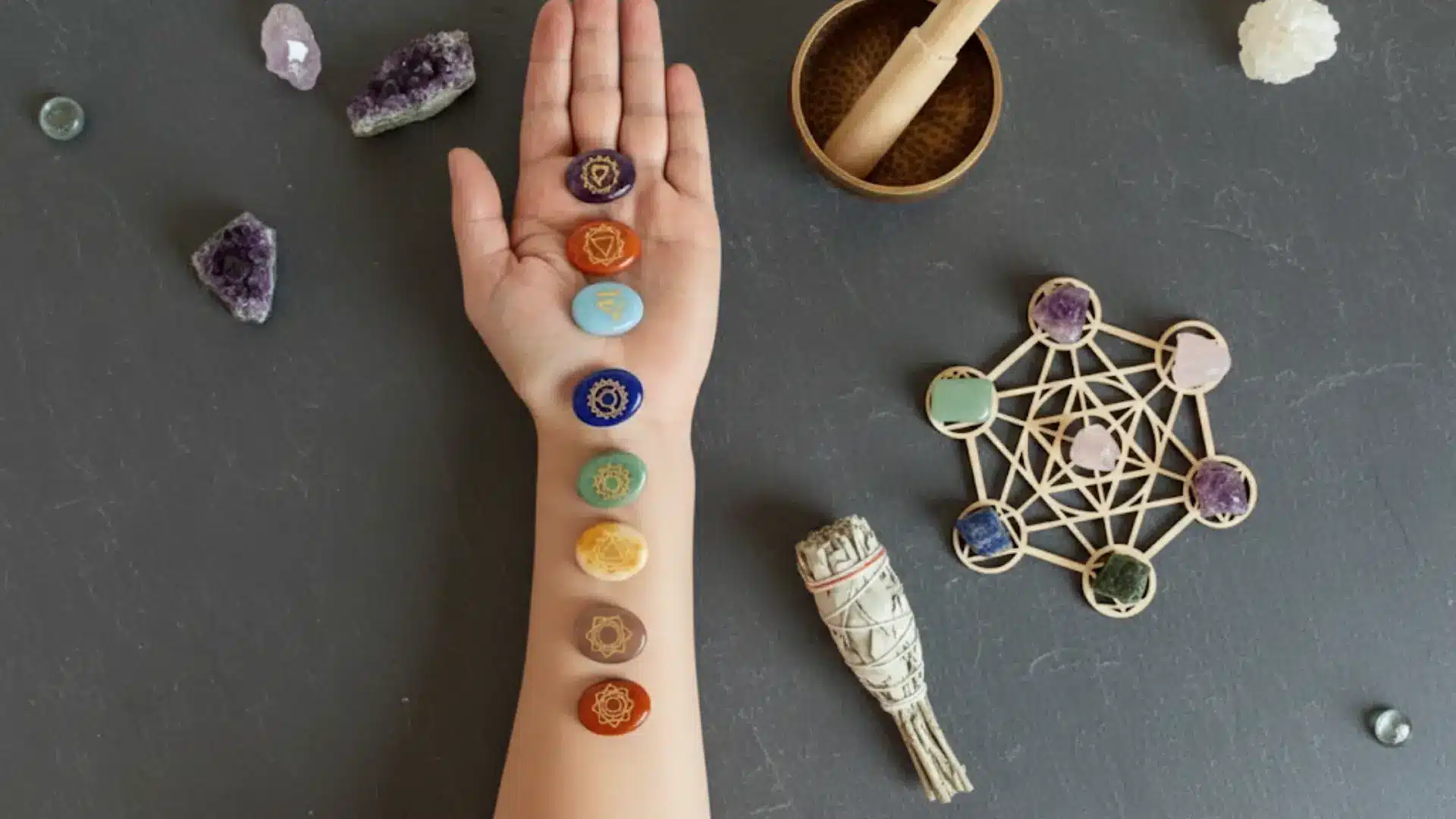
The orange chakra represents emotional expression, pleasure, creativity, desire, and relationship-based self-worth. At its core, it holds one question: Do you feel safe to feel?
This energy center influences six interconnected areas of lived experience:
- Emotional Expression: The capacity to process joy, sadness, attraction, and connection without suppressing or amplifying them past what is true.
- Creativity: Not limited to artistic output. This includes the ability to generate ideas, adapt under pressure, and problem-solve when life does not go as planned.
- Pleasure and Enjoyment: Comfort with experiencing physical and emotional pleasure without guilt. Many people have learned that wanting feels excessive. This chakra holds that wound.
- Sexual Energy: Healthy intimacy, desire, and sensual awareness, separate from performance or obligation.
- Motivation and Drive: The natural pull toward experiences that feel meaningful or fulfilling, rather than driven by fear or compulsion.
- Relational Confidence: A steady sense of self-worth within relationships, including the ability to hold your own sense of self when closeness increases.
These six areas rarely exist in isolation. When one feels stuck, the others tend to follow.
The Spiritual Meaning of Orange
The color orange sits between red and yellow on the visible spectrum, and that position is meaningful. Red carries physical energy and survival instinct. Yellow carries intellect and personal will. Orange blends both: it is physical energy given direction and expression.
In spiritual traditions across cultures, orange has long been associated with life energy in motion. Not chaos, but aliveness. Not passivity, but responsiveness. In Hinduism and Buddhist practice, saffron and ochre robes worn by renunciants carry this same energy: the active choice to engage fully with inner life rather than the outer world.
The sacral chakra’s water element reinforces this. Water is not weak. It is one of the most persistent forces in nature. It moves through, around, and eventually through stone. That is the emotional quality this chakra cultivates: persistence without rigidity, depth without stagnation.
| Note: The bija (seed) mantra associated with the sacral chakra is VAM (pronounced “vum”). Chanting or silently repeating this sound during meditation is a traditional technique for activating Svadhisthana. You do not need to chant aloud; even mental repetition during breathwork carries the same intention. |
The Psychological Side of the Orange Chakra
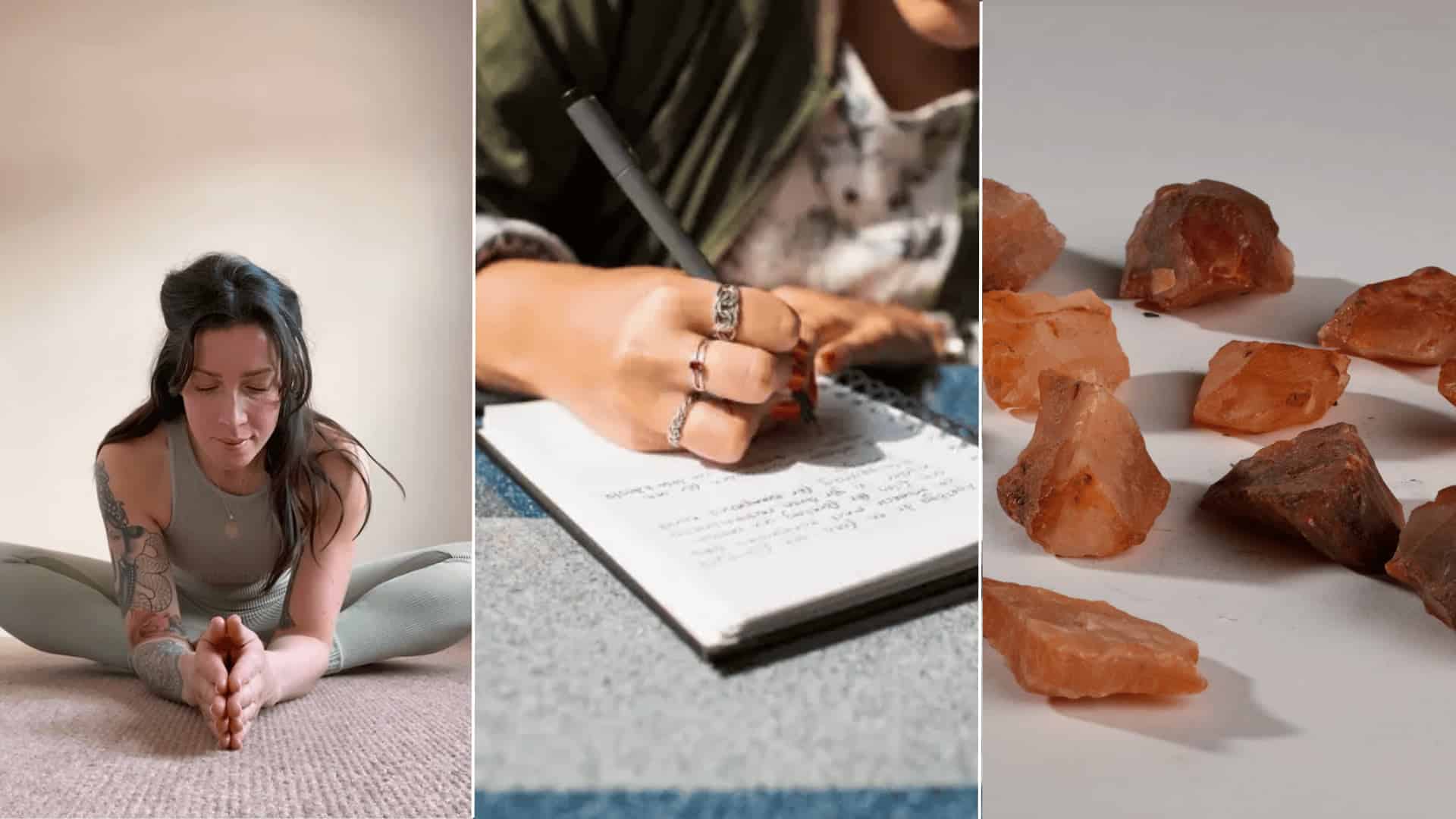
Psychologically, the sacral chakra shapes how you respond to rejection, jealousy, and the need for reassurance. It influences your attachment patterns, the way you enter and leave relationships, and how you handle the vulnerability that closeness requires.
Early messages about desire, pleasure, or emotional expression often settle here. If you grew up in an environment where wanting was framed as excessive, or where certain emotions were unsafe to show, that learning does not stay in childhood.
It migrates into adult behavior, shaping how you relate to intimacy, creativity, and your own sense of worthiness.
When this energy is steady, boundaries feel clearer without becoming walls. You can say yes without pressure and no without guilt. Emotional responses feel measured rather than impulsive.
In my classes, I often notice that students doing hip-opening work will suddenly find themselves emotional in a way that surprises them. That is not an accident. The pelvis holds a great deal of what we have learned not to feel.
Signs of a Blocked Orange Chakra
The sacral chakra can move out of balance in two directions: too little energy flowing through it, or too much without regulation. Neither extreme is healthy. Understanding the difference helps you identify which direction your energy is leaning before choosing how to respond.
| Aspect | Underactive | Overactive |
|---|---|---|
| Emotions | Numb, flat, disconnected | Dramatic, reactive, unstable |
| Libido | Low or absent | Obsessive or compulsive |
| Creativity | Stagnant, blocked, uninspired | Scattered, restless, unfocused |
| Pleasure | Fear of enjoyment, self-denial | Excess seeking, never satisfied |
| Intimacy | Avoidant, emotionally closed | Codependent, clingy, needy |
| Behavior | Withdrawn, passive | Jealous, addictive tendencies |
Most people recognize themselves somewhere in that table. Few sit cleanly in one column. What you are looking for is the direction of the lean, not a diagnosis. The goal is not a perfect energy center; it is a more honest relationship with the one you have.
The Physical Body and the Sacral Chakra
These are energetic and spiritual associations, not medical diagnoses. That distinction matters. But many practitioners, myself included, have found that emotional patterns often show up first as physical sensations in specific areas of the body.
The sacral chakra is traditionally associated with the following areas:
- Lower back: Chronic tightness or aching in the lumbar region often correlates with stored emotional stress, particularly around control, change, and creative suppression.
- Hips: The hips are one of the body’s primary storage sites for unprocessed emotion. This is why sacral chakra poses that open the hip flexors and inner groin can produce unexpected emotional responses in otherwise calm students.
- Reproductive system: On an energetic level, this chakra is thought to influence reproductive health and hormonal rhythm. Chronic tension here is often the body expressing something it has not been given words for.
- Kidneys and bladder: In many yogic traditions, the kidneys govern fear, and the bladder governs emotional release. Both sit within the sacral chakra’s physical territory.
- Pelvis: As the physical home of this chakra, pelvic tension often reflects emotional rigidity: a habitual bracing against change, pleasure, or vulnerability.
Physical tension in these areas is not always purely mechanical. Sometimes it is the body’s way of holding something the mind has not yet processed.
The Orange Chakra and Relationships
The sacral chakra is the energy center most directly implicated in how you navigate romantic and intimate connection. It shapes how you handle closeness, desire, and the vulnerability that physical intimacy requires.
In relationships, the patterns people bring to the sacral chakra tend to show up clearly. Some people withdraw when things deepen. Others rush in and feel panic when distance appears. These patterns often originate in what was learned early about whether closeness was safe, reliable, or conditional.
This chakra also governs comfort with pleasure itself. You may enjoy intimacy and still feel guilty about desiring it. Desire can feel excessive or embarrassing when this energy is constricted. Sexual confidence grows here as well, and it is less about performance than about ease in your own body. When this center feels steady, intimacy feels natural, mutual, and grounded rather than one-sided or fraught.
| Marissa’s Note: Students who struggle with creative blocks often also report feeling disconnected in their relationships. I have seen this pattern often enough to take it seriously. The sacral chakra does not separate your art from your intimacy. They draw from the same well. |
How to Heal and Balance the Orange Chakra
Balancing the sacral chakra does not require dramatic interventions. In my experience teaching yoga and working with students on energetic practices, the practices that produce the most lasting change are the quiet ones, done consistently and with real attention.
Movement and Yoga
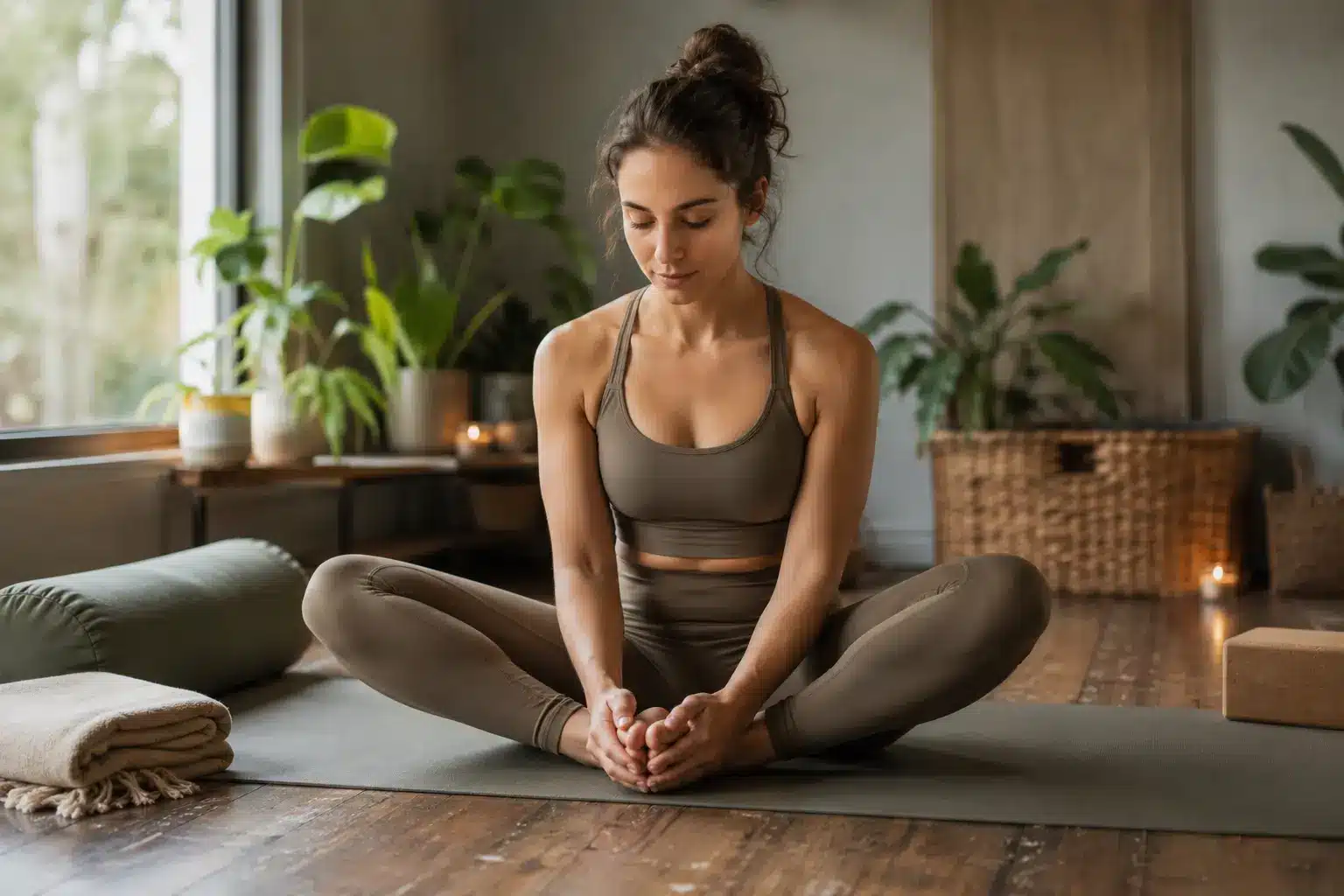
Hip-opening yoga poses, fluid movement sequences, and free dancing all work on the sacral chakra through the body first. The pelvis and hips hold stored tension, and deliberate movement creates both physical release and a signal to the nervous system that flow is possible. For a structured starting point, a regular practice of poses that target the inner groin, hip flexors, and lower back is a natural first step.
Journaling and Emotional Inquiry
Writing about guilt, desire, or early memories of what was allowed and not allowed emotionally can surface patterns that have been operating below awareness. The goal is not to excavate for the sake of it. It is to bring conscious attention to the rules you may still be living by, so you can choose which ones to keep.
Orange Light Visualization with Breath
Sit comfortably and place your hands on your lower abdomen. Visualize a warm orange light glowing just below your navel, steady and unhurried, like a candle flame rather than a searchlight. Breathe slowly into your belly. As you inhale, imagine the light expanding gently. As you exhale, release any held tension in the lower body. Practice this for 5 to 10 minutes. If you are new to this kind of practice, starting with a broader understanding of guided meditation types can help you find the format that feels most natural before adding chakra-specific focus.
Crystals as Symbolic Support
Carnelian and orange calcite are the stones most commonly used in sacral chakra work. They are not tools of intervention in a clinical sense. They serve as anchors: holding them during meditation or keeping them nearby during creative work can act as a consistent reminder to return attention to this energy center.
Orange Foods and Nourishment
Orange-colored foods such as mangoes, carrots, sweet potatoes, and oranges carry a color association with the sacral chakra. This is symbolic rather than nutritional in the chakra sense, but the act of preparing and eating these foods with awareness becomes a form of grounded, sensory practice.
Affirmations for the Sacral Chakra
Short affirmations work best when repeated during meditation or movement rather than read once from a list. Statements such as “I allow myself to feel fully,” “I deserve pleasure and joy,” and “My creativity flows freely” are most effective when delivered with slow exhalation, as though the body is absorbing the permission, not just hearing a sentence.
Consistency matters more than intensity. A five-minute daily practice rooted in awareness will outperform an occasional hour of effortful intervention.
Frequently Asked Questions
Can the orange chakra affect creativity?
Yes. The orange chakra is closely connected to creativity, not just in art but also in problem-solving, emotional expression, and flexible thinking. When this chakra feels blocked, ideas may feel stuck or forced. When balanced, creative energy usually feels more natural, playful, and easier to access.
What element is linked to the orange chakra?
The orange chakra is connected with the water element. Water represents flow, adaptability, emotion, and movement. This is why sacral chakra practices often focus on fluid movement, emotional release, hip-opening yoga, and breathwork that helps the body soften instead of staying tense or guarded.
Can the sacral chakra work feel emotional?
Yes. Sacral chakra practices can bring up emotions, especially during hip-opening poses, journaling, or lower-belly meditation. This does not mean something is wrong. It may simply show that the body is releasing stored tension or reconnecting with feelings that were previously suppressed.
What crystals are used for the orange chakra?
Carnelian and orange calcite are commonly used for sacral chakra work. They are usually treated as symbolic support rather than medical tools. People may hold them during meditation, place them nearby while journaling, or use them as reminders to return to creativity, pleasure, and emotional openness.
Is the orange chakra linked to confidence?
Yes, but it is different from solar plexus confidence. The orange chakra supports relational and emotional confidence, such as feeling comfortable with desire, intimacy, creativity, and self-expression. When balanced, it may help you feel more at ease being seen, heard, and emotionally honest.
Can men work with the sacral chakra?
Yes. The sacral chakra is not gender-specific. Men can benefit from sacral chakra practices that support emotional expression, creativity, intimacy, and body awareness. This work can be especially useful for anyone taught to suppress feelings, avoid vulnerability, or disconnect from pleasure and softness.
What blocks the orange chakra?
The orange chakra may feel blocked by shame, emotional suppression, creative rejection, guilt around pleasure, relationship wounds, or fear of vulnerability. These patterns can make the body feel guarded, and the emotions feel restricted. Gentle movement, journaling, meditation, and supportive therapy can help.
Final Thoughts
The orange chakra reminds you that feeling, creating, and connecting are not separate parts of life. They all come from the same inner place.
When I look at the orange chakra meaning, I see it as a guide for emotional flow, pleasure, creativity, and healthier relationships.
You learned where this chakra sits, what it represents, how imbalance can show up, and which practices can help restore steadier energy.
Small steps like hip-opening movement, journaling, visualization, and mindful nourishment can make this work feel practical. Start with one practice that feels easy today, and share your experience or read more chakra blogs next
Sources
Judith, Anodea. Wheels of Life: A User’s Guide to the Chakra System. Llewellyn Publications, 1987. A foundational text in Western chakra education, referenced for Svadhisthana characterization and emotional associations.
National Institutes of Health, National Center for Complementary and Integrative Health. “Yoga: What You Need To Know.” 2023. https://www.nccih.nih.gov/health/yoga-what-you-need-to-know
Streeter, Chris C., et al. “Effects of Yoga on the Autonomic Nervous System, Gamma-aminobutyric-acid, and Allostasis in Epilepsy, Depression, and Post-traumatic Stress Disorder.” Medical Hypotheses, 2012. Referenced for yoga and nervous system regulation context. PubMed
Khalsa, Sat Bir Singh, et al. “Yoga as a Therapeutic Intervention: A Bibliometric Analysis of Published Research Studies from 1967 to 2013.” Indian Journal of Physiology and Pharmacology, 2016. Referenced for yoga’s evidence base in mind-body practice. PubMed