| Article Focus | Low-carb lunch ideas for home, work, and meal prep |
| Net Carb Target | 10 to 20g net carbs per meal (general low-carb); under 10g for keto |
| Prep Time Range | 3 to 45 minutes, depending on the recipe |
| Main Proteins Used | Chicken, tuna, eggs, turkey, salmon, beef, cottage cheese |
| Low-Carb Bases Used | Lettuce, cauliflower rice, zucchini, eggplant, spaghetti squash, collard greens |
| Best For | Weight management, blood sugar control, sustained afternoon energy |
Most low-carb lunch ideas start with a salad and stop there. That is not enough to keep you full, and by 3 PM, you know it.
The real formula for a filling low-carb lunch is protein plus a smart base plus fat plus crunch plus a sauce that does not secretly spike your carbs. Get that combination right, and you will not need the vending machine at 4 o’clock.
This guide covers low-carb lunch ideas, from five-minute no-cook plates to warm baked meals, with a 5-day meal prep plan and the storage rules that keep everything from going soggy.
Here is what this actually means for your plate: variety, real food, and meals that hold you through the afternoon.
| Disclaimer: This article is for informational and educational purposes only. It does not constitute medical advice. Always consult a qualified healthcare provider before starting a new exercise, nutrition, or wellness program. |
Why Low Carb Lunch Ideas Work Better Than You Expect
A balanced low-carb lunch can make the rest of your day easier. Instead of a heavy, carb-loaded midday meal, you get something that digests more evenly and keeps your energy steadier into the afternoon.
Here is what the evidence actually supports:
- Protein and healthy fats take longer to digest than refined carbohydrates, which means fewer hunger spikes between meals. Research published in the American Journal of Clinical Nutrition confirms that higher-protein meals significantly increase satiety compared to lower-protein equivalents at the same calorie level.
- Large carb-heavy lunches can trigger a post-meal energy dip for some people. Low-carb meals with adequate protein tend to produce a flatter blood glucose response, which translates to steadier afternoon energy.
- Most of the low-carb lunch ideas here use just five to eight ingredients. Once you have cooked chicken, boiled eggs, and a few vegetables on hand, assembly takes under 10 minutes on most days.
- Protein-forward lunches are more likely to prevent overeating at dinner. The number that matters here is protein: aim for at least 25 to 35 grams per lunch to feel the difference.
The caveat: low-carb lunches only work when they are actually balanced. A plate of just lettuce and cucumber is low in carbs but also low in calories, protein, and fat. You will be hungry again in an hour. The ideas in this guide are built around the full formula.
The Low Carb Lunch Formula: Build Any Meal in Minutes
Once you understand the formula, you can build dozens of different low-carb lunch ideas without starting from scratch. Every filling, satisfying low-carb lunch has the same five components.
Protein + low-carb base + fat + crunch + sauce = a filling lunch that does not feel boring.
| Lunch Part | What It Does | Easy Options |
|---|---|---|
| Protein | Keeps the meal filling for 3 to 4 hours | Chicken, tuna, eggs, turkey, tofu, salmon |
| Base | Replaces bread, rice, or pasta | Lettuce, cauliflower rice, cabbage, zucchini, collard greens |
| Fat | Makes lunch feel complete, slows digestion | Avocado, cheese, nuts, olive oil, cream cheese |
| Crunch | Adds texture and volume without carbs | Cucumber, celery, peppers, pickles |
| Sauce | Adds flavor; watch for hidden sugar | Pesto, ranch, Caesar, buffalo, garlic yogurt |
Sauce is where most people unknowingly add carbs. Barbecue sauce, sweet chili sauce, honey mustard, and many teriyaki sauces each contain 6 to 12 grams of sugar per tablespoon. Pesto, Caesar, ranch, buffalo sauce, and garlic yogurt are reliable low-carb choices. Always check the label when using a bottled sauce.
This formula also makes meal prep straightforward: keep the wet parts separate, store sauces in small containers, pack lettuce leaves dry, and add crunchy toppings last. That single habit prevents the sogginess that makes most packed lunches disappointing.
Quick 10-Minute Low Carb Lunches
These are the low-carb lunch ideas I reach for when time is short. Each uses ready-to-eat protein, crisp vegetables, and a simple fat source. No cooking required for most of them.
1. Turkey Avocado Lettuce Wraps
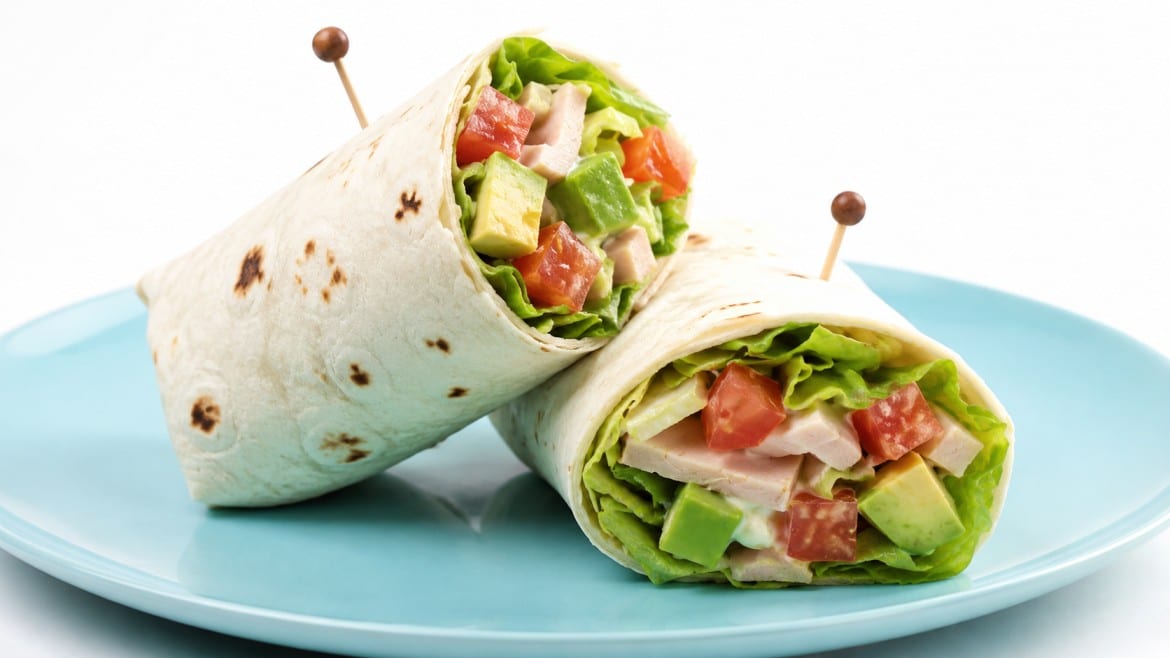
Prep time: 5 minutes | Approx. net carbs: 4 to 6g per serving
Ingredients: Turkey slices, avocado, lettuce leaves, cucumber strips, ranch or mustard.
- Wash the lettuce leaves under cold water.
- Pat the leaves completely dry with a paper towel.
- Lay the lettuce leaves flat on a plate or cutting board.
- Slice or mash the avocado.
- Spread avocado over the center of each lettuce leaf.
- Add turkey slices on top of the avocado.
- Place cucumber strips over the turkey.
- Drizzle with ranch or mustard.
- Fold in the sides and roll tightly.
- Serve right away for the best crunch.
Turkey provides protein, avocado adds fat to carry you through the afternoon, and lettuce replaces the tortilla entirely. Drying the lettuce thoroughly is not optional: wet leaves collapse under the filling. Add sauce right before eating to avoid sogginess.
2. Tuna Cucumber Boats
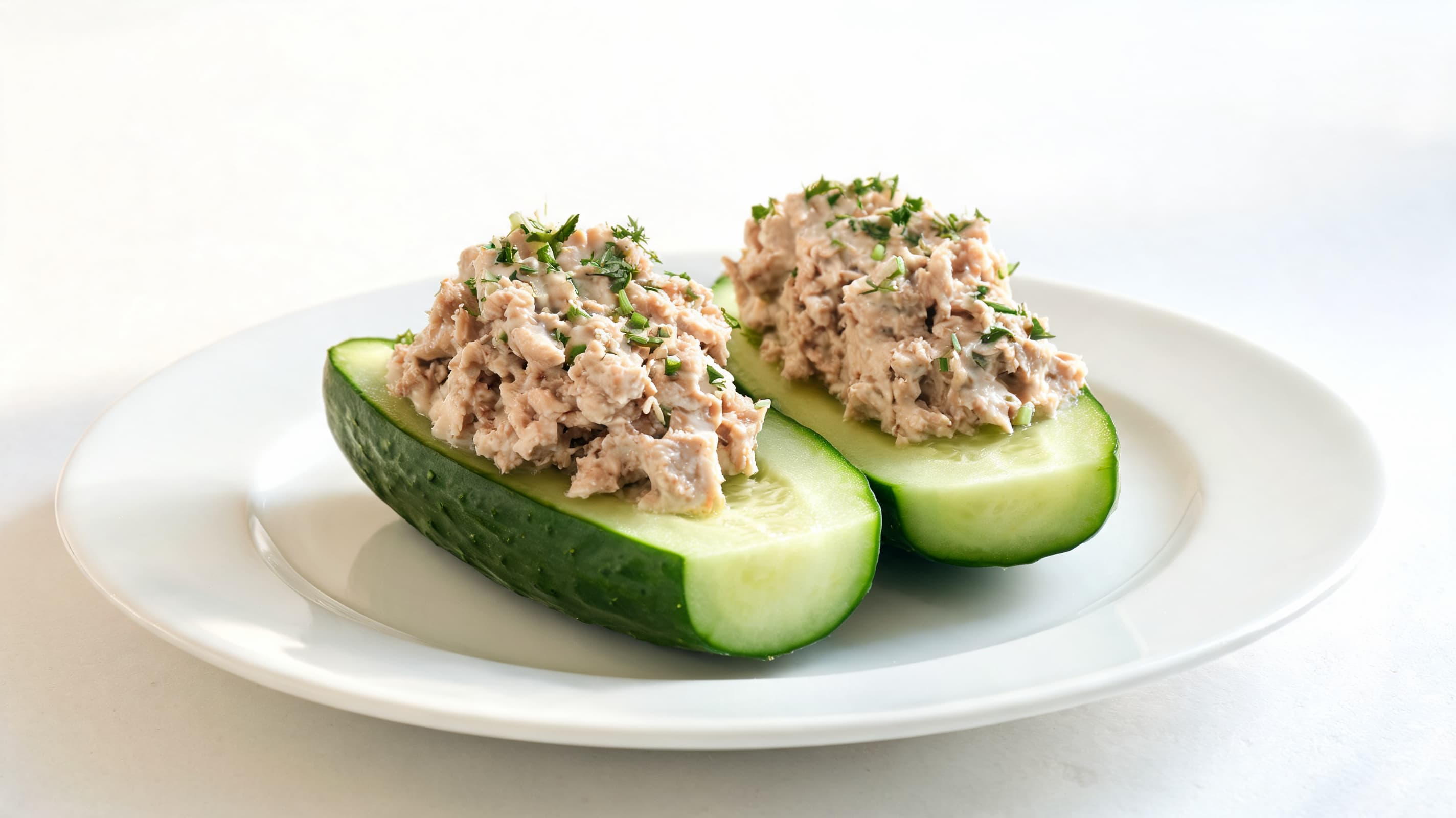
Prep time: 8 minutes | Approx. net carbs: 3 to 5g per serving
Ingredients: Cucumber halves, canned tuna, mayo, lemon juice, celery, salt, and pepper.
- Wash the cucumber and pat it dry with a paper towel.
- Slice the cucumber in half lengthwise.
- Use a spoon to gently scoop out the soft middle.
- Drain the canned tuna well so the filling does not become watery.
- Add tuna, mayo, lemon juice, celery, salt, and pepper to a bowl.
- Mix until the tuna salad is creamy but still slightly chunky.
- Spoon the tuna mixture into each cucumber half.
- Add extra black pepper, herbs, or a squeeze of lemon if desired.
- Serve cold right away for the best crunch.
Cucumber replaces crackers, providing a crisp, water-rich base that keeps the meal light. Tuna brings protein and mayo adds fat. Make these close to lunchtime: cucumbers release water as they sit, which loosens the filling.
3. Hard-Boiled Egg Lunch Plate
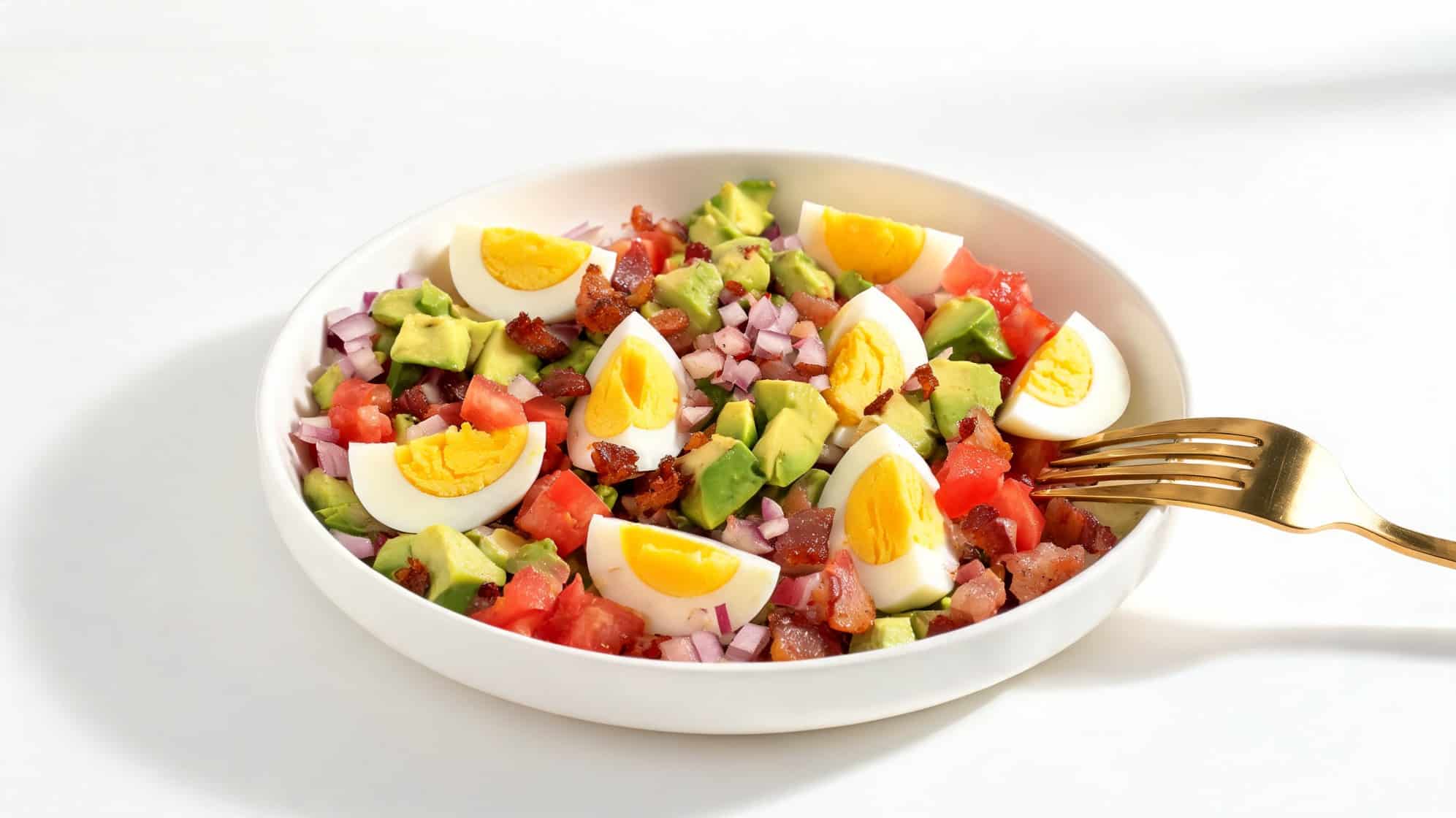
Prep time: 3 minutes (if eggs are pre-cooked) | Approx. net carbs: 5 to 8g per serving
Ingredients: Hard-boiled eggs, avocado, cherry tomatoes, cheese cubes, cucumber, and nuts.
- Peel the hard-boiled eggs.
- Slice the eggs in half or into rounds.
- Add the eggs to a plate or lunch container.
- Slice the avocado and cucumber.
- Add avocado, cherry tomatoes, cheese cubes, and cucumber.
- Add a small handful of nuts.
- Season with salt and black pepper.
- Pack with a fork if taking it to work.
- Keep chilled until ready to eat.
Eggs deliver both protein and fat in a single ingredient. Two large eggs provide about 12 grams of protein and 10 grams of fat, making them one of the most efficient building blocks for high-fiber low-carb meal planning. The plate can feel like a snack if you only pack eggs: add avocado, cheese, or a handful of nuts to push this into real lunch territory.
4. Deli Meat Roll-Ups with Cream Cheese and Cucumber
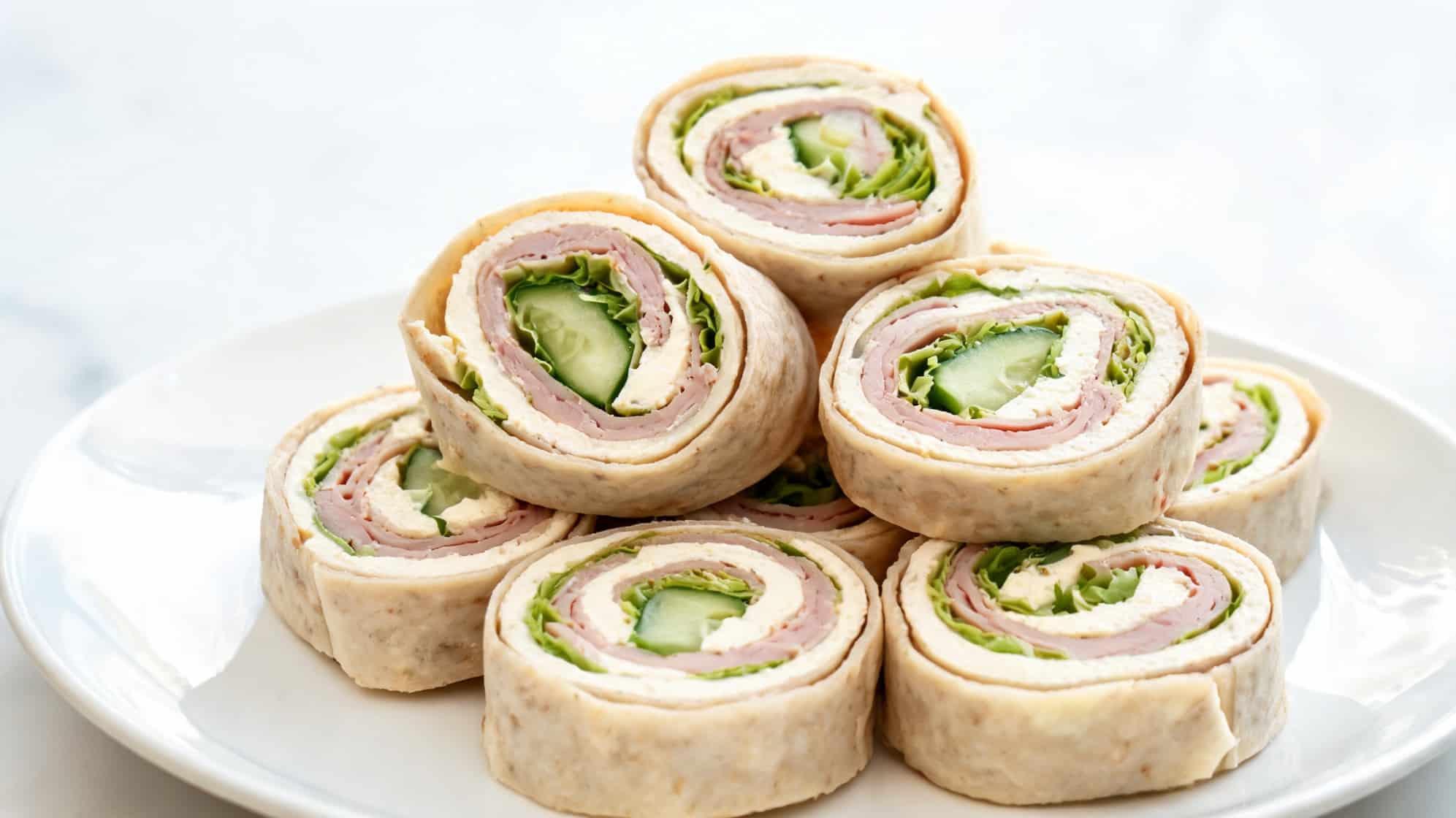
Prep time: 5 minutes | Approx. net carbs: 2 to 4g per serving
Ingredients: Turkey or ham slices, cream cheese, cucumber sticks, and everything seasoning.
- Lay turkey or ham slices flat on a clean surface.
- Pat the slices dry if they feel wet.
- Spread a thin layer of cream cheese on each slice.
- Place one cucumber stick near one edge.
- Sprinkle everything seasoning over the cream cheese.
- Roll each slice tightly around the cucumber.
- Repeat with the remaining deli slices.
- Place roll-ups in a container.
- Serve with fresh vegetables on the side.
These give you the feel of a sandwich without bread. Cream cheese adds fat, and cucumber adds crunch. They can taste overly salty on their own because deli meat is sodium-heavy: pair them with bell pepper strips, celery, or tomatoes to balance the plate.
5. Chicken Salad Lettuce Cups
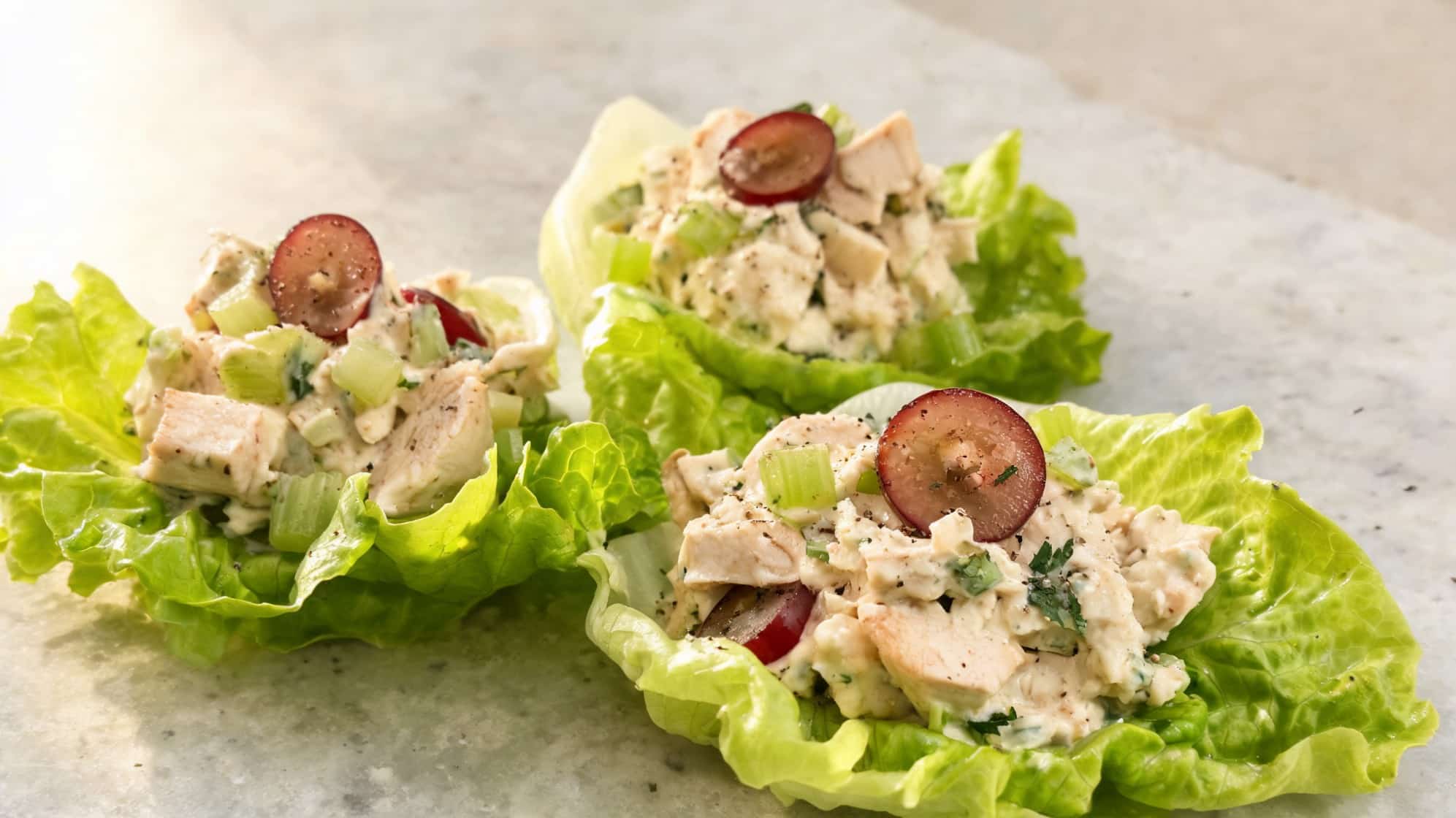
Prep time: 10 minutes | Approx. net carbs: 3 to 5g per serving
Ingredients: Cooked chicken, mayo or Greek yogurt, celery, herbs, lettuce leaves, salt, and pepper.
- Cut the cooked chicken into small pieces, or pull it apart with a fork.
- Put the chicken in a bowl.
- Add mayo or Greek yogurt, celery, herbs, salt, and pepper.
- Mix everything until the chicken is coated.
- Wash the lettuce leaves.
- Dry the leaves with a paper towel.
- Spoon the chicken mix into each lettuce leaf.
- Fold the lettuce around the filling.
- Eat it like a small wrap.
Chicken salad is one of the most practical high-protein, low-carb lunch ideas because cooked chicken works from Sunday’s meal prep throughout the week. Using Greek yogurt instead of mayo cuts fat slightly and adds a small amount of extra protein. Do not overfill the leaves: heavy chicken salad tears thin lettuce fast.
6. Cottage Cheese Bowl
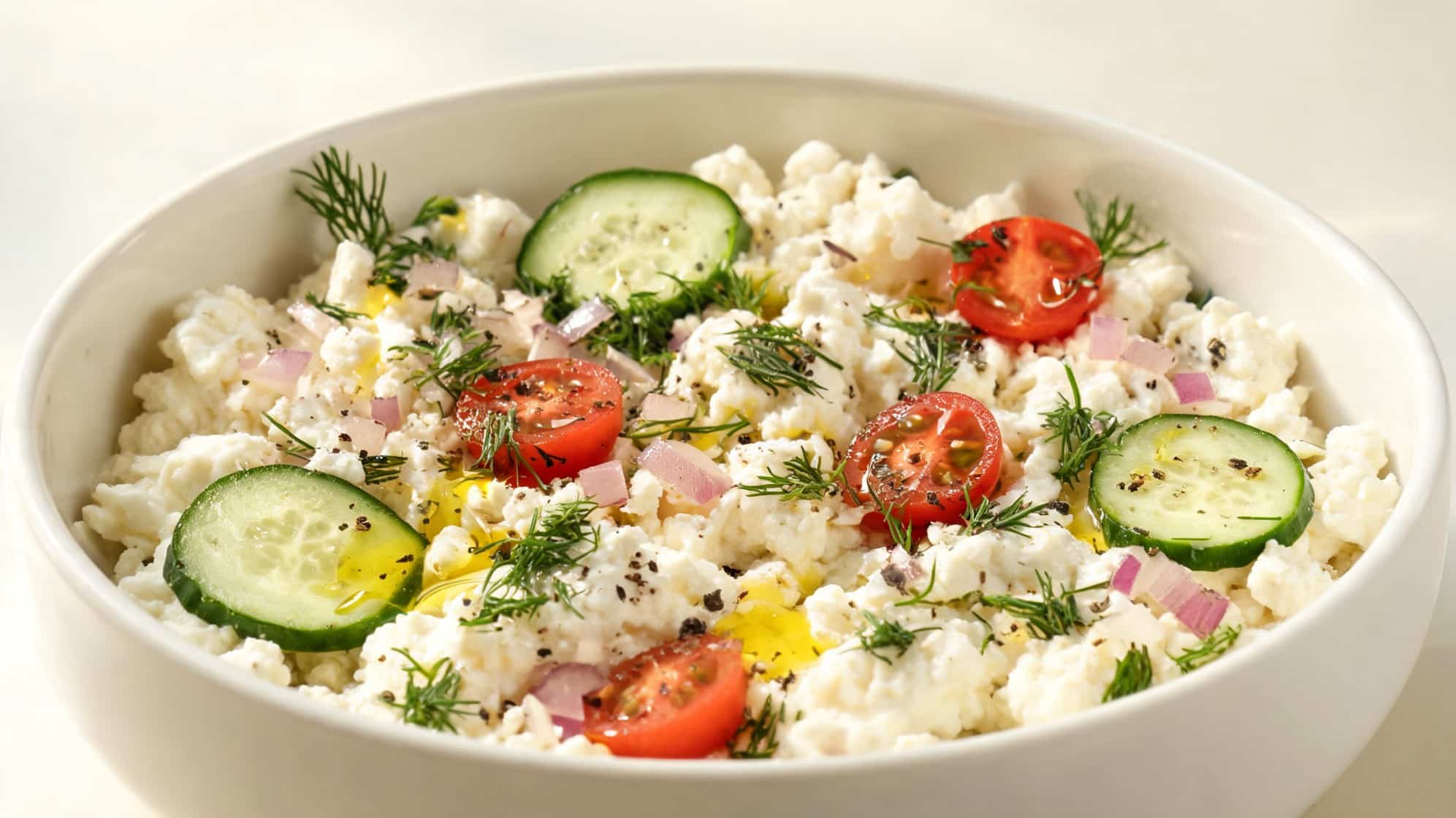
Prep time: 5 minutes | Approx. net carbs: 6 to 9g per serving
Ingredients: Cottage cheese, cucumber, tomato, herbs, black pepper, and olive oil.
- Add cottage cheese to a bowl or container.
- Wash and chop the cucumber.
- Wash and chop the tomato.
- Add the vegetables over the cottage cheese.
- Sprinkle with herbs and black pepper.
- Drizzle olive oil on top.
- Stir gently if eating right away.
- If packing, keep watery vegetables separate.
- Mix everything just before lunch.
One cup of low-fat cottage cheese contains roughly 25 grams of protein with about 8 grams of carbohydrates, making it one of the most protein-dense dairy options available. Cucumber and tomato add freshness with minimal carb cost. Keep watery vegetables in a separate container and stir them in just before eating.
Low-Carb Wraps and Roll-Ups
Wraps are the format most people miss when they switch to low-carb eating. You can get that handheld, sandwich-feel back with the right base. Romaine gives you crunch. Butter lettuce folds well and handles softer fillings. Collard greens are the strongest option and hold up best for packed lunches. Egg wraps add extra protein and behave most like a flour tortilla.
7. Chicken Caesar Lettuce Wraps
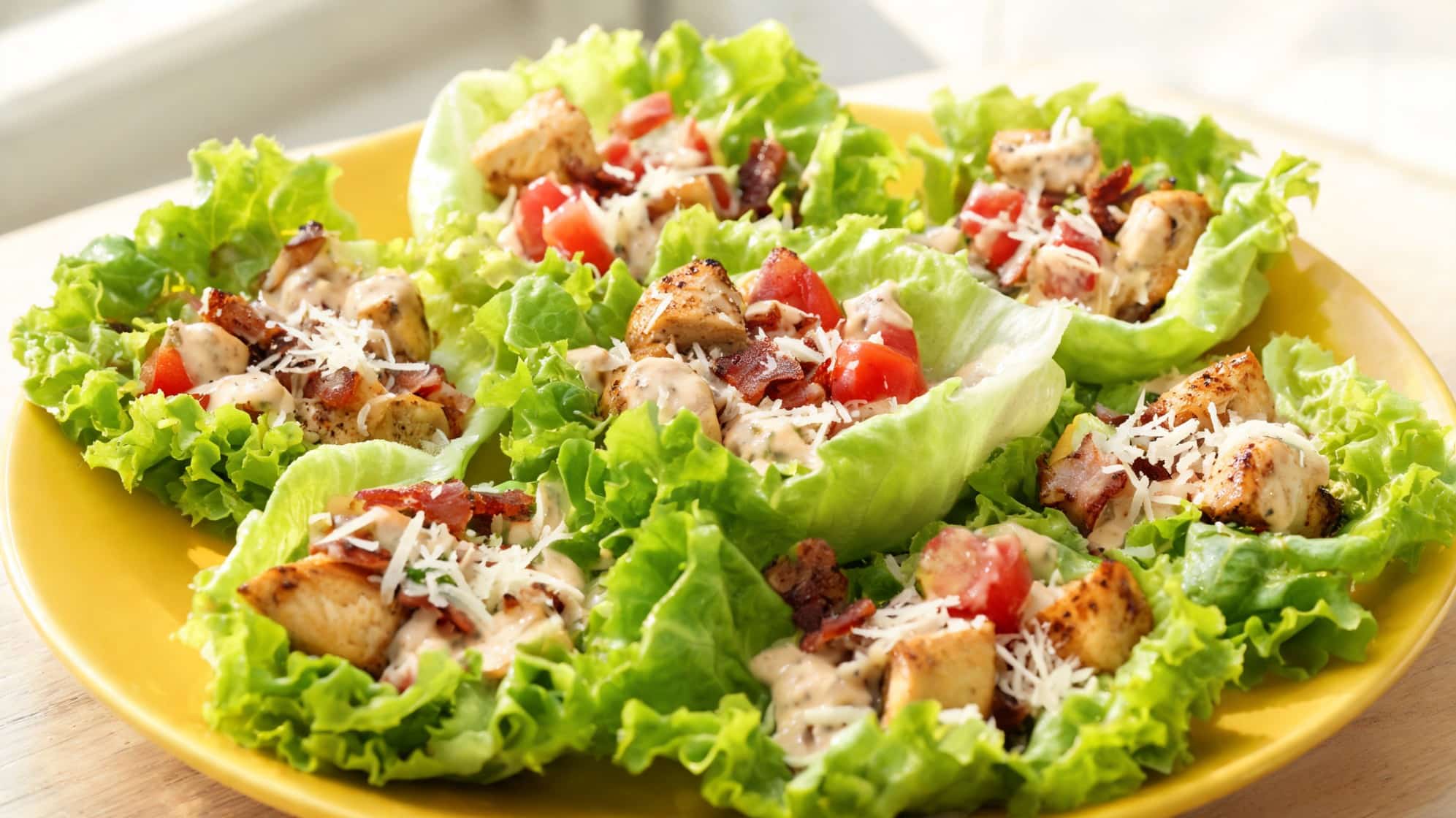
Prep time: 10 minutes | Approx. net carbs: 4 to 6g per serving
Ingredients: Romaine leaves, cooked chicken, Caesar dressing, parmesan, cucumber strips, black pepper, and lemon juice.
- Wash the romaine leaves.
- Dry the leaves well so they stay crisp.
- Slice or shred the cooked chicken.
- Add chicken to a bowl.
- Toss with a small amount of Caesar dressing.
- Lay romaine leaves flat.
- Add chicken, parmesan, cucumber, and black pepper.
- Add lemon juice if desired.
- Fold the sides in and roll gently.
Chicken brings protein, Caesar dressing, and parmesan add fat and flavor. Romaine keeps the wrap crisp so it feels more like a real sandwich. Keep the dressing light: too much sauce softens the lettuce within minutes.
8. Turkey Bacon Avocado Collard Wraps
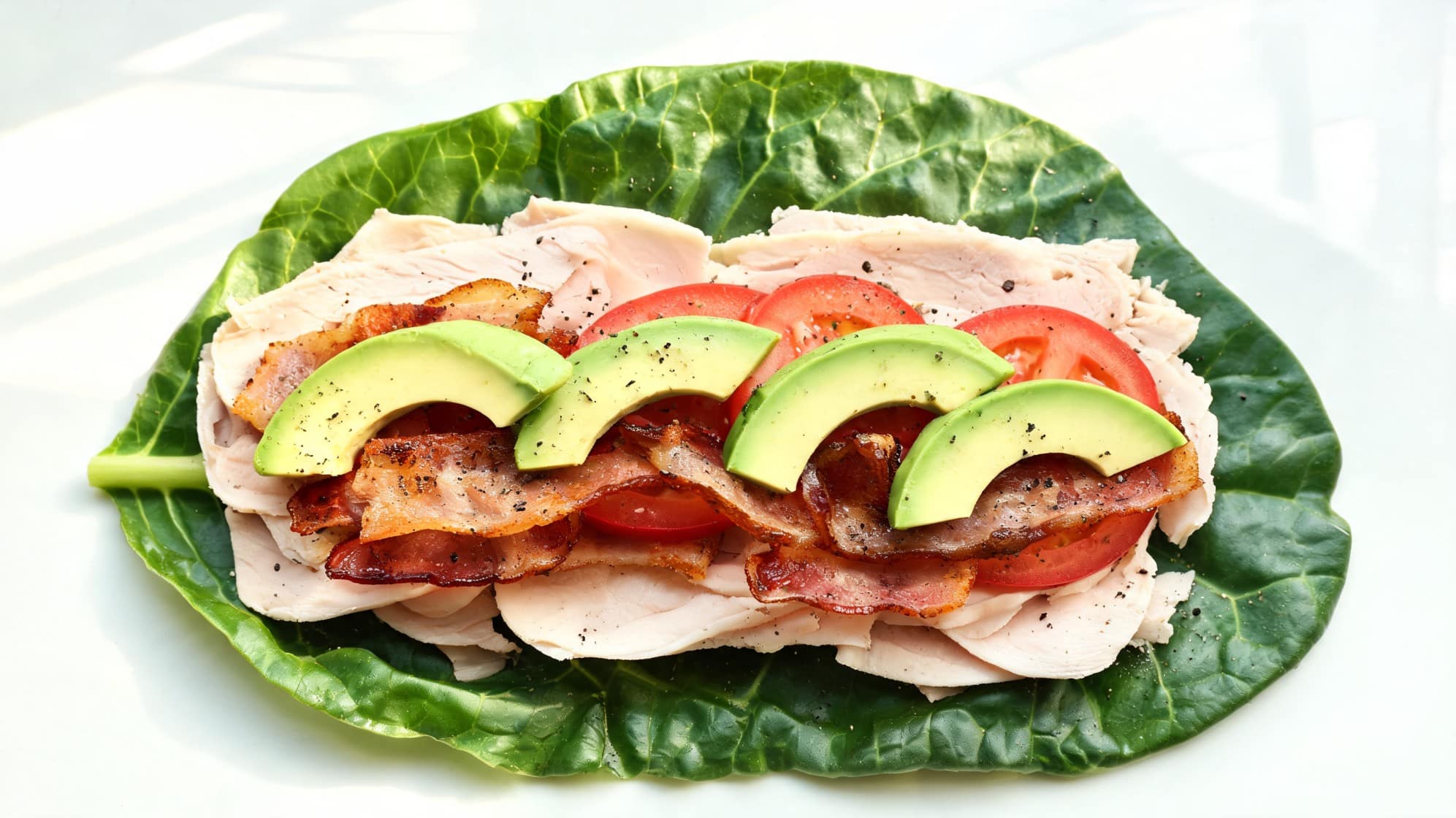
Prep time: 10 minutes | Approx. net carbs: 5 to 7g per serving
Ingredients: Collard green leaves, turkey slices, cooked bacon, avocado, tomato slices, cucumber strips, and ranch or mustard.
- Cut off the thick part of each collard leaf.
- Dry the leaves with a paper towel.
- Spread avocado in the middle of each leaf.
- Add turkey, bacon, tomato, and cucumber.
- Add a little ranch or mustard.
- Fold in the sides, then roll it up tightly.
Collard leaves are the most durable wrap option on this list. They hold heavy fillings without tearing, which makes them the best choice for packed work lunches. If your tomato is very juicy, press the slices dry with a paper towel first. That small step prevents the wrap from becoming wet before noon.
9. Buffalo Chicken Lettuce Wraps
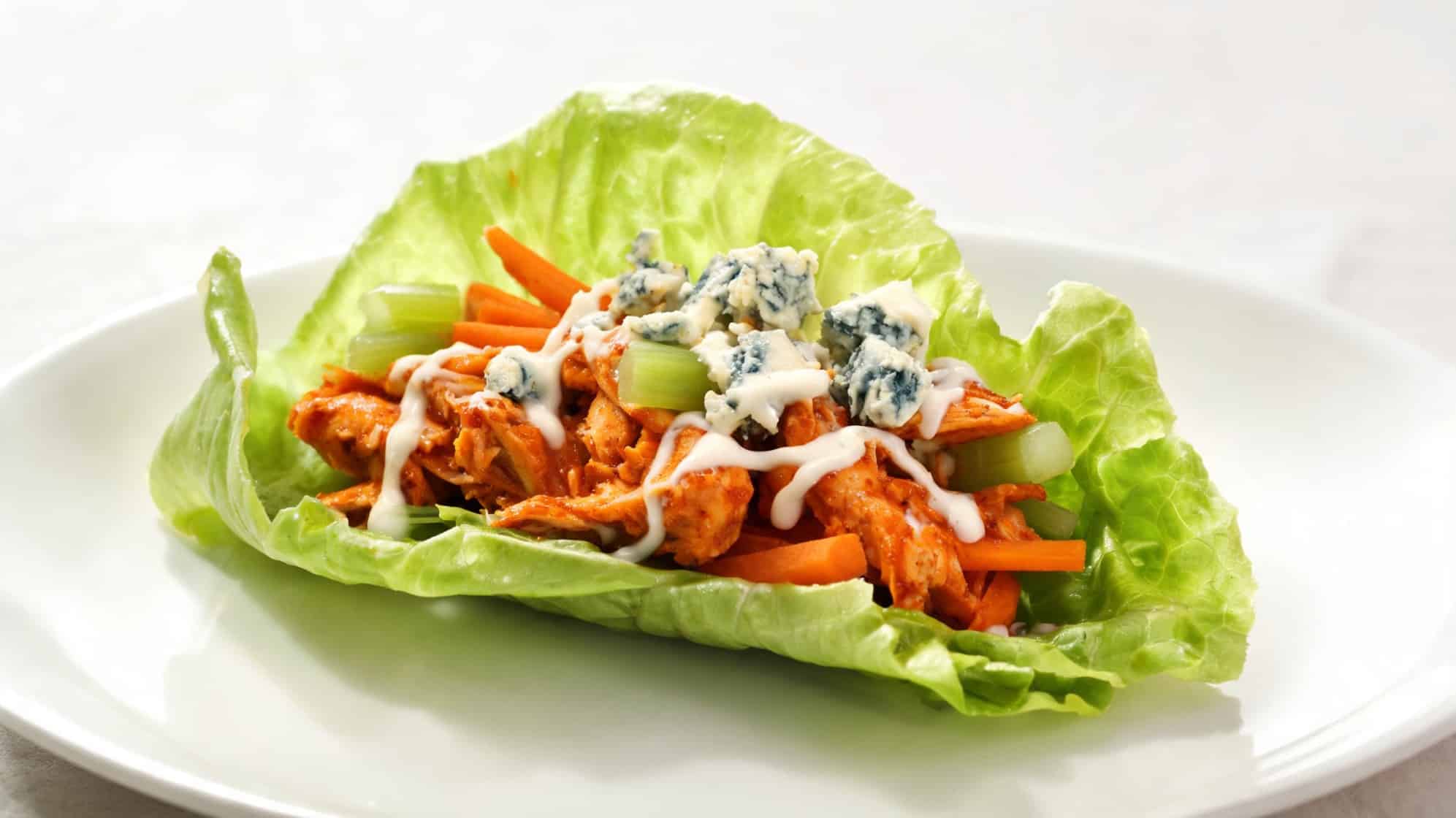
Prep time: 8 minutes | Approx. net carbs: 3 to 5g per serving
Ingredients: Butter lettuce leaves, cooked shredded chicken, buffalo sauce, ranch or blue cheese dressing, celery sticks, and shredded cheese.
- Mix shredded chicken with buffalo sauce.
- Lay butter lettuce leaves flat.
- Add the buffalo chicken to each leaf.
- Top with celery and a little cheese.
- Drizzle with ranch or blue cheese dressing.
- Serve right away or pack sauce on the side.
Buffalo chicken delivers bold flavor without bread. Celery adds crunch and cuts through the heat of the sauce. Use thick, intact butter lettuce leaves: thin or torn leaves will not hold warm, sauced chicken without collapsing.
10. Roast Beef Pickle Roll-Ups
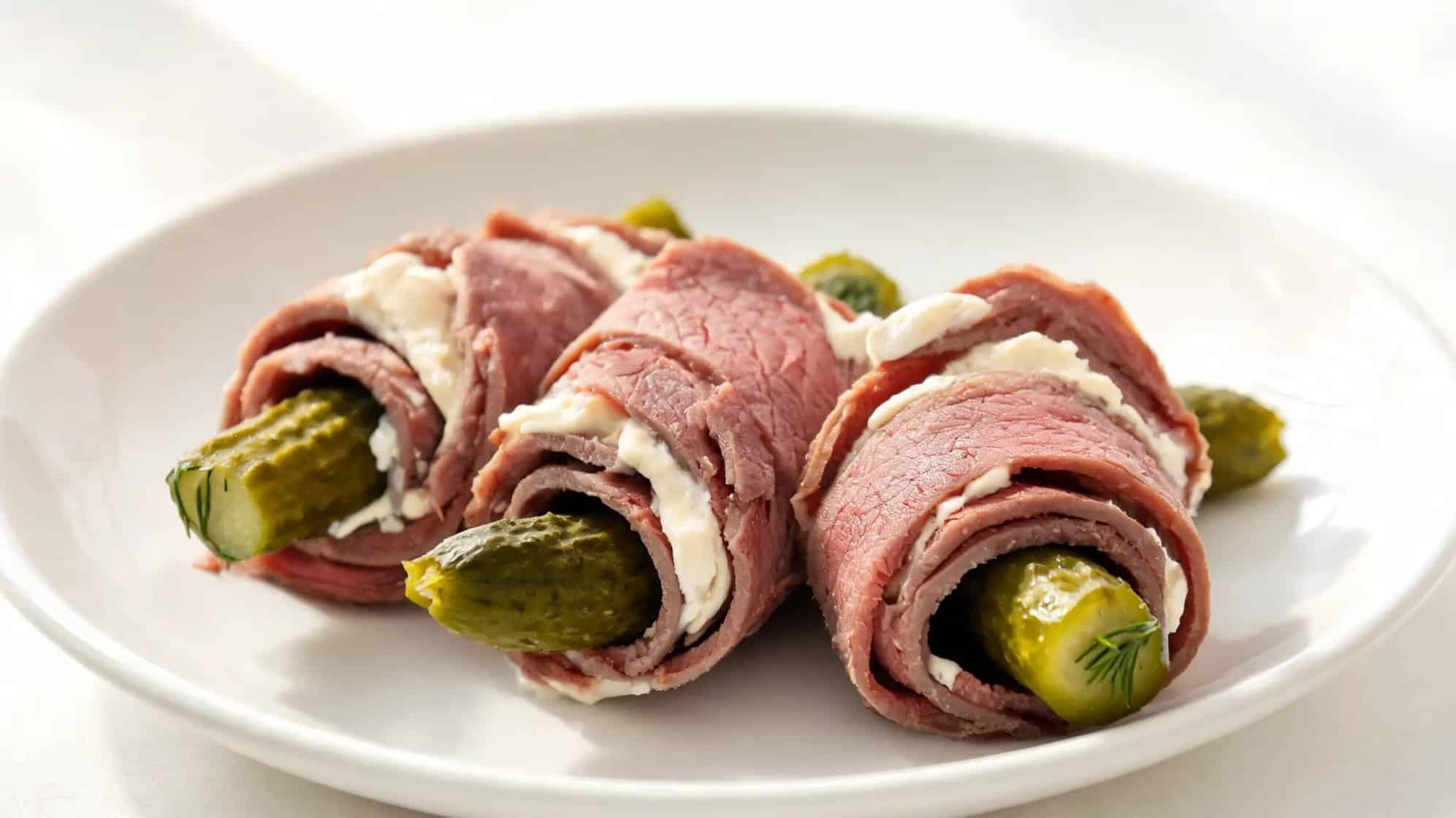
Prep time: 5 minutes | Approx. net carbs: 2 to 4g per serving
Ingredients: Roast beef slices, cream cheese, pickle spears, cucumber strips, lettuce leaves, and black pepper.
- Lay the roast beef slices on a clean, flat surface.
- Spread a small amount of cream cheese on each slice.
- Place one pickle spear in the middle.
- Add one cucumber strip next to the pickle.
- Sprinkle a little black pepper on top.
- Start at one end and roll the beef tightly around the filling.
- Repeat with the rest of the slices.
Roast beef gives you protein, cream cheese adds fat, and pickles bring the crunch and brine that makes each bite interesting. These are best paired with bell pepper strips or celery on the side: eaten alone, the saltiness of the deli meat dominates.
11. Egg Salad Romaine Boats
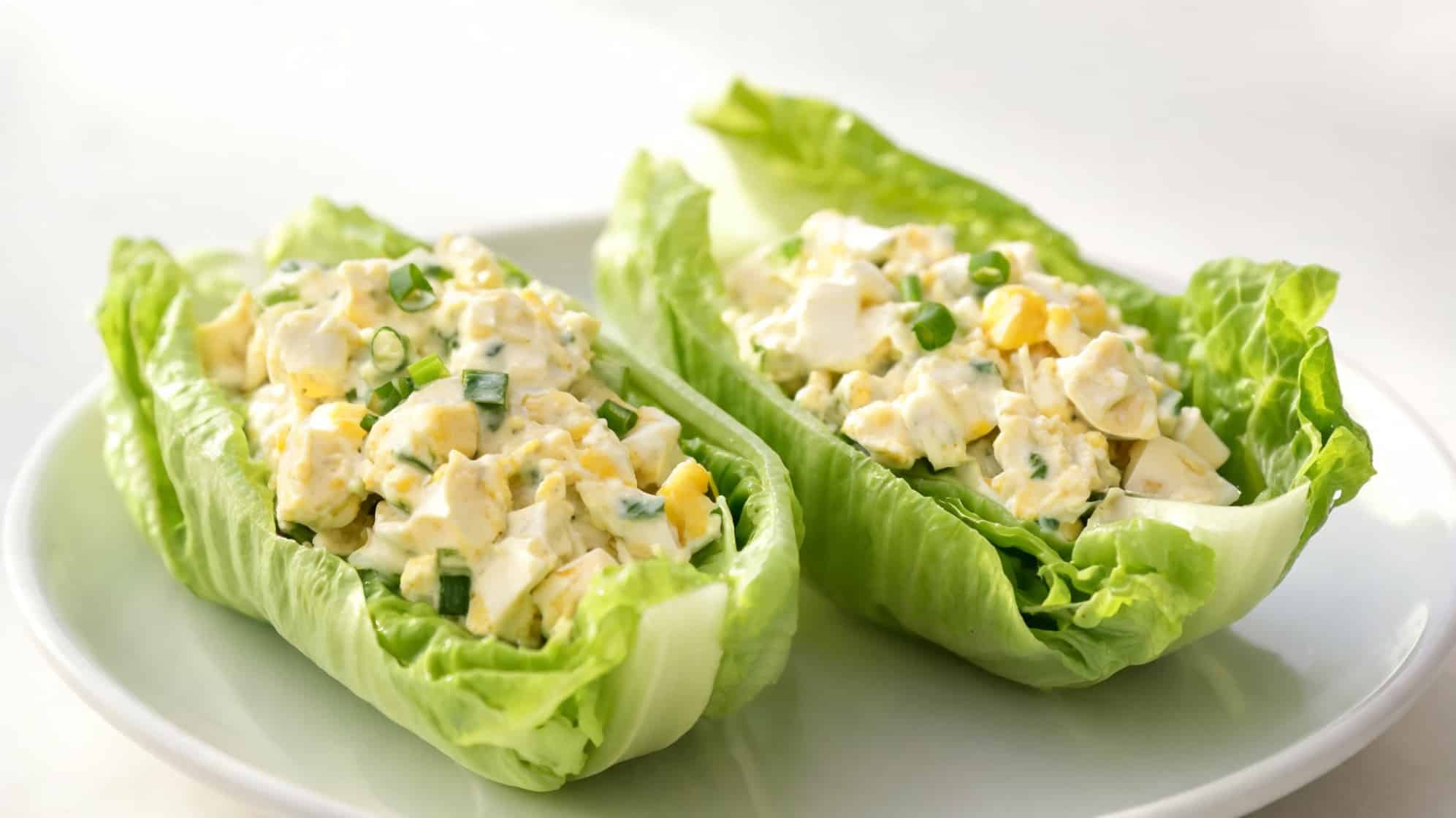
Prep time: 10 minutes | Approx. net carbs: 2 to 4g per serving
Ingredients: Hard-boiled eggs, mayo or Greek yogurt, mustard, celery, romaine leaves, salt, pepper, and paprika.
- Peel the hard-boiled eggs.
- Chop the eggs into small pieces.
- Add chopped eggs to a bowl.
- Mix in mayo or Greek yogurt.
- Add mustard, celery, salt, and pepper.
- Stir until creamy.
- Wash and dry the romaine leaves.
- Spoon egg salad into each leaf.
- Sprinkle paprika on top and serve cold.
Egg salad is protein and fat in one bowl. Romaine adds crunch and holds the filling without folding. Do not overfill the leaves: egg salad is dense, and too much weight cracks the base. Three tablespoons per leaf is about right.
12. Salmon Cucumber Lettuce Wraps
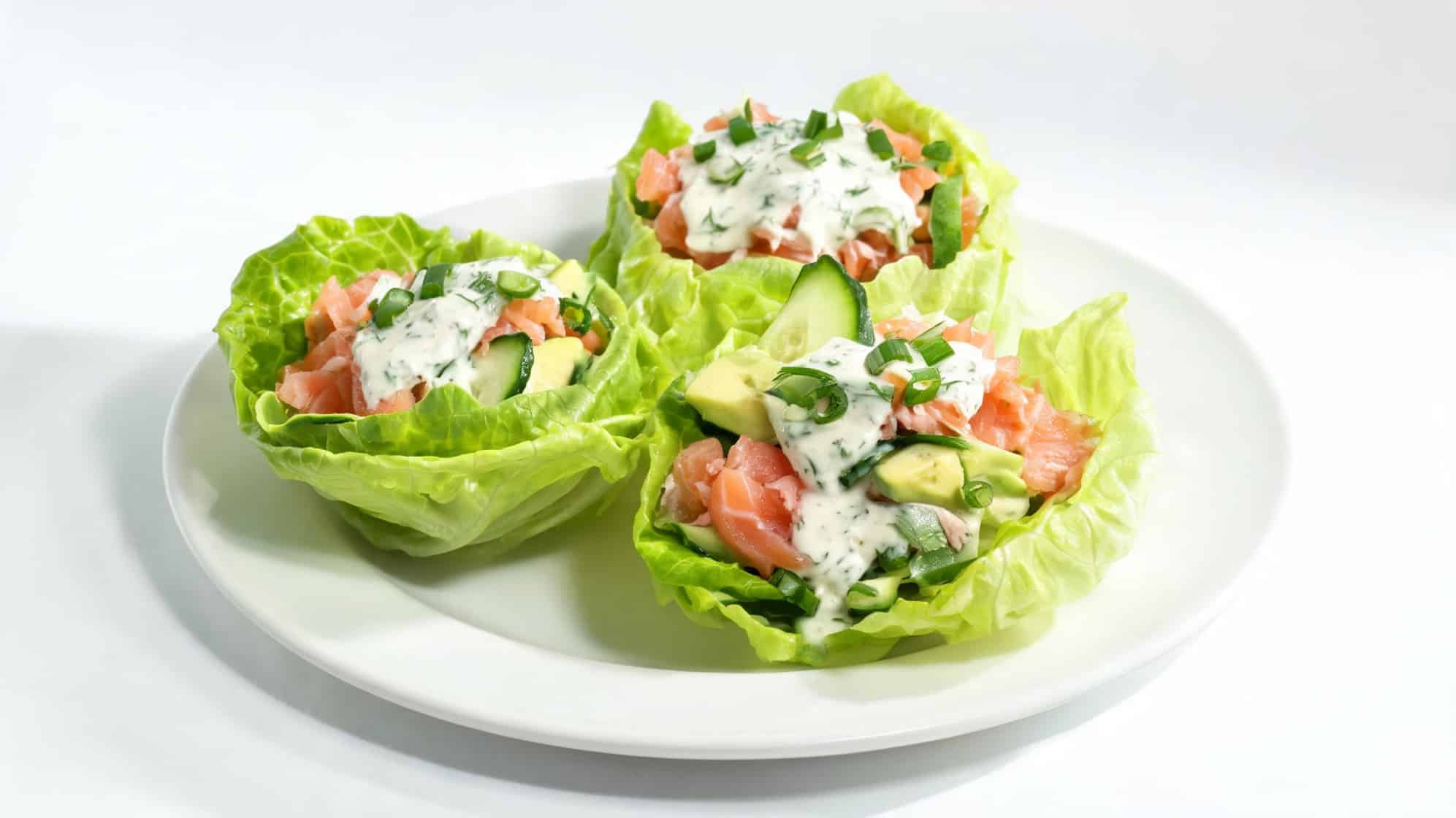
Prep time: 10 minutes | Approx. net carbs: 3 to 5g per serving
Ingredients: Cooked salmon or canned salmon, butter lettuce leaves, cucumber strips, cream cheese or Greek yogurt, dill, lemon juice, salt, and pepper.
- Add cooked or canned salmon to a bowl.
- Break the salmon into small pieces with a fork.
- Add cream cheese or Greek yogurt.
- Mix in dill, lemon juice, salt, and pepper.
- Wash and dry the lettuce leaves.
- Lay the leaves flat on a plate.
- Add cucumber strips to each leaf.
- Spoon the salmon mixture on top.
- Fold gently and serve cold.
Salmon provides both protein and omega-3 fatty acids, which sets it apart from most other proteins on this list. A 3-ounce serving of canned salmon delivers about 22 grams of protein and 1.5 grams of omega-3s. These wraps are best eaten the same day: the salmon filling can make soft lettuce watery quickly.
Warm Low-Carb Lunches That Are Not Salads
Cold lettuce lunches every day wear thin quickly. Warm meals rotate the texture and temperature, which makes a week of low-carb lunch ideas actually feel like variety. The ideas below use cauliflower, zucchini, eggplant, spaghetti squash, and bell peppers to replace pasta, rice, and pizza crust without sacrificing a satisfying, cooked meal.
13. Cauliflower Mac and Cheese with Chicken
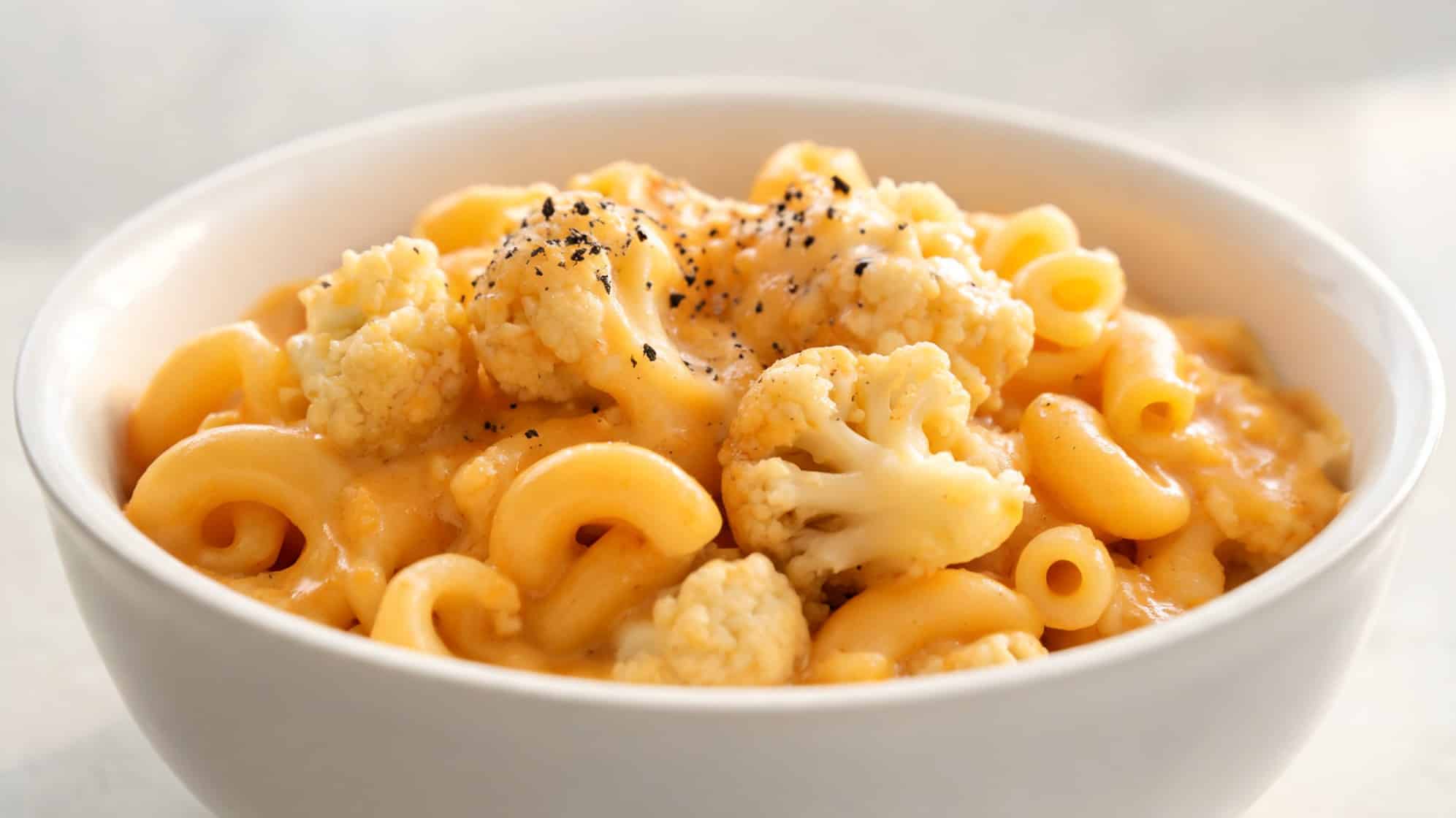
Prep time: 25 minutes | Approx. net carbs: 8 to 12g per serving
Ingredients: Cauliflower florets, cooked chicken, cheddar cheese, cream cheese, heavy cream, garlic powder, salt, pepper, and parsley.
- Cut the cauliflower into small pieces.
- Roast or steam it until it is soft but not mushy.
- Add cream cheese, heavy cream, cheddar, garlic powder, salt, and pepper to a pan.
- Warm the pan on low heat.
- Stir until the cheese melts and the sauce looks smooth.
- Add the cooked chicken and cauliflower to the pan.
- Stir until everything is covered in the cheese sauce.
- Add parsley on top and serve warm.
Cauliflower replaces pasta and gives you a warm, satisfying base at roughly half the carbs. Roasting works better than steaming because it removes excess water and adds depth of flavor. This dish tastes flat if you under-season it: use a sharp cheddar, not a mild one, and do not skip the garlic powder.
14. Zucchini Lasagna Cups
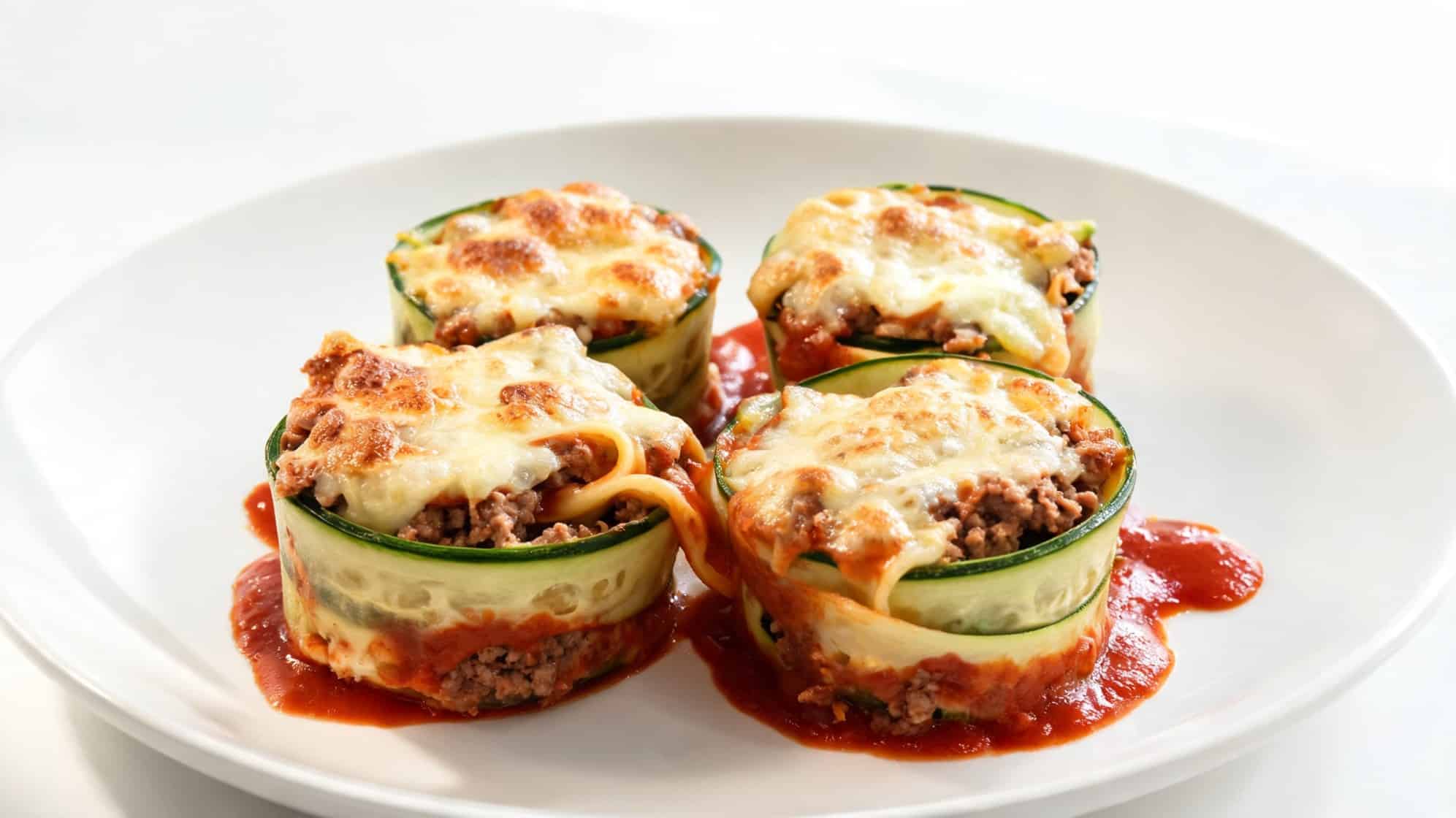
Prep time: 30 minutes | Approx. net carbs: 6 to 9g per serving
Ingredients: Zucchini slices, ground turkey, ricotta, mozzarella, marinara sauce, egg, Italian seasoning, salt, and pepper.
- Slice zucchini into thin strips.
- Salt the slices and let them sit for 10 minutes.
- Pat them dry with a paper towel.
- Mix ricotta, egg, seasoning, salt, and pepper.
- Layer zucchini, turkey, marinara, and cheese in muffin cups.
- Bake until the cheese melts and the cups hold shape.
Zucchini replaces lasagna noodles at a fraction of the carbs. Muffin cups create built-in portion control and make these easy to pack for work. Salting and pressing the zucchini first is not a step you can skip: skipping it leaves the cups watery and the layers collapse.
15. Stuffed Bell Peppers with Cauliflower Rice
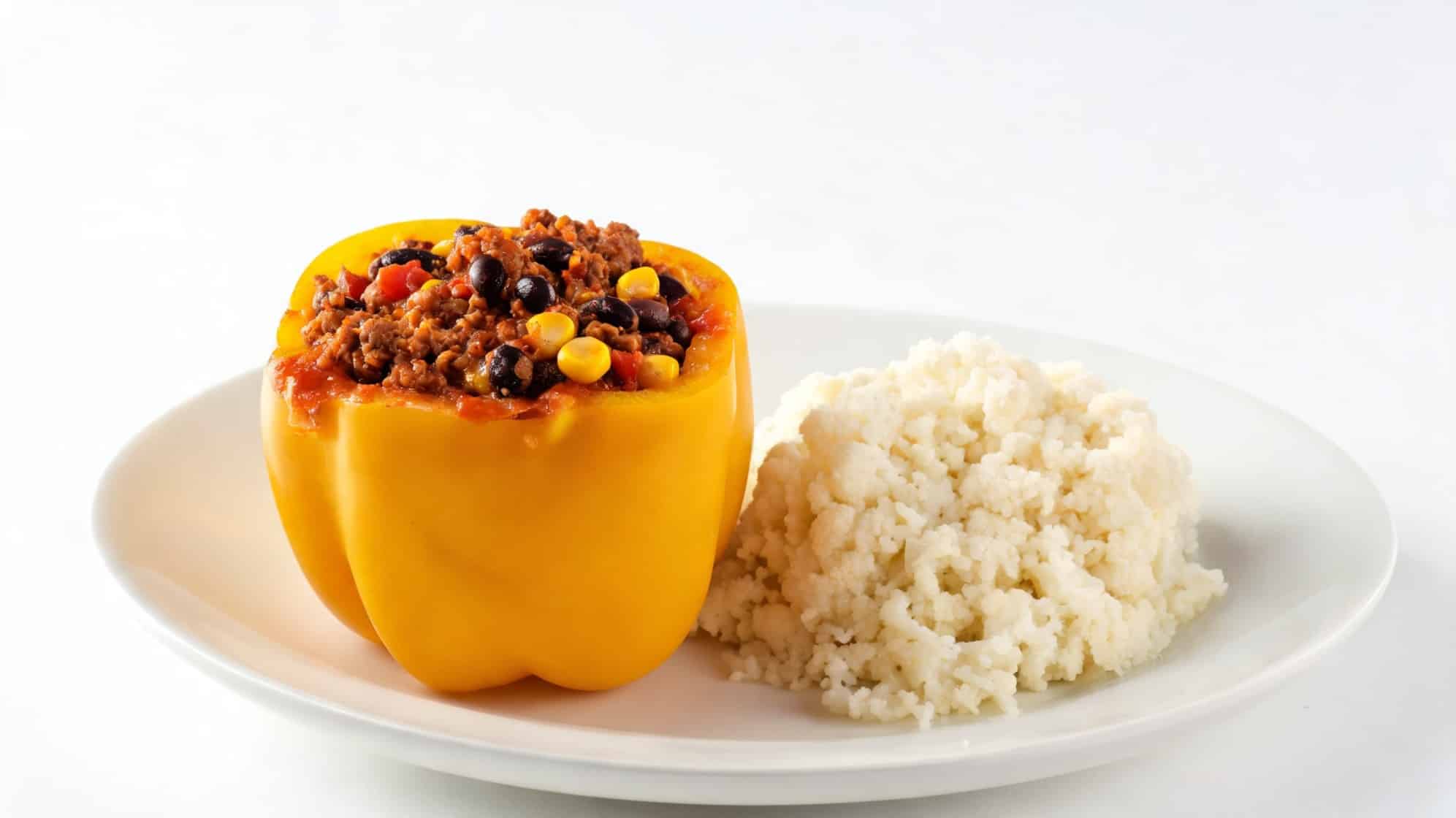
Prep time: 35 minutes | Approx. net carbs: 9 to 14g per serving
Ingredients: Bell peppers, ground beef or turkey, cauliflower rice, shredded cheese, tomato sauce, onion, garlic, cumin, salt, and pepper.
- Cut each bell pepper in half from top to bottom.
- Take out the seeds and white parts inside.
- Place the pepper halves in a baking dish.
- Cook the ground meat in a pan.
- Add onion, garlic, cumin, salt, and pepper.
- Stir and cook until the meat is no longer pink.
- Add cauliflower rice and tomato sauce to the pan.
- Stir everything together and cook for a few minutes.
- Spoon the meat mix into each pepper half.
- Add cheese on top.
- Bake until the peppers are soft and the cheese melts.
Cauliflower rice replaces regular rice while still giving the filling body and volume. Cook the cauliflower rice in a dry pan first to remove moisture before mixing with the meat. Skipping that step makes the filling watery and the peppers hard to eat.
16. Eggplant Pizza Rounds
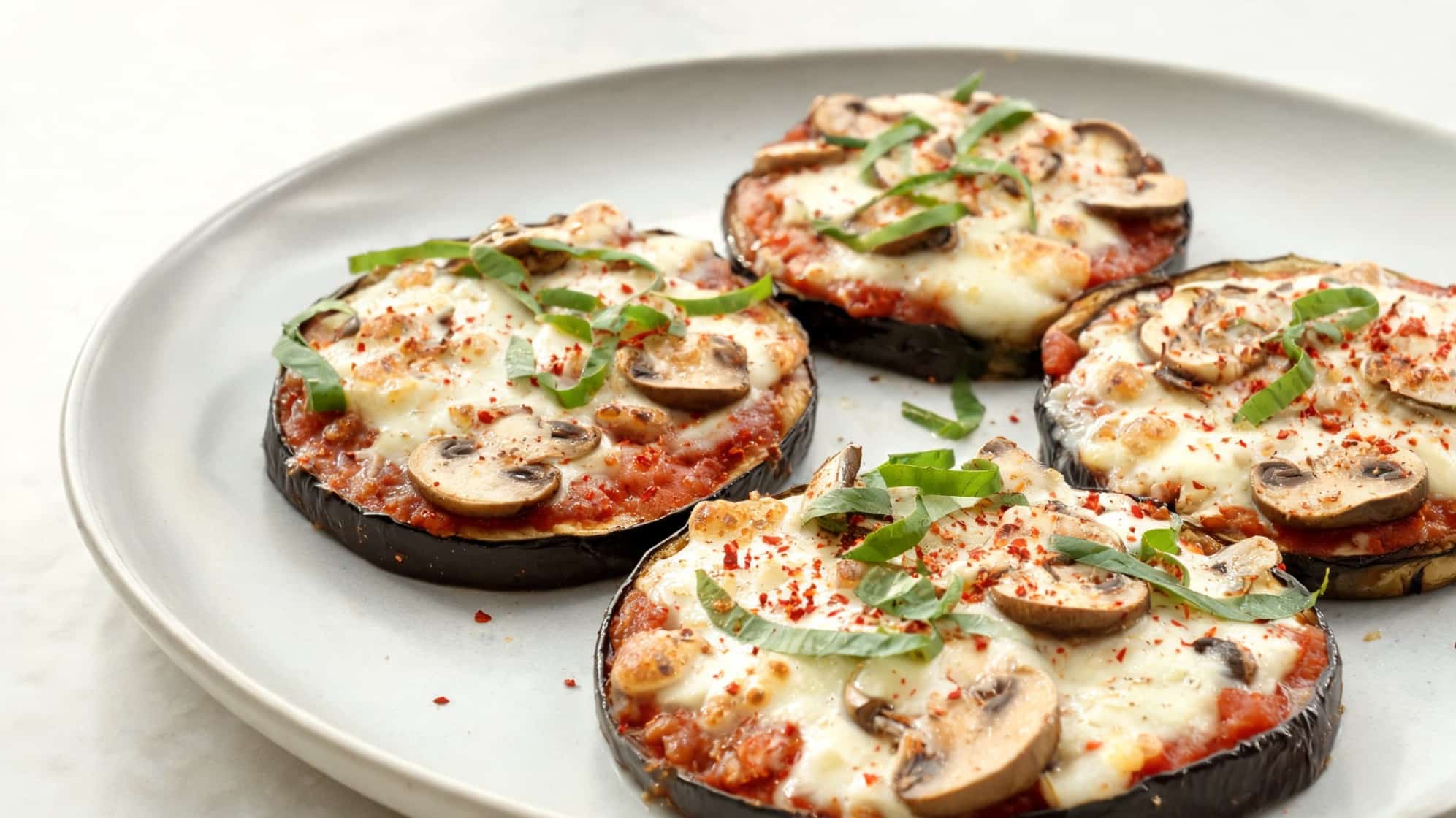
Prep time: 20 minutes | Approx. net carbs: 6 to 9g per serving
Ingredients: Eggplant slices, marinara sauce, mozzarella, pepperoni or cooked sausage, Italian seasoning, olive oil, salt, and pepper.
- Cut the eggplant into thick, round slices.
- Place the slices on a baking tray.
- Brush a little olive oil on both sides.
- Add salt and pepper.
- Bake until the eggplant starts to soften.
- Take the tray out of the oven.
- Add marinara sauce to each slice.
- Top with cheese and pepperoni or sausage.
- Bake again until the cheese melts.
- Let them cool for a few minutes before eating.
Eggplant replaces the pizza crust and gives you a warm, fork-friendly lunch. Use thick rounds (at least 3/4 inch): thin slices become soft and will not hold the toppings. Eggplant absorbs a surprising amount of moisture from the marinara, so less sauce is better here.
17. Spaghetti Squash Carbonara
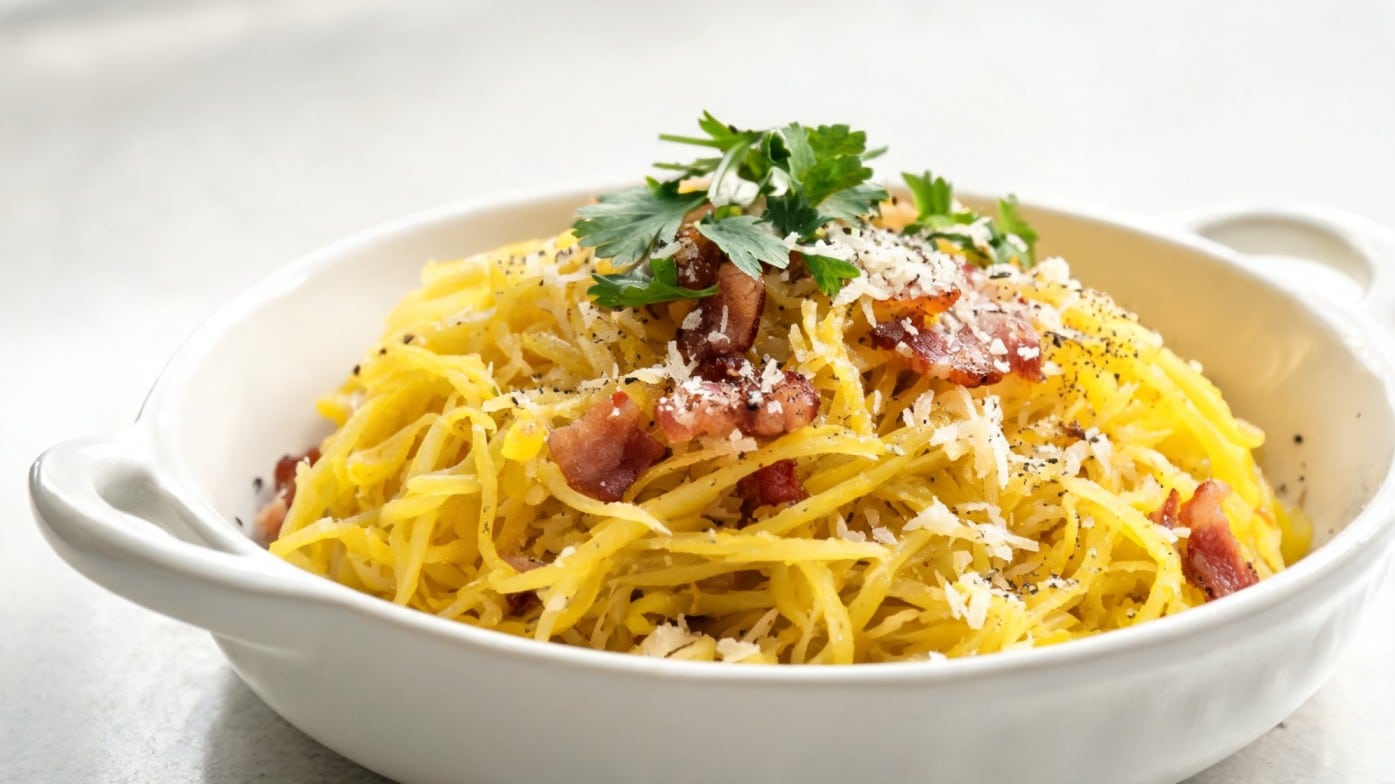
Prep time: 45 minutes | Approx. net carbs: 10 to 14g per serving
Ingredients: Spaghetti squash, eggs, parmesan, pancetta or bacon, garlic, black pepper, salt, and parsley.
- Cut the spaghetti squash in half.
- Remove the seeds.
- Roast until the inside is tender.
- Scrape the squash into strands with a fork.
- Cook pancetta or bacon in a pan.
- Whisk eggs, parmesan, black pepper, and a little salt.
- Remove the pan from heat.
- Toss warm squash with bacon and egg mixture.
- Stir until creamy and serve warm.
Spaghetti squash gives you a pasta-like texture at roughly 7 grams of net carbs per cup, compared to 37 grams in a cup of cooked spaghetti. Eggs, cheese, and bacon make it rich and filling. Keep portions honest here: spaghetti squash has more carbs than most leafy vegetable bases, so balance it with the full protein from the eggs and pancetta.
18. Turkey Taco Lettuce Skillet
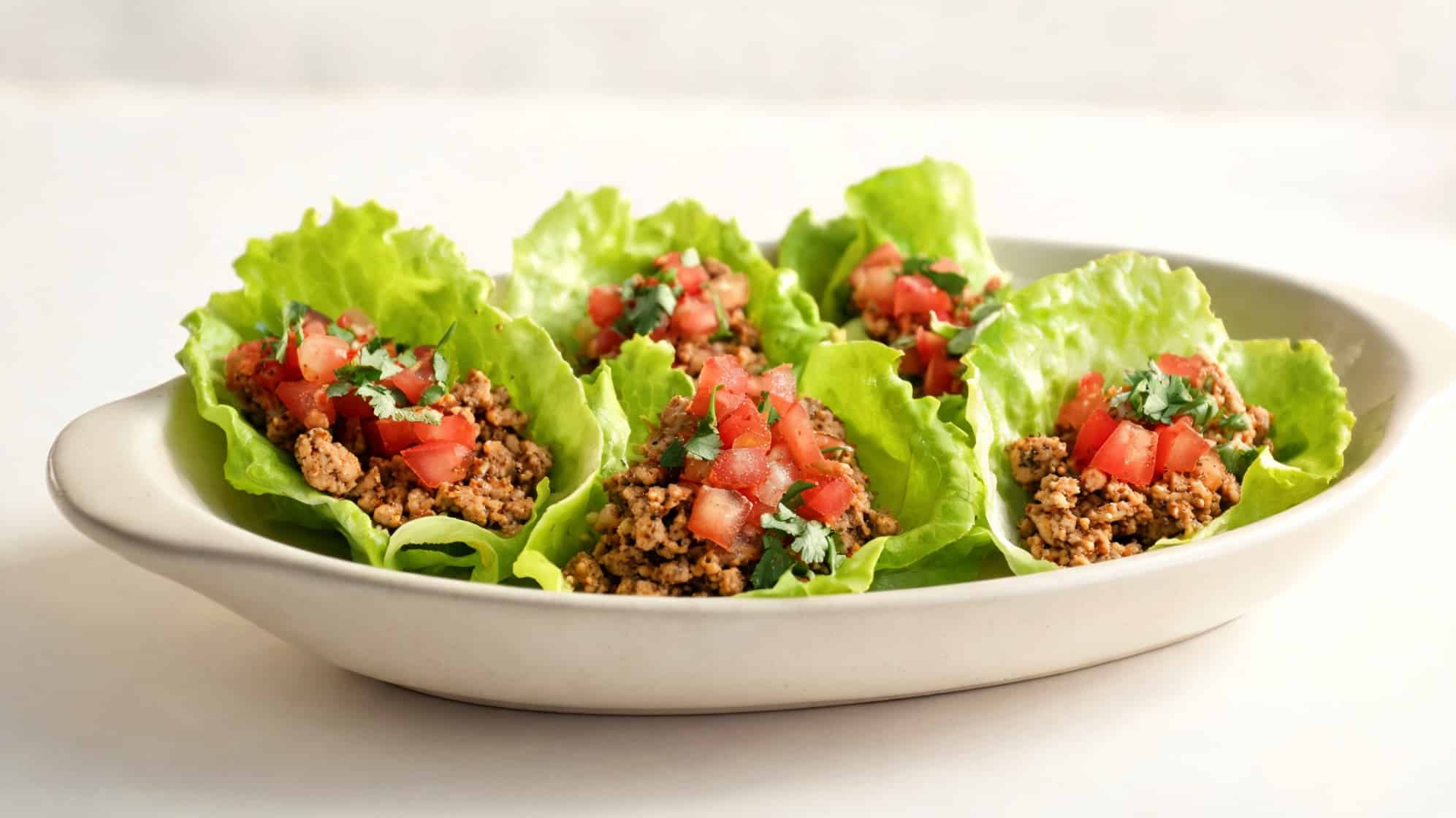
Prep time: 20 minutes | Approx. net carbs: 5 to 9g per serving
Ingredients: Ground turkey, chopped lettuce, avocado, shredded cheese, salsa, sour cream, taco seasoning, onion, bell pepper, salt, and pepper.
- Add ground turkey to a pan.
- Add onion and bell pepper.
- Cook until the turkey is no longer pink.
- Add taco seasoning, salt, and pepper.
- Stir well so the turkey is coated with seasoning.
- Put the turkey mix into a bowl or lunch container.
- Add lettuce, cheese, avocado, salsa, and sour cream on top.
- If packing for later, keep the lettuce, avocado, salsa, and sour cream in separate containers.
This gives you taco flavor without tortillas or shells. Turkey adds lean protein, avocado and sour cream make the bowl filling. The main packing mistake is adding hot turkey over lettuce before it has cooled: the steam wilts the greens. Keep meat and lettuce separate, combine at lunch.
19. Chicken Broccoli Cheese Bake
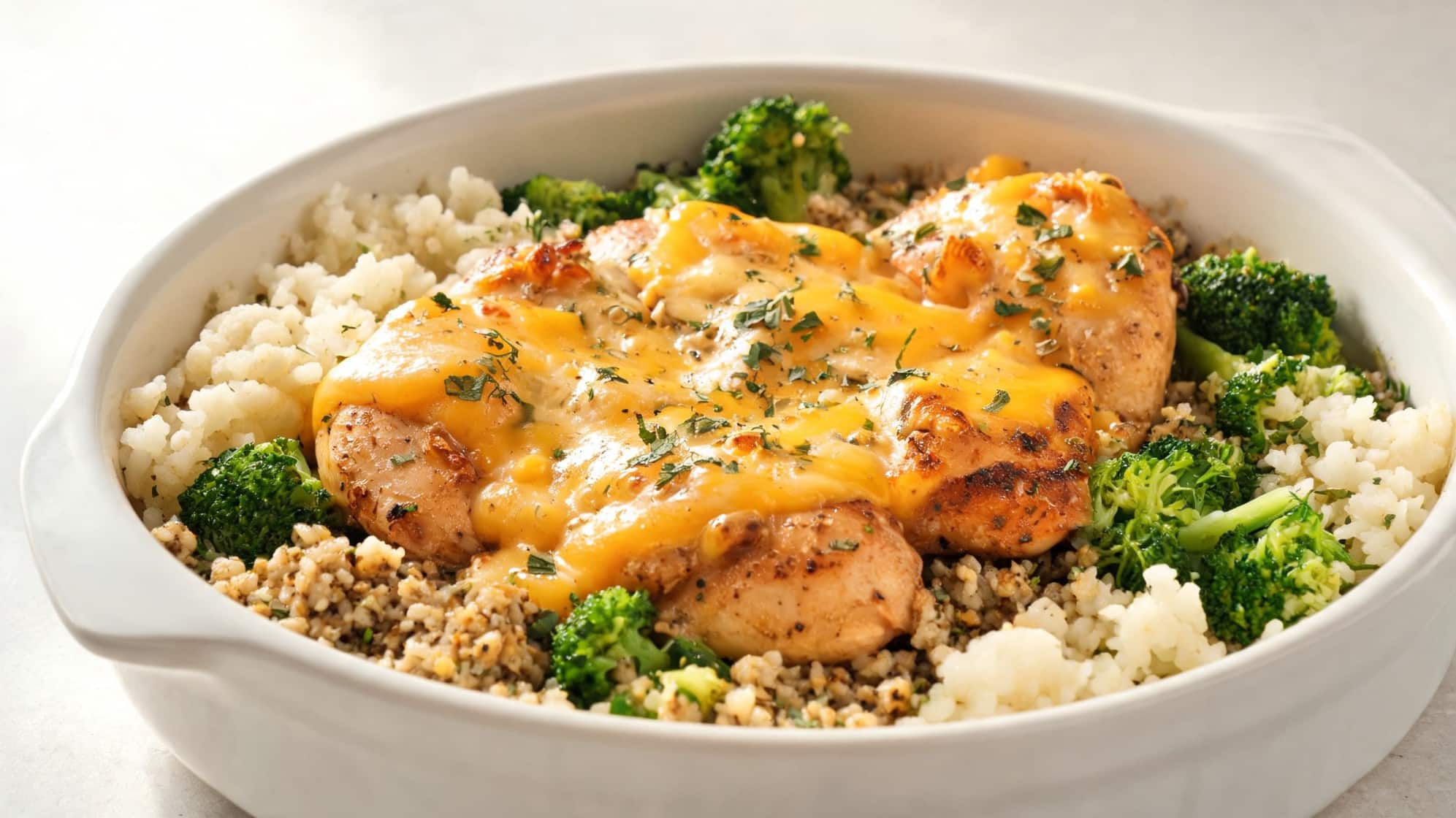
Prep time: 30 minutes | Approx. net carbs: 6 to 9g per serving
Ingredients: Cooked chicken, broccoli, cheddar cheese, cream cheese, Greek yogurt or sour cream, garlic powder, salt, pepper, and paprika.
- Cook the broccoli until it is soft but still a little firm.
- Add cream cheese, Greek yogurt or sour cream, garlic powder, salt, pepper, and paprika to a bowl.
- Mix until everything is smooth.
- Add the cooked chicken and broccoli to the bowl.
- Stir until the chicken and broccoli are covered in the sauce.
- Put the mix into a baking dish.
- Add cheddar cheese on top.
- Bake until the food is hot and the cheese is melted.
Chicken and cheese make this bake filling, while broccoli adds fiber and keeps the dish from feeling too heavy. One cup of broccoli contains about 4 grams of net carbs and 2.4 grams of fiber, which makes it one of the best vegetable choices in any low-carb meal. This dish reheats well on days two and three, which is why it earns a spot in the meal prep plan below.
Low Carb Lunch Ideas for Work: Packing, Storage, and Reheating
Low-carb lunches fail at work for predictable reasons: the lettuce wilts, the sauce leaks, the wrap goes soggy. Solving these problems is mostly about controlling moisture and keeping components separate until you are ready to eat.
- Most cooked chicken, beef, turkey, and roasted vegetables keep well in the fridge for 3 to 4 days.
- Let hot food cool fully before closing the lid. Trapped steam creates moisture that softens everything underneath it.
- Keep sauces and dressings in a small, separate container. Add them to the table, not at home.
- Store lettuce leaves dry. Wrap them in a paper towel before putting them in a bag or container.
- Freeze egg muffins, soups, and casseroles in single portions for backup lunches on days when prep runs out.
- Reheat cauliflower rice uncovered so extra steam can escape. Covered reheating makes it mushy.
- Add sauce after reheating when possible. Sauced vegetables release water and lose texture when reheated with the sauce on.
- Avoid overheating eggs and seafood. Both turn rubbery fast. Thirty to forty-five seconds in the microwave is usually enough.
- Keep lettuce wrap bases cold and add hot filling at lunch rather than packing them assembled.
- Add fresh toppings before serving. Cucumber, herbs, avocado, pickles, or lemon juice make meal-prepped lunches taste noticeably fresher.
| Packing Rule: Pack dry, sauce later, and reheat gently. That single habit keeps every low-carb lunch on this list from going soggy, dry, or stale by noon. |
5-Day Low Carb Lunch Meal Prep Plan
The most efficient meal prep reuses a few core proteins in different formats throughout the week. Cook chicken, hard-boil eggs, and prep cauliflower rice on Sunday, and you have the building blocks for five different lunches without starting from scratch each day.
| Day | Lunch | Prep Note |
|---|---|---|
| Monday | Chicken Caesar lettuce wraps | Use Sunday’s cooked chicken. Pack dressing in a separate container and add it right before eating. |
| Tuesday | Tuna avocado egg bowl | Use Sunday’s hard-boiled eggs. Slice an avocado fresh in the morning or add it at lunch. |
| Wednesday | Sheet pan chicken and vegetables | Reheat gently so the chicken does not dry out. Wednesday is also a good day to check greens, sauces, and toppings for the rest of the week. |
| Thursday | Turkey taco cauliflower rice bowl | Keep lettuce, salsa, and sour cream in separate containers to prevent sogginess. |
| Friday | Mason jar Cobb salad | Layer dressing at the bottom, greens at the top. Add cucumber and crunchy toppings just before eating so it does not taste tired. |
The plan falls apart when you prep all fresh items too early. Greens wilt, sauces leak, and wraps disintegrate when wet fillings sit together for three days. Using the same protein all week also creates monotony: change the sauces, add different crunchy toppings, and vary the base to make each lunch feel distinct even when the protein is the same.
What to Eat with Low Carb Lunches: Sides and Extras
Most of the lunches above work as complete meals, but if you need a side to round things out, keep these low-carb options on hand.
- Raw vegetables: Celery sticks, bell pepper strips, cucumber rounds, and broccoli florets all work as no-prep sides with under 5 grams of net carbs per serving. The best high-fiber low-carb foods for snacking tend to be the same ones that work as lunch sides.
- Olives: High in fat, low in carbs, and a useful quick addition when a lunch feels too light.
- Hard-boiled eggs: Keep two or three prepped in the fridge. One egg adds about 6 grams of protein with under 1 gram of carbs.
- A small handful of nuts: Almonds, walnuts, and pecans all land under 3 grams of net carbs per ounce and add fat that extends satiety.
- Broth-based soup: Chicken broth or miso soup with tofu and scallions is a warm, low-carb side that pairs especially well with cold wrap lunches in winter.
If you are tracking for keto, knowing which vegetables and mushrooms are safe at volume matters. The carb profiles of mushrooms on a keto diet make them a useful addition to warm lunches like the cauliflower mac and cheese or the eggplant pizza rounds.
Common Mistakes That Make Low-Carb Lunches Less Filling
Here is what I see consistently when someone says their low-carb lunch is not working: they have cut the carbs but not replaced them with enough protein and fat. The plate looks healthy, but runs out of fuel by 2 PM.
- Not enough protein: Vegetables add volume but not satiety. Chicken, turkey, tuna, eggs, shrimp, beef, tofu, or cottage cheese must anchor every lunch. Target 25 to 35 grams of protein per meal.
- Too much cheese, not enough vegetables: Cheese is useful for flavor and fat, but a pile of shredded cheese is not the same as a balanced meal. Broccoli, spinach, bell pepper, and cabbage add fiber and volume at low-carb cost.
- High-sugar sauces: Barbecue sauce can contain 12 grams of sugar per two tablespoons. Honey mustard and sweet chili are similar. Pesto, ranch, Caesar, buffalo sauce, lemon-herb dressing, and garlic yogurt are reliable low-sugar alternatives.
- Wet wraps: Wet fillings in lettuce or collard leaves cause them to tear and leak. Dry the leaves, keep sauces separate, and build wraps as close to lunchtime as possible.
- Flat seasoning: Low-carb lunches taste flat without seasoning. Lemon juice, vinegar, garlic, dill, paprika, taco seasoning, and black pepper cost zero carbs and improve every recipe here.
- Only cold options: Cold lunches repeat quickly. Rotate warm options like stuffed peppers, the chicken broccoli bake, or the cauliflower mac and cheese to keep the week from feeling monotonous.
How Many Carbs Should a Low-Carb Lunch Have?
There is no universal answer, but here is a practical framework most people can use:
- General low-carb: 10 to 20 grams of net carbs at lunch. This fits most low-carb eating approaches and allows for vegetables, dairy, and some variety in your base.
- Strict keto: Under 10 grams of net carbs at lunch, which typically means limiting yourself to leafy greens, cucumbers, and higher-fat proteins. Many of the wrap and roll-up recipes above fall into this range.
- Moderate low-carb: 20 to 30 grams of net carbs. This allows warm options like stuffed peppers and spaghetti squash, which land in the 10 to 14 gram range and fit comfortably within a moderate daily target.
Net carbs are calculated by subtracting fiber from total carbohydrates. If a bell pepper half has 6 grams of total carbs and 2 grams of fiber, the net carb count is 4 grams. That distinction matters most for high-fiber vegetables, which have a smaller glycemic impact than their total carb count suggests. Understanding how green beans and other vegetables fit into low-carb eating by net carb count helps you plan more accurately.
Frequently Asked Questions
These are the questions that come up most often from people building a low-carb lunch routine for the first time.
Can low-carb lunches help with afternoon cravings?
Yes, when they include enough protein, fiber, and fat. A lunch built from the formula in this article typically delivers 25 to 35 grams of protein, which research supports as a meaningful satiety threshold. A plain vegetable plate without protein or fat will not achieve the same effect. The difference between feeling satisfied at 4 PM and raiding the snack cabinet often comes down to whether lunch hit that protein target.
What low-carb lunch keeps you full the longest?
Meals that combine protein, fat, and fiber together hold you longest. Chicken with avocado salad, egg salad lettuce cups, salmon wraps, and the chicken broccoli cheese bake are the strongest options in this guide for sustained satiety. Meals with only lettuce and cucumber as their base run out of fuel within an hour or two because they are too low in both calories and protein to sustain you.
Are low-carb lunches good for meal prep?
Yes, with the right storage habits. Cooked proteins, roasted vegetables, cauliflower rice, egg muffins, baked casseroles, and soups store reliably for three to four days. The items that do not meal prep well are assembled wraps, avocado (oxidizes quickly), and dressed salads (wilt fast). Keep those components separate and combine them at lunchtime.
Can I eat fruit with a low-carb lunch?
Yes, but choose lower-carb fruits in smaller portions. Berries, melon, and a few apple slices each contain 8 to 15 grams of net carbs per half-cup serving. Grapes, bananas, and dried fruit are higher. Pairing fruit with a protein or fat source (cottage cheese, nuts) slows absorption and makes the carbs land more evenly. On a strict keto target, fruit is harder to fit without pushing over the daily limit.
What is the difference between low-carb and keto lunches?
General low-carb eating aims for roughly 50 to 100 grams of net carbs per day, which gives you 10 to 30 grams at lunch. Keto restricts total daily net carbs to 20-50 grams, so a keto lunch should stay under 10 grams. Most of the wrap and roll-up ideas in this guide land in keto territory. The warm meals (stuffed peppers, spaghetti squash carbonara) are low-carb friendly but require more careful portioning on keto. For a deeper look at how keto compares to other low-carb diet approaches, the macro differences are worth understanding before you commit to either target.
How do I stop low-carb lunch wraps from getting soggy?
Three steps solve most sogginess problems. First, dry the lettuce or collard leaves completely with a paper towel before building the wrap. Second, keep sauces and dressings in a separate small container and add them at the table. Third, avoid mixing wet ingredients (tomato, cucumber, avocado) with the wrap base the night before. Build wraps fresh at lunchtime when possible, or at most an hour before eating.
Are low-carb lunches suitable for weight loss?
They can support weight management when they create a calorie deficit and keep you full enough to avoid overeating later in the day. The high-protein, high-fat structure of most low-carb lunches has been shown in multiple clinical trials to reduce total daily calorie intake compared to high-carb alternatives, partly by reducing hunger hormones like ghrelin. That said, a low-carb lunch in isolation does not produce weight loss: total daily calories, sleep, stress, and consistency all matter. These lunches work best as part of a structured approach rather than as a quick fix.
Final Verdict
Staying full and energized all afternoon does not require spending hours in the kitchen or eating boring food.
By using the simple five-part formula of protein, low-carb bases, healthy fats, crunch, and low-sugar sauces, you can customize dozens of satisfying meals. These practical low-carb lunch ideas protect your energy levels and take the stress out of your busy work week.
Remember to pack your ingredients separately to keep everything perfectly crisp by the time noon rolls around.
Now that you have the ultimate blueprint for midday meal success, which of these recipes are you going to try first? Drop a comment below and let me know your thoughts
Sources
USDA FoodData Central. “Nutritional values for cottage cheese, tuna, salmon, cauliflower, broccoli, spaghetti squash.” Updated 2024. fdc.nal.usda.gov
Leidy HJ, et al. “The role of protein in weight loss and maintenance.” American Journal of Clinical Nutrition, 2015. PubMed 25926512
Bray GA, et al. “Effect of dietary protein content on weight gain, energy expenditure, and body composition during overeating.” JAMA, 2012. PubMed 22215165
Harvard T.H. Chan School of Public Health. “The Nutrition Source: Carbohydrates.” 2023. hsph.harvard.edu