
You grab a bottle from the cooler after a workout, on a hot afternoon, or during a kid’s soccer game, and the bright blue or red color tells you everything you think you need to know.
Then you flip it over, and the label has more numbers than expected, and suddenly you are not sure if this is the same drink you grew up with.
That moment is more common than people admit, mostly because Gatorade is no longer a single product.
The lineup now spans classic Thirst Quencher, Zero, Lower Sugar, Gatorlyte, Fit powders, chews, and a caffeinated option called Fast Twitch.
This gatorade nutrition facts breakdown starts with the label, not just the flavor and color.
My goal here is not to label any of these as good or bad. It is to help you match the bottle to the moment: how much you are sweating, how long you are moving, and whether sugar or caffeine actually fits what you need.
What is Gatorade, and How Did It Become a Sports Drink Brand?
Gatorade is a sports drink brand built around hydration, electrolyte replacement, and fueling for physical activity. It started in 1965 when researchers at the University of Florida created a fluid, carbohydrate, and electrolyte formula for the Gators football team during hot, demanding practices.
Today, Gatorade is part of PepsiCo, which manages the brand as part of a larger sports performance and hydration portfolio.
The original idea, replacing fluid, sodium, potassium, and carbohydrates lost through sweat, still shapes the brand, but the product range has grown far beyond the classic sideline bottle.
The drink most people recognize first, Gatorade Thirst Quencher, is now only one part of the lineup. Gatorade also includes sugar-free options, lower-sugar formulas, stronger electrolyte drinks, recovery products, powders, pods, and caffeinated performance drinks.
The right bottle depends less on the color in your hand and more on what you are using it for. Before getting into the numbers, it helps to understand how the product line and label details differ.
Gatorade Nutrition Facts by Product Type and Ingredient
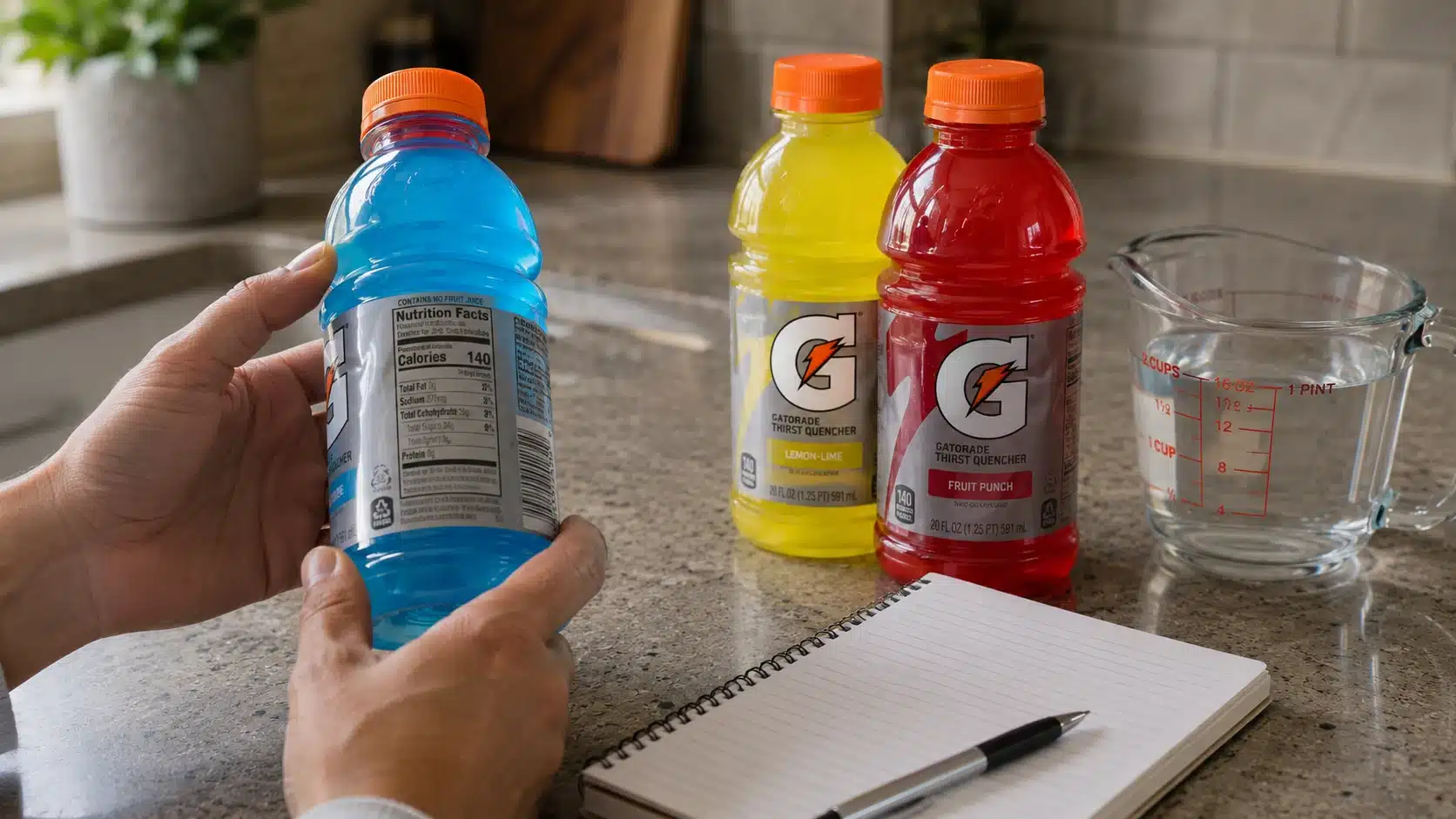
The easiest way to compare Gatorade products is to read them by product line first, then by bottle size.
This matters because the same shelf can include classic, zero-sugar, lower-sugar, and higher-electrolyte options that serve different purposes. The table keeps those differences in one place.
| Product | Size / Basis | Calories | Total Carbs | Total Sugars | Sodium | Potassium | Main Ingredient Context |
| Thirst Quencher, 12 oz bottle | 1 bottle | 80 | 22 g | 21 g | 160 mg | 50 mg | Contains sugar for carbohydrate fuel plus electrolytes |
| Thirst Quencher, 20 oz bottle | 1 bottle | 140 | 36 g | 34 g | 270 mg | 80 mg | Same classic formula in a larger bottle |
| Thirst Quencher, 28 oz bottle | Per container | About 190 | 51 g | 48 g | 380 mg | 110 mg | Larger size raises calories, sugar, and electrolytes |
| Gatorade Zero, 12 oz bottle | 1 bottle | 0 | Less than 1 g | 0 g | 160 mg | 50 mg | Uses sweeteners instead of sugar |
| Gatorade Zero, 20 oz bottle | 1 bottle | 5 | 2 g | 0 g | 270 mg | 80 mg | Zero-sugar option with electrolytes |
| Lower Sugar, 12 oz bottle | 1 bottle | 20 | 5 g | 5 g | 160 mg | 50 mg | Lower sugar than classic Thirst Quencher |
| Lower Sugar, 20 oz bottle | 1 bottle | 35 | 8 g | 8 g | 270 mg | 80 mg | Middle option between classic and Zero |
| Gatorlyte Zero, 20 oz bottle | 1 bottle | 15 | Less than 1 g | 0 g | 490 mg | 350 mg | Higher electrolyte profile with zero sugar |
Use this table as a label-reading shortcut, not a replacement for the bottle in your hand. Gatorade formulas, serving sizes, and package formats can change, so the most accurate gatorade nutrition facts always come from the exact product label or official SmartLabel page.
Which Gatorade Product are You Looking At?
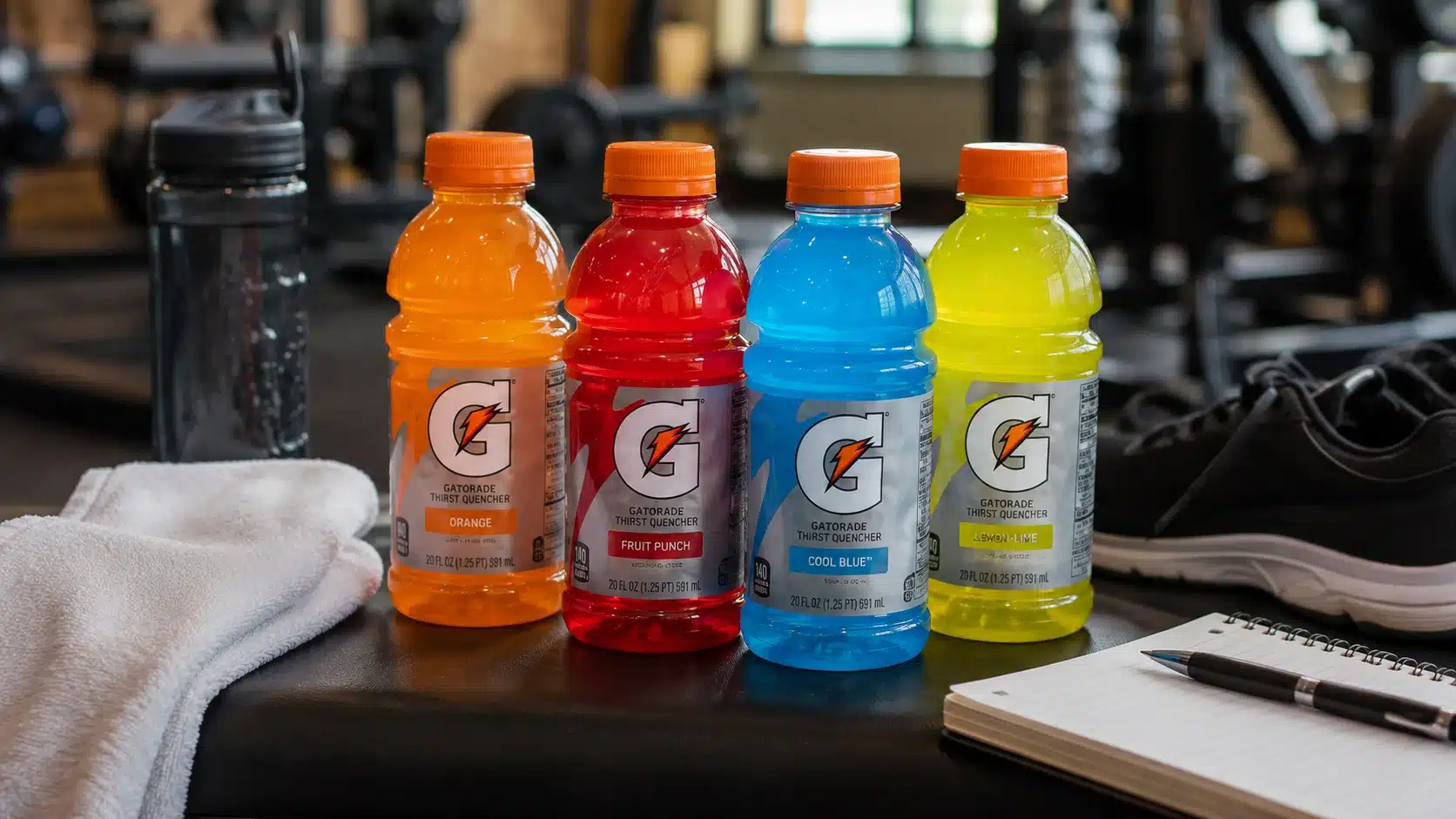
People searching for Gatorade images are often trying to identify a bottle, flavor, or product category before reading the nutrition label.
The front label, color, product name, and format can usually tell you what kind of drink it is before you compare calories, sugar, or electrolytes.
1. Gatorade Thirst Quencher
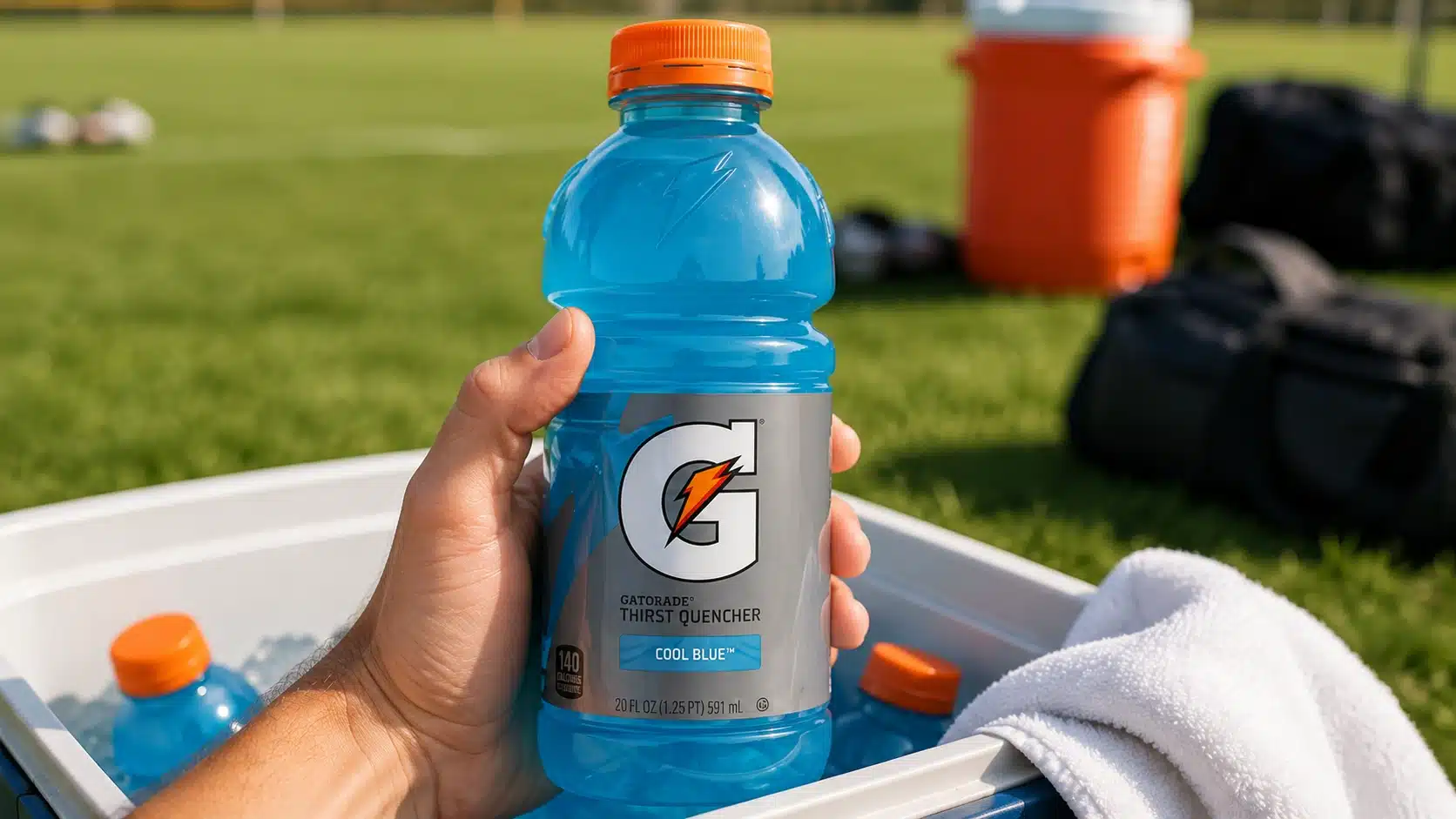
Gatorade Thirst Quencher is the baseline product most people compare against when reading Gatorade labels.
Its nutrition numbers usually sit higher than zero-sugar versions, so it works as a useful reference point when judging how much newer lines change calories, sugar, and electrolyte levels.
- Form: Ready-to-drink bottles, powders, and Gx pods
- Taste: Sweet, fruity, and familiar
- Main use: Longer workouts, sports, heat, or heavy sweating
- Label cue: Usually says Thirst Quencher
2. Gatorade Zero
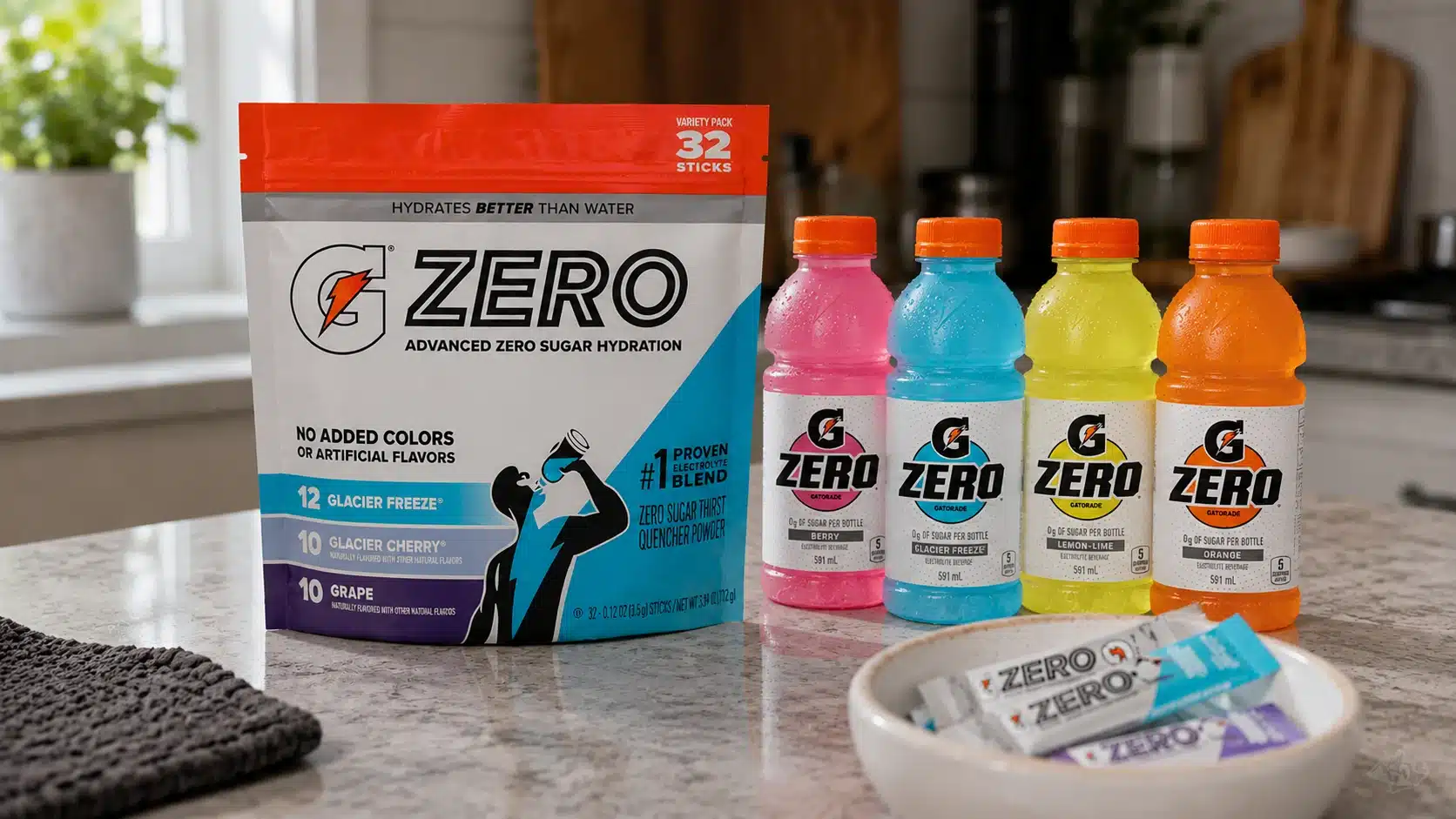
Gatorade Zero changes the label conversation by removing sugar while keeping the brand’s hydration positioning.
Its packaging can look close to classic Gatorade at a glance, so the nutrition panel is especially important when someone is trying to avoid added sugar or compare calories quickly.
- Form: Bottles, powder sticks, tablets, and pods
- Taste: Sweet, fruity, and lighter than Original
- Main use: Electrolytes without sugar
- Label cue: The word Zero is the clearest sign
3. Gatorade Lower Sugar
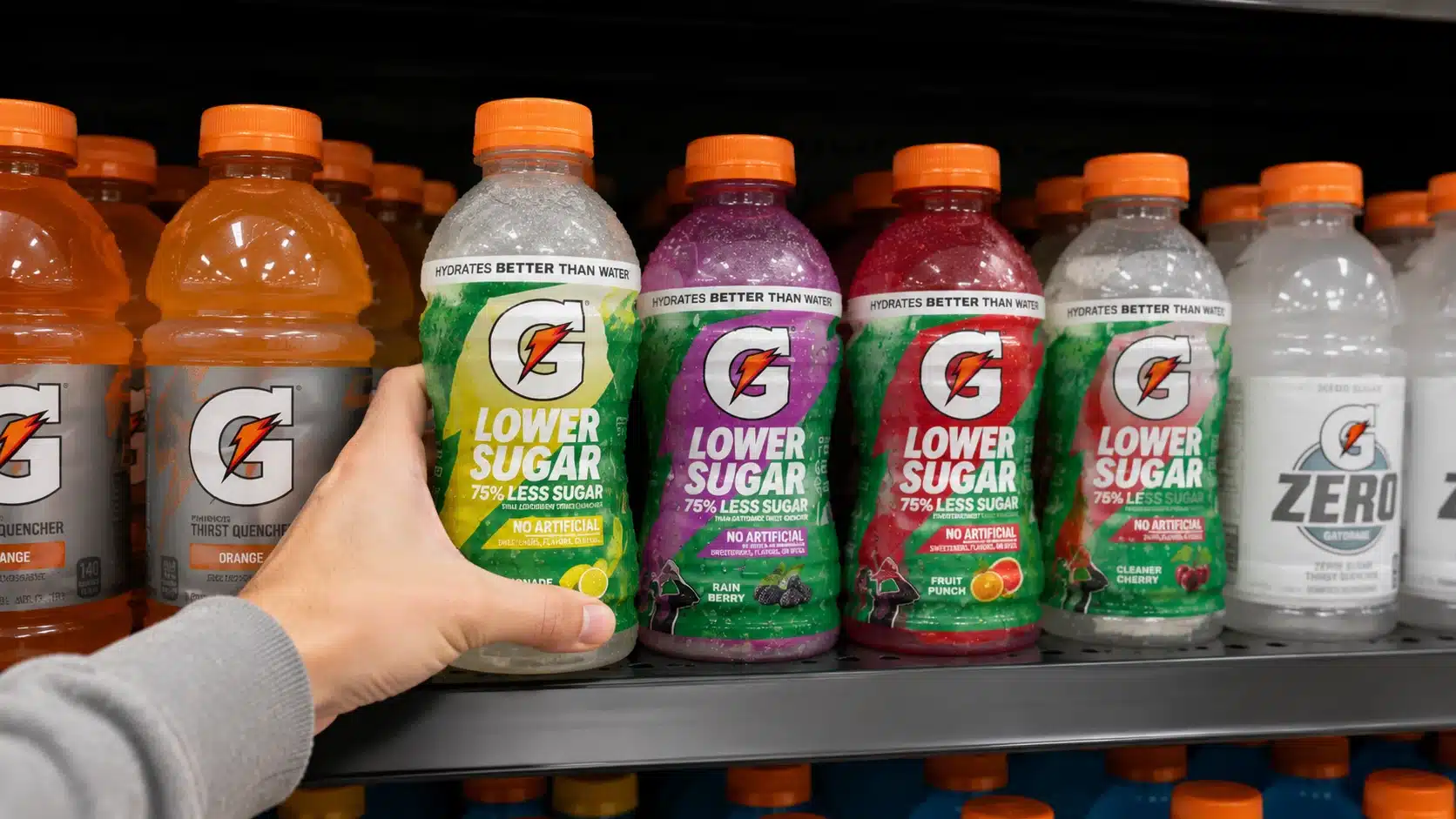
Gatorade Lower Sugar is meant for readers who do not want the classic sugar level but also do not want a zero-sugar product.
It is helpful to treat it as its own middle category because its label numbers will not match either Original or Zero.
- Form: Ready-to-drink bottles
- Taste: Mildly sweet, closer to classic Gatorade
- Main use: Lower-sugar hydration during activity
- Label cue: Lower Sugar appears on the bottle
4. Gatorlyte and Gatorlyte Zero
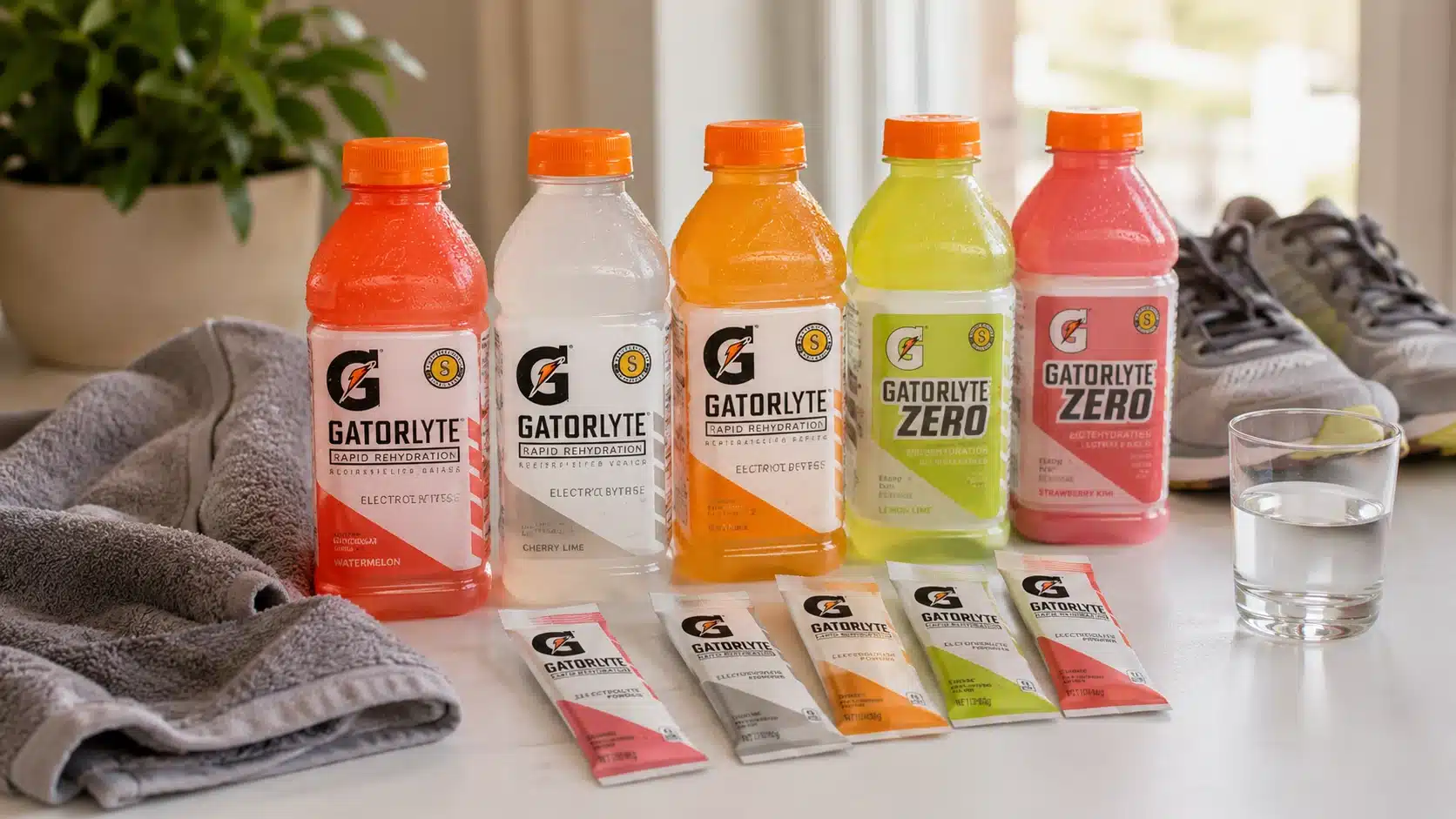
Gatorlyte belongs in a separate category because its label is more electrolyte-focused than the standard sports drink line.
Readers should pay closer attention to sodium and potassium here, since those numbers can look very different from classic Gatorade products.
- Form: Ready-to-drink bottles and powder sticks
- Taste: Stronger electrolyte taste than regular Gatorade
- Main use: Heavy sweating and rehydration support
- Label cue: Gatorlyte name and electrolyte-focused packaging
5. Gatorade Fit
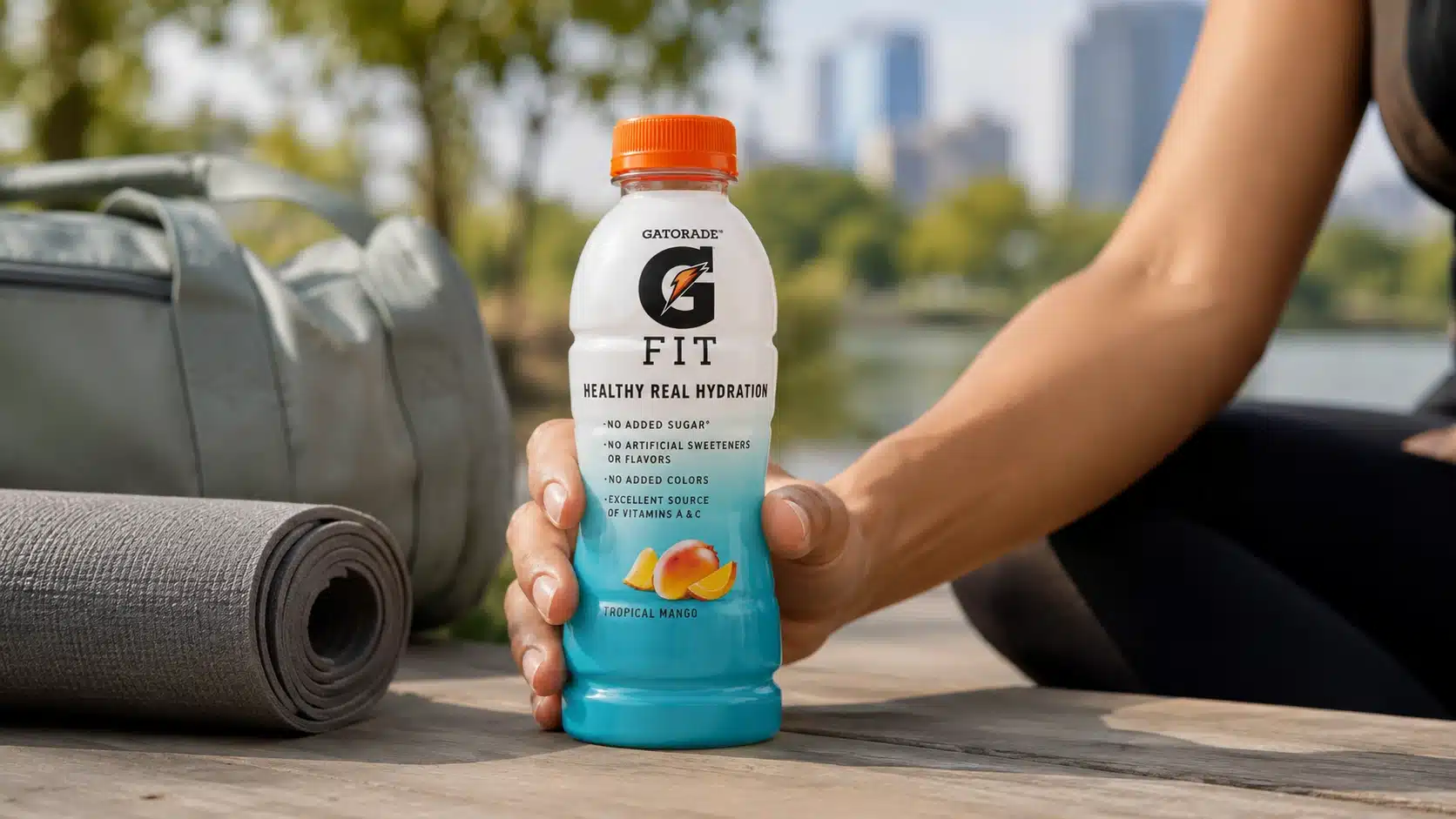
Gatorade Fit has a different positioning from the traditional sideline sports drink. Its label is built around no added sugar, vitamins, and electrolyte sources, so readers should compare it as an active-lifestyle option rather than assuming it matches classic Gatorade.
- Form: Ready-to-drink bottles
- Taste: Light, fruity, and less syrupy
- Main use: Everyday active hydration without added sugar
- Label cue: Fit branding and cleaner-looking bottle design
6. Fast Twitch
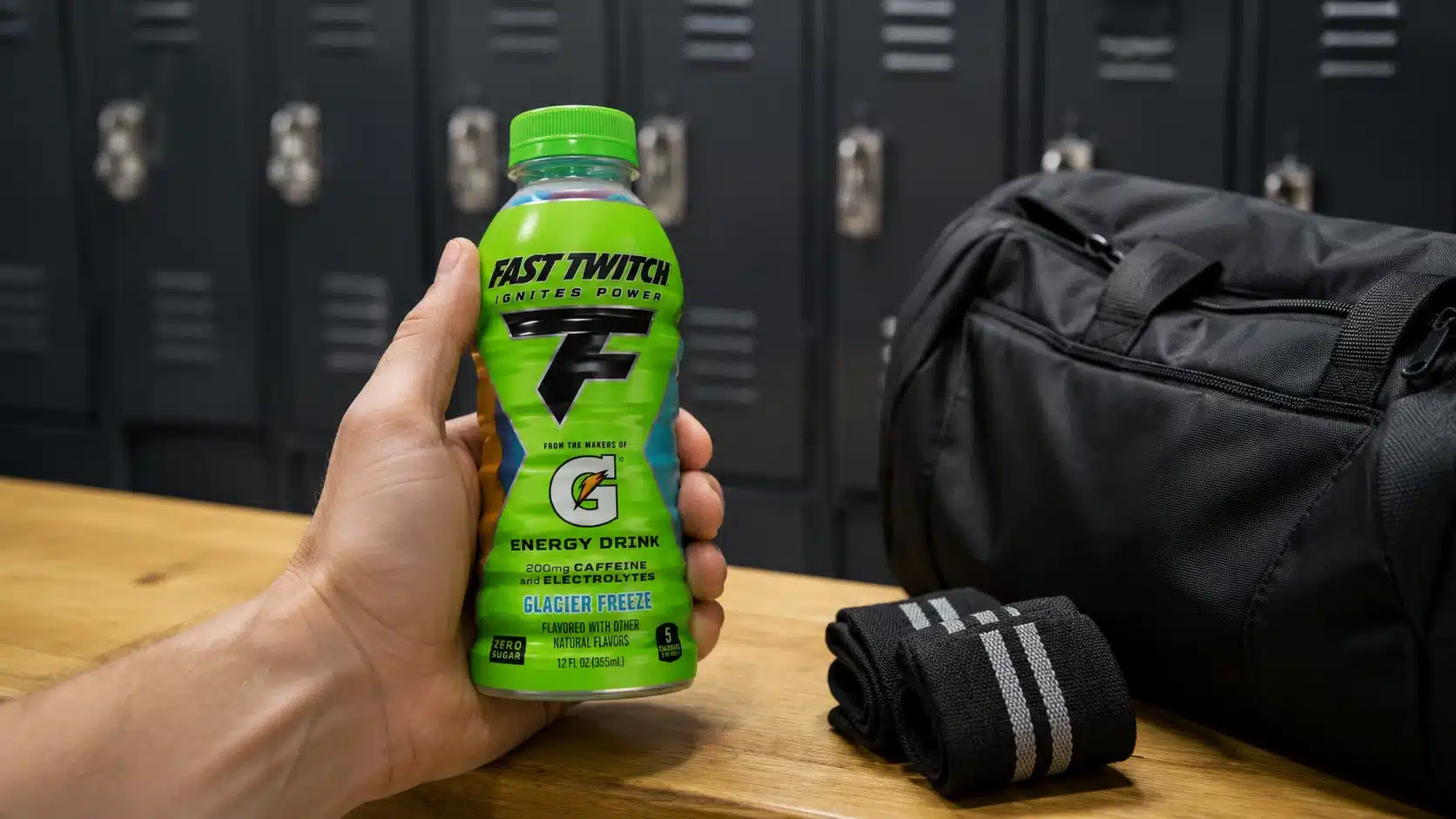
Fast Twitch is a caffeinated performance beverage rather than a regular hydration drink. It contains 200 mg of caffeine per 12 oz bottle, so readers should identify it carefully before choosing it, especially if they are sensitive to caffeine.
The amount of caffeine affects how readers should think about timing, sensitivity, and who should be drinking it.
- Form: Ready-to-drink bottles and some powder sticks
- Taste: Sweet and bold, closer to energy drinks
- Main use: Pre-workout energy and performance focus
- Label cue: Fast Twitch name and caffeine positioning
How Can You Identify Gatorade Products by Bottle Design?
Gatorade bottles are easy to recognize, but the design can still get confusing when flavors, sugar levels, and product lines look similar.
For visual identification, start with the brand mark, then check the product line name, flavor, color, bottle format, and nutrition cues.
- The G and lightning bolt: The large G with the lightning bolt is the main Gatorade brand mark. It usually appears boldly on the bottle and helps confirm that the product belongs to the Gatorade family
- Flavor and color cues: Bright colors often point to flavors like Cool Blue, Fruit Punch, Orange, Lemon Lime, or Glacier Freeze, but color alone is not enough because similar shades can appear across different lines
- Product line wording: Look for names such as Thirst Quencher, Zero, Lower Sugar, Gatorlyte, Fit, Fast Twitch, or Gx because those labels explain the product type better than color or flavor
- Nutrition category clues: Words like Zero, Lower Sugar, electrolyte, or caffeine matter because they tell you whether the drink is focused on sugar reduction, rehydration, or energy support
- Bottle format and special packaging: Ready-to-drink bottles, powders, pods, squeeze bottles, athlete editions, and limited designs can look different while still belonging to the same broader Gatorade brand
| Disclaimer: Packaging, flavors, product names, formulas, and nutrition facts can change over time. For the most accurate product details, ingredient lists, and availability, check the official Gatorade website or the label on the bottle you are holding. |
How Many Calories are in Gatorade, and Is It Healthy?
Calories in Gatorade depend on the product and bottle size, so a single number can be misleading. A 12 oz Gatorade Thirst Quencher has 80 calories, while a 20 oz bottle of the same formula has 140 calories.
Gatorade Zero is usually 0 to 5 calories, and Gatorade Lower Sugar often falls around 20 to 35 calories per bottle, depending on size. These gatorade nutrition facts are easiest to use when you compare the product line and bottle size together.
From a dietitian’s view, Gatorade works best as a situation-based drink, not an everyday default. It can be useful during longer workouts, hot outdoor activity, sports practice, or heavy sweating because it provides fluid, carbohydrates, sodium, and potassium.
For short walks, light activity, or regular hydration, water is usually enough. Sugar-containing versions can add up quickly if they become a daily sipping habit. Zero and Lower Sugar change the calorie and sugar profile, but they are not necessary for everyone.
The better choice depends on activity level, sweat loss, bottle size, caffeine tolerance, and personal health needs.
Which Gatorade Should You Choose?
The best choice depends on what you are doing, how long you are active, how much you sweat, and whether sugar, fewer calories, or caffeine actually fits the situation you are in.
| Situation | Better Fit | Why |
| Long practice or sweaty workout | Thirst Quencher | Provides carbs plus sodium and potassium |
| Want electrolytes without sugar | Gatorade Zero | Keeps sodium and potassium without added sugar |
| Want less sugar but not zero | Lower Sugar | The middle option for calories and sugar |
| Heavy sweat or stronger electrolytes are needed | Gatorlyte or Gatorlyte Zero | Higher electrolyte profile |
| Active lifestyle without added sugar | Gatorade Fit | No added sugar, vitamin-focused positioning |
| Need caffeine before performance | Fast Twitch | Caffeinated product, not basic hydration |
| Light daily hydration | Water | Usually enough without sugar or electrolytes |
A good choice always starts with the situation, not the flavor sitting in front of you. I would genuinely rather see someone reach for the right product twice a week than drink the wrong one daily simply because the flavor feels familiar.
What are the Drawbacks of Drinking Too Much Gatorade?
Gatorade can be useful during longer workouts, in the heat, during sports, or with heavy sweating. The drawback shows up when it becomes an everyday sipping habit without that activity behind it, because sugar, sodium, calories, and caffeine can add up quietly.
- Added sugar: Classic Thirst Quencher can raise weekly sugar intake when used outside exercise, so save it for activity instead of casual sipping
- Extra calories: Larger bottles may add more calories than expected, so check the per-container number before drinking the full bottle
- Sodium load: Electrolytes help replace sweat losses, but they still count toward daily sodium intake when your body does not need them
- Dental exposure: Frequent sipping of sugary, acidic drinks can affect teeth, so drink with meals or rinse with water afterward
- Wrong illness use: Sports drinks are not the same as oral rehydration solutions for severe diarrhea, so use medical guidance for illness dehydration
- Caffeine mix-up: Fast Twitch contains caffeine, unlike most Gatorade drinks, so treat it like a performance drink instead of regular hydration
The key is context, not fear. Gatorade is not automatically a problem, but a mismatch can be. If you are not losing much through sweat, the sugar and electrolytes may not be solving a real hydration need.
Frequently Asked Questions
Is Gatorade safe for people with celiac disease?
Most Gatorade products are listed as gluten-free according to the brand’s own FAQ, but formulas and product types can change over time. Anyone with celiac disease should check the exact product label or the SmartLabel listing directly rather than assuming the entire lineup follows a single rule.
Is Gatorade okay for people with diabetes?
Sugar-containing Gatorade can raise carbohydrate and added sugar intake meaningfully, so people managing diabetes should check labels carefully before drinking it regularly. Gatorade Zero may fit better into some plans, but personal medication, activity level, and blood glucose goals should ultimately guide that decision.
Does Gatorade have caffeine?
Most Gatorade hydration products contain no caffeine at all. Fast Twitch is the clear exception, containing 200 mg of caffeine per 12 oz bottle. Anyone sensitive to caffeine, pregnant, nursing, or selecting drinks for children should check the specific product line before assuming a bottle is caffeine-free.
Can Gatorade help with dehydration from diarrhea?
For severe diarrhea, oral rehydration solutions are generally preferred because sports drinks do not replace fluid and electrolyte losses in the same way. Gatorade may look like a reasonable hydration option, but illness-related dehydration behaves differently from fluid loss through sweat during exercise.
Why do some Gatorade bottles show different calorie counts?
Calories in Gatorade shift based on both the specific product line and the bottle size you are looking at. A 12 oz serving is never the same as a 20 oz, 28 oz, or 32 oz bottle. Always compare serving size and full-container values side by side before drawing any conclusions.
Last Thoughts
Gatorade becomes far easier to understand once you stop treating every bottle as the same drink wearing a different flavor.
Classic Thirst Quencher, Zero, Lower Sugar, Gatorlyte, Fit, and Fast Twitch each play a genuinely different role, and the most reliable gatorade nutrition facts always come straight from the exact bottle in your hand, especially serving size, calories, sugar, sodium, potassium, and caffeine.
Calories in Gatorade can shift dramatically just by switching bottle sizes, which is the single detail most people overlook when comparing options at the store.
Which Gatorade product or flavor would you want broken down next? Drop it in the comments, and it might shape the next comparison.