
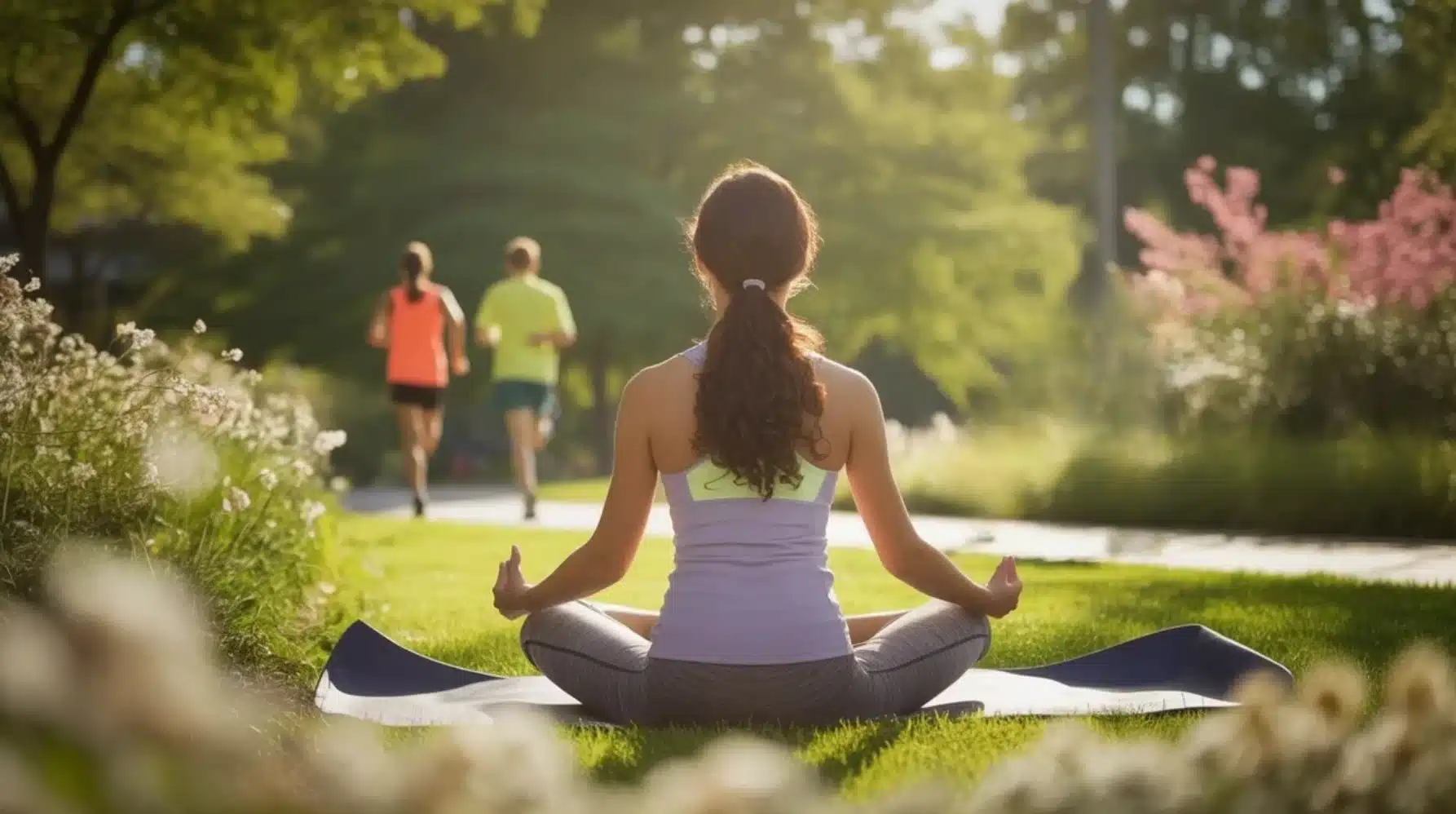

Most people come to yoga through a mat, a class, and a few poses, and they barely survive the first time. That was my entry point too, and for a while, it felt like enough. But the more time spent on the mat, the clearer it becomes that physical movement is just one small piece of a much larger system.
The eight limbs of yoga lay out a complete framework for living, not just for stretching. Patanjali mapped this out centuries ago, and the structure holds up with quiet, steady relevance.
I am eager to share everything I know about the eight limbs of yoga with you. I’ll cover the meaning behind each limb, its purpose, and how you can actually bring it into your life today.
What are the Limbs of Yoga and Where Did They Come From?
The word “Ashtanga” breaks down simply: ashta means eight, anga means limbs. These eight limbs of yogaare derived from the Yoga Sutras of Patanjali, a foundational text written between 200 BCE and 400 CE.
Patanjali didn’t invent yoga; he organized and recorded what was already being practiced. The eight limbs form a framework that moves from ethical behavior in the world outward, through the body, breath, and senses, all the way to deep meditative states.
They are not a checklist or a ladder; they are interconnected practices that support and deepen each other. It’s also worth noting: this system has nothing to do with the modern Ashtanga yoga style taught in studios.
That’s a specific movement practice. The eight limbs are a philosophy of living.
The Eight Limbs of Yoga Explained
The eight limbs move from outer conduct to inner awareness. Each prepares the ground for the next, and none works in isolation. Together, they form one complete system for mental, ethical, and spiritual growth.
1. Yama: Ethical Guidelines Toward Others

Yama refers to how you behave toward the world around you. It is the starting point because inner clarity is nearly impossible without outer integrity.
The five Yamas, Ahimsa (non-violence), Satya (truthfulness), Asteya (non-stealing), Brahmacharya (moderation), and Aparigraha (non-possessiveness), apply not just in dramatic moments but in everyday speech, workplace choices, and how you treat relationships. Small acts, lived consistently.
2. Niyama: Personal Discipline and Self-Study

Where Yama looks outward, Niyama turns the lens inward. These five personal observances, Saucha (cleanliness), Santosha (contentment), Tapas (discipline), Svadhyaya (self-study), and Ishvarapranidhana (surrender), are about how you relate to yourself.
Contentment doesn’t mean complacency. Discipline isn’t punishment. Self-study means honest reflection on what drives your choices. These practices shape character quietly, over time, through repetition rather than grand gestures.
3. Asana: Posture
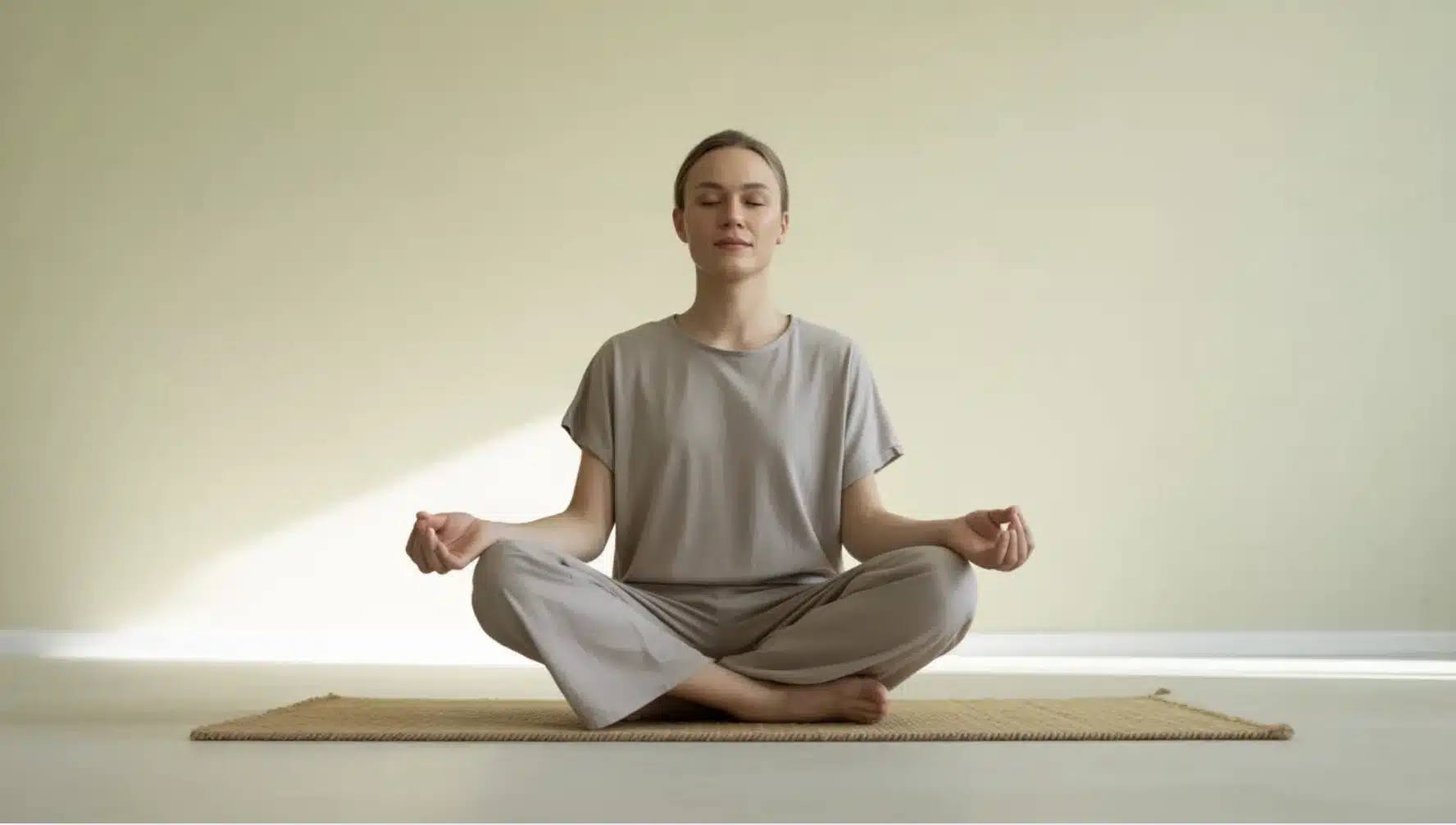
The original meaning of asana has nothing to do with flexibility or fitness. Patanjali described it simply as a steady, comfortable seat, a stable enough body to sit in meditation without distraction.
Modern yoga has expanded asana into a full physical practice with real value. But the classical purpose is grounding: when the body is settled, the mind has a better chance of following.
4. Pranayama: Breath Regulation
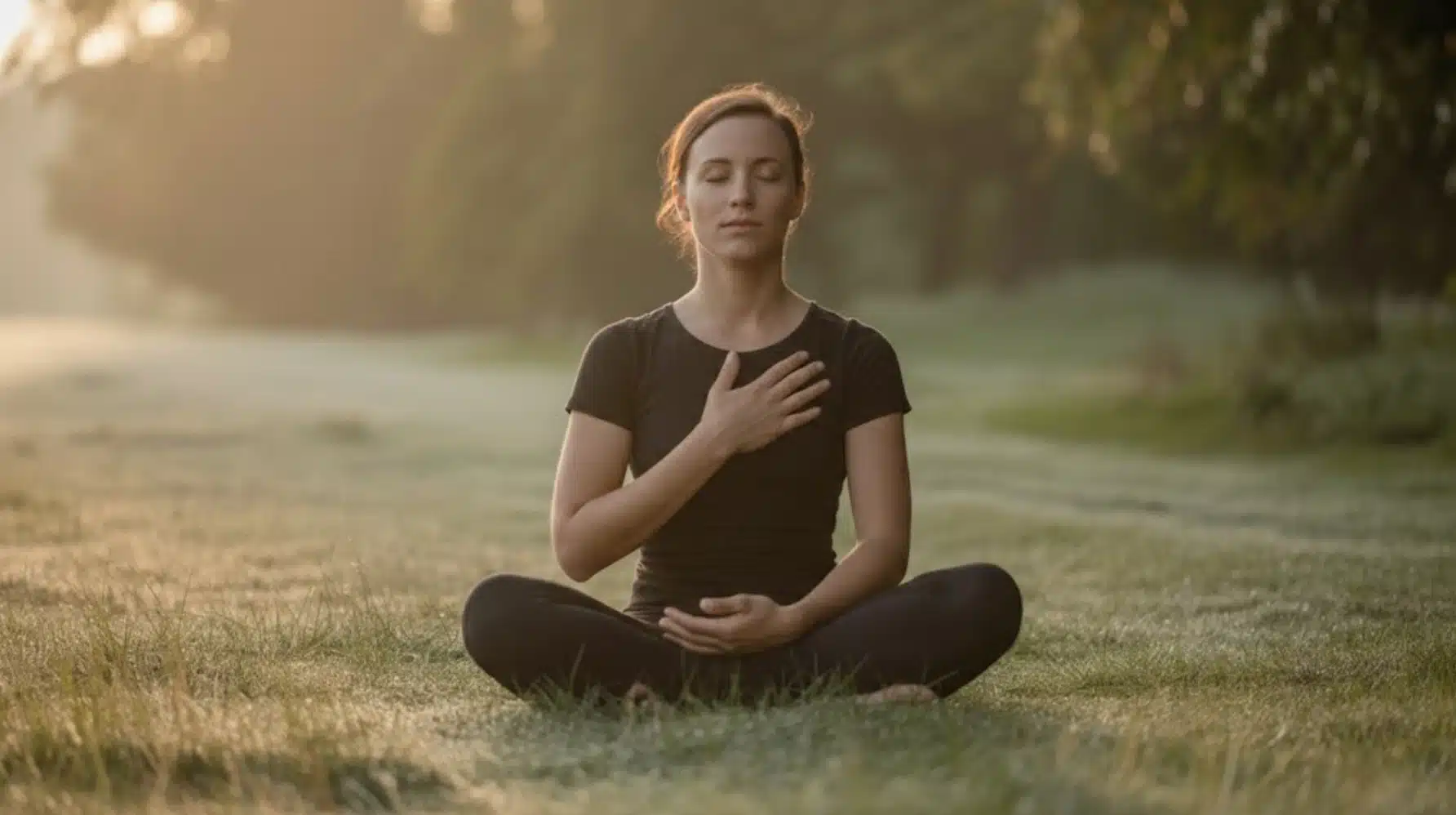
Prana means life force, and pranayama is the practice of working with it through breath. The nervous system responds directly to how you breathe. Slow, deliberate breathing activates the parasympathetic response, reducing stress and steadying the mind.
Simple practices like equal-breathing or alternate-nostril breathing are accessible starting points. Breath is the bridge between body and mind, and pranayama is the practice of learning to use it with intention.
5. Pratyahara: Withdrawal of the Senses

Pratyahara is the practice of turning attention inward by reducing the pull of external stimulation. In a world of constant notifications, screens, and noise, this limb feels more relevant than ever.
It doesn’t require isolation; it’s a trained skill. When you choose to step back from distraction and direct your attention deliberately, you are practicing pratyahara. It prepares the mind for the concentrated work that follows.
6. Dharana: Concentration

Dharana is single-pointed focus, the practice of holding the mind on one object without letting it wander. That object might be the breath, a mantra, a visual point, or a concept.
In daily life, dharana appears to be the ability to remain present with one task without mental scattering. Attention is trainable, and this limb is essentially the training ground for it. Without dharana, deeper meditative states remain out of reach.
7. Dhyana: Meditation
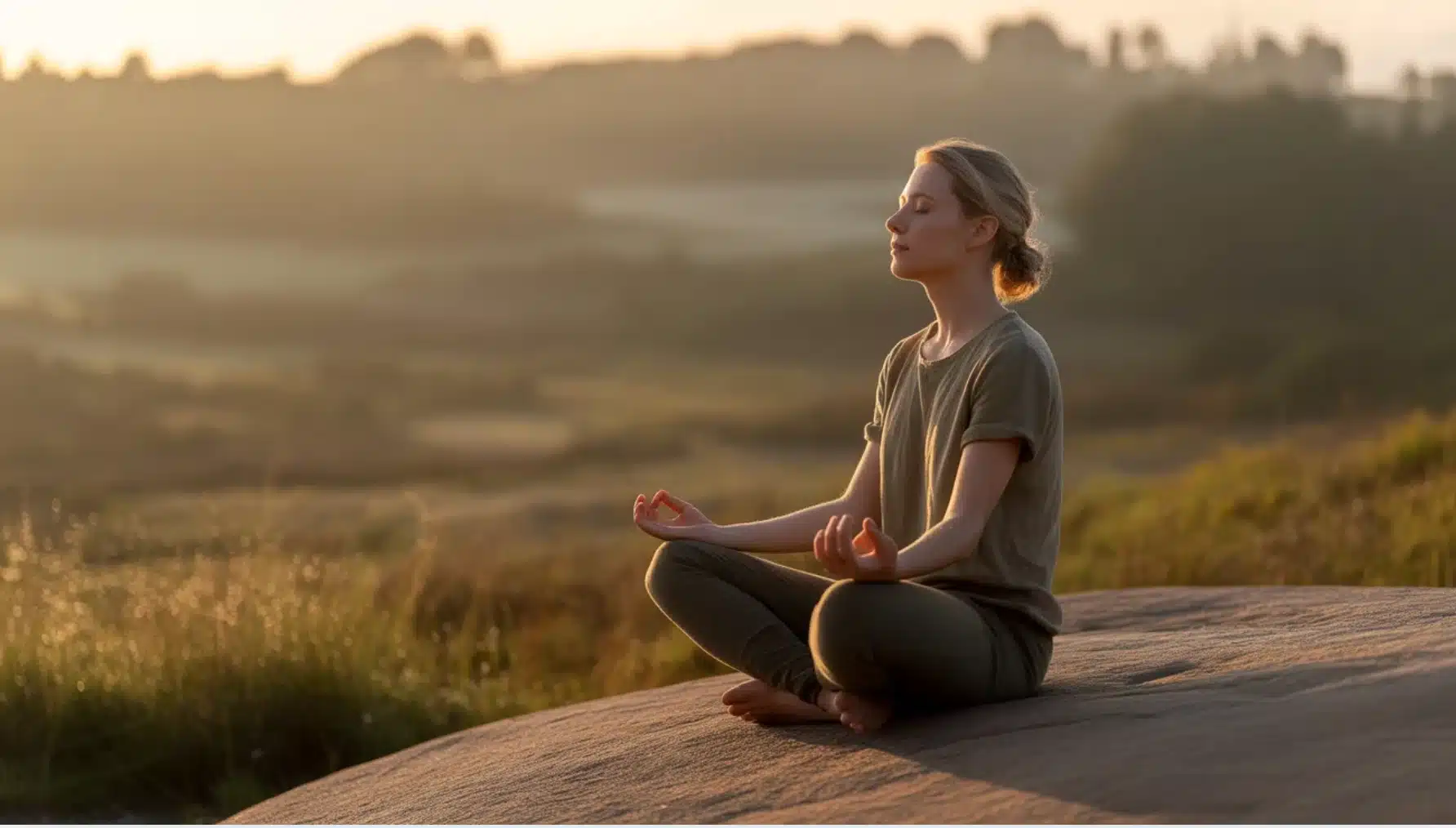
Dhyana is what happens when concentration becomes continuous. It is not a technique you apply; it is a state that arises when dharana deepens without interruption. The mind isn’t forcing focus anymore; it’s flowing.
This distinction matters because many people sit to “do” meditation and then feel they’ve failed when thoughts arise. Dhyana is a movement into stillness, not an absence of experience; it develops through consistent, patient practice.
8. Samadhi: Absorption

Samadhi is described as the culmination of practice, a state of deep absorption where the separation between observer and observed dissolves. It doesn’t need to be treated as something mystical or unreachable.
Think of it as complete presence: moments when the mind is so fully in what it’s doing that self-consciousness drops away. Most practitioners glimpse this briefly. That’s enough. The eight limbs exist to make those moments more accessible over time.
These eight limbs don’t work as separate modules. Practicing one naturally pulls the others along. Ethical steadiness makes concentration easier. Stable breath supports meditation. The system is self-reinforcing.
How to Practice the Eight Limbs of Yoga in Daily Life
You don’t need to overhaul your life to start. Small, consistent steps in each limb build the foundation over time. Here’s how to simply integrate this practice into your daily life:
- Start with Yama and Niyama: choose one quality, such as truthfulness or contentment, and watch how it plays out in real interactions throughout the week.
- Use asana to build body stability: even 15–20 minutes of intentional physical practice creates a steadier foundation for everything else.
- Add short pranayama sessions: five minutes of conscious breath work in the morning or before sleep can shift how your nervous system responds to stress.
- Reduce one major distraction daily: this is pratyahara in practice; phones off during meals, quiet time before screens in the morning.
- Meditate for five minutes: dharana and dhyana don’t require long sessions, especially at the start; regularity matters more than duration.
- Let the limbs inform each other: notice how a calmer body makes breath easier, and easier breath makes focus steadier.
The goal isn’t perfection across all eight limbs simultaneously. Yoga lived outside the mat looks like small, honest choices made repeatedly. That consistency is the practice.
Why the Eight Limbs of Yoga Still Matter Today
Modern life moves fast, and most people are managing some version of chronic distraction, low-level stress, and a vague sense that something important is being missed.
The eight limbs address it all: ethical clarity through Yama and Niyama, physical grounding through asana, mental steadiness through breathwork, sense withdrawal, concentration, and meditation, covering what most advice never does. And the deeper limbs, concentration, meditation, absorption- address the mental fragmentation that has become so ordinary it’s almost invisible.
A recent survey on the National Library of Medicine found that most yoga teachers view all eight limbs as essential, though physical postures and breath got the most focus. Emphasizing the full system can deepen benefits and balance practice.
These practices weren’t designed for a particular culture or era. They address human tendencies that haven’t changed: distraction, reactivity, scattered attention, and the need for meaning. Working with the eight limbs, even imperfectly, provides a map that’s still worth following.
Final Remarks
The eight limbs of yoga are not a set of rigid rules to follow; they are a system of practices designed to work together. Yoga is far more than physical movement, and the Yoga Sutras make that plain.
From ethical behavior to meditative absorption, each limb addresses a different layer of how you live. What makes this framework valuable is its practicality: you can begin anywhere, with whatever limb feels most accessible, and the rest will start to shift around it.
My experience with this system has taught me that progress is rarely dramatic; it’s quiet, cumulative, and real. Small daily efforts in any one of these limbs are not preparation for yoga. They are yoga. Drop a comment below and share your thoughts.