


Dropping to 1,000 calories a day sounds simple on paper: eat less, lose weight, done. But my concern with this kind of plan has always been less about whether it works and more about whether it’s being done in a way that doesn’t quietly cause damage.
Done right, a 1000 calorie meal plan can drive real, visible fat loss in a short window. Done carelessly, it leads to muscle loss, a slower metabolism, and weight that comes back faster than it left.
Like they say, “don’t worry, be happy.” I have brought you a full 7-day sample menu, macro targets, safety context, and the honest details most plans leave out. Let’s get into it.
What Should a Balanced 1000 Calorie Day Include?
Getting the most out of 1,000 calories means being intentional about every food choice. Eating 1,000 calories of chips versus 1,000 calories of chicken and vegetables produces very different outcomes for your body.
| Nutrient | Daily Target | Best Sources | Why It Matters |
| Protein | 60–80g | Chicken breast, egg whites, Greek yogurt, cottage cheese, tofu | Preserves muscle, keeps you full, and burns more energy during digestion |
| Carbohydrates | 80–120g | Oats, lentils, sweet potato, leafy greens | Stabilizes blood sugar, provides fiber, sustains energy on low calories |
| Healthy Fats | 25–35g | Olive oil (1 tbsp), avocado (¼), almonds (small handful) | Supports hormone function, critical during a calorie deficit |
| Micronutrients | Fill half your plate | Spinach, broccoli, zucchini, cucumber, bell peppers | High volume, low calories, essential vitamins, and fiber |
Get these four categories right and 1,000 calories becomes far more manageable, and far less damaging, than most people expect.
7-Day 1000 Calorie Meal Plan
Here’s a full week of structured meals, each day landing at approximately 1,000 calories with a focus on protein and balanced macros.
Day 1 (1,000 Calories, 70g Protein)
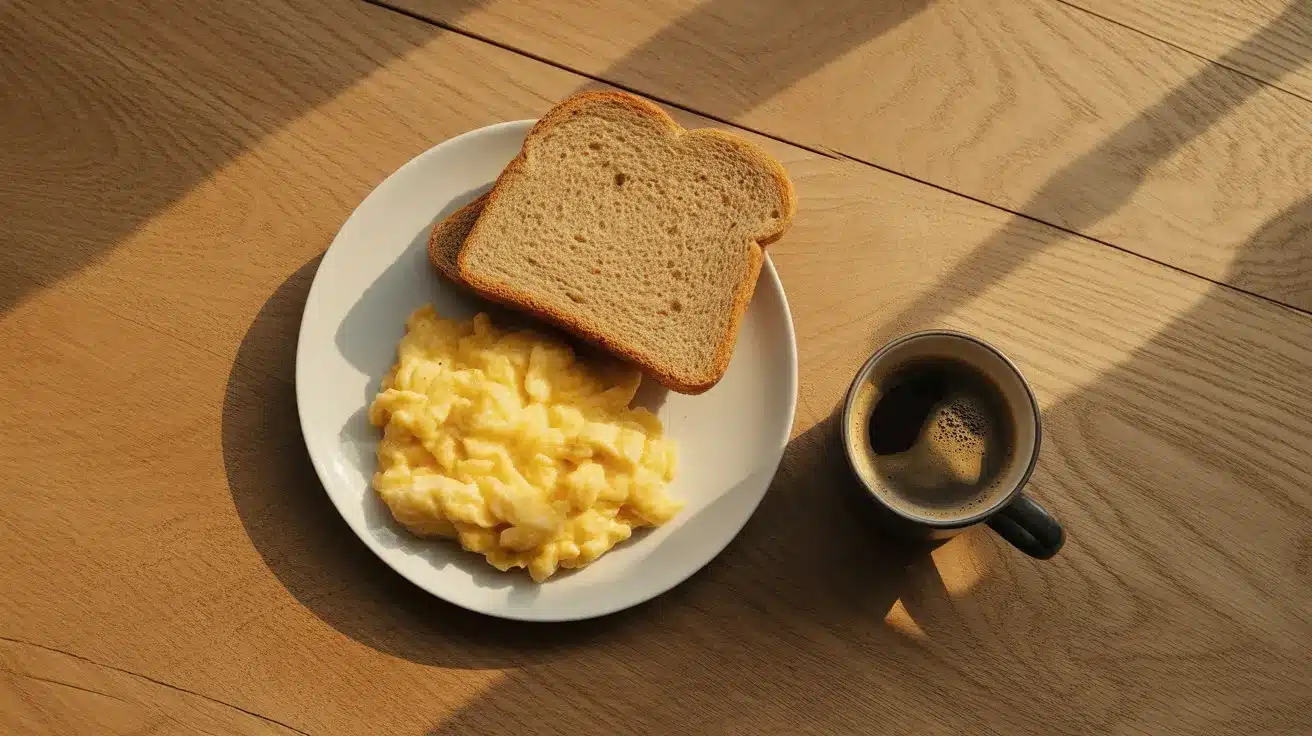
A balanced mix of lean protein, fiber, and moderate carbohydrates to start the week strong and steady.
- Breakfast: 2 scrambled eggs + 1 slice whole wheat toast + black coffee, 280 cal
- Lunch: Grilled chicken breast (100g) + large green salad + 1 tsp olive oil dressing, 320 cal
- Snack: 100g low-fat Greek yogurt + a small apple, 150 cal
- Dinner: Stir-fried tofu (80g) + mixed vegetables + half cup brown rice, 250 cal
This day prioritizes protein early to manage hunger and stabilize energy through the afternoon and evening.
Day 2 (1,000 Calories, 68g Protein)
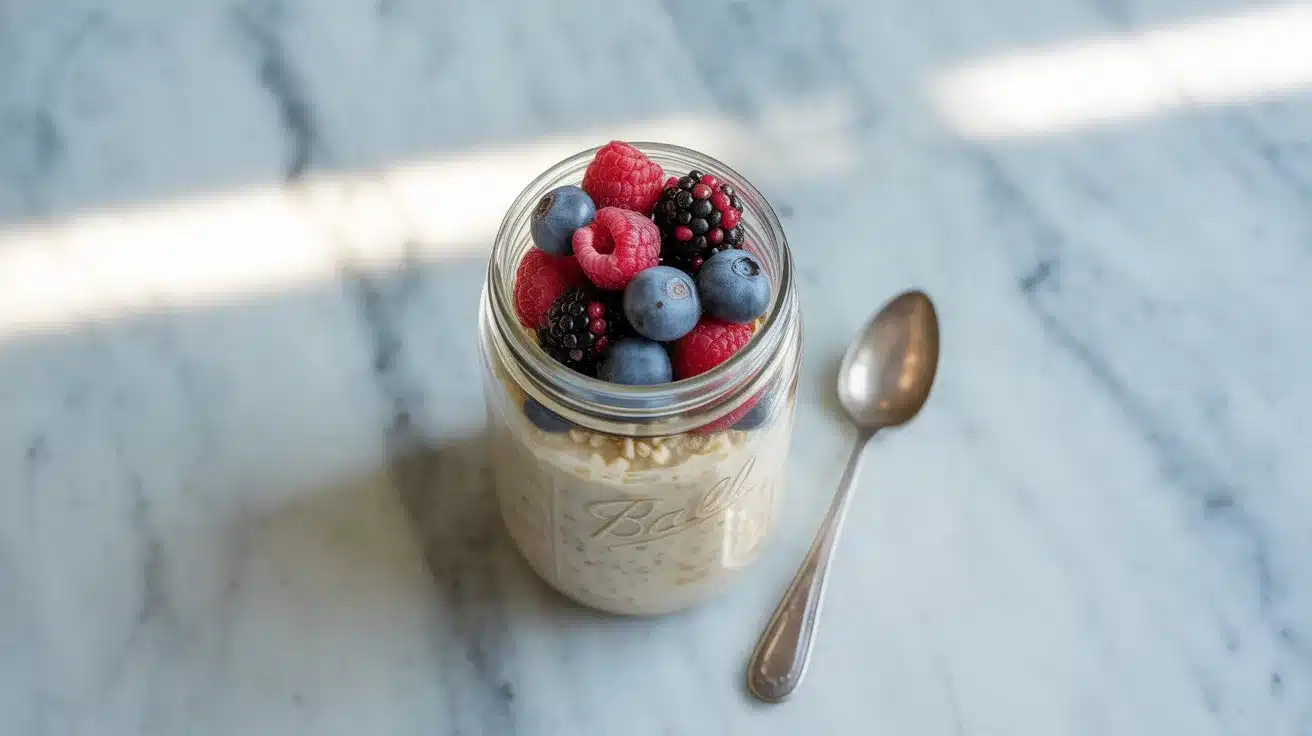
A seafood-focused day with balanced carbs and steady protein across meals for sustained fullness.
- Breakfast: Overnight oats (40g oats + low-fat milk + berries), 300 cal
- Lunch: Tuna salad (canned tuna in water, mustard, celery) on 1 slice of bread, 280 cal
- Snack: 1 boiled egg + 1 small orange, 130 cal
- Dinner: Baked cod (120g) + steamed broccoli + small sweet potato, 290 cal
Lean fish supports protein goals while vegetables add volume without excessive calories.
Day 3 (1,000 Calories, 72g Protein)
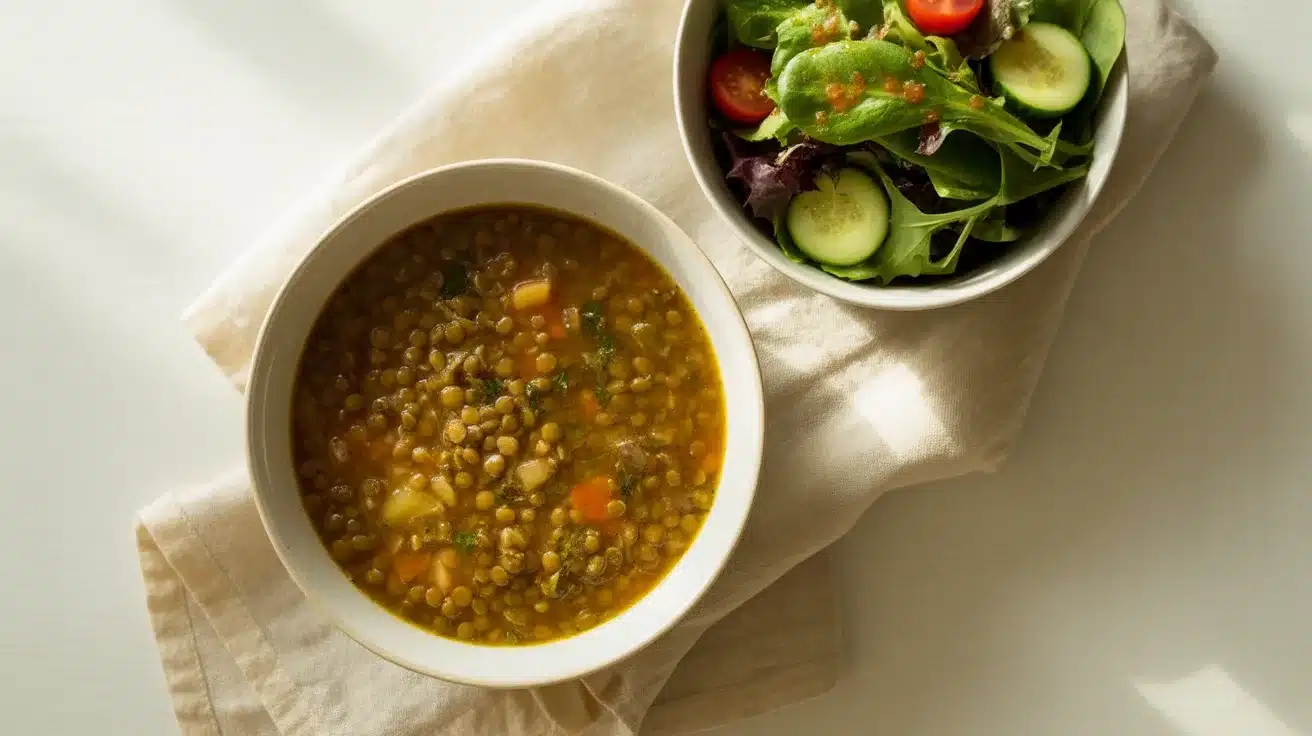
Higher protein intake supports muscle retention while keeping calories controlled and meals satisfying.
- Breakfast: 3 egg whites + sautéed spinach + 1 slice rye toast, 270 cal
- Lunch: Lentil soup (1 cup) + side salad, 310 cal
- Snack: Cottage cheese (100g) + cucumber slices, 120 cal
- Dinner: Turkey mince (100g) stir-fry with zucchini, onion, and bell pepper, 300 cal
This structure evenly distributes protein, reducing energy dips later in the day.
Day 4 (1,000 Calories, 65g Protein)
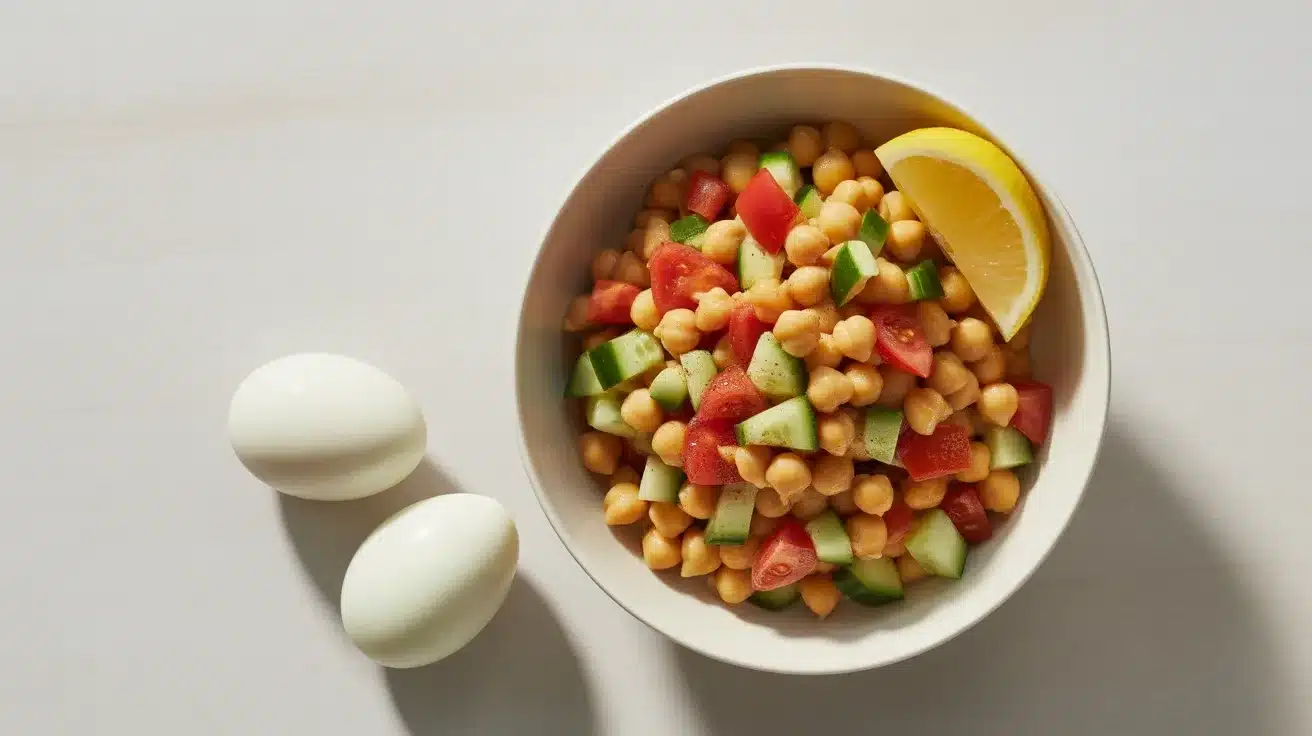
A moderate-protein day with healthy fats from salmon to support hormone balance.
- Breakfast: 2 boiled eggs + 1 small banana, 280 cal
- Lunch: Chickpea salad with tomato, cucumber, lemon dressing, 300 cal
- Snack: 1 rice cake + 1 tbsp peanut butter, 130 cal
- Dinner: Grilled salmon (100g) + asparagus + half cup quinoa, 290 cal
Fat from salmon increases satiety and supports recovery during calorie restriction.
Day 5 (1,000 Calories, 74g Protein)
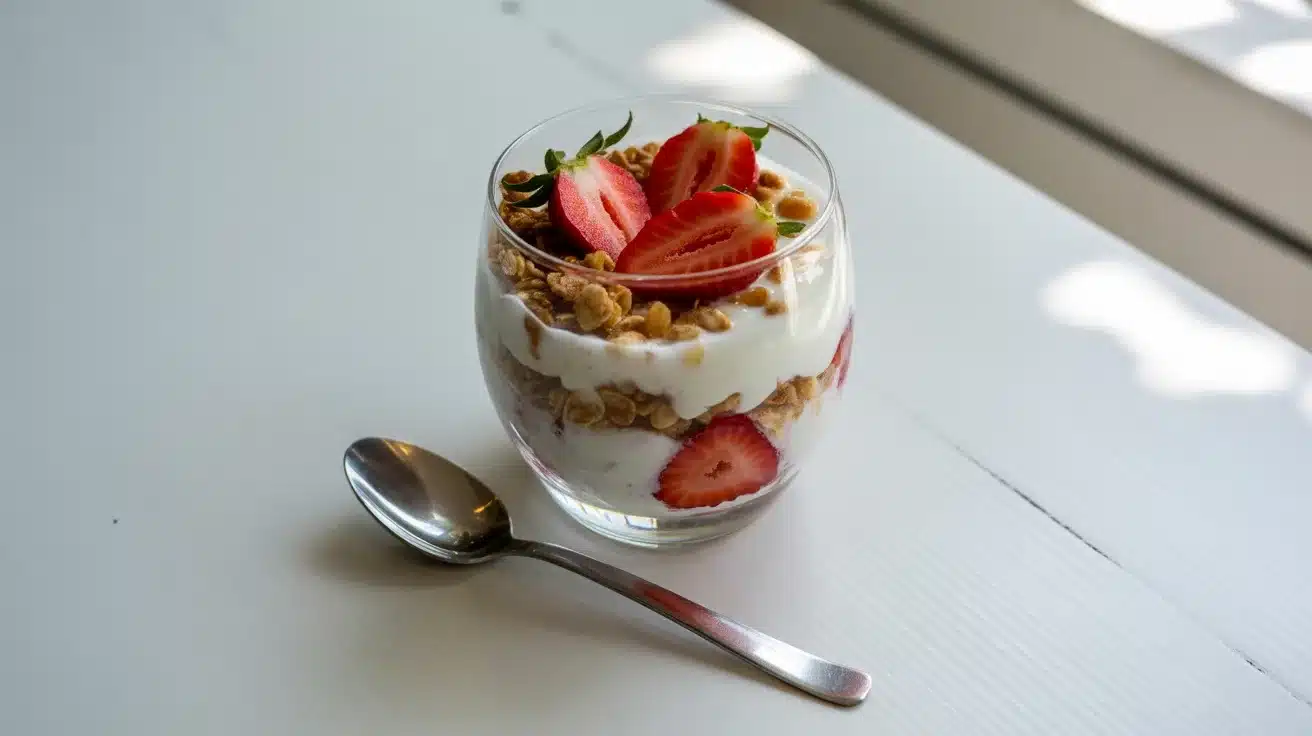
A higher-protein day designed to preserve muscle and reduce cravings.
- Breakfast: Greek yogurt parfait (150g yogurt + 20g granola + strawberries), 290 cal
- Lunch: Chicken and vegetable soup (homemade, 1.5 cups), 300 cal
- Snack: 1 small apple + 1 boiled egg, 140 cal
- Dinner: Shrimp (100g) stir-fried with bok choy and garlic + half cup brown rice, 270 cal
Lean seafood and yogurt help maintain fullness while keeping calories controlled.
Day 6 (1,000 Calories, 66g Protein)
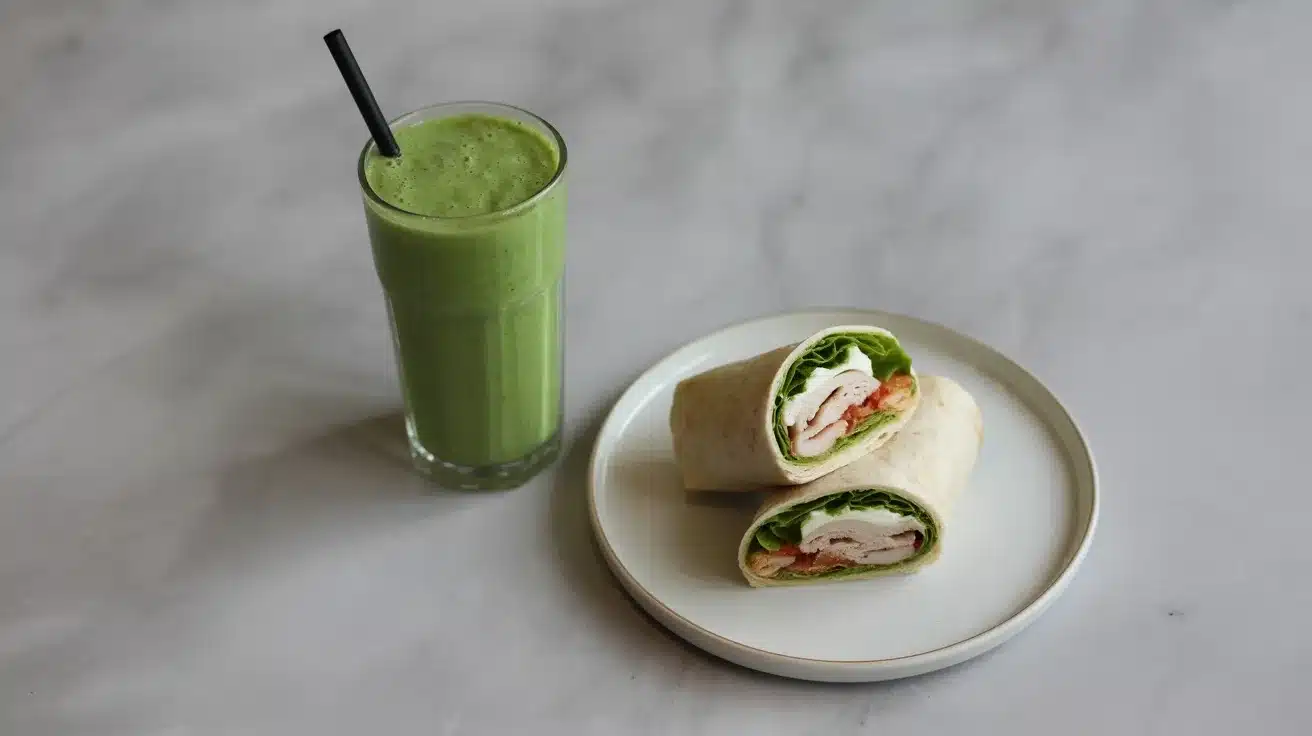
This day keeps preparation simple and efficient, making it easier to stay consistent when energy or motivation feels lower during a calorie-deficient phase.
- Breakfast: Smoothie (unsweetened almond milk, half banana, protein powder, spinach), 280 cal
- Lunch: Turkey wrap (1 small tortilla, 80g turkey, lettuce, mustard), 300 cal
- Snack: Low-fat cheese (30g) + 4 wholegrain crackers, 140 cal
- Dinner: Baked chicken thigh (skin off, 120g) + roasted cauliflower, 280 cal
Meals are balanced across the day to maintain steady protein intake while keeping cooking time short and portions controlled.
Day 7 (1,000 Calories, 69g Protein)
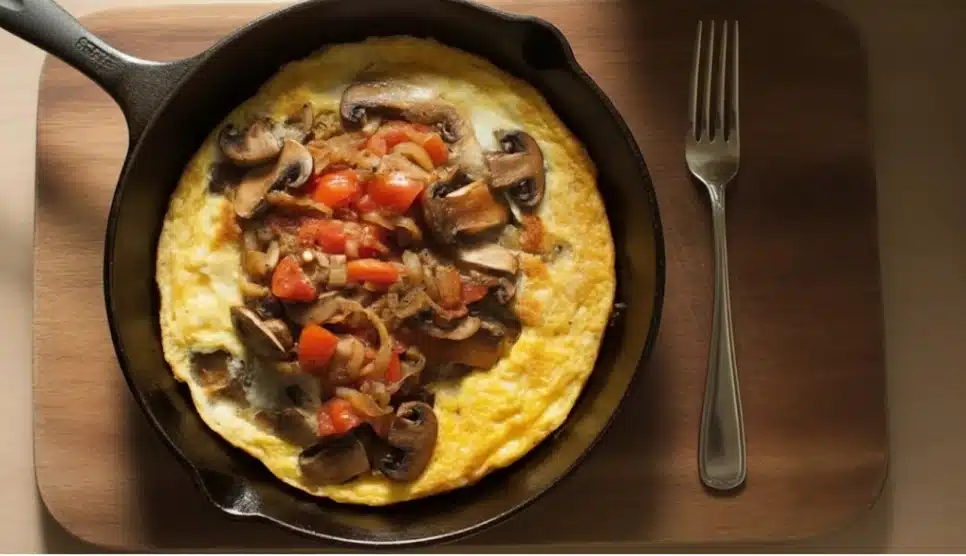
The final day emphasizes fiber and steady protein intake, helping manage hunger while maintaining structure through the end of the weekly plan.
- Breakfast: Veggie omelette (2 eggs + mushrooms, tomato, onion), 270 cal
- Lunch: Black bean bowl (half cup beans, salsa, shredded cabbage, lime), 310 cal
- Snack: 1 small pear + 80g low-fat cottage cheese, 130 cal
- Dinner: White fish (120g) + sautéed greens + small portion of mashed sweet potato, 290 cal
This structure supports fullness, digestive comfort, and consistent calorie control without relying on highly processed foods.
1000 Calorie High-Protein Plan for Muscle Retention
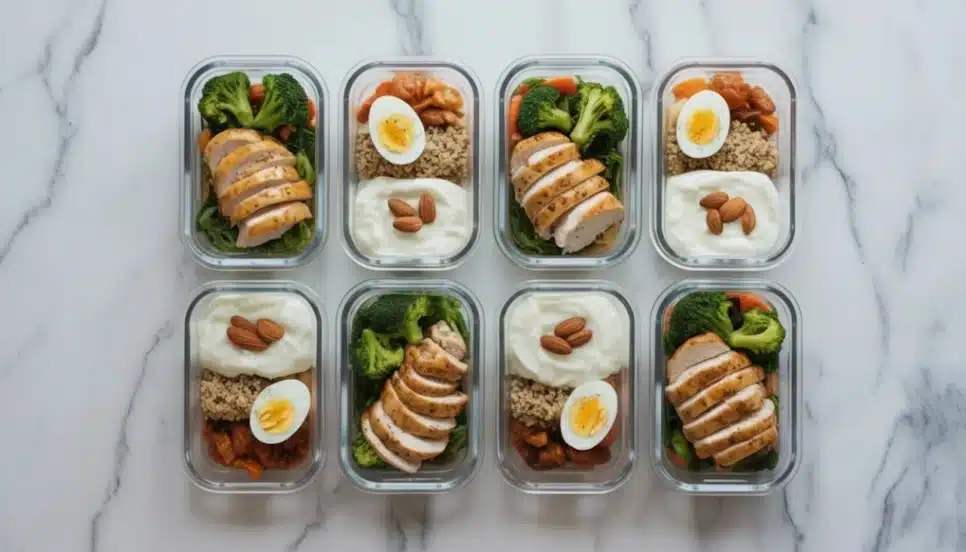
This version of the 1000-calorie meal plan shifts the focus toward higher protein intake to help preserve lean muscle during a calorie deficit. Instead of spreading calories evenly across carbs and fats, the priority becomes lean protein at each meal.
A typical day may include egg whites with one whole egg at breakfast, grilled chicken with a large salad at lunch, Greek yogurt mixed with protein powder as a snack, and baked turkey breast with green vegetables at dinner.
Total protein can reach around 100 grams while staying near 1,000 calories. Swapping grains for extra-lean meats or replacing fruit snacks with protein-based options helps maintain satiety and supports metabolic stability during short-term weight loss.
Is a 1000 Calorie Meal Plan Safe?
A 1,000-calorie meal plan sits far below the average adult maintenance range of roughly 1,600 to 2,400 calories per day. That large deficit can drive fat loss, but it leaves very little room for nutritional mistakes.
It may work for smaller-framed individuals, those under medical supervision, or people aiming for short-term weight loss before a specific milestone, especially if protein intake remains high.
However, active men, pregnant or breastfeeding women, teenagers, and anyone with diabetes, thyroid issues, or a history of disordered eating should not attempt this without medical guidance.
Most professionals recommend limiting it to a few weeks. Extended restriction can slow metabolism and reduce long-term progress.
How Much Weight Can You Lose on 1000 Calories?
Weight loss on 1,000 calories depends on your maintenance level, body size, activity, and protein intake. If maintenance sits around 1,800 to 2,000 calories, eating 1,000 creates a daily deficit of 800 to 1,000 calories.
Over a week, that can translate to roughly 1.5 to 2 pounds of total weight loss. Some of that may be water at first, especially in the first few days. Real fat loss depends on preserving muscle with adequate protein intake.
Without enough protein, the body may break down muscle, which slows metabolism over time. Results vary widely, and rapid drops are not always sustainable. The larger the deficit, the more important recovery, sleep, and nutrient quality become.
Can You Exercise on 1000 Calories?
Low to moderate activity, walking, yoga, and light cycling are generally manageable at 1,000 calories, provided protein intake is consistent. Heavy lifting or intense cardio is a different matter entirely.
At this level of deficit, recovery slows, strength declines, and fatigue accumulates faster than most people anticipate.
My view is that pushing hard in the gym while eating this little does more harm than good for most people.
If you notice dizziness, persistent brain fog, weakness mid-workout, extreme hunger, or hair thinning, those are signals the deficit has gone too far, not signs to push through.
Anyone training more than 3–4 times a week at moderate intensity should seriously consider stepping up to 1,200–1,400 calories instead. Sustainable fat loss consistently outperforms fast, muscle-losing weight loss in the long run.
Common Mistakes on a 1000 Calorie Meal Plan
From my perspective, most people don’t struggle because the plan is impossible. They struggle because of a few predictable mistakes that quietly slow progress from the start.
- Too little protein: Without at least 60 grams per day, muscle loss becomes far more likely. When muscle drops, metabolism slows, and fat loss becomes harder to maintain.
- Skipping vegetables: Non-starchy vegetables add volume and fiber, making 1,000 calories feel less restrictive and more sustainable.
- Drinking calories: Juice, sweetened coffee drinks, and flavored beverages can quietly consume 200–300 calories without creating fullness.
- Not measuring portions: A “small drizzle” of oil or a “handful” of nuts often contains far more calories than expected. Guessing adds up quickly.
- Cutting calories too fast: Dropping straight to 1,000 calories without a gradual transition increases fatigue, cravings, and early burnout.
Knowing these pitfalls in advance makes the plan far more manageable. Small corrections early prevent bigger setbacks later.
The Psychological Considerations of Extreme Calorie Restriction
Extreme calorie restriction can affect more than just physical energy levels. When intake drops to 1,000 calories, mental and emotional strain often increases alongside hunger.
Reduced calories can heighten stress responses and make daily challenges feel heavier than usual.
Some people notice shifts in mood, focus, and social comfort during aggressive dieting phases. These reactions are not weaknesses; they are common biological responses to sustained restriction. Key psychological effects may include:
- Irritable and low-patience
- Constant thoughts about food
- Mood swings or emotional sensitivity
- Increased stress in social eating situations
Anyone with a history of disordered eating should approach strict calorie plans with caution and professional guidance.
Disclaimer: This content is for informational purposes only. Such restricted dieting is not recommended or supported, as extreme calorie reduction can cause physical, mental, and metabolic harm without medical supervision.
Final Thoughts
A 1000 calorie meal plan can create fast results, but I hope you see now that structure and awareness matter more than speed.
You learned what a balanced day should include, how much weight you can realistically lose, and why protein protects your metabolism. I also showed you a full 7-day plan, safer training guidance, and the mental risks that are often overlooked.
If you decide to follow this approach, keep it short-term and listen closely to your body. Your long-term health matters more than quick numbers on a scale.
If this guide helped you, share it with someone who needs clarity, and drop your questions or experience in the comments so we can talk it through.