Have you ever polished off a banana and wondered if it actually counts toward your daily fiber goals? It’s the ultimate grab-and-go snack, yet the mixed messages about its nutritional punch can leave you feeling a bit stuck.
While you might expect a massive boost, a medium banana offers a moderate amount that works best as a starting point rather than a total solution.
I want to help you understand how much fiber in banana contains so you can stop second-guessing your grocery list.
You will learn how ripeness affects your digestion, how bananas stack up against other fruits, and simple ways to pair them with seeds or oats to stay full longer.
Understanding Dietary Fiber
Dietary fiber is a type of carbohydrate found in plant foods. Your body cannot fully break it down like other carbs, so it moves through your digestive system differently.
You get fiber from foods like fruits, vegetables, beans, lentils, oats, nuts, seeds, and whole grains. Animal foods such as meat, eggs, and dairy do not contain fiber.
There are two main types of fiber:
- Soluble fiber mixes with water and forms a gel-like texture in the gut. You can find it in oats, beans, apples, oranges, and chia seeds.
- Insoluble fiber adds bulk to stool and helps food move through the digestive system. It is common in whole grains, vegetables, nuts, and fruit skins.
Note: The total fiber content of a banana stays around 3 grams regardless of ripeness. What changes is the type: green bananas deliver more resistant starch and prebiotic benefit; ripe bananas deliver more pectin and are easier to digest
How Much Fiber is in a Banana, and Is It High in Fiber?
A medium banana has about 3 grams of fiber, but the exact amount depends on the banana’s size. That makes bananas a moderate-fiber fruit, not a high-fiber food.
They are still useful because they are affordable, easy to carry, naturally sweet, and gentle on digestion.
Key points to know:
- Digestive comfort: Bananas are often easier to tolerate than many very high-fiber foods.
- Higher-fiber options: Beans, berries, pears, chia seeds, oats, and avocado usually provide more fiber per serving.
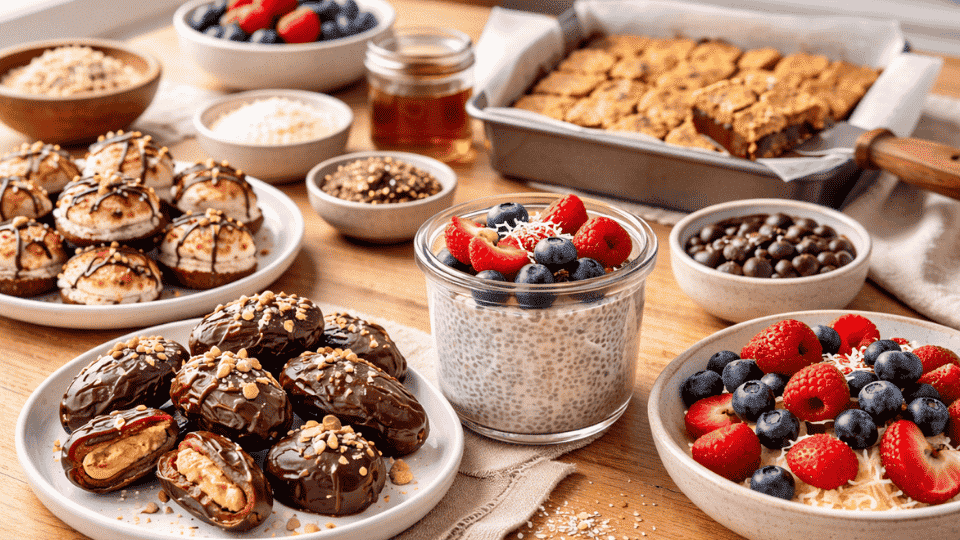
- Best use: Pair bananas with oats, nuts, seeds, or berries for a more fiber-rich meal.
- Reminder: Bananas can support fiber intake, but they should not be your only fiber source
Green Banana vs Ripe Banana: Which is Better for Fiber?

Green and ripe bananas both contain fiber, but they affect digestion in slightly different ways. The total fiber content does not change much as the banana ripens. The bigger difference is the type of carb inside the banana.
| Category | Green Banana | Ripe Banana |
|---|---|---|
| Fiber content | Similar total fiber to ripe bananas | Similar total fiber to green bananas |
| Resistant starch | Higher in resistant starch, which acts like fiber in the gut | Lower in resistant starch because starch turns into sugar as it ripens |
| Digestion | May feel heavier or cause gas for some people | Usually softer, sweeter, and easier to digest |
| Taste and texture | Firm, less sweet, slightly starchy | Soft, sweet, and easy to eat |
| Best for | People looking for more resistant starch and slower digestion | People who want a gentle, quick snack |
| Overall choice | Better for the resistant starch benefits | Better for comfort and everyday eating |
You do not need to force yourself to eat green bananas for better health. Pick the ripeness you enjoy and tolerate well. Both types can fit into a balanced diet with other fiber-rich foods.
Health Benefits of Fiber in Bananas

The fiber in bananas may not seem very high at first, but it can still support your body in useful ways. I think bananas work best when you see them as part of a balanced diet instead of a single “healthy” fix. Their mix of fiber, carbs, and nutrients can support digestion, fullness, gut health, and more.
1. Supports Digestion
Fiber adds bulk to stool and helps food move through the large intestine at a steadier pace. The pectin in ripe bananas is particularly effective here. For people dealing with loose stools, soluble fiber from bananas can help firm up consistency.
For those with constipation, bananas work best alongside adequate water intake and other insoluble fiber sources, physical movement also plays a role in keeping the digestive system working regularly.
2. Helps You Feel Full
Fiber slows digestion, which may help you stay full longer after eating. A banana alone can help for a short time, but I’ve found it works better when paired with protein or healthy fat. Simple choices like peanut butter, Greek yogurt, nuts, or oats can make the snack feel more balanced.
This slower digestion may also help reduce the urge to snack again too quickly.
3. Supports Gut Health
Less-ripe bananas contain resistant starch, a type of carb that acts in a similar way to fiber. Your body does not fully break it down in the small intestine. Instead, it moves deeper into the gut, where it may feed helpful bacteria.
Healthy gut bacteria play a role in digestion and overall gut balance. Green bananas usually contain more resistant starch than very ripe bananas.
4. Helps Balance Blood Sugar
Fiber can slow the rate at which sugar enters your blood after eating. Bananas contain natural sugar, but the fiber inside them may help slow digestion compared to sugary drinks or candy. Pairing bananas with foods like nuts, peanut butter, or yogurt may help steady energy levels.
Portion size still matters, especially if you are trying to manage blood sugar more closely.
5. Supports Heart Health
Higher dietary fiber intake is consistently linked to lower cardiovascular risk. A 2019 analysis in The Lancet found that people consuming 25 to 29 grams of fiber daily had significantly lower rates of coronary heart disease and stroke compared to those on low-fiber diets.
Bananas contribute a portion of that daily target while also providing potassium, which supports normal blood pressure through its effect on sodium excretion. A vegetarian Mediterranean diet is one eating pattern where high daily fiber intake from fruits, legumes, and whole grains is consistently well above that 25-gram threshold.
How Bananas Compare to Other Fruits for Fiber
Knowing where a banana sits relative to other fruit options helps you make better decisions about how to build a higher-fiber diet, rather than relying on one food to do all the work.
| Fruit | Serving | Approximate Fiber | Tier |
| Avocado | 1 cup sliced (150 g) | 10 g | High |
| Raspberries | 1 cup (123 g) | 8 g | High |
| Blackberries | 1 cup (144 g) | 7.6 g | High |
| Pear | 1 medium (178 g) | 5.5 g | High |
| Apple (with skin) | 1 medium (182 g) | 4.4 g | Moderate-High |
| Banana | 1 medium (118 g) | 3.1 g | Moderate |
| Orange | 1 medium (131 g) | 3.1 g | Moderate |
| Strawberries | 1 cup (152 g) | 3 g | Moderate |
| Mango | 1 cup diced (165 g) | 2.6 g | Moderate |
Bananas sit in the middle of the pack, roughly on par with oranges and strawberries but well below raspberries and avocado. That is not a reason to swap them out. It is a reason to pair them strategically, which the next section covers.
Best Ways to Eat Bananas for More Fiber
Bananas alone will move you a modest way toward your daily fiber target. Pair them correctly, and the same snack can deliver two to four times the fiber without much extra effort.
| Pairing | Approximate Added Fiber | Why It Works |
| Banana + rolled oats (1/2 cup dry) | +4 g (total ~7 g) | Beta-glucan in oats is a soluble fiber with strong evidence for lowering LDL cholesterol |
| Banana + chia seeds (1 tbsp) | +2 g (total ~5 g) | Chia expands in liquid to form a gel, extending satiety beyond the banana alone |
| Banana + raspberries (1/2 cup) | +4 g (total ~7 g) | Doubles the fiber density in a smoothie or bowl without adding significant calories |
| Banana + almond butter (1 tbsp) | +1 g (total ~4 g) | Adds protein and healthy fat, slowing digestion and improving blood sugar stability |
| Banana on whole-grain toast | +2 g (total ~5 g) | Whole grains add insoluble fiber and B vitamins, making this a more complete breakfast |
| Banana + Greek yogurt + flaxseed (1 tbsp) | +1.9 g (total ~5 g) | Flaxseed is one of the densest fiber sources per tablespoon; it also adds omega-3s |
Nutrition Tip: If you are actively trying to raise daily fiber intake, the easiest lever is not choosing higher-fiber fruit at the grocery store. It is adding one tablespoon of chia or ground flaxseed to whatever you already eat. Either adds roughly 2 grams of fiber in an amount small enough to not change the flavor of a smoothie or oatmeal.
How Much Fiber Do You Actually Need Per Day?
The Academy of Nutrition and Dieteticsrecommends 25 grams of fiber daily for adult women and 38 grams for adult men, based on a 2,000-calorie diet. The average American takes in about 16 grams per day, roughly half the recommended amount. A medium banana covers about 10 to 12 percent of the women’s target and about 8 percent of the men’s.
That means a banana is a useful contribution to daily fiber intake, not a solution on its own. Here is what a realistic higher-fiber day looks like with a banana as one component:
- Morning: Banana with oats and chia seeds (about 8 g)
- Lunch: Lentil soup or beans with a whole-grain roll (about 10 g)
- Snack: Apple with skin or a small handful of almonds (about 4 g)
- Dinner: Roasted vegetables including broccoli or Brussels sprouts over brown rice (about 7 g)
That structure adds up to around 29 grams from everyday foods, without any fiber supplements. The banana contributes its 3 grams as part of a morning combination, not as the anchor of the whole day’s intake.
Banana Fiber Compared to Other Fruits

Bananas are often seen as a healthy fruit, but their fiber content falls in the middle range. Some fruits give you much more fiber per serving, while others are closer to bananas.
I like comparing fruits this way because it helps you build better meals rather than relying on just one food. A banana can still fit well into your day, especially when paired with other fiber-rich foods.
| Fruit | Approx. Fiber Per Serving | Fiber Level |
|---|---|---|
| Banana | About 3g per medium banana | Moderate |
| Apple | About 4g per medium apple | Moderate |
| Pear | About 5–6g per medium pear | Higher |
| Raspberries | About 8g per cup | High |
| Blackberries | About 7–8g per cup | High |
| Orange | About 3g per medium orange | Moderate |
| Avocado | About 10g per cup sliced | High |
| Strawberries | About 3g per cup | Moderate |
| Mango | About 3g per cup | Moderate |
The best fruit is not always the one with the highest fiber content. I think the better choice is the fruit you can eat often and pair easily with meals or snacks. Bananas still work well because they are simple, portable, and easy for many people to digest.
Common Mistakes When Choosing High-Fiber Foods
High-fiber eating sounds simple, but a few small mistakes can make it less helpful. The goal is not just to eat more fiber. You want fiber from the right mix of foods.
- Assuming all fruit is high in fiber: Some fruits have more water and less fiber per serving. Bananas have fiber, but berries, pears, and apples with skin often give you more.
- Counting smoothies and juice like whole fruit: Smoothies can pack in large portions without you noticing, while juice removes most of the fiber. This can make it easier to take in more sugar and less fiber.
- Eating high-fiber foods without enough water: Fiber needs fluid to work well in your gut. Without enough water, high-fiber foods may make stool harder to pass. This can lead to bloating, cramps, or constipation.
- Adding beans, seeds, and bran too fast: These foods can add a lot of fiber, but your gut needs time to adjust. Start with small amounts and build slowly. Too much at once can cause gas and stomach pain.
- Avoiding bananas only because they contain sugar: Bananas do contain natural sugar, but they also provide fiber, potassium, vitamin B6, and other nutrients. A whole banana is not the same as candy or sweet drinks.
Note: Too many bananas can crowd out other fiber-rich foods. They can also add extra carbs and calories, especially if you eat large ripe bananas often. If you manage blood sugar closely, eating several bananas a day may not suit your needs. People told to limit potassium should be careful with large amounts, too.
Frequently Asked Questions
Does cooking a banana change its fiber?
Cooking a banana does not remove its fiber, but it can change the texture and make the banana softer. Baked, boiled, or cooked bananas can still count toward your fiber intake, especially when paired with oats, whole grains, nuts, or seeds.
Are banana chips a good source of fiber?
Banana chips may contain some fiber, but many packaged versions are fried, sweetened, or calorie-dense. They are not the same as fresh bananas. If you choose them, check the ingredient list and portion size.
Does banana fiber count if I eat it in banana bread?
Yes, the banana still contributes some fiber, but banana bread often contains refined flour, sugar, and added fat. For a higher-fiber version, use whole-wheat flour, oats, nuts, seeds, or less added sugar.
Are frozen bananas still a good fiber source?
Yes, freezing bananas does not remove their fiber. Frozen bananas can be used in smoothies, oatmeal, yogurt bowls, or blended desserts. The main thing to watch is what you add with them.
Final Thoughts
A banana is a fantastic, portable tool for your health, but its true power shines when you stop relying on it as your sole source of roughage.
By mixing it with berries or seeds, you create a more complete nutritional profile that keeps your gut happy. I find that focusing on variety rather than a single “superfood” makes healthy eating feel much less like a chore and more like a lifestyle.
Understanding how much fiber is in a banana helps you build better plates that actually support your long-term energy.
I hope these pairing ideas help you feel more confident about your daily snacks. What is your favorite way to eat a banana? Share your ideas below.