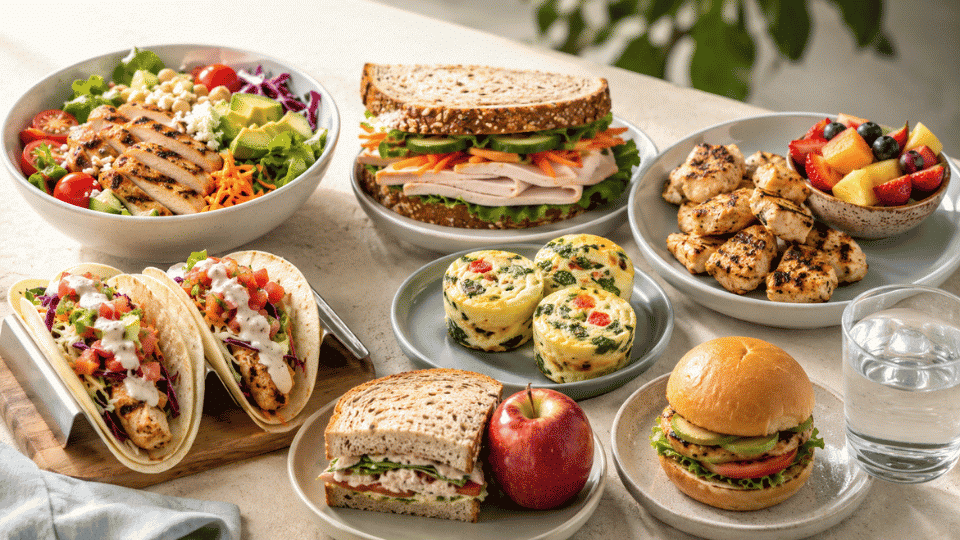



When it comes to paleo vs keto, the honest answer is: it depends on what you are trying to fix. Both diets cut out processed food.
Both can help with weight loss and blood sugar. But the rules, the food choices, and the goals behind each diet are very different.
This guide walks you through the major differences so you can decide which approach actually fits your body, lifestyle, and goals.
|
At a glance
|
What is the Paleo Diet?
The paleo diet is built around one idea: eat as early humans did. That means whole, natural foods only and skipping anything modern or processed.
Paleo cuts out grains, dairy, legumes, and refined sugar. But here is the key difference from keto: paleo does not limit carbs. You can eat fruit, sweet potatoes, and other natural carb sources as long as they come from real, unprocessed foods.
The goal is not to hit certain macros. It is to clean up your diet, remove the processed junk, and improve your overall health without counting a single number.
What is the Keto Diet?
The keto diet is a very low-carb, high-fat way of eating. The goal is to push your body into a metabolic state called ketosis, where it stops burning carbs for fuel and starts burning fat instead.
To get there, you keep carbs very low, usually between 20 and 50 grams per day, while eating around 70 to 80 percent of your daily calories from fat.
Staples include butter, cheese, eggs, fatty meats, oils, and low-carb vegetables. Most fruits, grains, sugar, and starchy vegetables are off the table.
It is a strict plan, but it delivers results for many people, especially those dealing with blood sugar issues or stubborn weight.
Paleo vs Keto for Weight Loss
Weight loss is where most comparisons start. Here is what each diet actually delivers in the short and long term.
|
Category |
Paleo |
Keto |
|
Speed of weight loss |
Slow and steady fat loss |
Faster early results |
|
Early weight drop |
Gradual, mostly fat |
Large drop in water weight first |
|
Long-term fat loss |
Consistent with clean eating |
Strong, if carbs stay low |
|
How restrictive it feels |
Moderate — more food variety |
High — strict carb limits daily |
|
Social flexibility |
Easier at restaurants and events |
Harder to maintain socially |
|
Sustainability |
Easier to stick to long-term |
Can feel tough after a few months |
Keto can drop weight fast in the first few weeks, but a significant portion of that is water weight, not fat. Paleo tends to produce slower, steadier fat loss, which is often easier to maintain over time.
Paleo vs Keto for Blood Sugar and Diabetes
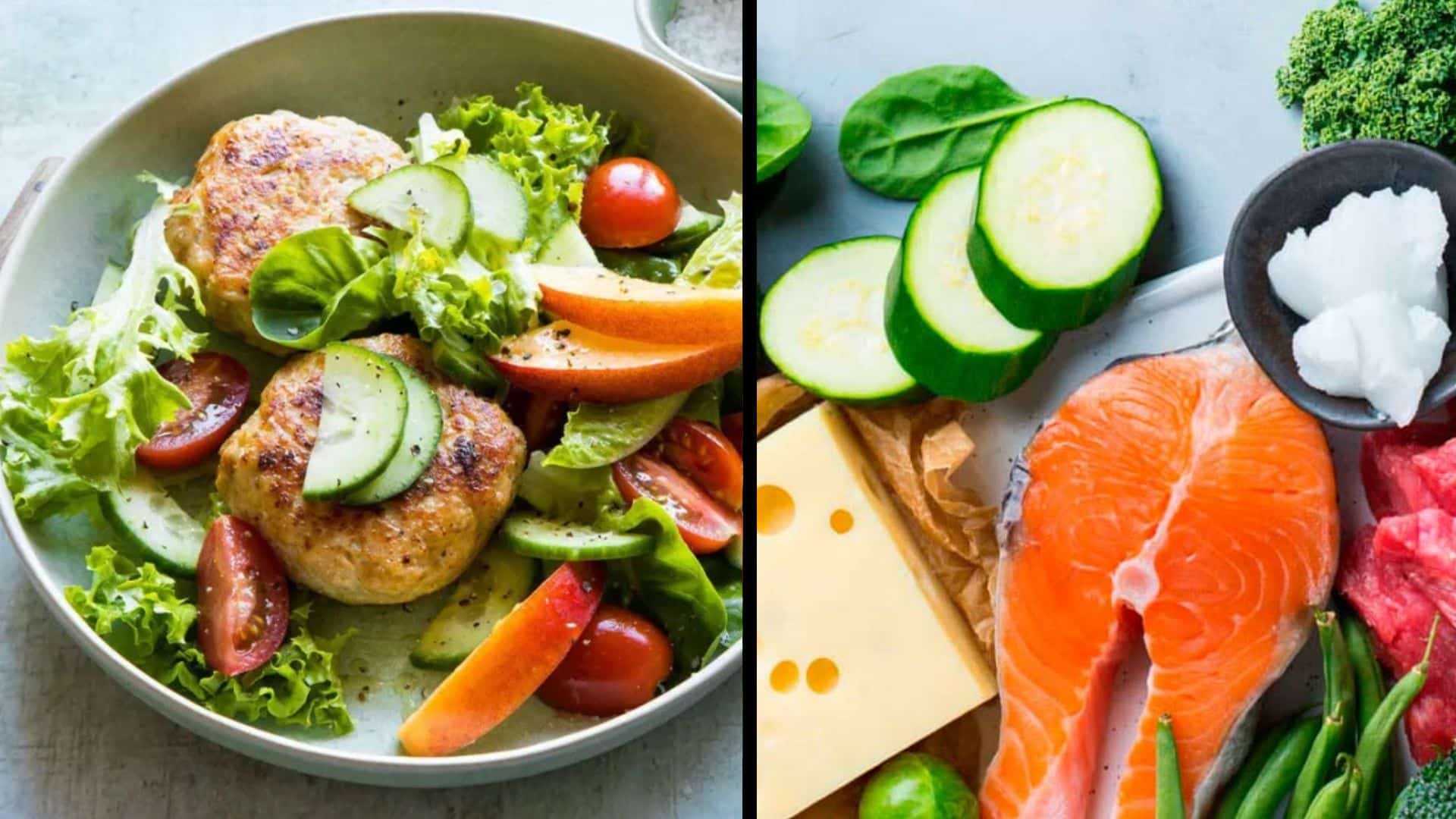
Both diets can help with blood sugar, but they work differently.
Keto cuts carbs so dramatically that blood sugar levels can drop within days, which is why it has strong evidence for people with type 2 diabetes or insulin resistance.
Paleo takes a slower route. By removing processed foods and refined sugar, it improves how your body responds to insulin over time. The results are real, but they build more gradually.
Important: If you are on diabetes medication, dropping carbs sharply can push blood sugar dangerously low. Always talk to your doctor before starting either diet if you are managing a health condition.
Paleo vs Keto: Health Benefits Compared
|
Benefit |
Paleo |
Keto |
|
Appetite control |
Moderate, whole foods keep you full |
Strong, high fat intake reduces hunger significantly |
|
Neurological benefits |
Minimal evidence |
Studied for epilepsy, brain fog, and focus |
|
Gut health |
Strong, fiber-rich foods feed good gut bacteria |
Mixed, low fiber can affect gut over time |
|
Nutrient variety |
High, wide range of fruits, vegetables, proteins |
Lower, restricted food list limits some nutrients |
|
Removes processed food |
Core goal of the diet |
Yes, but packaged ‘keto’ products are a common trap |
|
Metabolic conditions |
Helpful through clean eating habits |
Strong evidence for insulin resistance and metabolic syndrome |
Paleo wins on food variety and gut health. Keto leads on blood sugar control and appetite suppression. The better choice depends on what your body needs most right now.
Who Should Choose Keto and Who Should Choose Paleo?
Choose keto if:
- You are dealing with insulin resistance, high blood sugar, or type 2 diabetes
- You want faster visible results in the early weeks
- You do not mind tracking macros and sticking to strict daily carb limits
- Appetite control is a priority for you
Choose paleo if:
- You want to clean up your diet without counting anything
- You prefer more flexibility and a wider variety of foods
- You want to avoid dairy
- Long-term sustainability matters more to you than fast early results
At the end of the day, the best diet is the one you can actually stick to, not the one that promises the fastest results.
Paleo vs Keto: Sample Meal Plans
Here is a simple one-day comparison to show how the two diets look in practice.
|
Meal |
Paleo |
Keto |
|
Breakfast |
Scrambled eggs, avocado, and berries |
Scrambled eggs in butter with avocado — no fruit |
|
Lunch |
Grilled chicken, sweet potato, mixed greens |
Grilled chicken thighs, leafy greens, olive oil dressing |
|
Snack |
Apple with almond butter |
Handful of macadamia nuts or cheese |
|
Dinner |
Grass-fed beef, roasted vegetables, olive oil |
Ribeye steak, asparagus in butter, side salad |
|
Dessert |
Fresh fruit or dark chocolate |
None, or a keto fat bomb |
Notice that paleo allows fruit and starchy vegetables freely. Keto replaces them with higher-fat alternatives to stay within the daily carb ceiling.
Can You Combine Paleo and Keto?
Yes and many people do. A paleo-keto approach (sometimes called ‘keto paleo’ or ‘primal keto’) means eating keto-level carbs while sticking to paleo-approved whole foods only.
No dairy, no grains, no processed keto products, just clean, whole foods kept very low in carbs.
This is arguably the most nutrient-dense version of either diet. The trade-off is that it is also the most restrictive, which makes it harder to stick to socially.
Risks and Drawbacks of Paleo and Keto
Every diet has a downside. Knowing the risks before you start matters as much as knowing the benefits.
Paleo Risks to Know
- Digestive changes: Your body may react to higher fiber and protein intake at first
- Low calcium intake: Cutting dairy reduces calcium, which is important for bone health
- Higher grocery costs: Grass-fed meats and fresh produce can increase your weekly budget
- Limited food variety: Removing grains and legumes can make meals feel repetitive
- Energy fluctuations: Some people feel tired if natural carb intake still ends up too low
- Social challenges: Eating out requires more planning and communication
Keto Risks to Know
- Keto flu: Headaches, fatigue, nausea, and brain fog often appear in the first 1-2 weeks
- Low fiber intake: Cutting most carbs can cause constipation or digestive discomfort
- Nutrient deficiencies: Magnesium, potassium, and certain vitamins need active monitoring
- Strict carb limits: Even a small portion of fruit or grains can kick you out of ketosis
- Higher food costs: Quality meats and healthy fats add up quickly
- Not for everyone: People with kidney disease or certain conditions should avoid keto
Frequently Asked Questions
Is paleo or keto better for women?
There is no universal answer, but some women find keto’s strict carb restriction affects hormonal balance and thyroid function. Paleo’s more flexible approach to carbs may be easier to adapt to individual needs. Consulting a doctor or dietitian before starting either is always a good idea.
Which is harder to follow, paleo or keto?
Most people find keto harder due to the strict daily carb ceiling. One slice of bread can break ketosis. Paleo is more forgiving as long as a food is whole and unprocessed, it generally qualifies.
Is paleo anti-inflammatory?
Generally yes. By removing processed foods, refined sugar, and industrial seed oils, all of which are linked to inflammation, paleo naturally supports a lower-inflammation diet. Keto can also reduce inflammation, particularly through ketone production and stable blood sugar.
Which diet is more affordable, paleo or keto?
Both can get expensive. Paleo’s reliance on grass-fed meats and organic produce adds up. Keto’s requirement for quality fats and specialty low-carb products does, too. Budget-conscious options include buying in bulk, choosing cheaper cuts of protein, and preparing meals at home, all of which help.
Final Verdict: Paleo vs Keto
Both diets move you away from processed food and toward real, whole ingredients. That shift alone can meaningfully improve your health.
Keto is the stronger choice if you need tight blood sugar control, faster early weight loss, or powerful appetite suppression and you are willing to track and stay strict.
Paleo is the better fit if you want a sustainable, flexible approach that prioritizes long-term clean eating over short-term results.
The best diet between paleo vs keto is the one that fits your life and your body, not just the one that promises the fastest transformation.
Always consult a qualified healthcare provider or registered dietitian before making major dietary changes, especially if you are managing an existing health condition.