| Food | Serving | Calories | Protein | Carbs | Fiber | Net Carbs |
| Green Beans (raw) | 1 cup (100g) | 31 | 1.8g | 6.97g | 2.7g | 4.27g |
Green beans are keto-friendly, delivering roughly 4.27 grams of net carbs per cup, which fits comfortably inside the 20 to 50 gram daily limit most ketogenic diets require.
The fiber content is what makes them work: 2.7 grams per cup subtracts from the total carb count and leaves a net carb figure low enough to include without disrupting ketosis.
Most other beans, including kidney beans at around 11 grams net carbs per half-cup and chickpeas at 16 grams, are not keto options at all.
Green beans are the clear exception in the legume family, and understanding why starts with knowing how ketosis actually works.
| Disclaimer: This article is for informational and educational purposes only. It does not constitute medical advice. Always consult a qualified healthcare provider before starting a new nutrition or wellness program. |
How Ketosis Works and Why Carb Count Matters
Ketosis is a metabolic state in which your body burns fat for fuel instead of glucose. It happens when carbohydrate intake drops low enough, typically below 50 grams of net carbs per day, that the liver begins producing ketones from stored fat. Most people following a strict ketogenic diet aim for 20 to 30 grams of net carbs daily to maintain this state reliably.
The reason even healthy vegetables require tracking is that carbohydrates are carbohydrates, regardless of the source. Broccoli, spinach, and green beans all contain carbs that count toward your daily limit.
The key difference is net carbs, which is total carbohydrates minus dietary fiber. Fiber passes through the digestive tract without raising blood glucose, so it does not trigger an insulin response that would pull you out of ketosis. This is why fiber-dense vegetables like green beans are much more workable on a keto diet than starchy ones like corn or peas.
People who eat grain-free but have not specifically cut carbs often discover this distinction firsthand. A gluten-free and carb approach removes wheat but leaves starchy carbohydrates from other sources untouched, which means carb intake can stay just as high.
Keto requires tracking net carbs specifically, and understanding that framework is what makes a vegetable like green beans usable.
Are Green Beans Keto-Friendly?
Yes, green beans are keto-friendly when portion size is controlled. At 4.27 grams of net carbs per cup of raw beans, a single serving uses roughly 8 to 21 percent of a typical daily carb budget, depending on whether your limit is 20 or 50 grams. That leaves plenty of room for other vegetables, proteins, and fats across the rest of the day.
The problem is volume. Two cups of green beans raise the net carb count to over 8 grams from this one vegetable alone. On strict keto with a 20-gram ceiling, that becomes significant. Stick to one cup per meal, pair them with a protein and a fat source, and they work well within a ketogenic plan.
Green beans also have a glycemic index of around 32, meaning the carbohydrates they contain are absorbed slowly and do not cause a sharp blood glucose spike. That slow absorption makes them a more stable choice compared to higher-GI vegetables, and it supports consistent energy without undermining ketosis.
| Nutrition Tip: One cup of raw green beans contains 4.27g net carbs. Cooking reduces volume but does not significantly change the net carb count. Track by weight in grams for the most accurate macro tracking, using 4.27g net carbs per 100g as the baseline. |
Green Bean Nutrition: What You Are Actually Getting
Green beans offer more than low net carbs. They bring fiber, vitamins, minerals, and plant compounds that can support a balanced keto diet.
| Nutrient | Amount Per 1 Cup Raw Green Beans |
|---|---|
| Fiber | 2.7 g |
| Vitamin K | 14.4 mcg |
| Vitamin C | 12.2 mg |
| Folate | 33 mcg |
| Potassium | 209 mg |
| Vitamin A | Meaningful amount |
| Manganese | Meaningful amount |
| Lutein and beta-carotene | Present |
For keto eaters, the fiber is especially useful. A one-cup serving helps add bulk, supports digestion, and keeps meals more filling without pushing carbs too high.
Low-Carb Vegetables for a Keto Diet
Green beans are far from the only keto-friendly vegetable. The following list covers the best low-carb options, organized by net carbs per cup raw, so you can build variety into your meals without guessing what fits your daily budget.
1. Spinach
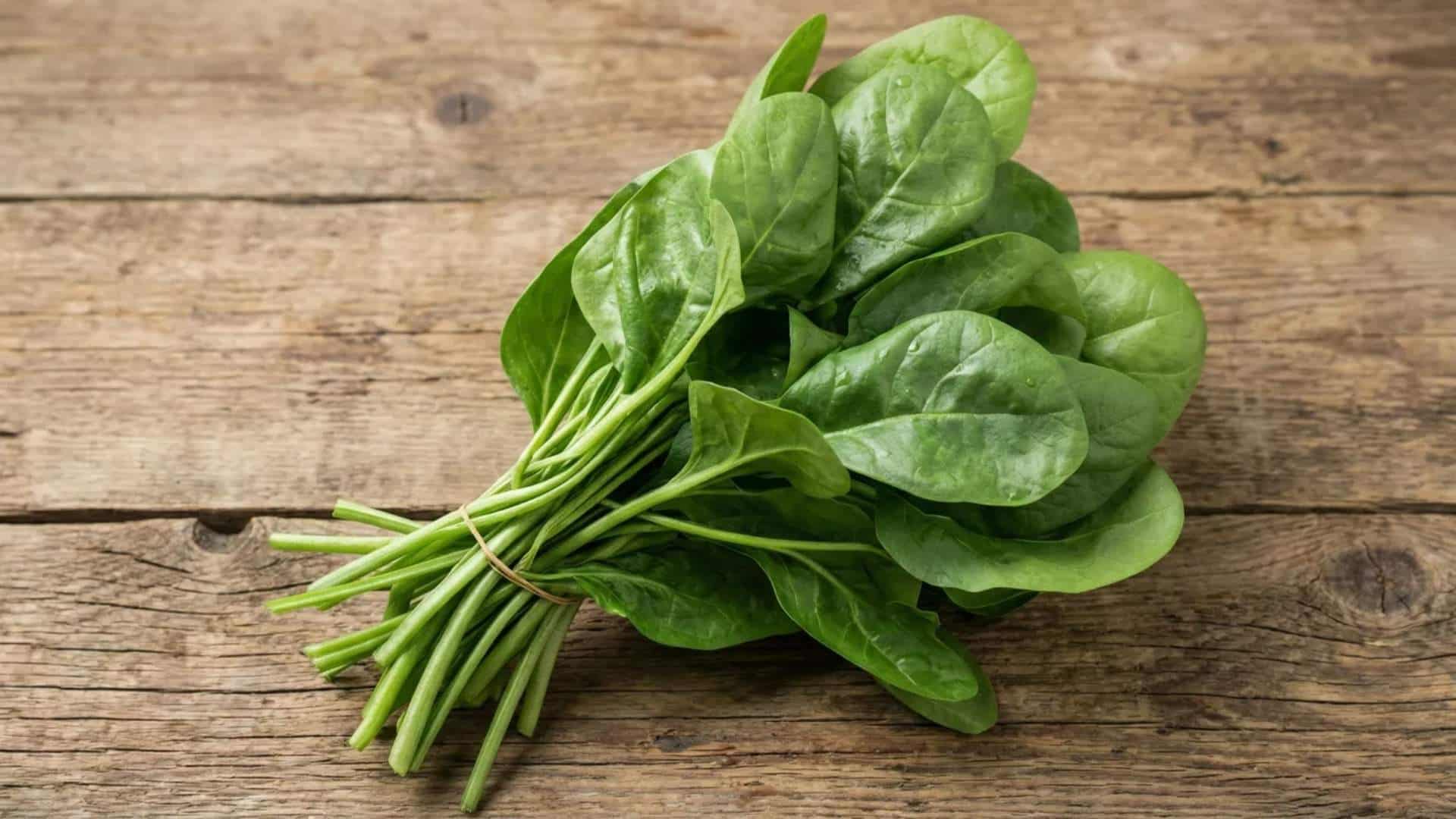
Spinach delivers iron, magnesium, and vitamins A, C, and K with almost no carbohydrate impact. It works in omelets, salads, soups, and skillet meals without contributing meaningfully to the daily carb count.
Net carbs: 1g per cup (raw)
2. Zucchini
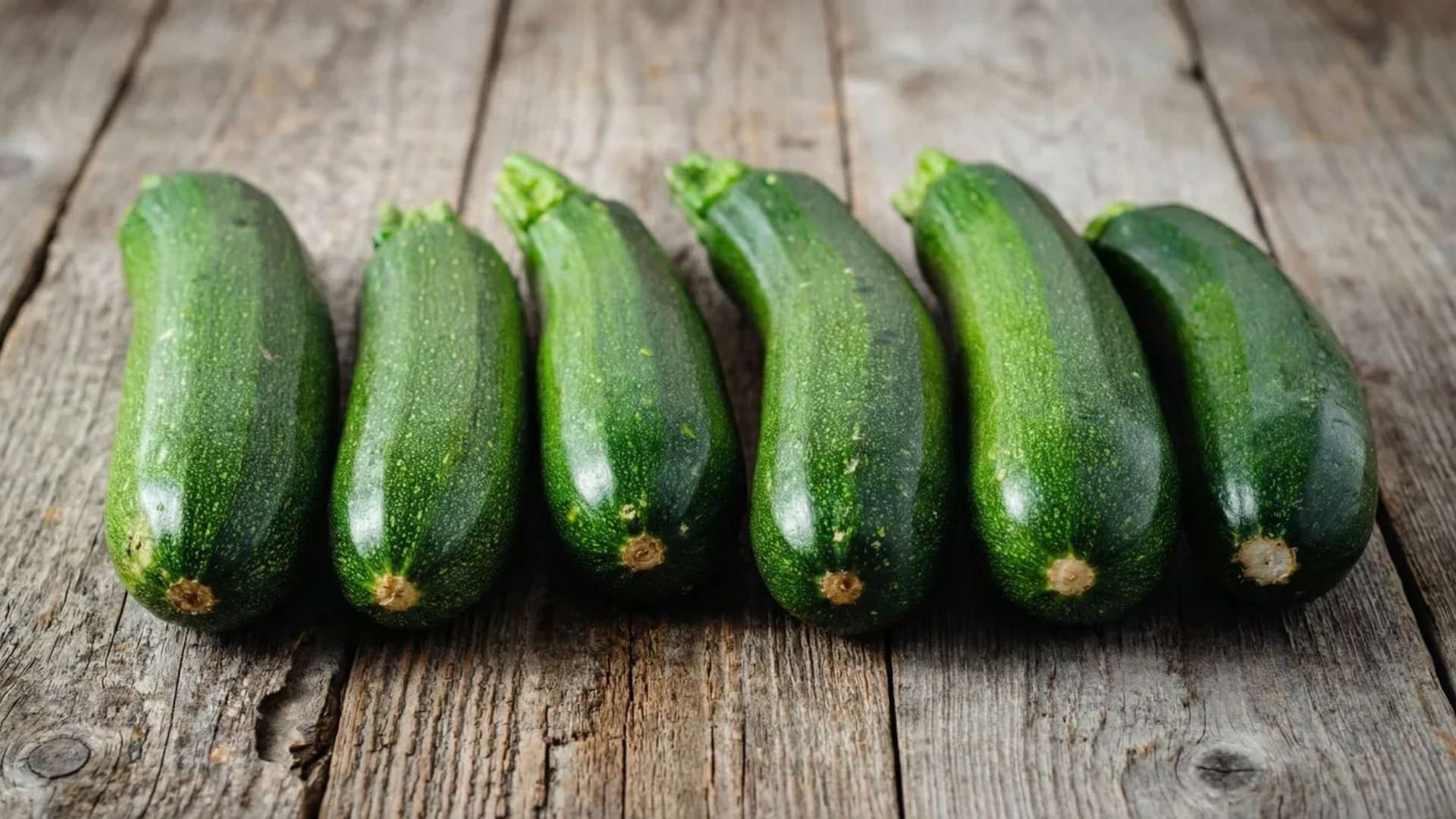
Spiralized into noodles, zucchini replaces pasta in a way that keeps meals satisfying without added carbs. It works equally well in stir-fries, soups, and baked dishes. Its mild flavor absorbs seasoning and sauces readily.
Net carbs: 3g per cup (raw)
3. Cauliflower
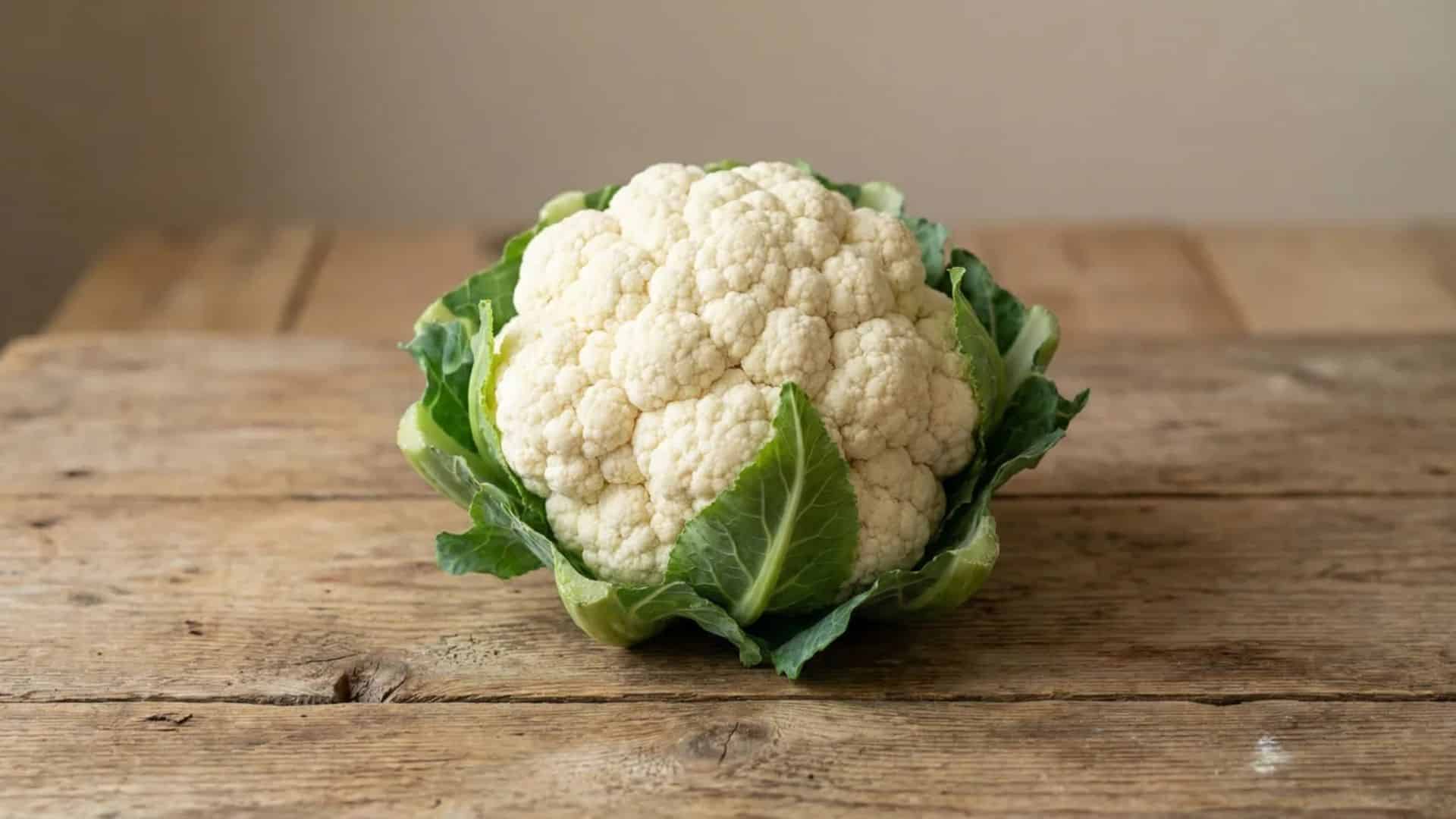
Cauliflower is arguably the most versatile vegetable on keto. It can be riced, mashed, or pressed into a pizza crust, standing in for starchy comfort foods without pushing net carbs over the daily limit. It absorbs seasoning well and complements almost any protein.
Net carbs: 3g per cup (raw)
4. Broccoli
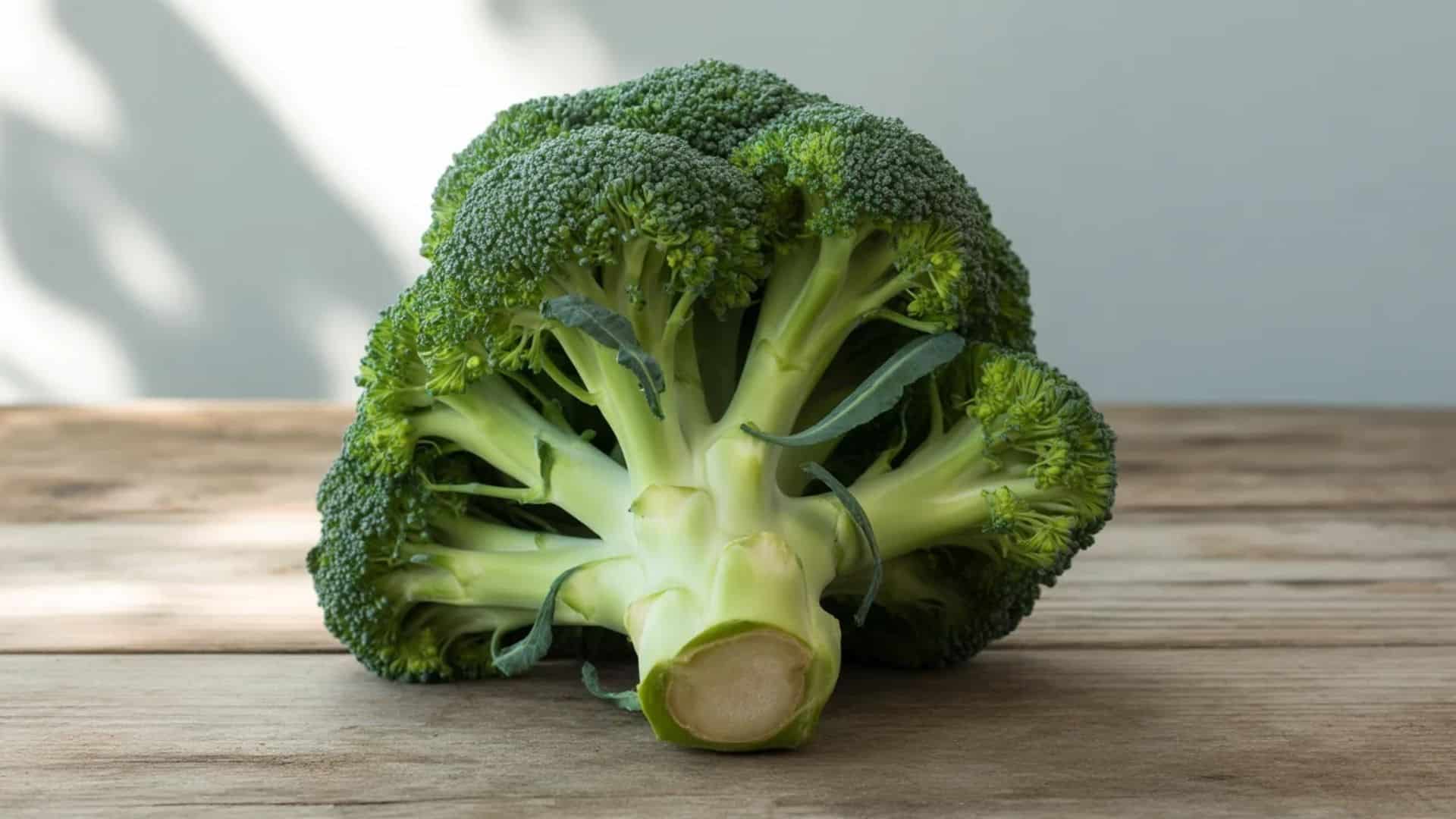
Broccoli is high in fiber and vitamin C, making it one of the most nutritionally dense vegetables available at this carb level. It works in stir-fries, roasted as a side, or in casseroles. A reliable everyday option that fits comfortably in a keto meal plan.
Net carbs: 4g per cup (raw)
5. Asparagus
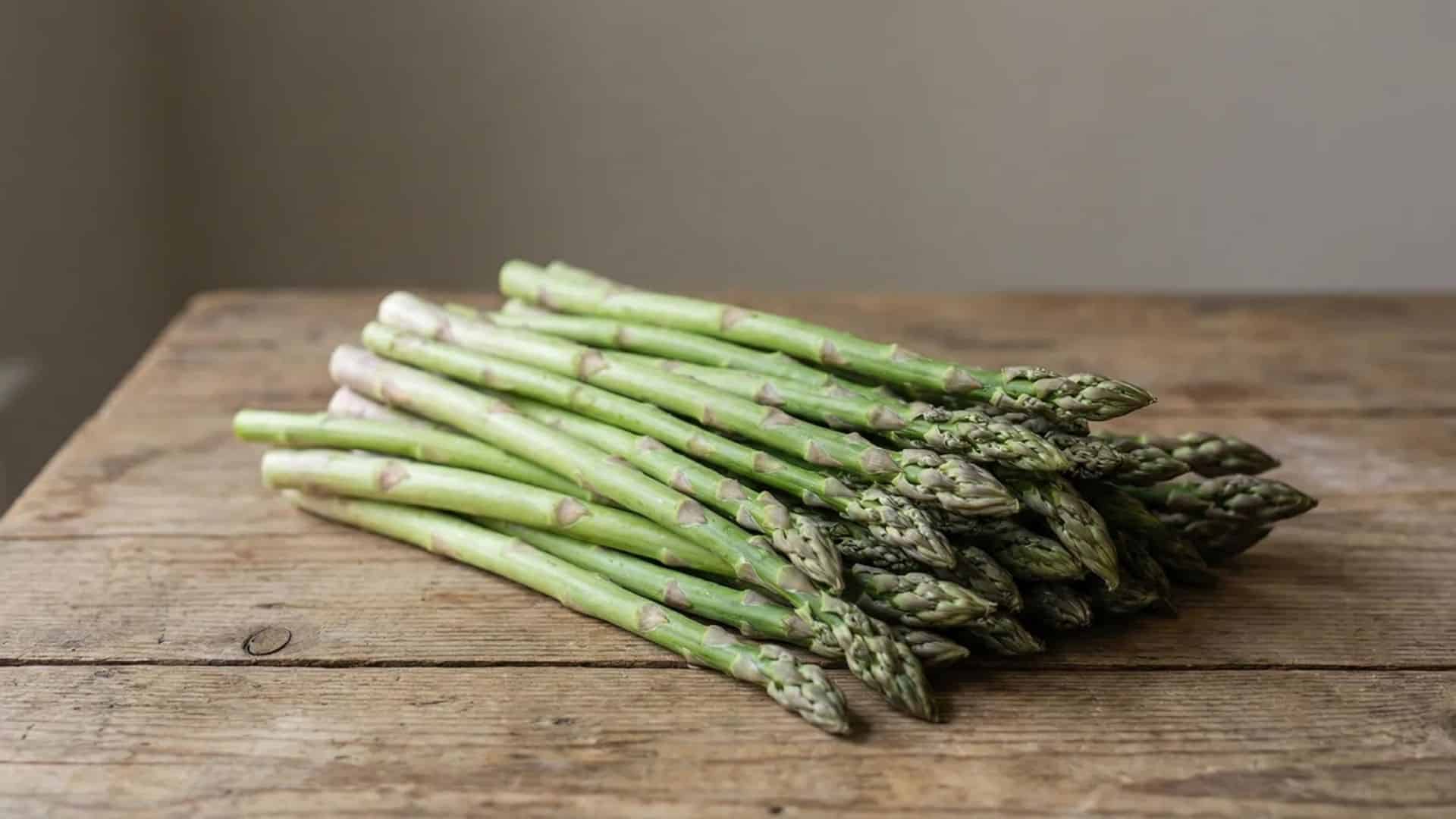
Asparagus is one of the lighter keto vegetables by net carb count. It roasts well with butter and garlic and supports healthy digestion. The low carb count makes it easy to include as a side dish without tracking concerns.
Net carbs: 2g per cup (raw)
6. Mushrooms
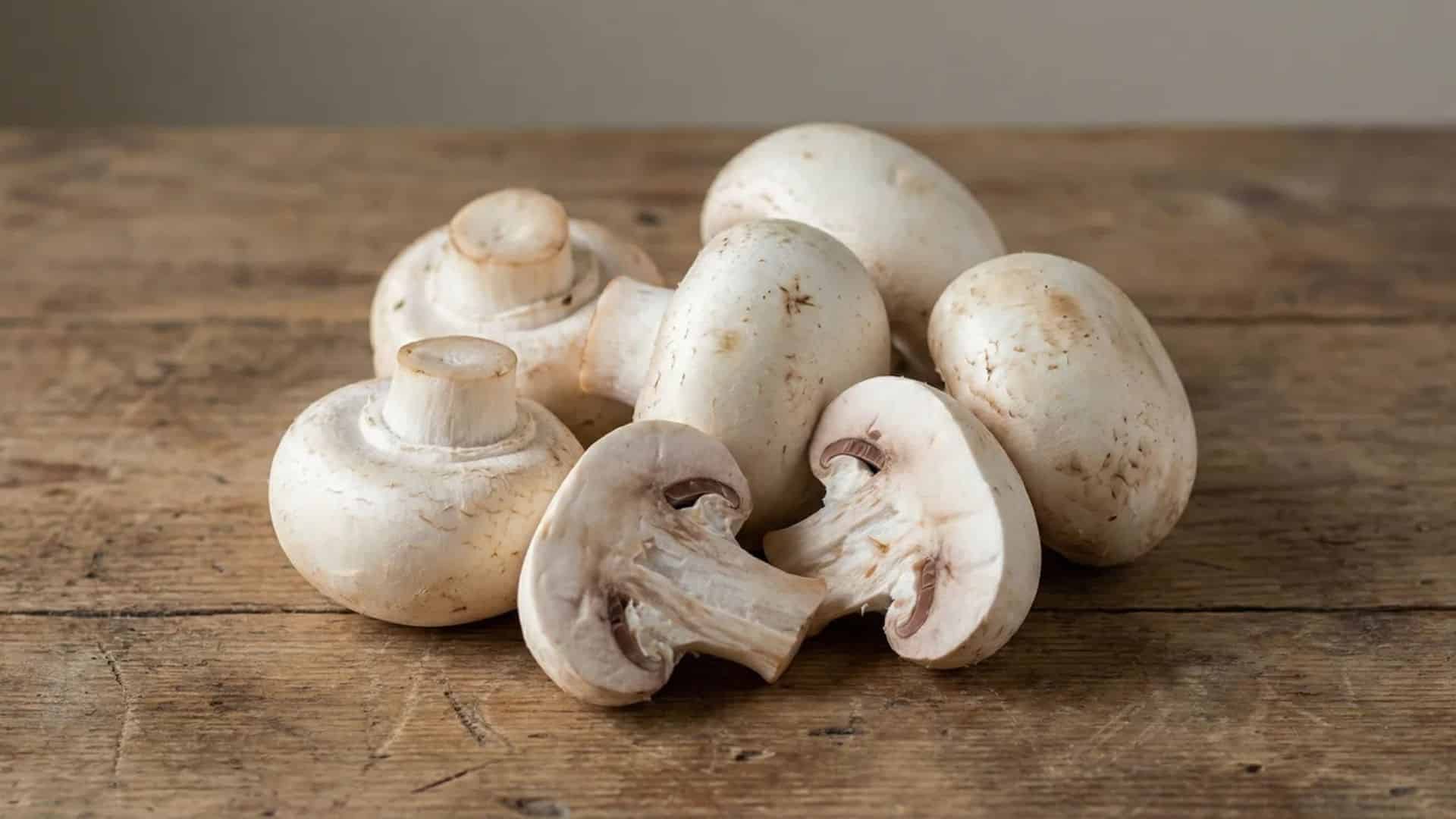
Mushrooms add a meaty texture and umami depth to keto meals without meaningful carb contribution. Different varieties, including cremini, portobello, and shiitake, sit at different net carb levels, which the mushrooms keto breaks down by type.
Net carbs: 2g per cup (raw)
7. Cabbage
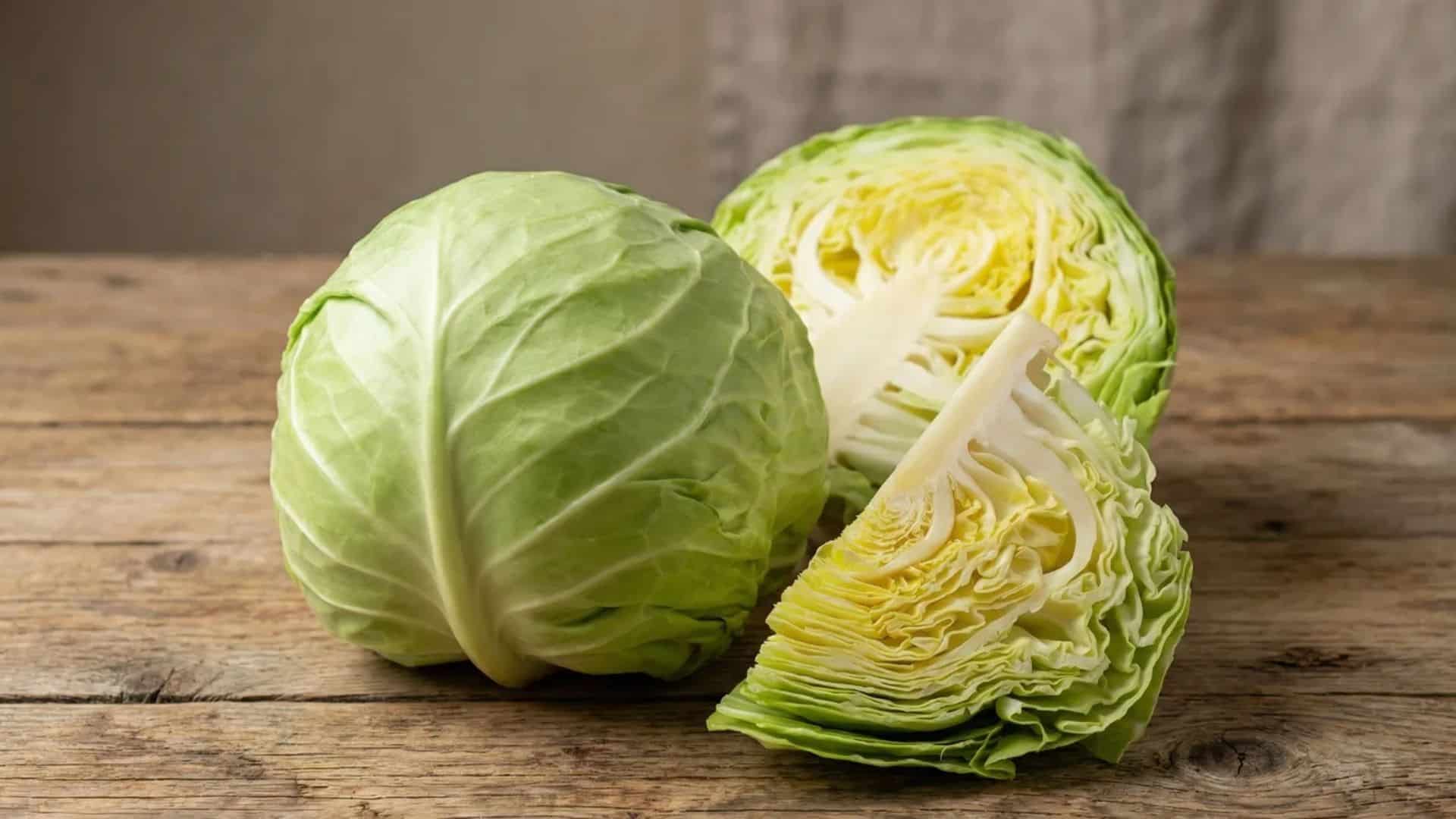
Cabbage is one of the most budget-friendly keto vegetables. It works in slaws, stir-fries, and soups, provides gut-supporting fiber, and holds up well to extended cooking. It can be used generously across a wide range of dishes without carb concerns.
Net carbs: 3g per cup (raw)
8. Lettuce
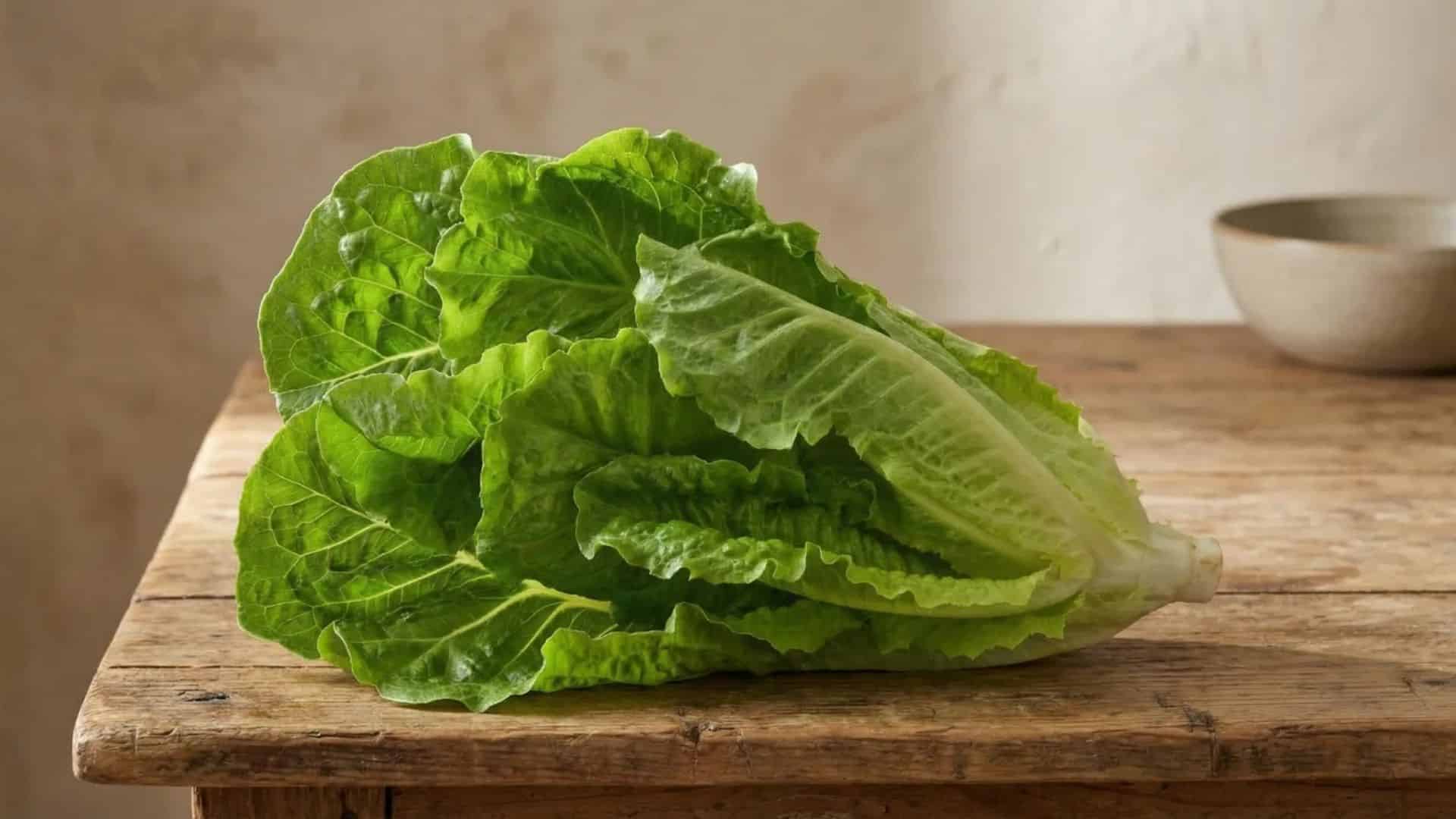
Lettuce is the most carb-friendly option on this list. Large romaine leaves function as a practical wrap substitute for bread and tortillas, making burgers, tacos, and sandwiches workable on keto without added carbs.
Net carbs: 1g per cup (raw)
9. Kale
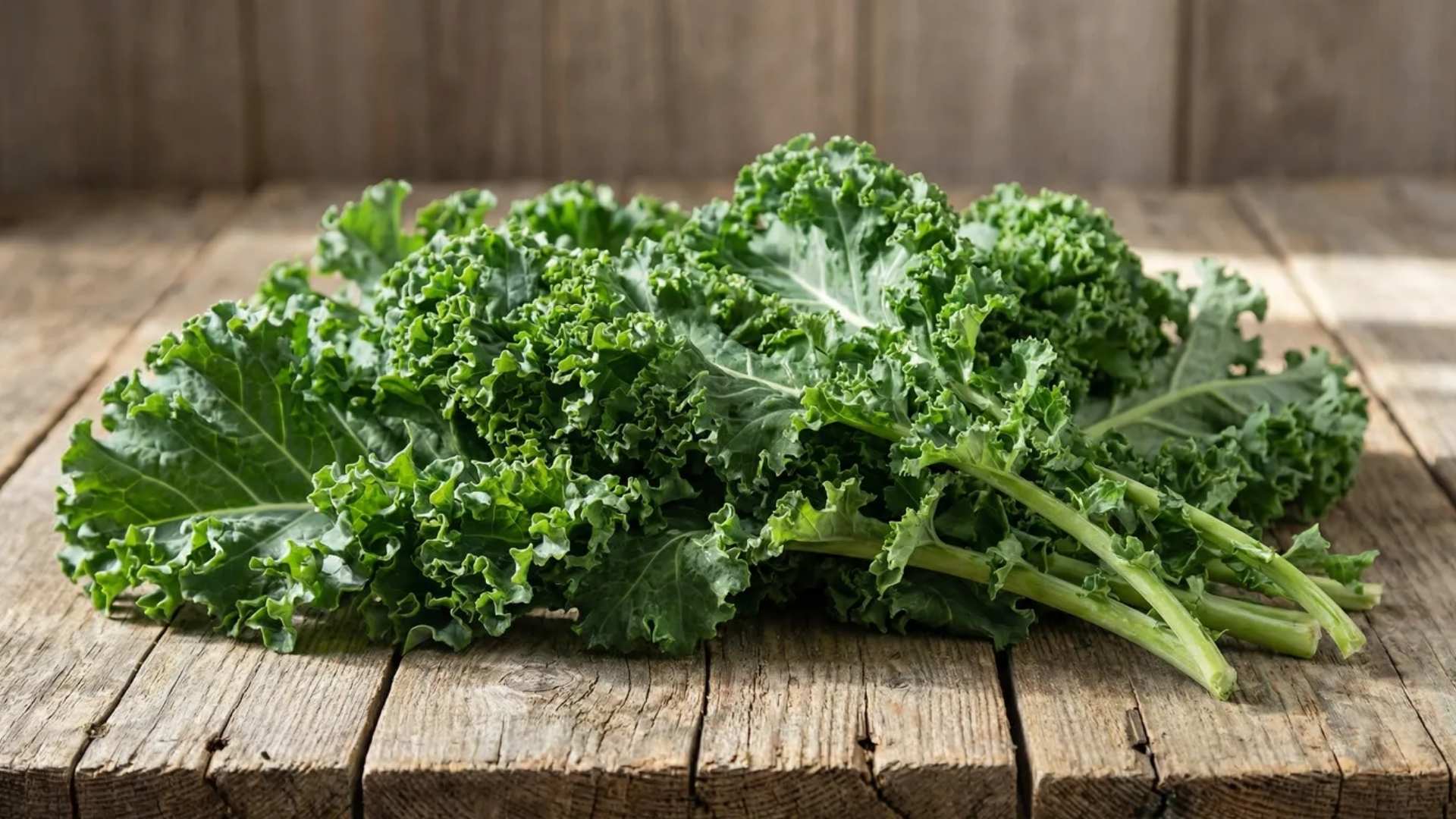
Kale is one of the most nutrient-dense leafy greens available. Packed with vitamins A, C, and K plus calcium and manganese, it supports immunity, bone density, and overall wellness. It works in salads, sauteed as a side, and baked into kale chips. Moderate daily portions keep it within carb limits.
Net carbs: 5g per cup (raw)
10. Swiss Chard
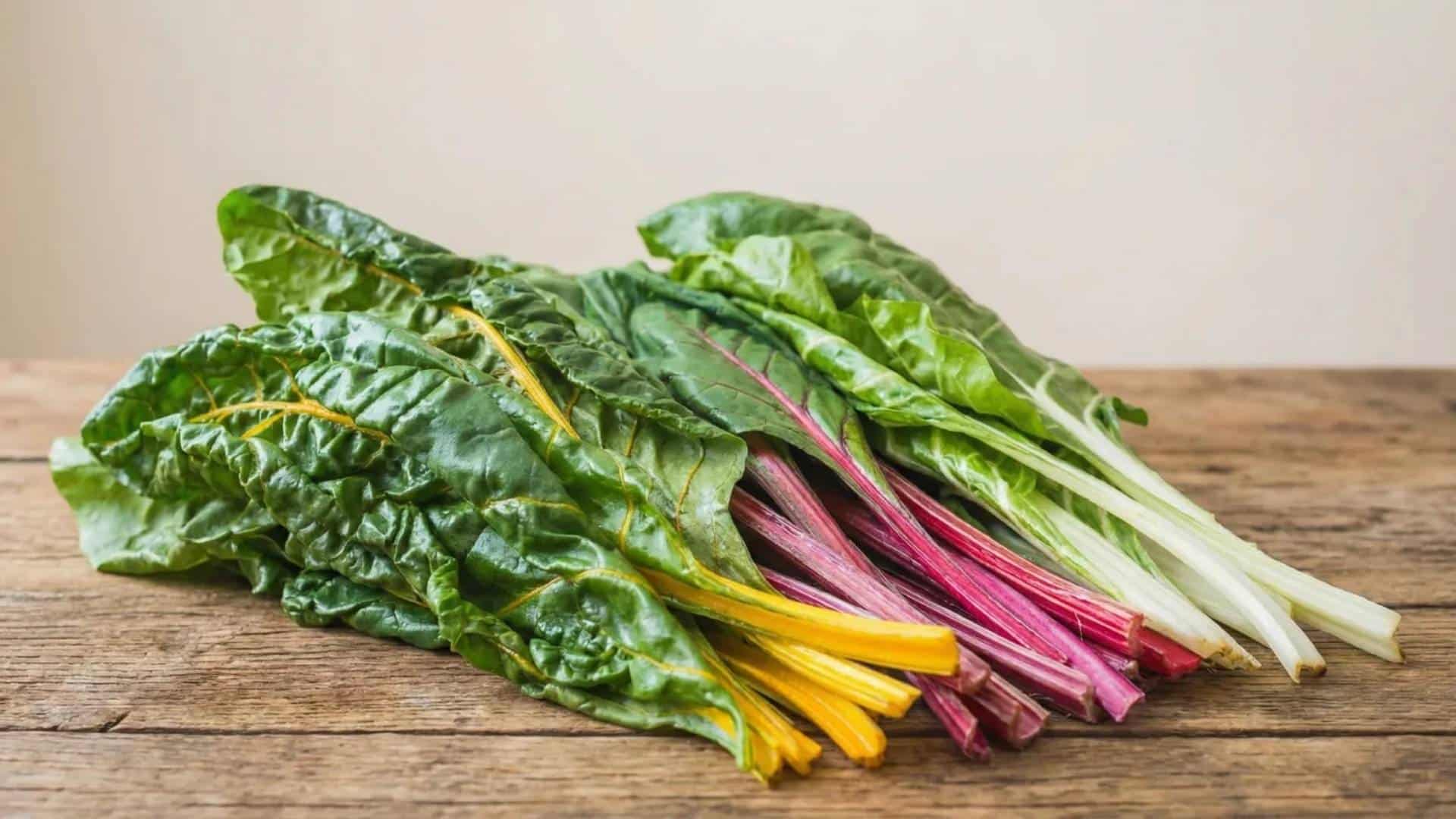
Swiss chard is high in magnesium, which supports muscle function and energy production. It cooks down quickly in butter or olive oil, pairs well with garlic, and fits into a daily keto plan without complication.
Net carbs: 3g per cup (raw)
11. Green Beans
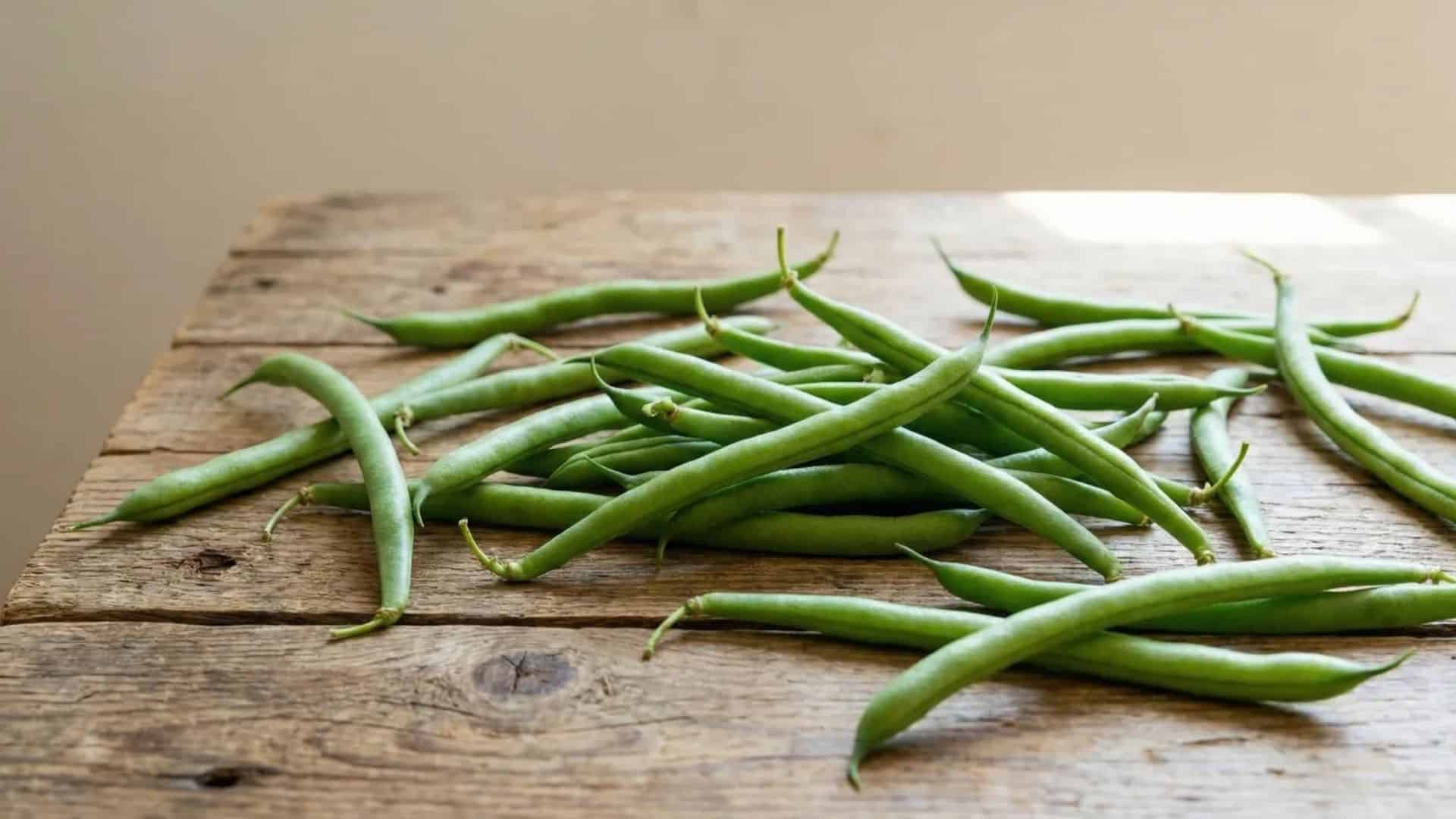
Green beans are moderate in net carbs compared to most vegetables on this list, but still keto-friendly in controlled portions. One cup per serving keeps the carb count manageable. They pair well with butter, garlic, and Parmesan, and are filling enough to anchor a side dish.
Net carbs: 4.27g per cup (raw)
12. Bell Peppers
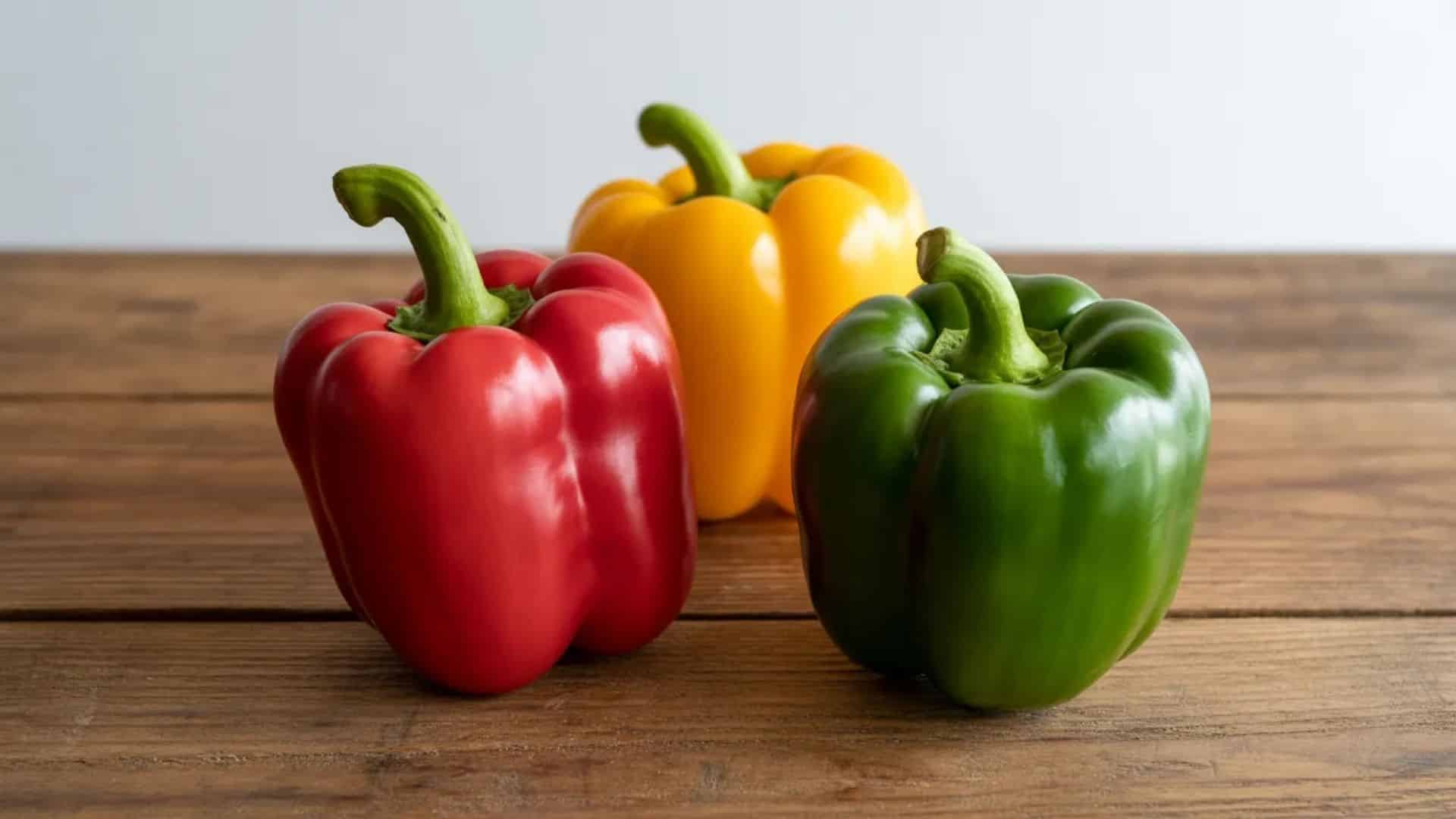
Bell peppers are one of the richest vegetable sources of vitamin C. Green peppers are the better keto choice, running slightly lower in carbs than red or yellow varieties. They add color and crunch to meals without significantly affecting the daily net carb total.
Net carbs: 4g per cup (raw)
13. Cucumber
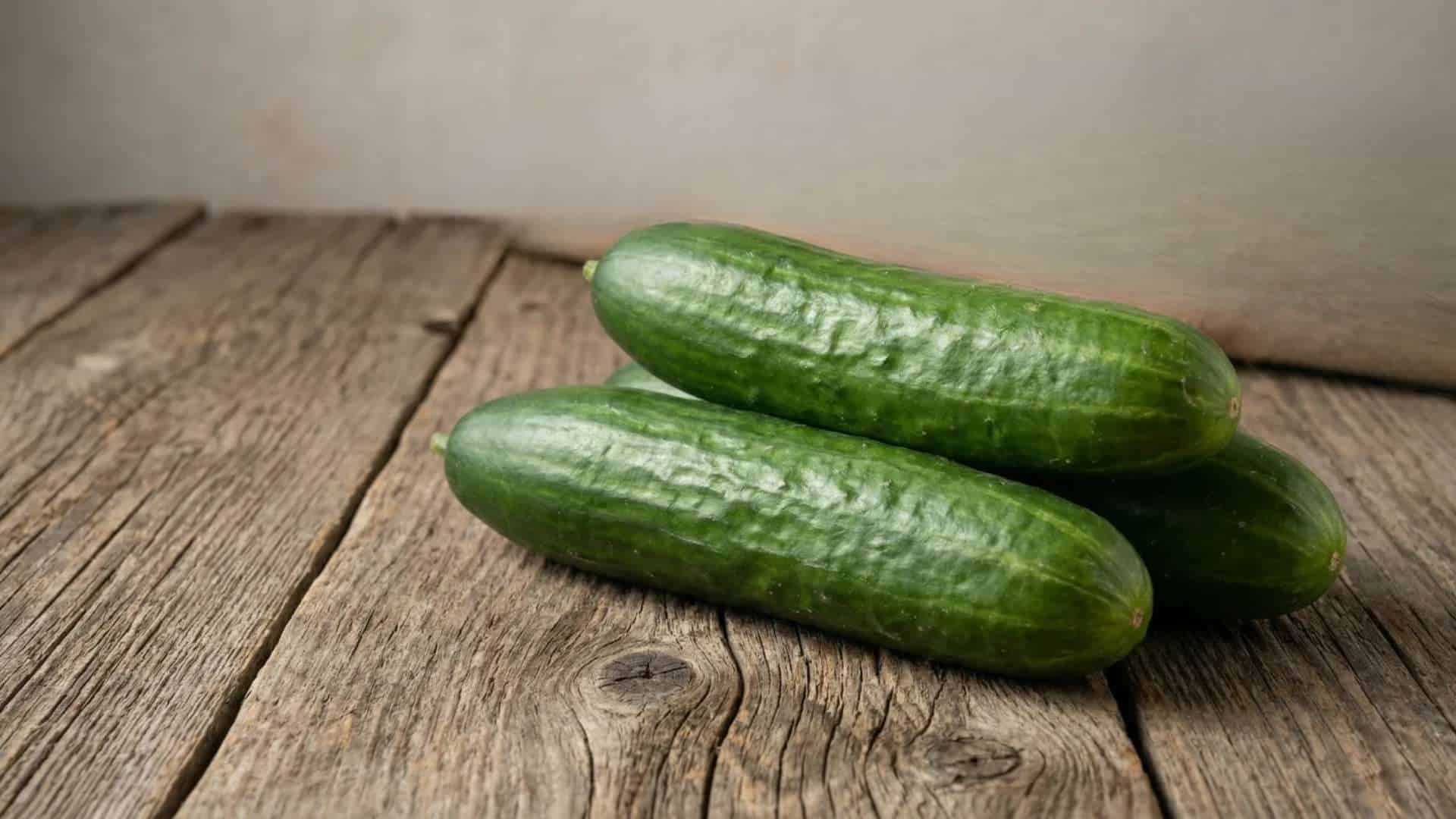
Cucumber is hydrating, extremely low in calories, and practical as a snack between meals. It pairs well with cream cheese, guacamole, or ranch dressing. A reliable and guilt-free option that helps curb hunger without touching the carb limit.
Net carbs: 3g per cup (raw)
14. Celery
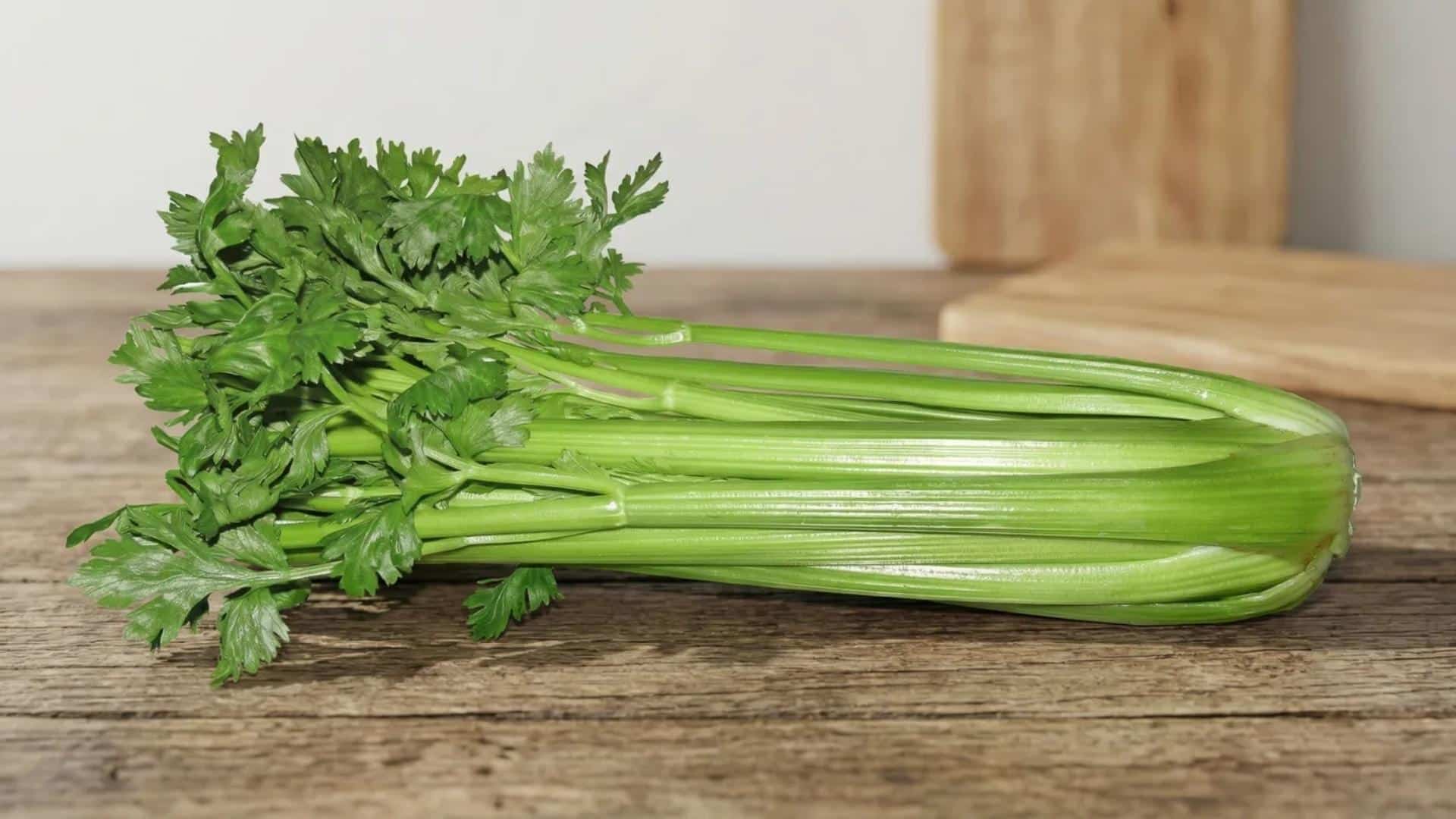
Celery is one of the best snacking vegetables on keto. Its crunch and neutral flavor pair well with almond butter or cream cheese. The net carb count is low enough that it can be eaten freely without meaningful impact on the daily total.
Net carbs: 1g per cup (raw)
15. Eggplant
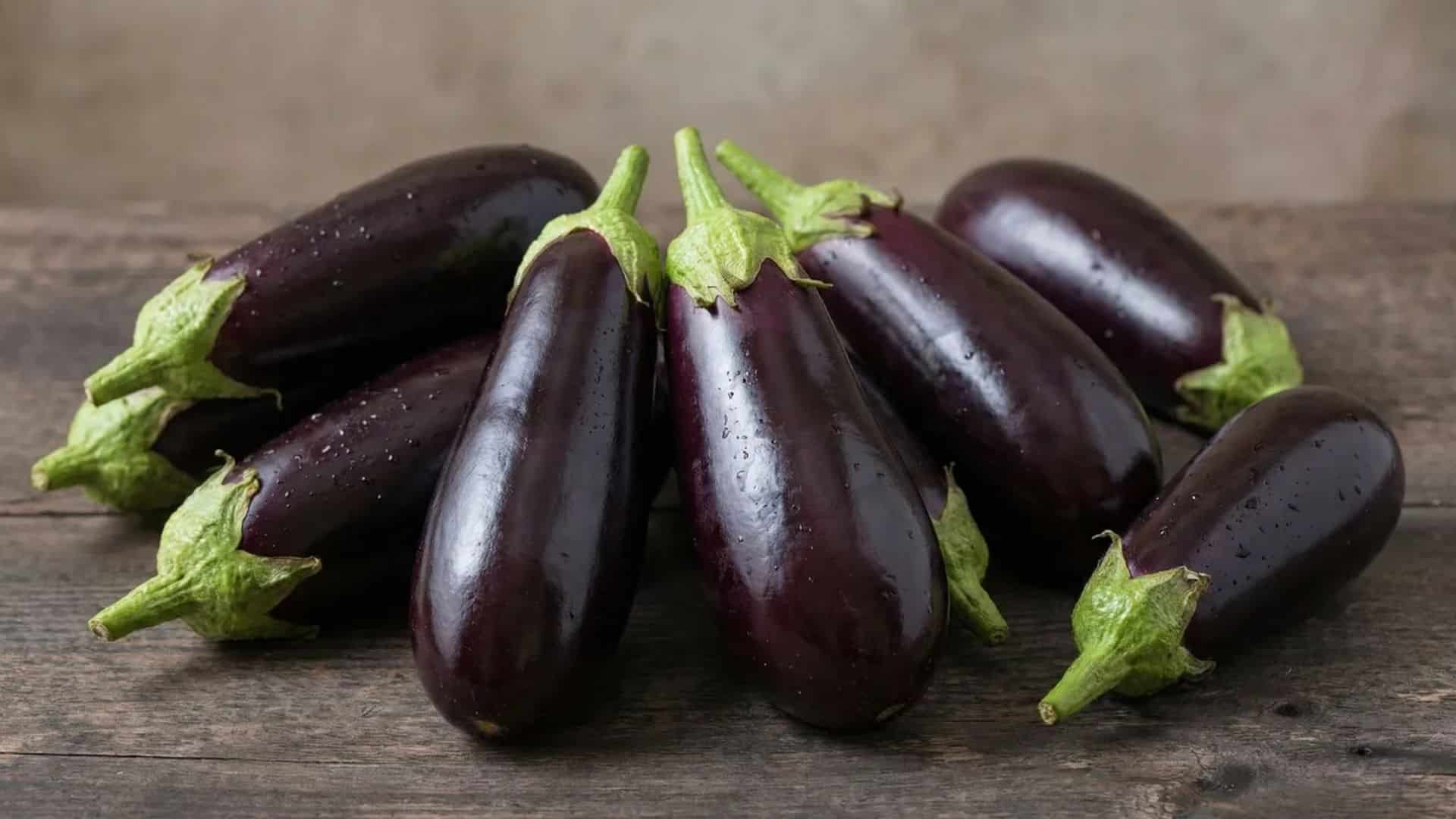
Eggplant has a dense, meaty texture that makes it a useful meat substitute in plant-forward keto meals. It absorbs flavors well when roasted or grilled. Enjoy it in moderate portions to stay within the daily carb range.
Net carbs: 5g per cup (raw)
16. Bok Choy
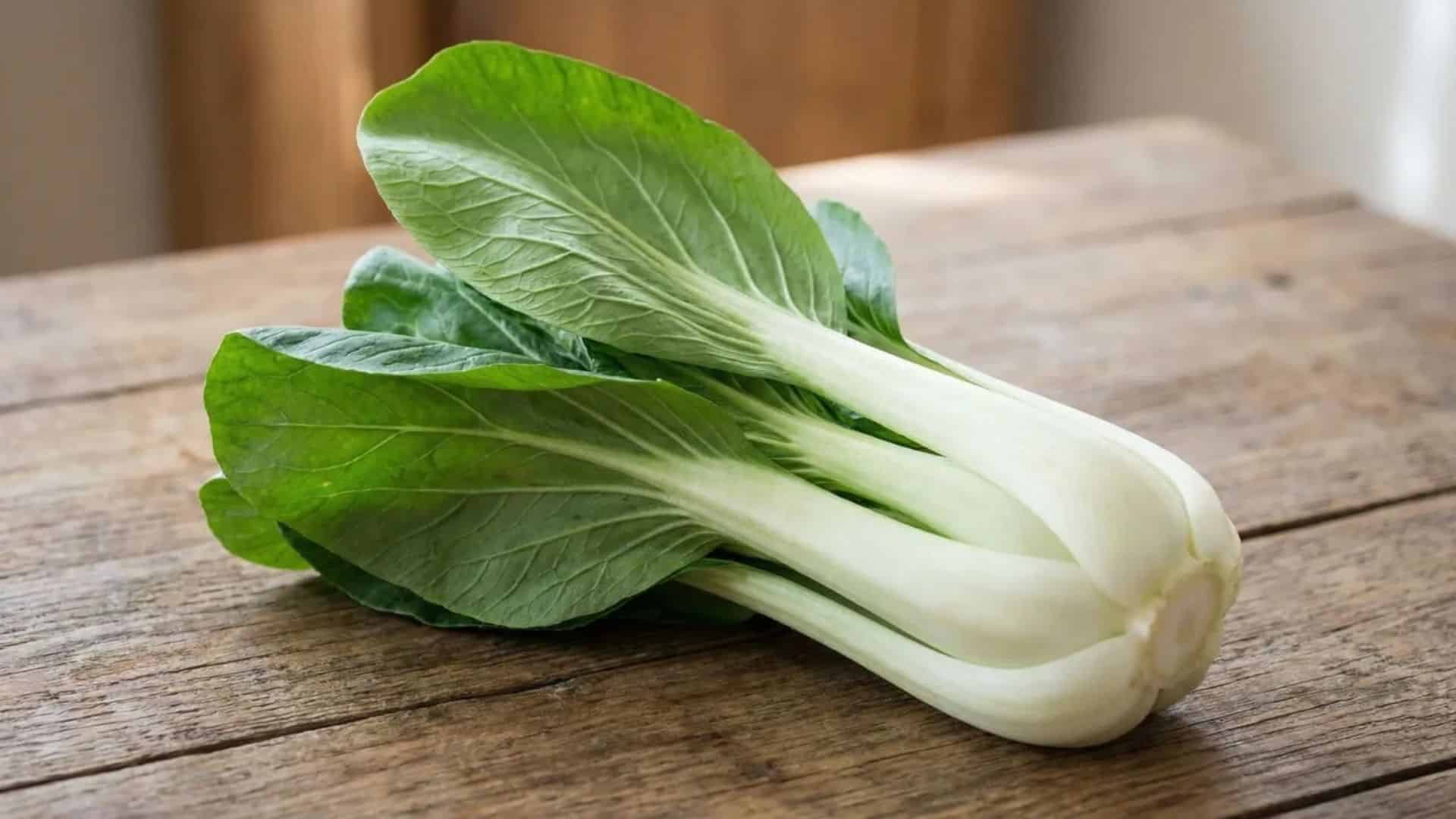
Bok choy is light, easy to digest, and rich in calcium and vitamin C. It works well in stir-fries and soups, and its low net carb count makes it one of the most keto-friendly vegetables available.
Net carbs: 1g per cup (raw)
17. Radishes
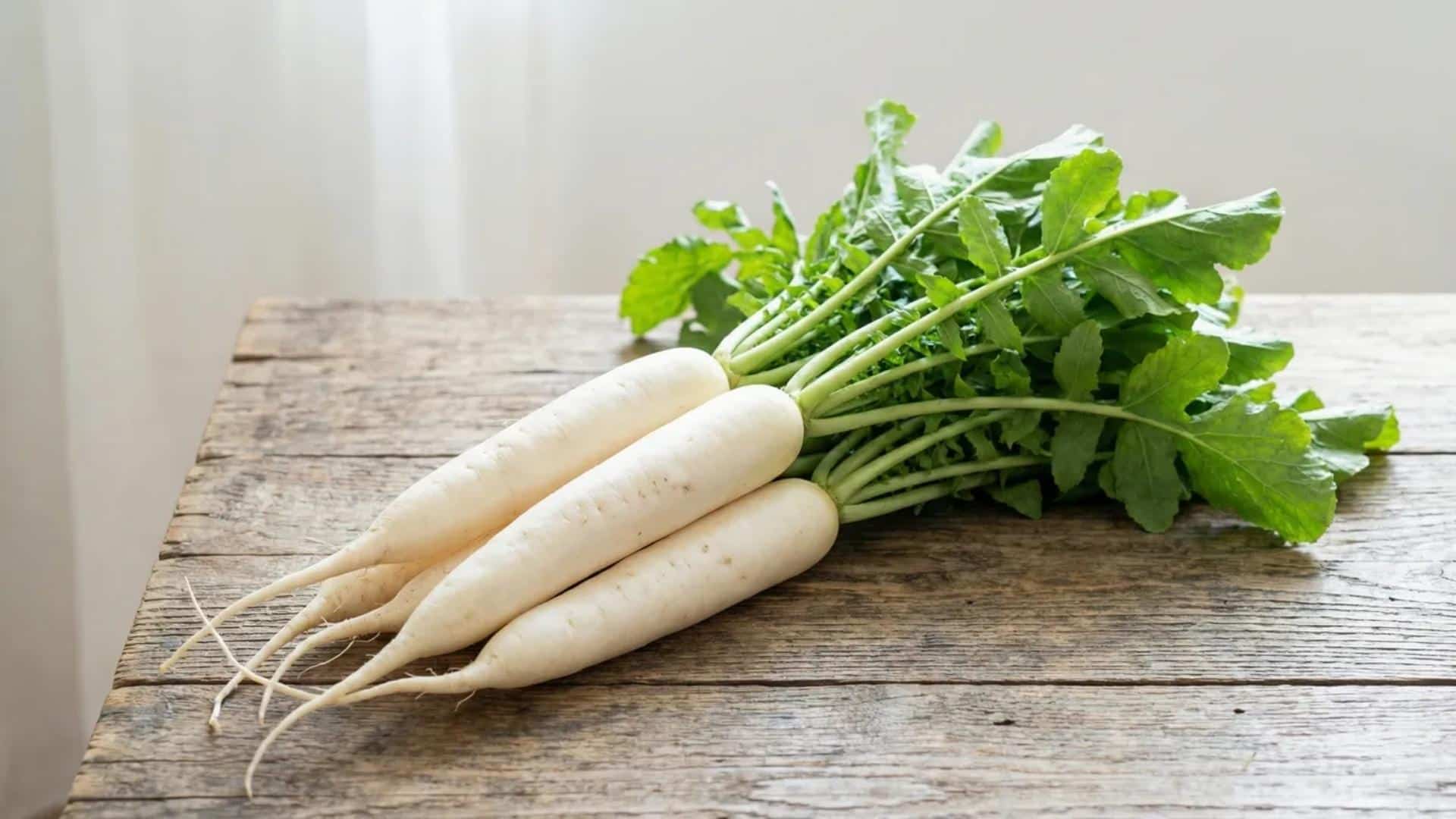
Radishes are a surprisingly effective low-carb potato substitute. When roasted, their sharp raw edge softens into a tender, starchy-like texture that satisfies root vegetable cravings. A smart swap for potatoes and other high-carb sides.
Net carbs: 2g per cup (raw)
18. Turnips
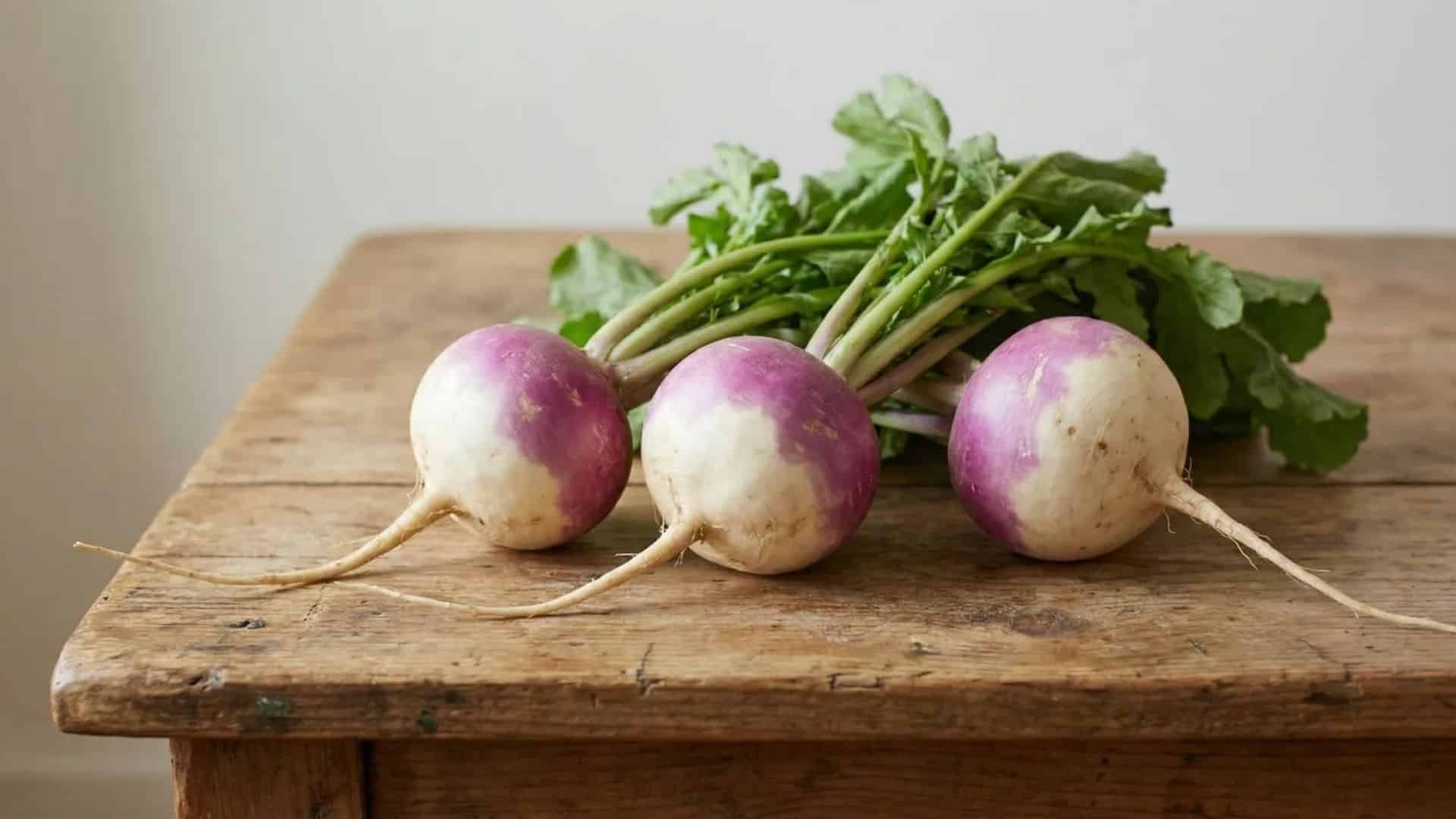
Turnips work well roasted or in soups and absorb seasoning readily. They are a lower-carb alternative to potatoes and add a hearty texture to keto side dishes. Smaller portions keep them within the daily carb limit comfortably.
Net carbs: 6g per cup (raw)
19. Arugula
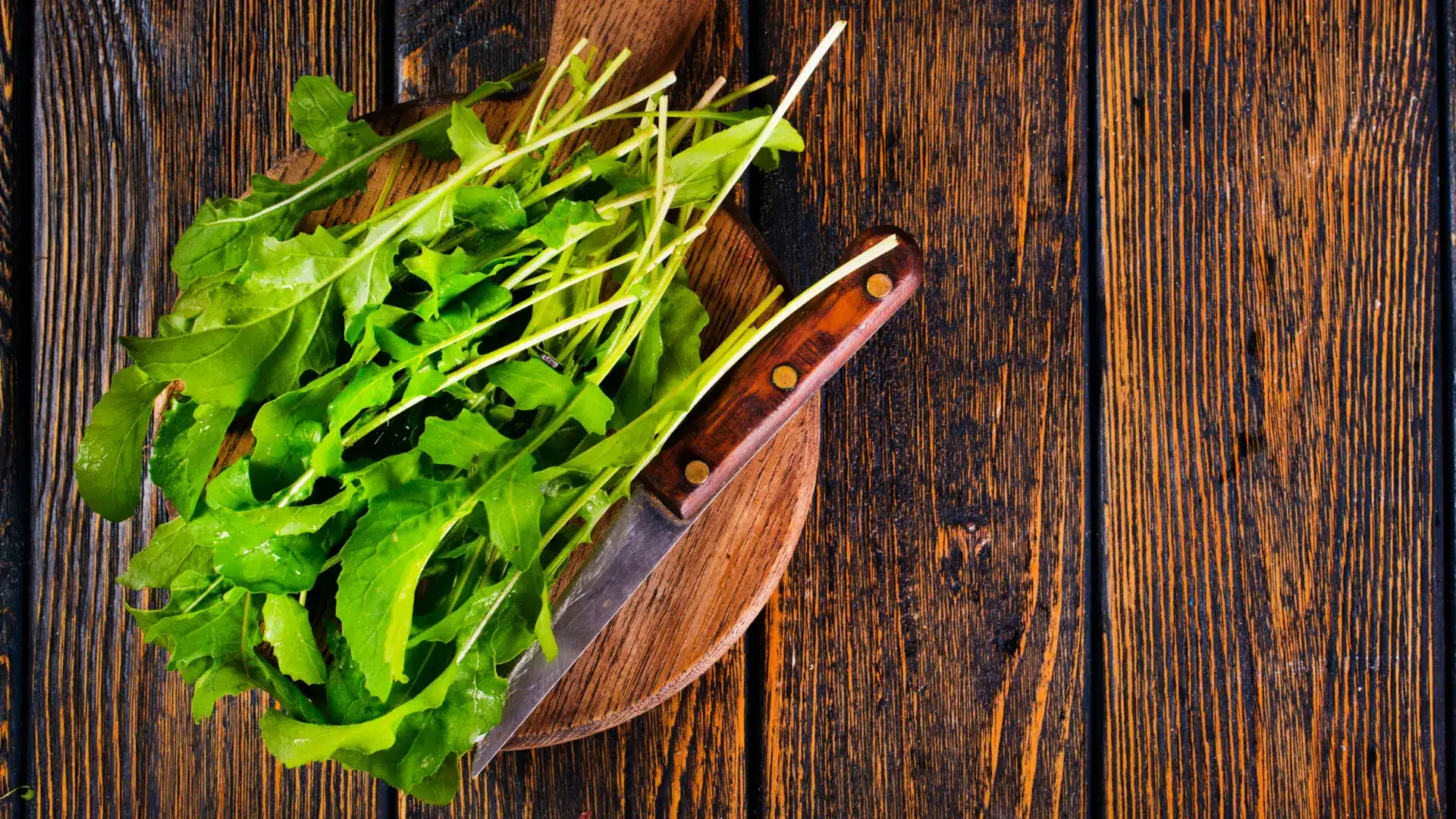
Arugula brings a bold, peppery flavor to keto salads that milder greens cannot replicate. Rich in antioxidants, it pairs well with olive oil, lemon, and shaved Parmesan. One of the most carb-friendly salad greens available.
Net carbs: 1g per cup (raw)
20. Brussels Sprouts
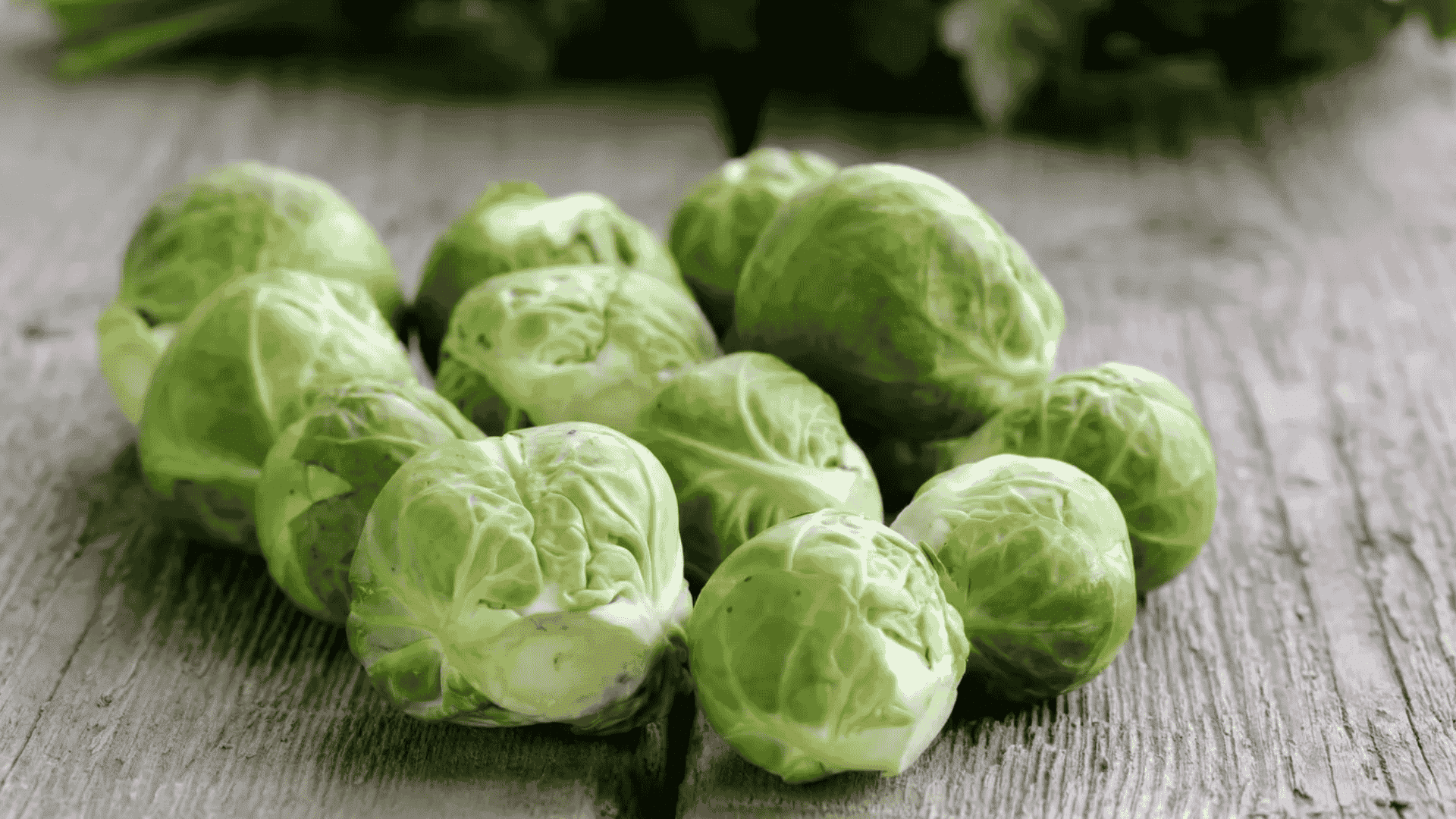
Brussels sprouts are high in fiber and support healthy digestion. Roasted with olive oil and bacon, they develop a crispy, caramelized texture that makes them one of the most satisfying keto side dishes. Portion them carefully, as the net carb count adds up faster than lighter greens.
Net carbs: 5g per cup (raw)
Keto Green Beans with Parmesan
This buttery, garlicky side dish takes 15 minutes and fits cleanly into a standard keto day. It pairs naturally with grilled chicken, pan-seared salmon, or a well-marbled sirloin steak, and uses a one-cup portion that keeps the net carb count right where it needs to be.
Servings: 4 | Total Time: 15 minutes
Ingredients
- 1 pound fresh green beans, trimmed
- 2 tablespoons butter
- 2 cloves garlic, minced
- 1/2 teaspoon salt
- 1/4 teaspoon black pepper
- 1/3 cup grated Parmesan cheese
How to Make It
- Blanch the green beans: Bring a pot of salted water to a boil. Add the green beans and blanch for 3 to 4 minutes until just tender, then drain and set aside.
- Heat the butter: Place a large skillet over medium heat and melt the butter until it begins to bubble gently.
- Cook the garlic: Add the minced garlic and stir constantly for about 30 seconds until fragrant and lightly golden.
- Saute the green beans: Add the drained green beans to the skillet and toss for 5 to 6 minutes until tender with a slight crisp.
- Season and finish: Sprinkle salt and black pepper over the beans and toss to coat. Remove from heat and add the Parmesan cheese.
- Serve warm: Toss once more and plate immediately as a keto-friendly side.
How to Eat Green Beans on Keto Without Breaking Ketosis
The carb count on green beans is workable, but how you prepare and portion them determines whether they support or undermine a keto plan. These are the practical decisions that matter most.
- Stick to one cup cooked per serving. This keeps net carbs around 4 to 5 grams, leaving meaningful room in the daily budget.
- Cook with butter, olive oil, or ghee. Fat improves satiety and keeps the macronutrient ratio in line with keto requirements.
- Avoid store-bought sauces and glazes. Many contain added sugars that increase net carbs significantly without appearing obvious on the label.
- Pair with a protein. Chicken, steak, salmon, or eggs alongside green beans creates a complete keto plate that sustains energy without hunger spikes.
- Track by weight, not volume. A cup of cooked green beans weighs more than a cup of raw ones. Tracking in grams gives a more accurate carb count.
- Choose fresh or plain frozen. Canned green beans can contain added sodium or sugar. Fresh or plain frozen with no sauce added are the cleaner keto options.
Green beans also slot naturally into low-carb lunch meal prep, where they hold texture well after refrigeration and reheat without turning soggy, making them a practical weekday staple.
Are Green Beans Keto on All Variations of the Diet?
Not all ketogenic diets use the same carb ceiling, and the answer shifts slightly depending on which version you follow.
Standard keto (20 to 50g net carbs/day): Green beans fit with one cup per meal and careful tracking alongside other carb sources throughout the day.
Strict keto (under 20g net carbs/day): A single cup at 4.27g net carbs is manageable, but leaves limited room for other vegetables at the same meal. Pairing with spinach, lettuce, or celery, rather than two moderate-carb vegetables, keeps the total in check.
Lazy or dirty keto: Green beans are a non-issue here. The carb count is low enough that portion precision matters less when the daily limit is higher.
Cyclical keto: On high-carb refeed days, green beans are not a concern at all. On low-carb days, apply the same one-cup guideline as standard keto.
Keto and paleo handle green beans similarly, since both allow low-starch vegetables freely. The paleo vs keto differences go deeper into how each protocol treats carbohydrate sources and where they diverge on food choices.
Frequently Asked Questions
Are frozen green beans keto?
Yes, plain frozen green beans are keto-friendly. Choose bags with only green beans listed in the ingredients. Avoid frozen versions with sauces, glazes, or seasoning blends that may include sugar or starch. They work well steamed, roasted, or sautéed with butter and garlic.
Can I eat green beans every day on keto?
Yes, you can eat green beans daily if they fit your net carb limit. Keep portions moderate, usually around one cup per meal. Rotate them with lower-carb vegetables like spinach, lettuce, cucumber, or zucchini to keep your meals varied and easier to balance.
Are green beans better than peas on keto?
Yes, green beans are usually better than peas on keto. Peas are starchier and higher in net carbs, so they use more of your daily carb budget. Green beans have fewer net carbs and more flexibility for regular keto meals.
Can green beans kick you out of ketosis?
Green beans are unlikely to kick you out of ketosis when eaten in normal portions. The issue is portion size and what you add to them. Large servings, sugary sauces, or breaded toppings can raise carbs enough to affect your daily keto limit.
Are green beans good for keto meal prep?
Yes, green beans are good for keto meal prep because they hold texture better than many vegetables. Cook them lightly, then reheat with butter, olive oil, or seasoning. Pair them with chicken, salmon, steak, eggs, or tofu for an easy low-carb meal.
What keto sauces go with green beans?
Butter, garlic butter, olive oil, pesto, lemon butter, ranch, and creamy Parmesan sauce can work with green beans on keto. Check labels for added sugar or starch. Simple fat-based sauces are usually better than bottled glazes or sweet Asian-style sauces.
Are roasted green beans keto-friendly?
Yes, roasted green beans are keto-friendly when prepared with low-carb ingredients. Toss them with olive oil, salt, pepper, garlic, or Parmesan before roasting. Avoid breadcrumbs, honey, maple glaze, or sweet sauces because those can quickly increase the carb count.
Are green beans good for keto beginners?
Yes, green beans are a good choice for keto beginners because they are familiar, easy to cook, and lower in carbs than most beans. They help add volume, fiber, and color to meals without making keto feel too restrictive or complicated.
Final Verdict
By now, you have a clear idea of where green beans stand on a keto diet. If you have been asking are green beans keto, the short answer is yes, when you eat them with awareness and balance.
The key is paying attention to portions and remembering that even healthy vegetables contain carbs. Keto works best when you stay consistent and keep meals simple.
Green beans can easily stay part of your routine when prepared the right way. Try them in a buttery skillet or with Parmesan and see how they fit. If you have made them differently, share your go-to method in the comments.