
When I first started learning about healthy eating, I kept seeing people compare paleo vs whole30. At first, both plans looked almost the same to me because they focus on whole foods and cut out processed items.
But once I looked closer, I realized they follow very different rules and goals.
In this post, I’ll explain the real difference between the Paleo diet and the Whole30 program in very simple terms.
I’ll cover what each diet allows, what foods they ban, their benefits, possible downsides, and which one may suit your lifestyle better.
By the end, you’ll clearly understand which option could work best for your health goals.
What Is the Paleo Diet?
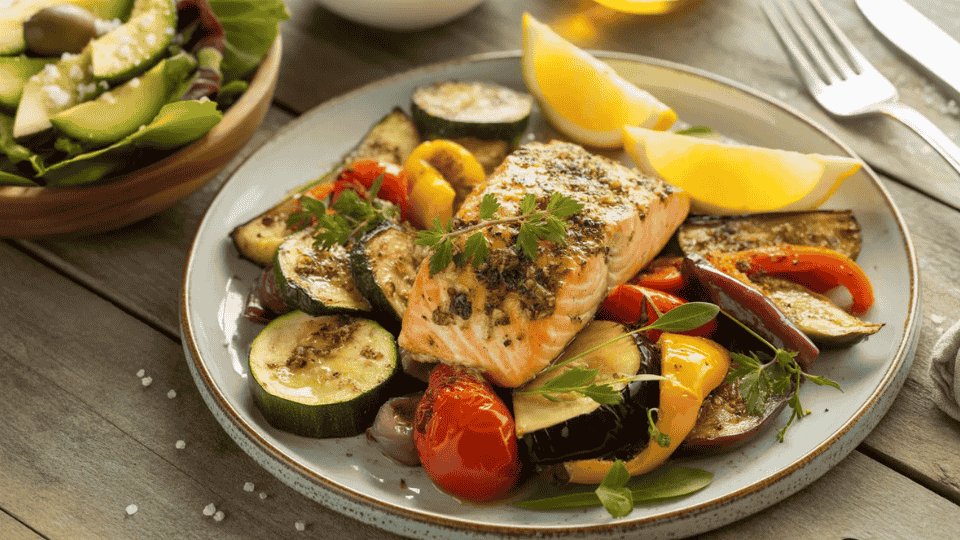
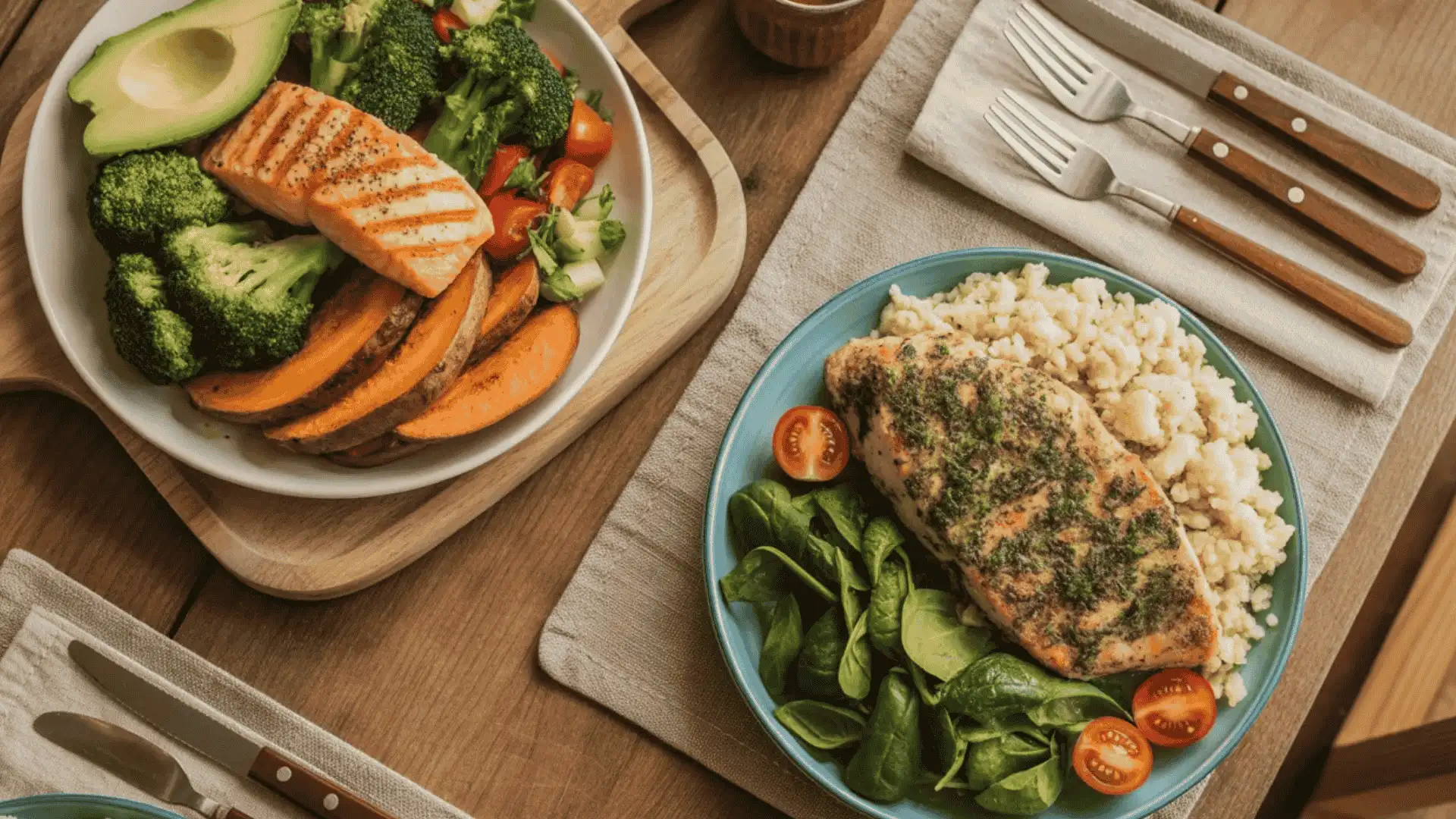
The Paleo diet is a simple way of eating that focuses on real, natural foods instead of packaged or highly processed ones. When I think about Paleo, I picture filling my plate with foods like fresh meat, fish, eggs, vegetables, fruits, nuts, and healthy oils.
The idea is to eat foods that feel close to nature and cut out modern items like sugary snacks, soda, refined sugar, grains, beans, and most dairy products.
Many people like this plan because the rules are easy to follow, and meals can be very satisfying. Since Paleo meals are rich in protein and fiber, some people feel full longer and may snack less during the day.
Overall, Paleo is often seen as a long-term lifestyle choice for people who want to eat cleaner, cook more at home, and build steady, healthier food habits over time.
What Is the Whole30 Program?
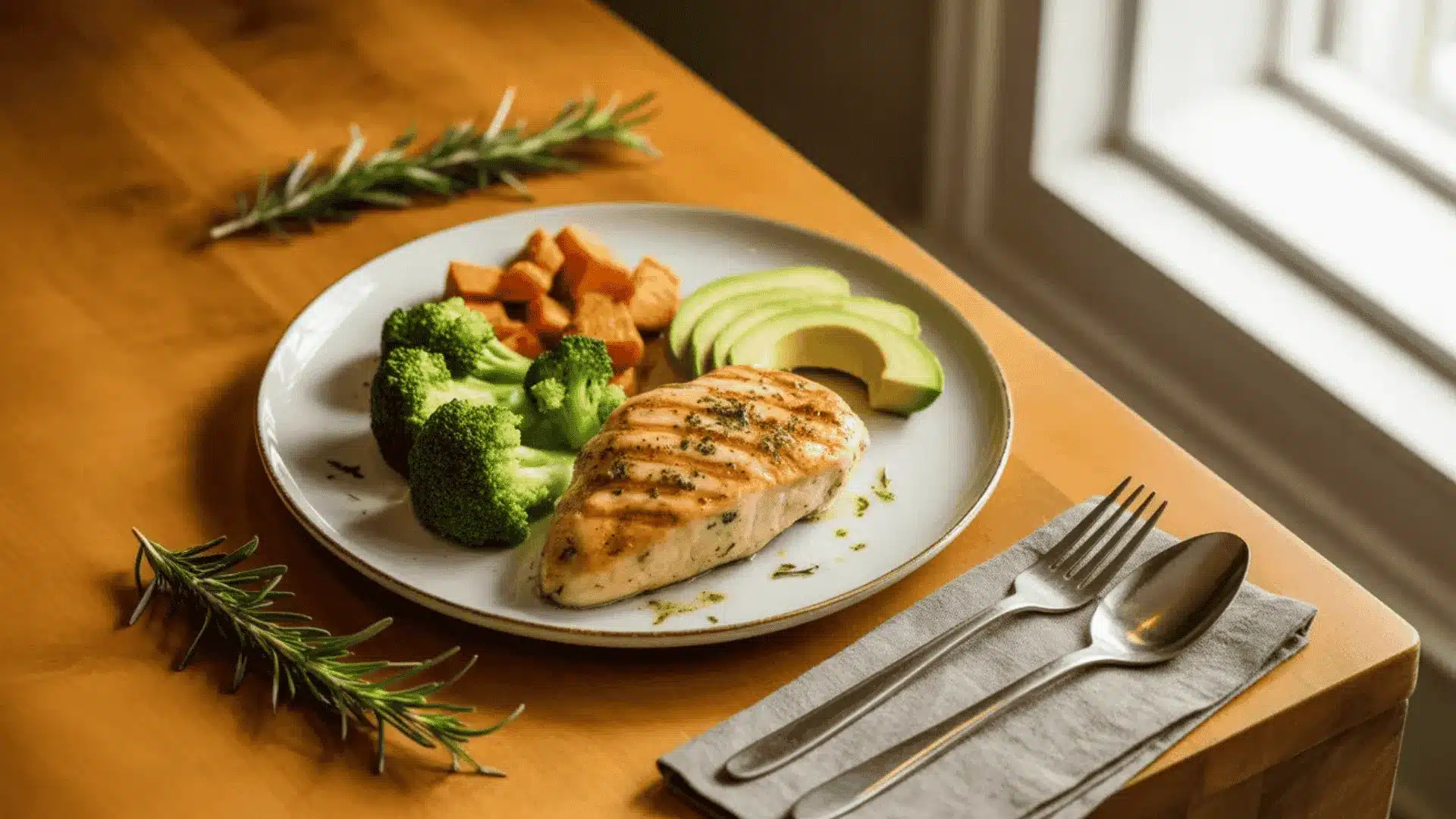
The Whole30 program is a short, strict eating plan that lasts 30 days and is meant to reset your eating habits. When I follow Whole30, I focus only on simple, whole foods like fresh meat, fish, eggs, vegetables, fruits, nuts, and healthy oils.
At the same time, I must completely avoid added sugar, alcohol, grains, dairy products, beans, and processed snacks.
One special rule is that even treats made with healthy ingredients, such as pancakes or cookies, are not allowed because the program aims to break sugar cravings and old eating habits.
After the 30 days end, I slowly add foods back in so I can see how my body reacts to each one.
Many people try Whole30 to improve energy, control cravings, learn which foods bother their stomach, and build healthier, more mindful eating habits.
Paleo vs Whole30: Side-by-Side Comparison
To make things easier to understand, I’ve put the main differences between Paleo and Whole30 into a quick side-by-side table below.
| Feature | Paleo Diet | Whole30 Program |
|---|---|---|
| Duration of diet | Meant to be a long-term eating style you can follow for months or years | A very short plan that lasts only 30 days |
| Main goal | Build a healthy lifestyle and eat more natural foods | Reset your body and spot foods that may cause problems |
| Sweeteners | Small amounts of natural sweeteners like honey or maple syrup are allowed | No sweeteners at all, even natural ones |
| Alcohol | Some versions allow occasional alcohol | Alcohol is completely banned for 30 days |
| Desserts & treats | You can make “Paleo-friendly” treats with approved ingredients | No recreated desserts or junk-style foods allowed |
| Rules strictness | More flexible once you learn the basics | Very strict with clear yes/no rules |
| Best for | People who want a steady, long-term way of eating | People who want a short, strict food reset |
As you can see, both plans focus on whole foods, but their rules, goals, and time limits can feel very different depending on what you want.
Paleo vs Whole30: Similarities
Before choosing between Paleo and Whole30, it helps to see what they actually have in common. Even though the rules differ, both eating plans share similar ideas.
- Focus on whole foods: Both plans encourage eating natural, simple foods like fresh meat, fish, eggs, vegetables, fruits, nuts, seeds, and healthy oils, helping me build meals around real ingredients instead of packaged products.
- No processed junk: Packaged snacks, fast food, frozen ready meals, and heavily processed items are avoided on both diets, which helps me cut back on additives, preservatives, and hidden ingredients.
- Sugar reduction: Refined sugar, sweet desserts, and sugary drinks are removed or strongly limited, helping many people control cravings, stabilize energy levels, and avoid constant hunger throughout the day.
- Home cooking encouraged: Both diets gently push me to cook more meals at home, making it easier to control ingredients, adjust portions, save money, and understand exactly what I’m eating.
- Possible weight loss: Because junk food, excess sugar, and empty-calorie snacks are reduced, many people naturally eat fewer calories, feel fuller after meals, and may slowly lose weight.
- Better food awareness: Following either plan helps me read labels more carefully, notice ingredients, understand portion choices, and develop cleaner, more mindful eating habits that can last even after the diet ends.
As you can see, the core approach of both diets is quite close. The real difference comes from how strict they are and how long you’re expected to follow them.
Health Benefits of Paleo and Whole30
First, let’s look at the positive side. The table below shows how both Paleo and Whole30 may support health and improve eating habits in different ways.
| Health Area | Paleo Diet | Whole30 Program |
|---|---|---|
| Cleaner eating habits | Focuses on long-term whole-food eating, helping reduce processed food and build steady, healthy habits over time. | Removes processed foods completely for 30 days, giving a strong short-term reset and helping people quickly notice unhealthy eating patterns. |
| Weight management | High-protein, fiber-rich meals may help people feel full longer and support gradual, sustainable weight control. | Strict food rules often reduce sugar intake and snacking, which may lead to short-term weight loss for some people. |
| Energy levels | Cutting refined sugar and focusing on balanced meals may help keep daily energy more stable. | Removing sugar and alcohol suddenly may help reduce energy crashes and improve focus during the program. |
| Food awareness | Encourages long-term home cooking and label reading, helping build lasting food knowledge. | The elimination and reintroduction phase helps identify food sensitivities and understand how certain foods affect the body. |
These benefits show why many people try these diets, but results can vary depending on how consistently the plan is followed and how well it fits daily life.
Risks and Downsides of Paleo and Whole30
While both plans have advantages, it’s just as important to understand the possible challenges before choosing one. The table below highlights the main risks and downsides.
| Risk Area | Paleo Diet | Whole30 Program |
|---|---|---|
| Food restrictions | Removes grains, dairy, and legumes, which can make balanced nutrition more difficult without careful planning. | Even more restrictive for 30 days, banning sugar, alcohol, grains, dairy, and even recreating “healthy” treats. |
| Ease of following | Easier to maintain than strict diets, but still challenging socially or when eating out often. | Very strict with zero flexibility, which can feel stressful for beginners or those with busy schedules. |
| Cost & preparation | Fresh meats, nuts, and specialty ingredients can raise grocery costs and require more cooking time. | Requires strong meal prep and planning each week, which may feel time-consuming during the program. |
| Long-term sustainability | Can work long-term, but may feel limiting if favorite foods are permanently removed. | Designed only for 30 days; results may not last if old eating habits return afterward. |
Knowing these limits ahead of time can help you prepare better and decide which plan feels more realistic and comfortable for your routine.
Paleo vs Whole30: Who Should Choose Which Diet?
Here’s a simple way I like to decide between Paleo and Whole30 based on goals, routine, and how strict I want my food rules to be.
Paleo is a good choice if I want a long-term eating style that doesn’t feel overly strict and allows me to make gradual habit changes rather than doing a short, intense challenge.
Because it allows some flexibility, like natural sweeteners or occasional treats, it often fits busy schedules and family meals better and helps me build a routine I can follow for months or years.
Whole30, on the other hand, works better for me when I want a short, strict 30-day reset with clear rules and no cheating. Many people use it to break sugar cravings, improve energy, and test food sensitivities by slowly adding foods back later.
Wrap Up
After comparing paleo vs whole30, I think the best choice really depends on what you want from your diet. If you need a short, strict reset to understand how foods affect your body, Whole30 can be a strong starting point.
But if you want a flexible eating style you can follow for months or years, Paleo may feel easier to maintain. The most important thing I’ve learned is that no diet works unless it fits your daily life and feels realistic.
Take time to think about your goals, schedule, and eating habits before making a choice. If this helped, check out my other nutrition posts for more simple health tips you can actually follow.