


I didn’t realize how weak my hips were until small aches started showing up during runs and long walks.
The hip drop exercise changed that for me. It looks simple, but it directly targets the gluteus medius, the muscle responsible for keeping your pelvis stable and your knees tracking properly.
If you’re looking to strengthen your hips for better balance, injury prevention, or improved athletic performance, this movement deserves attention.
Here, I’ll explain what the hip drop exercise is, why it works, how to perform it correctly, and how to progress it safely.
You’ll learn how to avoid common mistakes and make it a consistent part of your training so your hips feel stronger and more stable every day.
Understanding Hip Drop Exercise
The hip drop, also known as the Trendelenburg drop, is a functional movement performed on a step or raised surface.
It focuses on the gluteus medius, a muscle located on the outer side of the hip and pelvis. It is a popular exercise incorporated into balanced fitness routines alongside squats, lunges, and core work.
Widely used in both general fitness and rehabilitation programs, it is recognized as an effective movement for building lateral hip strength and overall pelvic stability.
Athletes, runners, and individuals seeking improved balance and movement quality commonly include it in their training routines.
Benefits of the Hip Drop Exercise
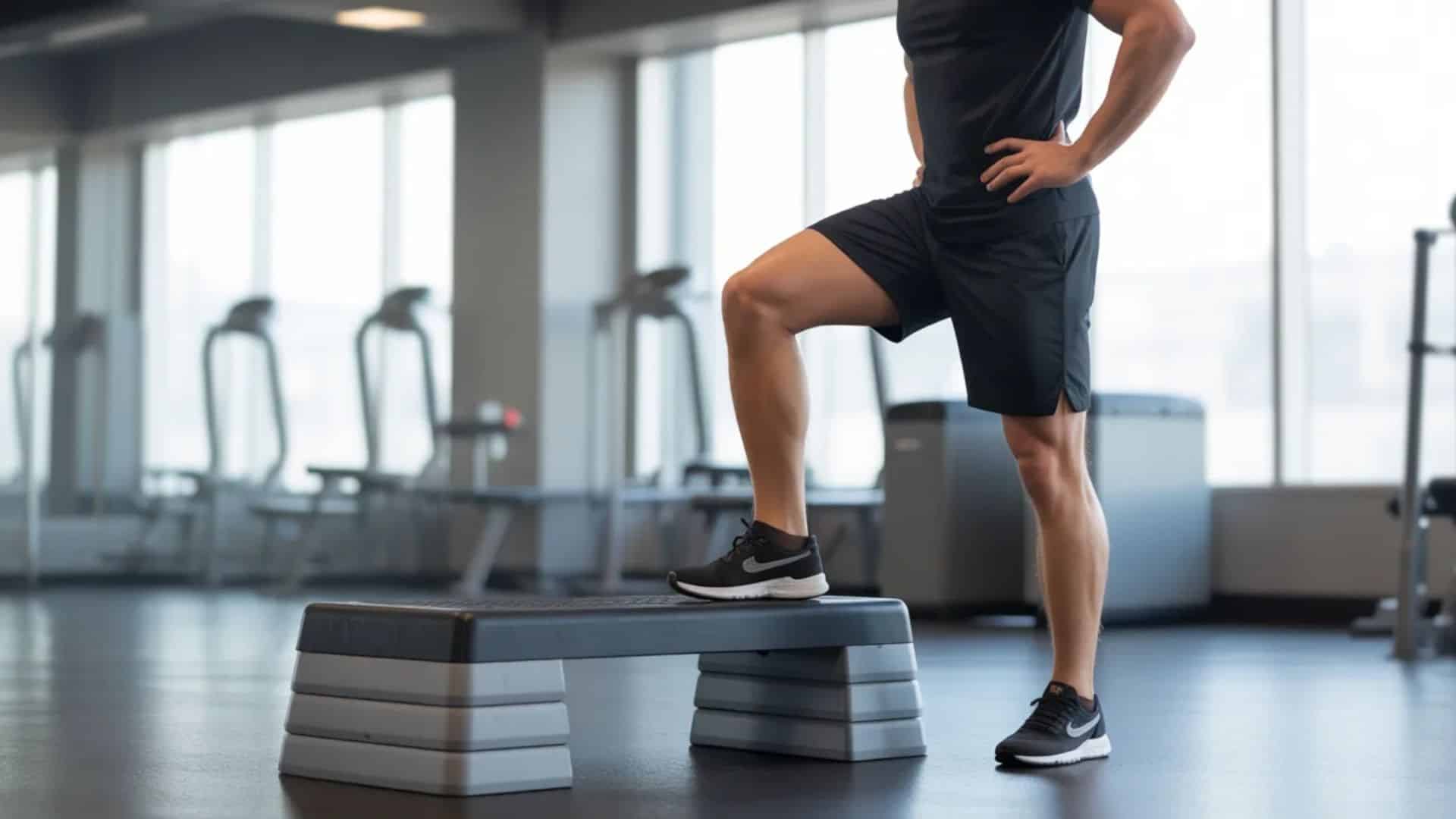
This simple movement strengthens key stabilizing muscles and improves balance, control, and overall lower body joint function.
- Gluteus medius activation: Targets the outer hip muscle responsible for keeping your pelvis stable during movement.
- Injury prevention: Reduces excess strain on knees, hips, and lower back by improving alignment.
- Improved balance: Builds single-leg stability that supports walking, running, and athletic performance.
- Better posture: Helps maintain pelvic alignment and reduces unwanted hip shifting.
- Core engagement: Activates deep stabilizing muscles that support controlled, efficient movement.
Adding this exercise consistently can improve daily movement quality and long-term lower-body stability.
How to Perform the Hip Drop Exercise
When I first learned the hip drop, it helped to break it down step by step. Once the movement became clear, hip stability and strength improved noticeably. Here is how you can do it too:
Step 1: Setup
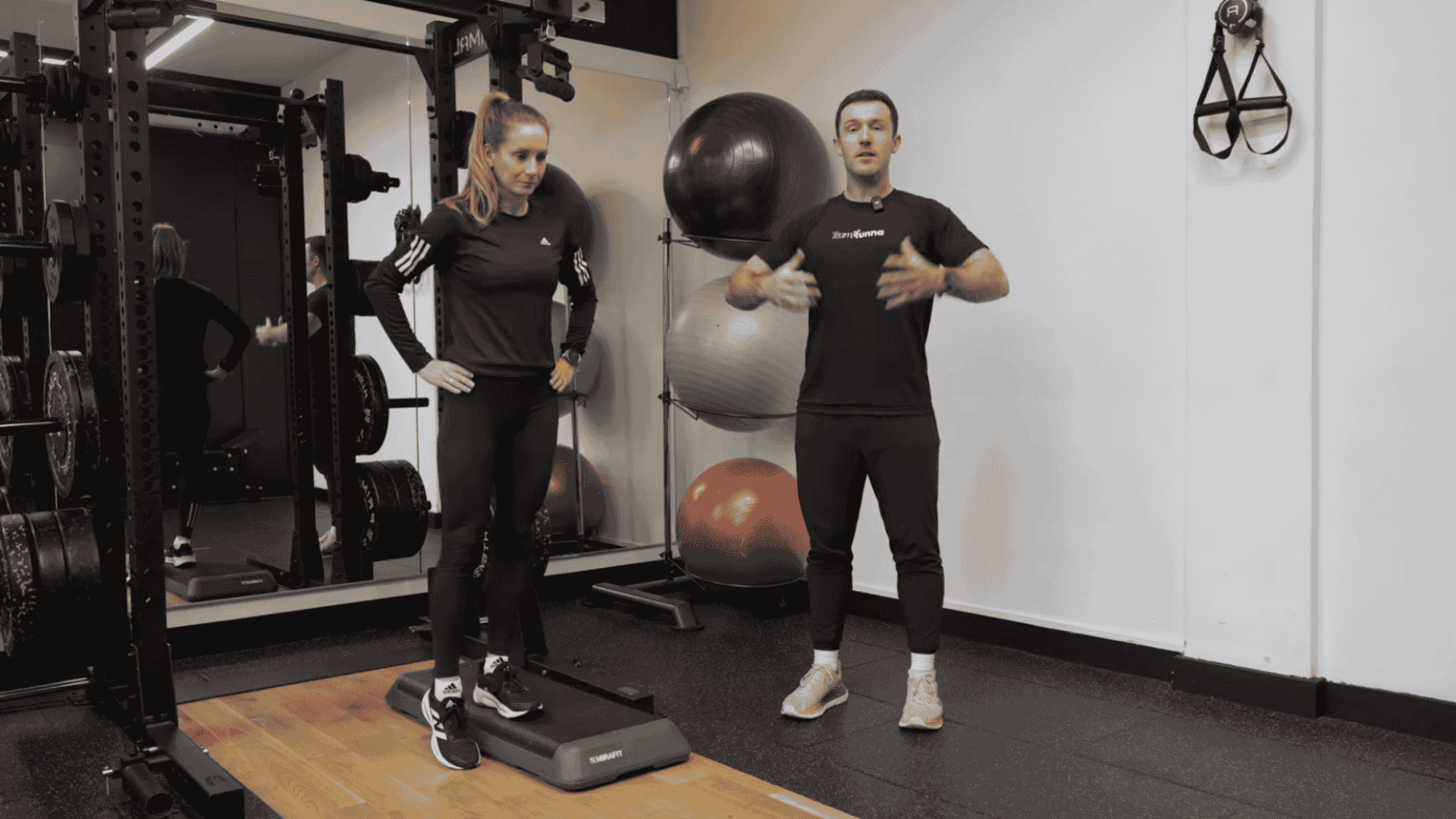
Stand with one foot firmly on a small step and let the other leg hang freely off the edge. Keep your body upright, tall, and completely relaxed.
Make sure your standing foot is positioned securely on the step for proper balance and control. Take a deep breath before moving forward into the exercise comfortably.
Step 2: Engage Your Core
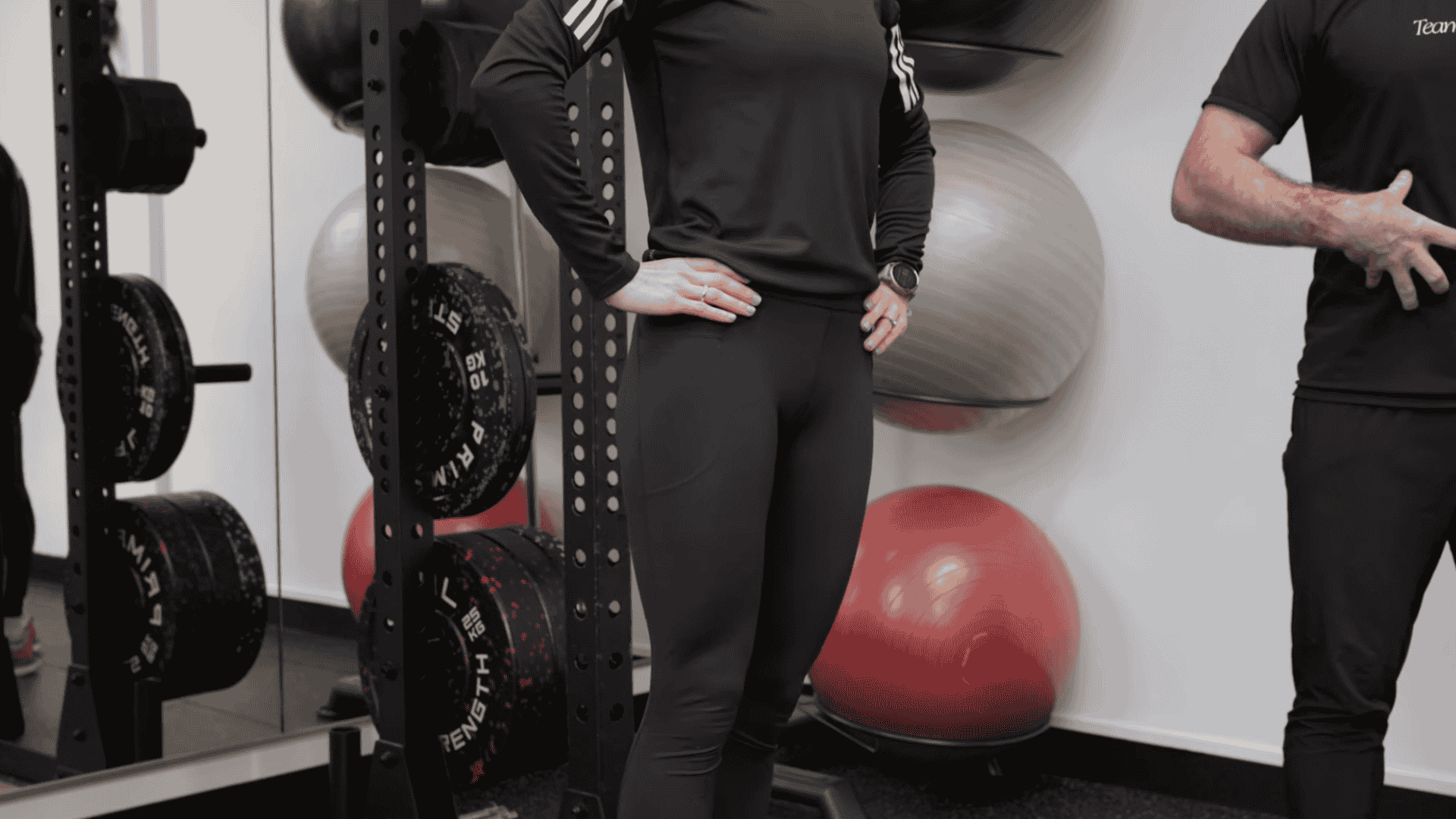
Before moving, tighten your core muscles to stabilize your entire body properly. This helps maintain good posture and prevents unnecessary shifting or tilting during the exercise.
Think of your core as your body’s anchor, keeping everything steady, controlled, and perfectly aligned throughout each repetition. Engaging your core first makes every movement safer and far more effective.
Step 3: Drop the Hip
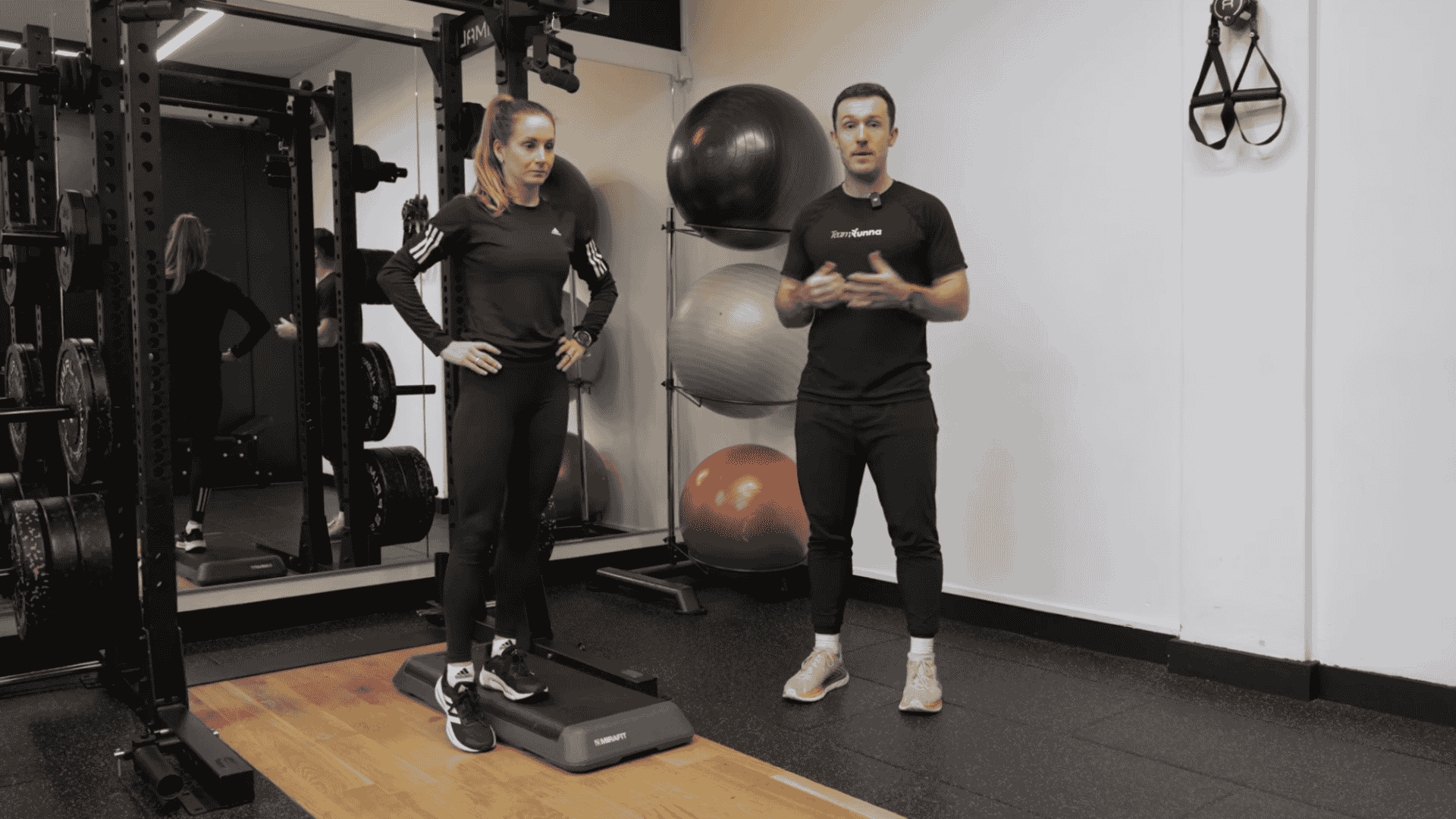
Slowly lower the hanging leg’s hip downward in a controlled and deliberate motion. Focus entirely on moving only your hip without letting your upper body tilt or shift sideways.
This controlled and mindful drop fully activates the gluteus medius muscle, making it the most important and beneficial part of the entire hip drop movement.
Step 4: Lift the Hip
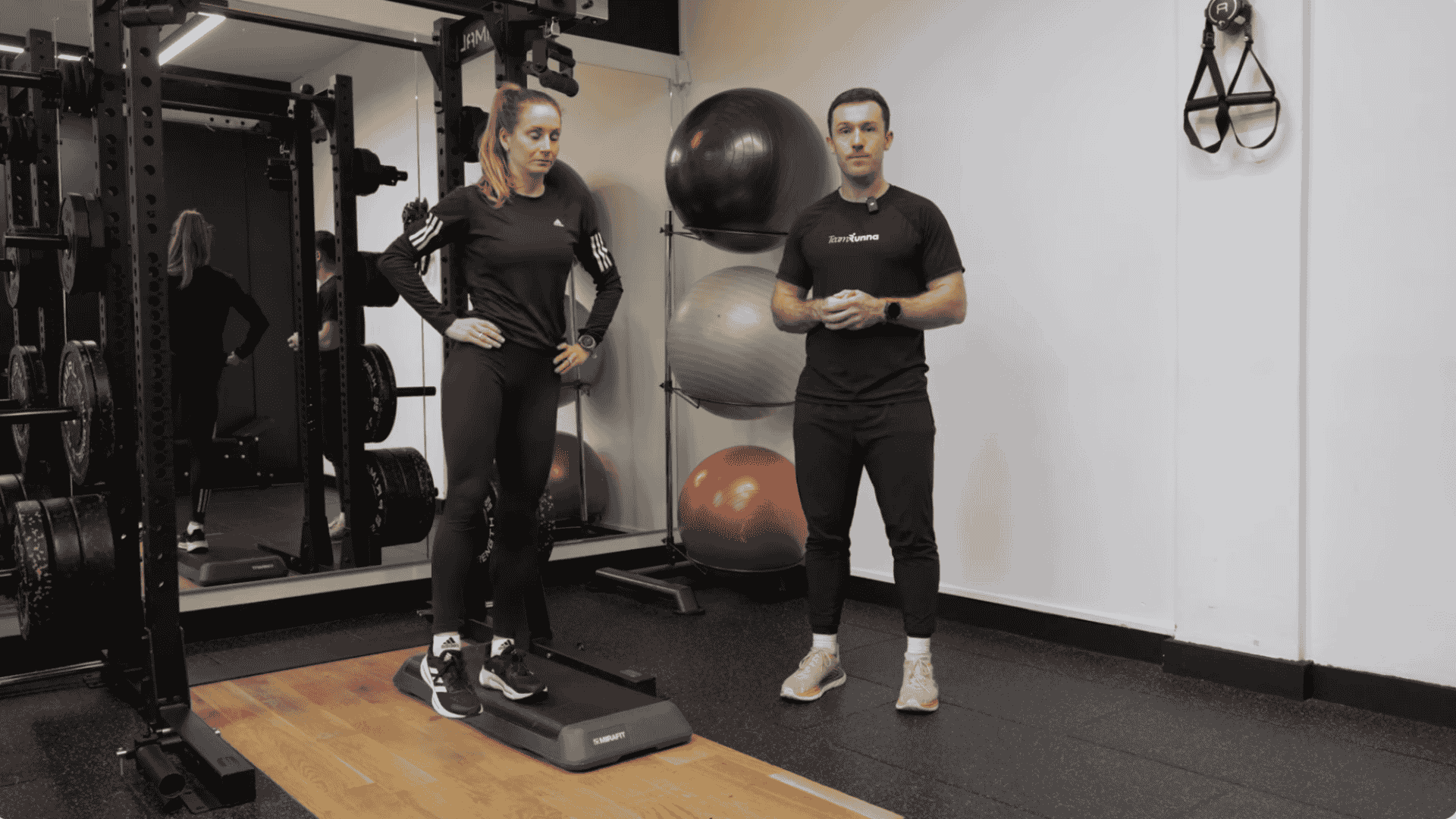
Now lift the lowered hip back up to the starting position by fully engaging your hip stabilizer muscles. Keep your entire body completely still and avoid using any momentum during this phase.
Repeat the movement slowly and with full control to build maximum strength, stability, and balance effectively in your hips with every single rep.
Stay consistent with this exercise, and you will notice stronger, more stable hips with every session.
Watch this A-Skips and B-Skips tutorial by Runna
Tips for Maximizing the Effectiveness of Your Hip Drop Exercise
From my own experience, I’ve found that a few key tips can make a huge difference in how effective your hip drops are:
- Start Slow and Build Gradually: Beginners should aim for 2 sets of 10 reps, progressing to 3 sets as strength improves.
- Focus on Controlled Movement: Always prioritize slow, deliberate motion over speed to fully activate the gluteus medius effectively.
- Pair with Complementary Exercises: Combine hip drops with clamshells and lateral leg raises for a complete, balanced hip strengthening routine.
- Integrate into Your Weekly Plan: Perform hip drops 3 times a week alongside your regular lower-body workout sessions consistently.
- Listen to Your Body: Avoid pushing through pain and always maintain proper form to prevent unnecessary strain or injury.
Stay committed, train smart, and your hips will reward you with strength and stability every day.
Variations and Progressions of the Hip Drop Exercise
After I got comfortable with the basic hip drop, I wanted to challenge myself more. Here are some variations and progressions that helped me strengthen my hips even further:
| Variation | How to Do It | Why It Helps |
|---|---|---|
| Hip Drop with Resistance Band | Place a band around your thighs and perform the hip drop with added tension. | Increases difficulty and builds greater gluteus medius strength faster. |
| Single-Leg Hip Drops | Perform on a higher surface with slower, more controlled movement. | Improves balance, core engagement, and intensifies hip stabilizer activation. |
| Incorporating into a Workout Routine | Combine with squats, lunges, and glute bridges for a full lower-body session. | Creates a well-rounded routine targeting all major lower-body muscles effectively. |
Start simple, progress gradually, and your hips will grow stronger every week.
Mistakes to Avoid When Performing the Hip Drop Exercise
Avoiding these common mistakes has really helped me improve my form and see consistent progress with the hip drop exercise. Here’s what I’ve learned:
- Hyperextension of the Lower Back: I’ve made this mistake before by overreaching during the drop. The key is to keep your spine neutral and your back flat throughout the movement.
- Poor Hip Alignment: I used to rush the movement, but I quickly learned to slow down and make sure both hips are level to prevent muscle compensations.
- Not Engaging the Core: I can’t stress enough how important it is to tighten your core before every rep. Doing this makes a huge difference in stability and control.
- Shifting the Upper Body: Early on, I found myself leaning sideways, but focusing only on the hip movement and keeping my torso still has really helped improve my form.
- Using Momentum: It’s easy to swing the hip down, but using momentum isn’t the way to go. Slow, controlled movement is what activates the right muscles effectively.
I’ve learned to fix these mistakes early, and now I stay mindful of my form every time. Trust me, every rep counts when you keep your form in check!
Key Takeaway
By now, you understand how the hip drop exercise strengthens your gluteus medius, improves balance, and supports injury prevention.
I walked you through proper form, key benefits, useful variations, and common mistakes so you can train with confidence. When you stay consistent and focus on control, you build stronger hips that support every step you take.
I’ve seen how much this small movement can improve stability, posture, and overall lower-body performance. Start with a few controlled sets this week and pay attention to how your hips feel during daily movement and workouts.
If you try it, share your experience and let me know what changes you notice in your balance and strength.