
Are lentils keto? That question pops up fast when your usual dal, soup, or salad suddenly looks risky on a low-carb plate. Lentils feel healthy because they’re filling, cheap, and packed with plant protein.
Still, keto plays by a different set of rules: carbs have to stay low enough for your body to use fat as fuel. That’s where lentils get tricky. You’re not just asking about one food, either. You’re trying to learn which everyday foods can quietly push you out of your carb range.
So let’s make this simple. Ahead, you’ll get a clear answer on lentils, a plain carb check, portion guidance, nine foods to limit, and better swaps that keep keto easier to follow without making food feel scary.
Are Lentils Keto-Friendly?
A keto-friendly food is defined mainly by one factor: a very low net carbohydrate content that helps maintain ketosis, a fat-burning metabolic state.
Most strict keto diets limit intake to 20–50 grams of net carbs per day, so every food choice must fit within that range.
Requirements for a Keto Diet: Ideal keto foods are also low in blood sugar impact, moderate in protein, and high in healthy fats, allowing energy to come from fat instead of glucose.
Lentils do not meet these requirements. Even though they are nutrient-dense, high in fiber, and rich in protein, they contain too many carbohydrates.
A single cup has about 20–25 grams of net carbs, which can use up most or all of a daily keto limit, making it difficult to maintain ketosis.
| Note: Net carbs = total carbs – fiber. Keto dieters track net carbs, not total carbs, because fiber isn’t digested and doesn’t raise blood glucose like starch. Lentils are high in fiber, reducing their net carbs compared to total carbs, but their net carb load remains too high for most keto plans at standard servings. |
Lentil Net Carbs by Variety: How Red, Green, Brown, and Black Compare
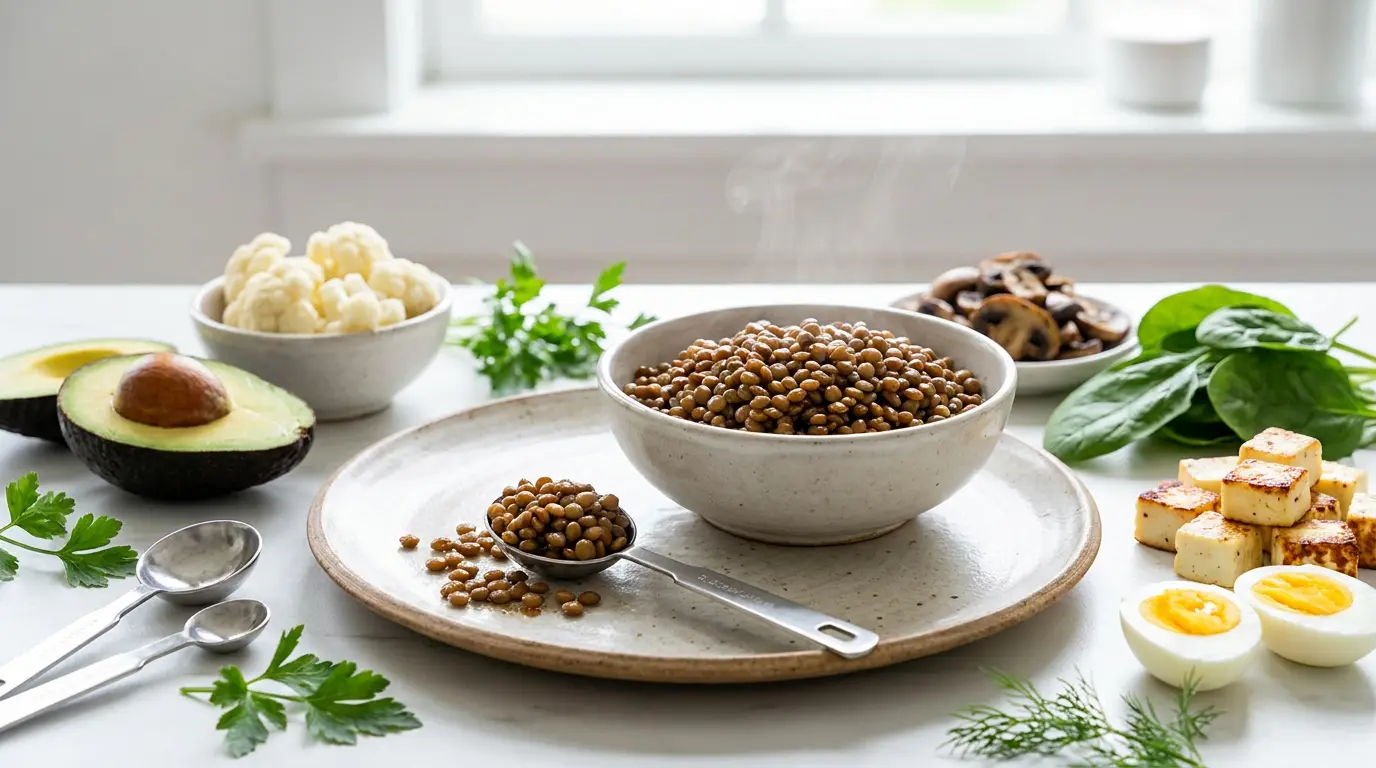
Most lentil-keto articles treat all lentils as interchangeable, but variety matters more than most people realize. Red split lentils cook faster and lose more structural starch during cooking, which slightly concentrates their carbohydrate density per cooked cup. Black lentils (also called beluga lentils) hold their shape and deliver a comparable net carb count to brown and green. The number that shifts slightly between varieties is fiber, which affects the net carb total.
| Lentil Variety | Serving (cooked) | Total Carbs | Fiber | Net Carbs | Keto Verdict |
| Brown/Green | 1 cup (180g) | 40g | 16g | 24g | Avoid on strict keto |
| Red (split) | 1 cup (230g) | 36g | 16g | 20g | Avoid on strict keto |
| Black (beluga) | 1 cup (180g) | ~38g | ~15g | ~23g | Avoid on strict keto |
| Any variety | 1/4 cup (45g) | ~10g | ~4g | ~6g | Possible with strict tracking |
The key takeaway: no lentil variety is truly keto-compatible at a normal meal portion. Red lentils are marginally lower in net carbs per cup, but the difference is not meaningful enough to change the answer. The quarter-cup portion at roughly 6 grams of net carbs is the only serving that realistically fits a strict 20-gram daily limit — and only if the rest of the day’s food is essentially zero-carb.
Lentils Across Diets
Different diet approaches treat lentils very differently depending on how strict the carb limits are and how carbs are timed or avoided.
| Diet type | Carb limit context | Lentils fit | Key idea |
|---|---|---|---|
| Strict keto | 20g net carbs per day | No | Even 1/4 cup uses too much of daily carbs |
| Low-carb | 50g net carbs per day | Sometimes | Small 1/4 cup works if rest of meal is low carb |
| Targeted or cyclical keto | Carbs timed around activity | Occasionally | Small servings used around workouts |
| Paleo | No strict carb limit, avoids legumes | Generally no | Lentils are avoided as they are legumes |
Overall, lentils sit in a middle zone food category. They are easy to include in low-carb eating but usually too carb-heavy for strict keto or paleo approaches.
High-Carb Foods to Avoidand Their Substitutes
This list is not about calling foods good or bad. It’s about helping you spot the foods that can quickly use up your carb range. If your goal is ketosis, these are the items you’ll usually limit first.
1. Lentils. Change the content in table to focus more in substitutes
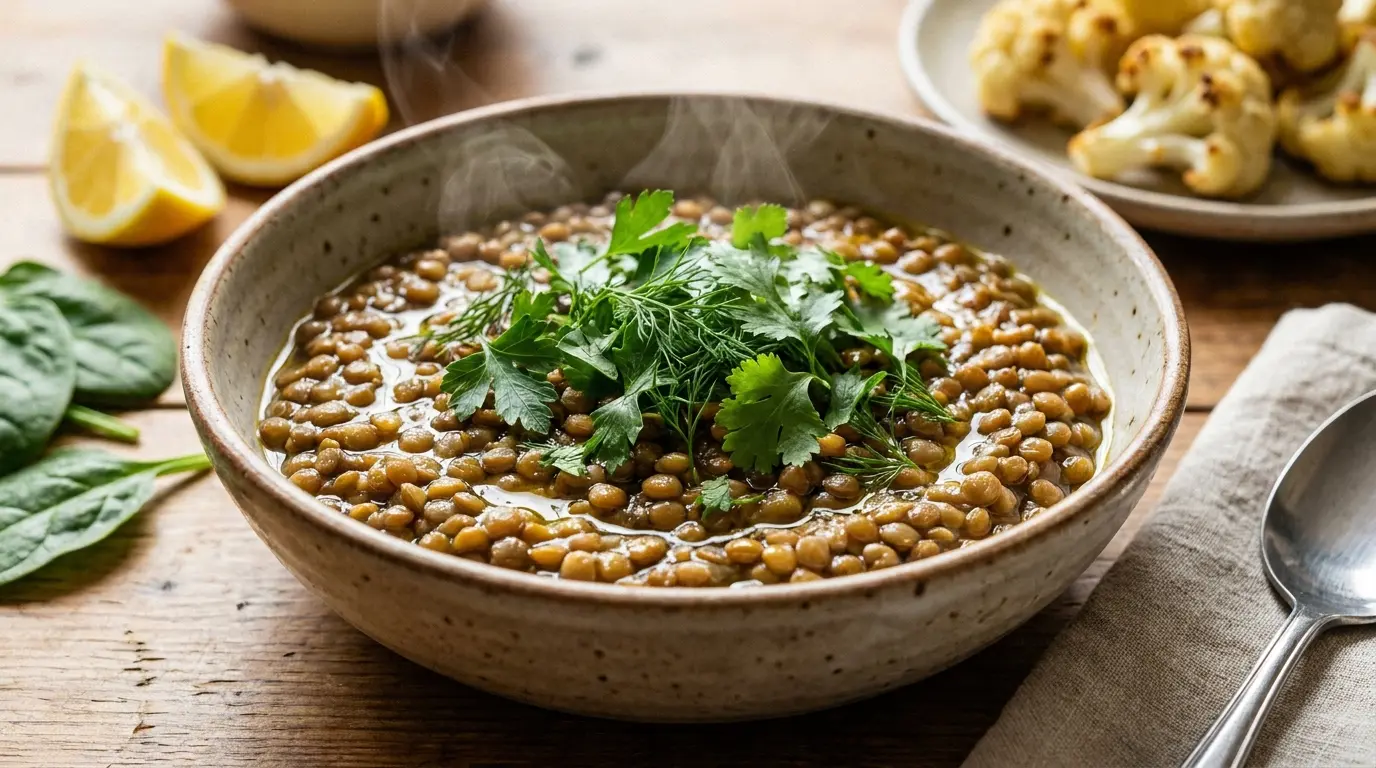
Lentils deserve their own note because they are the main food in question. They are filling and nutrient-rich, but they also bring enough carbs to affect ketosis when eaten as dal, soup, salad, or a full meal base.
| Serving | Keto Impact | Main Keto-Friendly Idea |
|---|---|---|
| 1 cooked cup (≈ 25g net carbs) | Too high for keto meals | Replace as a base with cauliflower rice or mushrooms |
| 1/2 cooked cup (≈ 12g net carbs) | Still a large portion of daily limit | Swap with paneer or tofu as main protein |
| 1 tablespoon (≈ 2–3g net carbs) | Manageable only in tracking | Add spinach or cabbage for bulk |
If you still want lentils, treat them like a small add-on, not the main part of the plate. This helps you keep the flavor without letting a single serving push your daily carb range over the top too quickly.
2. Chickpeas
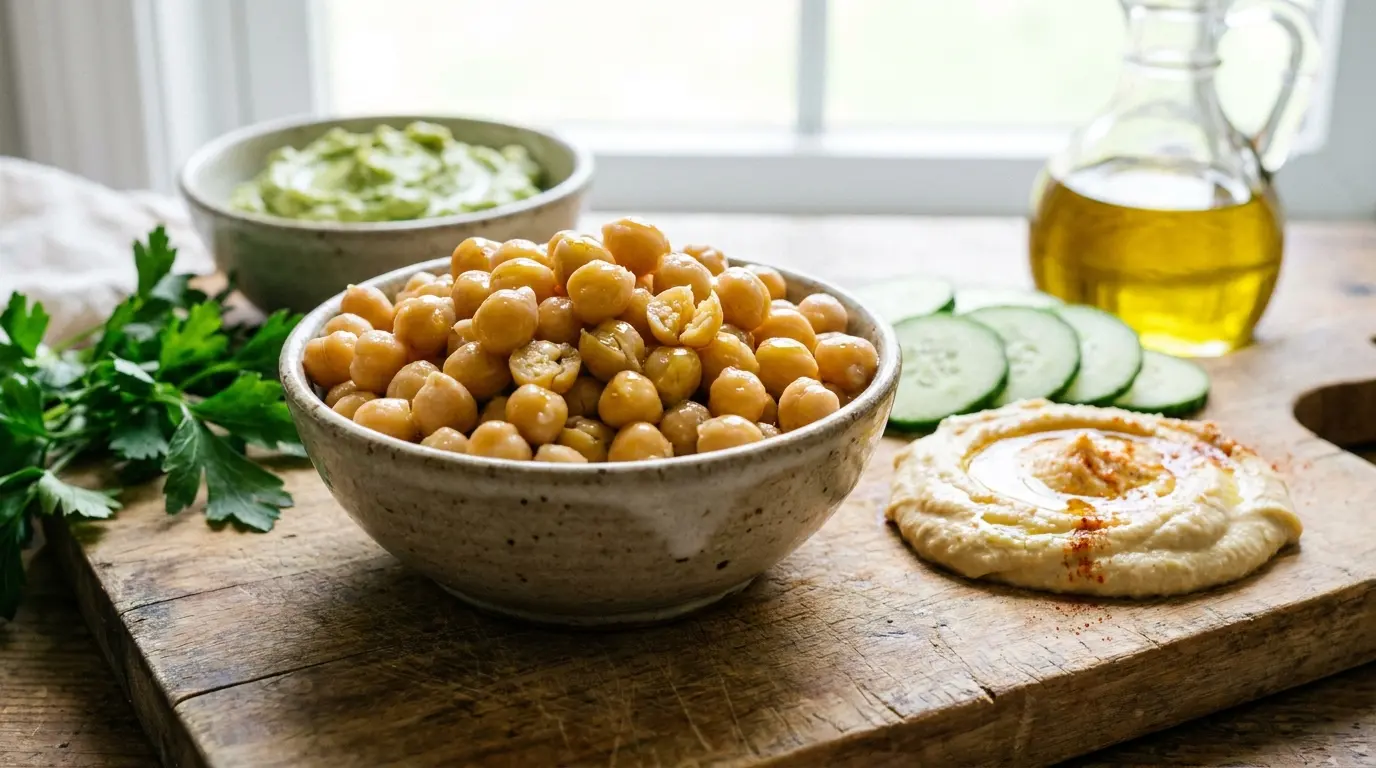
Chickpeas often look keto-friendly because they show up in salads, hummus, and roasted snacks. The issue is portion size. A few bites may seem small, but chickpeas can add carbs fast when you eat them freely.
| Serving | Keto Impact | Main Keto-Friendly Idea |
|---|---|---|
| 1 cooked cup (≈ 32g net carbs) | Too high for keto meals | Use an avocado-based salad or dip base |
| 1/4 cooked cup (≈ 8g net carbs) | Needs careful tracking | Replace with boiled eggs in salads |
| 2 tbsp hummus (≈ 3–4g net carbs) | Small but still counts | Swap with cream cheese dip |
Chickpeas work better when your plan is flexible low-carb rather than strict keto. If you mainly want a dip, crunch, or salad topping, there are easier swaps that keep the meal lower in carbs.
3. Kidney Beans
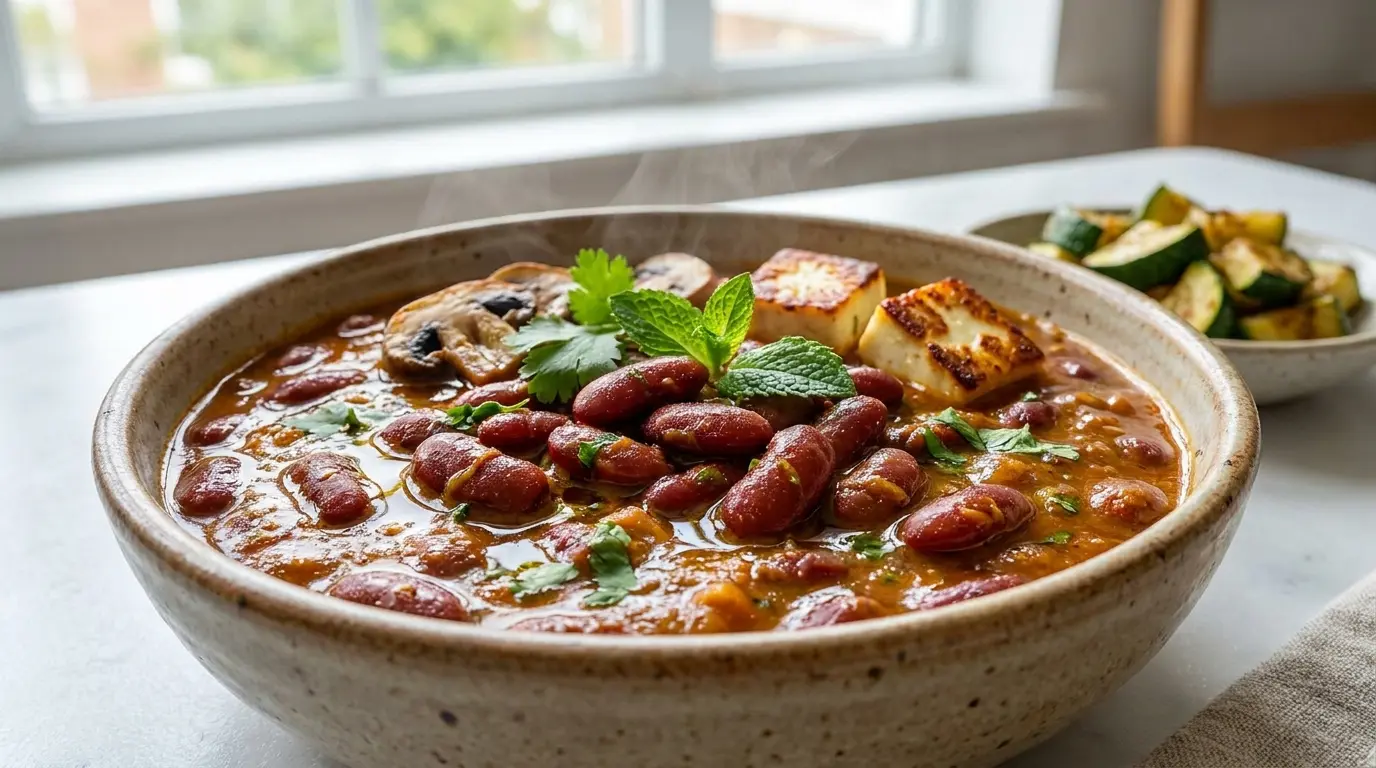
Kidney beans are common in rajma, chili, and bean bowls, so they often serve as a full portion rather than a small side. That is what makes them harder to fit into a strict keto eating pattern.
| Serving | Keto Impact | Main Keto-Friendly Idea |
|---|---|---|
| 1 cooked cup (≈ 27g net carbs) | Too high for keto meals | Replace with mushroom or paneer-based curry |
| 1/2 cooked cup (≈ 13g net carbs) | Still a large carb share | Swap with tofu or ground meat |
| 1/4 cooked cup (≈ 7g net carbs) | Only fits with strict planning | Use cauliflower rice or extra greens |
The main issue is not just the beans. It is the meal built around them. When kidney beans are served with rice, roti, or bread, the total carb load becomes much harder to manage.
4. Rice
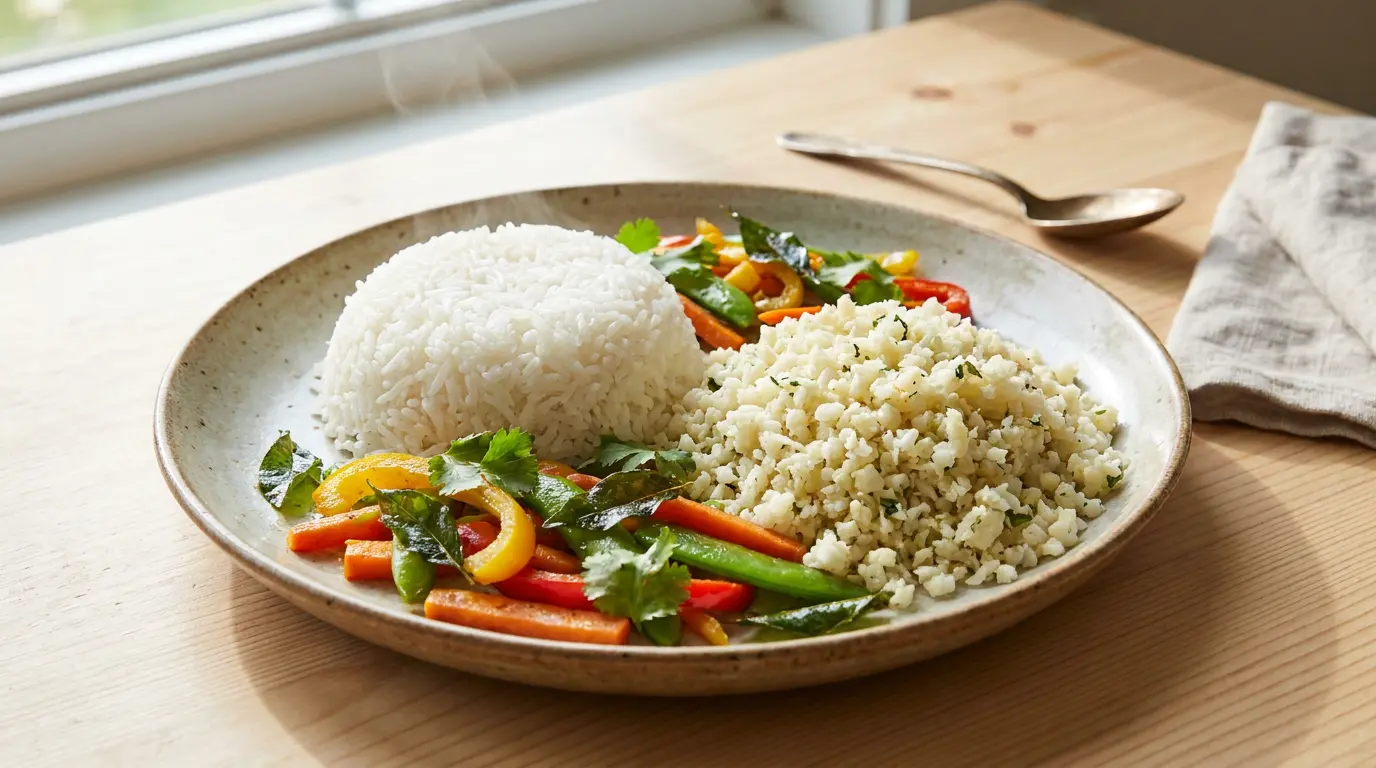
Rice is one of the easiest foods to overeat because it works with almost every curry, dal, and stir-fry. Even a plain serving can take up most of your carb space before adding anything else.
| Serving | Keto Impact | Main Keto-Friendly Idea |
|---|---|---|
| 1 cooked cup white rice (≈ 45g net carbs) | Too high for keto meals | Replace with cauliflower rice |
| 1/2 cooked cup (≈ 22g net carbs) | Still close to daily limit | Use sautéed cabbage instead |
| 1/4 cooked cup (≈ 11g net carbs) | Small but still significant | Add zucchini or leafy greens |
Rice is best replaced by a lower-carb base rather than reduced slightly. A swap like cauliflower rice or cabbage gives you plate volume, while leaving more room for protein, vegetables, and fats.
5. Roti or Wheat Bread

Roti and wheat bread can feel harder to cut because they are part of everyday meals. The problem is that wheat flour adds carbs quickly, and these foods are often paired with lentils, potatoes, beans, or sweet drinks.
| Serving | Keto Impact | Main Keto-Friendly Idea |
|---|---|---|
| 1 medium roti (≈ 15–20g net carbs) | Uses a large part of daily limit | Replace with lettuce wraps |
| 1 slice wheat bread (≈ 12–15g net carbs) | Too high for keto meals | Use egg wraps instead |
| 1 small flatbread (varies, often 15g+ net carbs) | Still carb-heavy | Try almond flour or cheese-based wraps |
The better fix is to change the meal base. Instead of using roti or bread to carry the curry, use sautéed vegetables, lettuce wraps, egg wraps, or a small low-carb flatbread if it fits
6. Pasta
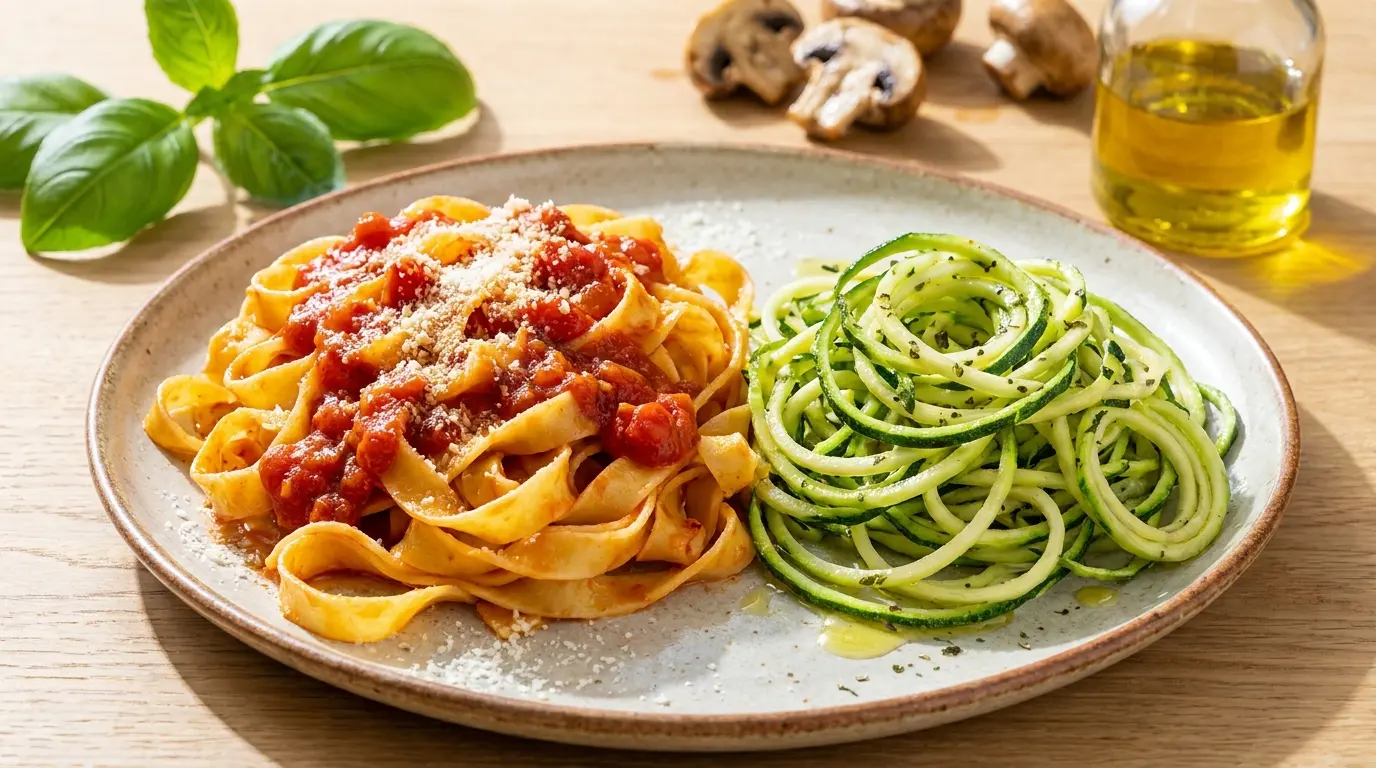
Pasta can seem easy to control, but a measured serving often looks small on the plate. That is why portions grow quickly. Sauces can also add hidden carbs, especially when they contain sugar or extra starch.
| Serving | Keto Impact | Main Keto-Friendly Idea |
|---|---|---|
| 1 cooked cup pasta (≈ 40g net carbs) | Too high for keto meals | Replace with zucchini noodles |
| 1/2 cooked cup (≈ 20g net carbs) | Still significant | Use shirataki noodles |
| 1 cup creamy pasta dish (often 40–60g net carbs) | Very high, sauces add carbs | Swap with chicken + mushroom bowl |
Pasta swaps work best when they match the texture you want. Zucchini noodles feel fresh, shirataki noodles feel lighter, and sliced zucchini or eggplant can replace pasta layers in baked dishes.
7. Potatoes
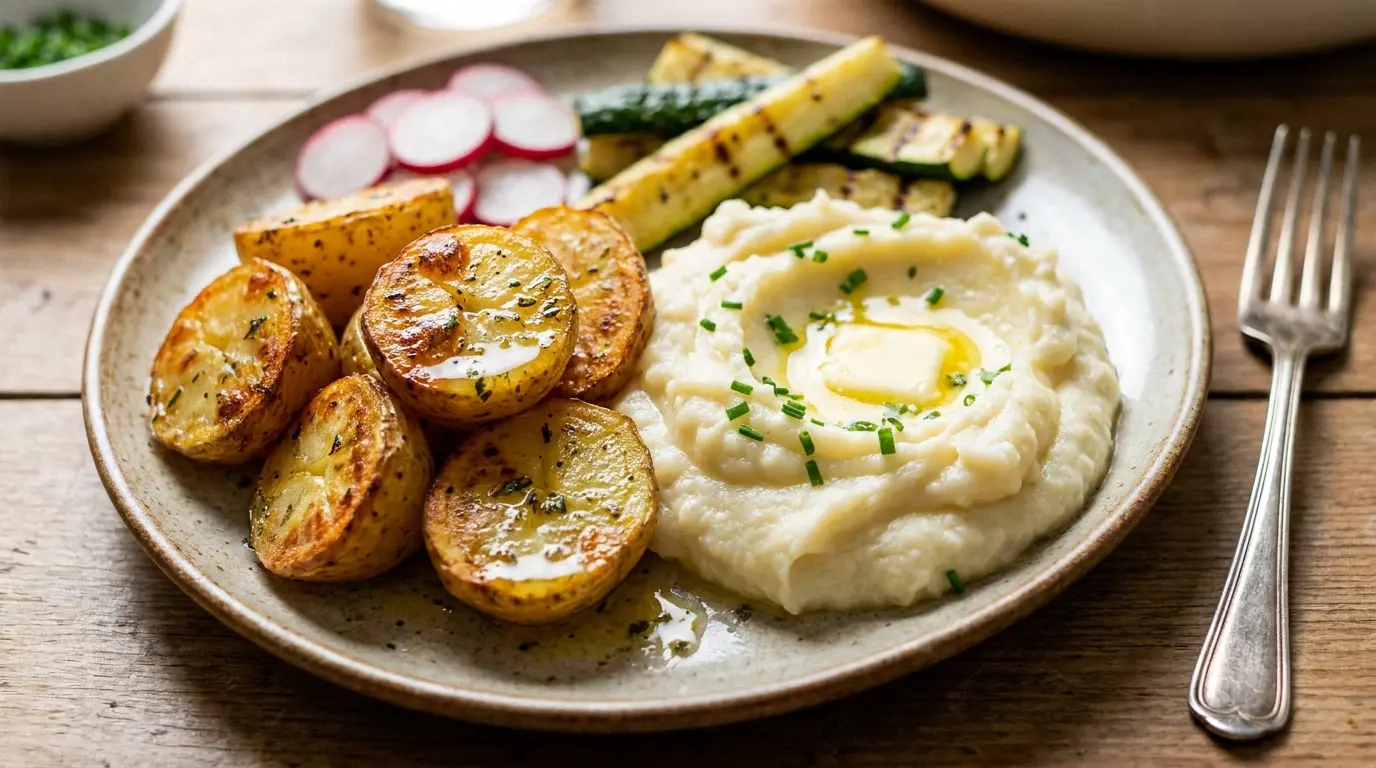
Potatoes are vegetables, but they behave more like a starchy food in a keto meal. Fries, mash, hash browns, and baked potatoes all bring carbs quickly, even before adding sauces, toppings, or another starch.
| Serving | Keto Impact | Main Keto-Friendly Idea |
|---|---|---|
| 1 medium potato (≈ 37g net carbs) | Too high for keto meals | Replace with cauliflower mash |
| 1/2 medium potato (≈ 18g net carbs) | Still carb-heavy | Use zucchini or mushrooms |
| 1 cup fries (≈ 30–50g net carbs) | Easy to overeat carbs | Try baked zucchini sticks |
A lower-carb vegetable will usually work better than a smaller portion of potatoes. Cauliflower, zucchini, mushrooms, or spinach can fill the plate while keeping space for protein and healthy fats.
8. Bananas
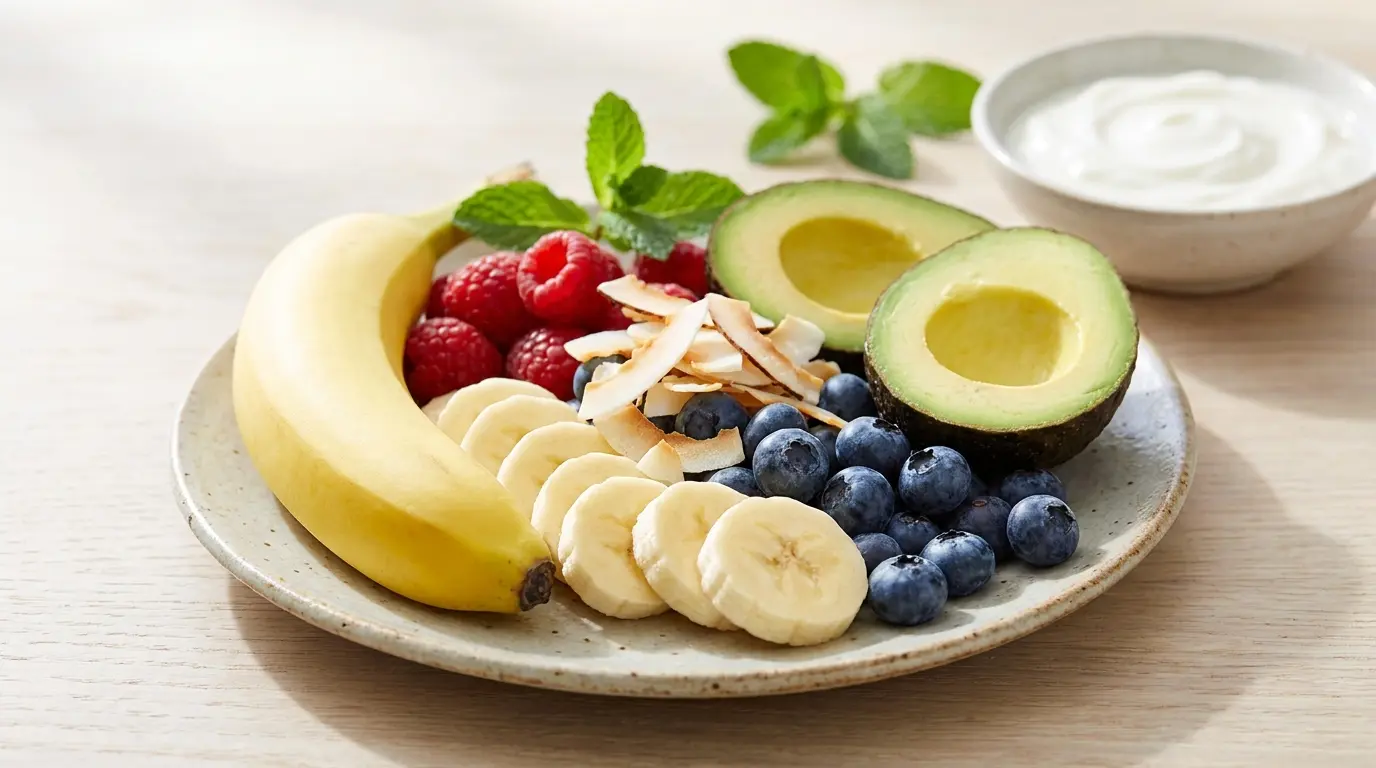
Bananas feel healthy because they are natural, simple, and easy to use in smoothies. For keto, the issue is sugar and serving size. One banana can use too much of your carb range at once.
| Serving | Keto Impact | Main Keto-Friendly Idea |
|---|---|---|
| 1 medium banana (≈ 27g net carbs) | Too high for keto meals | Replace with berries |
| 1/2 banana (≈ 13g net carbs) | Still a large carb portion | Use avocado for creamy texture |
| 1 banana smoothie (often 30g+ net carbs) | Becomes carb-heavy with milk/honey | Try cocoa + avocado smoothie |
If you want sweetness, use a smaller portion of fruit instead of a whole banana. Berries are easier to fit, while avocado, coconut cream, or Greek yogurt can give smoothies a thicker texture
9. Cakes and Sugary Desserts

Desserts are easy to spot, but they still deserve a note because they combine sugar, flour, and large portions. Even small slices can contain more carbs than a full keto meal should.
| Serving | Keto Impact | Main Keto-Friendly Idea |
|---|---|---|
| 1 slice cake (≈ 30–60g net carbs) | Too high for keto meals | Replace with chia pudding |
| 2 cookies (≈ 20–40g net carbs) | Easy to exceed limit quickly | Use Greek yogurt with nuts |
| 1 cup ice cream (≈ 30g+ net carbs) | High sugar load | Try whipped cream with dark chocolate |
The goal is not to make dessert scary. It is to choose treats that fit your plan more often. Low-carb puddings, unsweetened yogurt bowls, or small portions of dark chocolate are easier to manage.
Tips for Eating Lentils on Keto or Low-Carb
Lentils don’t have to feel confusing once you know your goal. The key is to match the portion to your eating style. Strict keto leaves little room for lentils, while low-carb plans may allow small servings. Use these tips to keep lentils from taking over your carb limit:
- Know your keto style first: If you’re following strict keto, it’s better to avoid lentils in regular servings. If your plan is more flexible, you may have room for a small, measured amount.
- Measure before you eat: Don’t scoop lentils from the pot casually. A spoonful and a bowl can affect your carb total very differently, so portion control matters.
- Use lentils as a side: Keep them a small add-on rather than making them the base of your meal. This helps you enjoy the flavor without letting carbs take over the plate.
- Avoid pairing them with starches: Skip rice, roti, bread, pasta, and potatoes when you eat lentils. Pair them with spinach, cauliflower, mushrooms, eggs, paneer, tofu, chicken, or fish instead.
- Choose lower-carb swaps more often: If your goal is ketosis, use cauliflower, zucchini, cabbage, mushrooms, eggs, paneer, or meat as your regular base. Save lentils for rare, tracked portions
Frequently Asked Questions
Do cooked and dry lentils have different carbs?
Yes. Dry lentils look lower by volume before cooking because they haven’t absorbed water yet. Once cooked, the serving size changes. Always track lentils based on the form you eat, not the dry amount, unless your recipe uses dry weight.
Are canned lentils lower in carbs than cooked lentils?
Canned lentils are not automatically lower in carbs. They may feel lighter because they’re packed in liquid, but the carb count still depends on the drained serving size. Rinsing helps reduce sodium, not carbs.
Are lentil chips keto-friendly?
Most lentil chips are not keto-friendly. They’re usually made with lentil flour, starches, oils, and seasonings. Even when marketed as protein snacks, the carbs can add up quickly, especially because chips are easy to overeat.
Can you eat lentils after keto adaptation?
Some people add small amounts of higher-carb foods after they’re keto-adapted, but lentils still need tracking. Keto adaptation doesn’t remove carbs from food. It only means your body may handle your routine better.
Final Thoughts
Are lentils keto? For most people following a strict plan, the answer is no, at least in normal servings. That doesn’t make lentils a bad food.
It just means they fit better in a balanced or lower-carb style than in a very low-carb one. You now know why lentils can be tricky, how portion size changes the picture, and which everyday foods usually cause the same problem.
If you’re building keto meals this week, keep it simple: choose protein, low-carb vegetables, and filling fats first. Then treat lentils as an occasional measured add-on if your carb target allows it. Want an easy next step? Try one meal from the swap list today and notice how steady you feel afterward, too.