
Have you ever wondered why a tiny handful of red threads can cost more than a flight across the country? It is incredibly frustrating to invest in high-end wellness trends only to feel absolutely no difference in your daily energy or mood.
If you are tired of supplements that promise the world but deliver nothing, I want to show you why saffron tea benefits are backed by more than just ancient tradition.
This golden brew interacts directly with your brain chemistry to quiet stress, curb emotional cravings, perhaps paired with a simple guided mindfulness practice, and finally improve your sleep quality.
By the end, you will know how to source real threads and brew a cup that actually works for your goals.
Understanding Saffron Tea and Its Traditional Uses
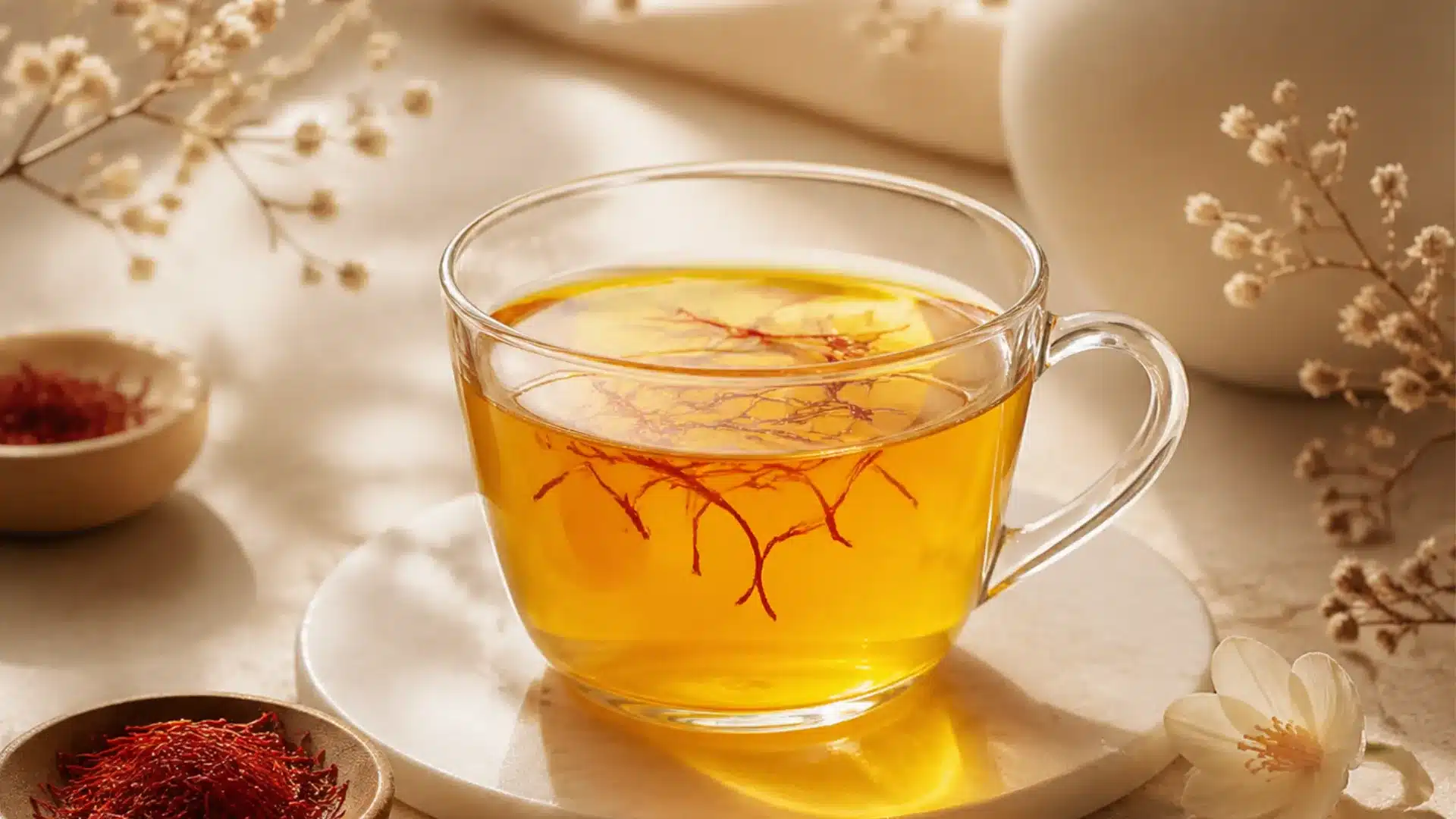
Saffron tea is made by steeping the delicate red strands of the Crocus sativus flower in hot water, releasing its color, aroma, and active compounds.
For centuries, it has been used in traditional systems like Ayurveda and Persian medicine for its calming and restorative properties. People historically turned to saffron for mood balance, digestive comfort, and overall vitality.
Unlike modern supplements, saffron tea offers a natural and gentle way to support wellness through daily habits.
The three primary active compounds responsible for its effects are crocin (responsible for its deep golden color and mood-supporting properties), safranal (its aromatic compound, linked to sleep and anxiety relief), and picrocrocin (its bitter compound, with antioxidant and neuroprotective activity).
Understanding which compound drives which benefit helps you match saffron to your specific goal. Its long-standing cultural use, combined with emerging scientific research, makes it a unique blend of tradition and evidence-based health support in today’s wellness routines.
The Real Benefits of Saffron Tea

Let’s look into how saffron tea can boost your wellbeing. From mood to sleep, this ancient brew offers more than you think.
1. Mood and Stress Support
Saffron contains crocin and safranal, two compounds that raise serotonin availability in the brain. If you are someone like me, whose mood tends to dip without an obvious reason, that is exactly where this matters most.
Multiple clinical trials found that 30mg of saffron extract daily produced mood improvements comparable to low-dose antidepressants, with fewer side effects. The evidence for mild everyday stress and low mood is genuine. Unlike caffeine, what you feel is calmer and steadier.
2. Brain Health and Memory
Crocin present in saffron crosses the blood-brain barrier and acts as an antioxidant there. That detail alone changed how seriously people began taking this spice, because very few of the things you consume actually reach the brain directly.
Early research on older adults with mild cognitive decline suggests it may slow memory deterioration. The science is still developing, but saffron consistently appears to protect your brain cells from oxidative damage
3. Weight Management and Cravings
Cravings are rarely about hunger. More often, they are about stress, boredom, or a dip in mood, and that is exactly where saffron steps in.
Women taking saffron extract snacked significantly less than the placebo group. Serotonin controls appetite signaling, and saffron raises it.
That connection is why your emotional eating tends to quiet down with consistent use. It will not replace a good diet, but it tackles what most diets completely ignore about you.
4. Heart Health Support
Saffron’s antioxidant compounds may help lower blood pressure and improve cholesterol markers, according to several small trials. Crocin has shown anti-inflammatory effects on arterial walls in both lab and human studies.
The effect is mild, and my advice is to treat it as a complement, not a replacement, for what your doctor recommends. For anyone managing early cardiovascular risk through diet and lifestyle, adding saffron tea fits naturally into that daily approach without major disruption.
5. PMS and Hormonal Support
Mood dropping and irritability spiking in the days before your period are signs your serotonin is fluctuating through the luteal phase. What many women do not realize is that this is not just hormones being hormones.
Saffron has shown measurable results in reducing PMS symptoms in clinical trials, and two cups of saffron tea throughout the second half of your cycle can be a practical and gentle place to start.
6. Sleep and Relaxation
Safranal interacts with GABA receptors in the brain- the same receptors that sleep medications target. What saffron doesn’t do is knock you out.
What it does is quiet the mental noise that keeps you staring at the ceiling, a perfect internal match for the calming effects of gentle somatic movement before bed. It’s the only thing that has ever worked for me personally in a way no melatonin gummy ever could.
7. Eye Health and Vision Protection
Crocin and crocetin in saffron have shown a strong ability to protect the photoreceptor cells in your retina from light-induced damage. For me, that connection between a kitchen spice and eye health felt almost too specific to believe until I read the studies.
Saffron supplementation improved visual acuity in patients with age-related macular degeneration. If your screen time is high, this benefit deserves your attention.
8. Anti-Inflammatory Effects
Chronic inflammation is the background noise behind most modern health complaints, and what I find striking about saffron is how quietly it works against that. Kaempferol, one of its active compounds, suppresses inflammatory markers at the cellular level.
You are not going to feel it the way a painkiller hits. What you notice instead is a gradual reduction in stiffness, puffiness, and the low-grade fatigue your body carries silently every day.
9. Digestive Comfort and Gut Support
My digestion has always been where stress shows up first, which is exactly why saffron’s antispasmodic properties caught my attention. It helps relax the smooth muscle lining your gut, reducing cramping and bloating triggered by tension rather than food alone.
Traditionally used across Persian and Ayurvedic medicine for stomach complaints, saffron also appears to support gastric mucosa health. If your gut tightens when your day gets difficult, that is a pattern saffron genuinely speaks to.
10. Blood Sugar Regulation
Crocin has shown an ability to improve insulin sensitivity and reduce fasting blood glucose in early clinical studies. That matters because blood sugar instability is behind more energy crashes, mood swings, and cravings than most people realize.
I think of saffron here as a supporting actor, not the lead. Your diet does the heavy lifting, but adding saffron tea to my morning routine is one low-effort way to give my body an extra tool working quietly in the right direction every single day.
11. Immune System Strengthening
Your immune system runs on antioxidant availability, and saffron delivers kaempferol, safranal, and crocin in a single cup. These compounds reduce oxidative stress, which is one of the primary ways my immune defenses get worn down over time.
What drew me to this benefit is that it is not a dramatic, marketing-style claim. It is quiet, cumulative support that keeps my body less vulnerable exactly when immunity matters most.
12. Libido and Sexual Wellbeing
Saffron improved sexual function in both men and women, particularly where libido had been dampened by antidepressant use. Serotonin and dopamine pathways, the same ones saffron supports for mood, are deeply connected to sexual desire and response.
If stress has quietly flattened that part of your life, saffron works at the root rather than skirting around it, addressing the chemistry beneath the surface rather than working around it.
13. Skin Radiance and Complexion
Saffron has been used in certain cultures’ beauty rituals for centuries, and modern science is finally catching up to what grandmothers already knew. Its anti-inflammatory and antioxidant compounds reduce melanin overproduction, helping even your skin tone from the inside out.
Crocin promotes circulation to surface tissue, giving skin that lit-from-within quality no topical serum can fully replicate. Your skin deserves systemic support, and consistent saffron tea delivers exactly that.
How to Make Saffron Tea

Ingredients: 3–5 saffron strands, 1 cup water, optional honey or milk
How to make it:
- Soak saffron strands in warm water for 5–10 minutes
- Heat a cup of water until hot (not boiling) (ideally 85 to 90°C, boiling water above 100°C can degrade safranal and reduce potency)
- Add the soaked saffron along with the water
- Let it steep for 5–10 minutes
- Add honey or milk if desired, and serve warm
Note: More threads do not mean more benefits. Using over 10 threads daily is unnecessary and edges toward the overuse range. The soaking step is important, dry threads release color quickly but release active compounds more fully after a short soak
Best Time to Drink Saffron Tea
Drinking saffron tea at the right time can enhance its effects on mood, digestion, and overall wellness. Here’s a quick guide to help you choose the best timing based on your goals.
| Goal | Best Time | Why |
|---|---|---|
| Mood support | Morning, after food | Sets serotonin tone for the day; avoid on an empty stomach |
| Appetite/craving control | 30 minutes before lunch or dinner | Reduces hunger-driven snacking |
| Sleep support | 45–60 minutes before bed | Safranal needs time to interact with GABA receptors |
| Hormonal/PMS support | Consistent daily timing matters more than the hour | Builds up over days; consistency is key |
Choosing the right time depends on your personal goals, whether it’s energy, digestion, or relaxation. Consistency matters more than timing, so find what works best for your routine.
How Much Saffron Tea Should You Drink?

Saffron tea is highly potent, so moderation is key to getting its benefits without side effects.
A safe and effective dosage is typically 3–5 saffron strands per cup, which provides enough active compounds like crocin and safranal to support mood, digestion, and overall wellness.
Drinking 1–2 cups per day is generally considered safe for most people. Consuming too much saffron can lead to dizziness, nausea, or other adverse effects, especially in high doses.
At culinary and tea doses (3 to 5 strands per cup), saffron is very safe. The toxicity threshold is considerably higher: doses above 5 grams are considered potentially toxic, and doses above 12 to 20 grams have been associated with serious adverse events.
Standard tea use falls nowhere near this range, but it is worth knowing for anyone tempted to dramatically increase their intake.
Pregnant women and individuals with medical conditions should consult a healthcare professional before regular use. Sticking to small, consistent amounts ensures you enjoy the full benefits safely
Side Effects of Saffron Tea
Saffron tea is safe for most, but some might experience mild side effects. Here are the common ones to watch for:
- Mild nausea: May occur if taken on an empty stomach.
- Slight dizziness: Can happen in sensitive individuals.
- Dry mouth: Some users may experience dry mouth.
- Headache: A few people may feel headaches after consumption.
- Upset stomach: Rarely, it can cause mild stomach discomfort.
- Sleepiness:Some individuals may feel slightly sleepy after drinking it.
- Allergic reaction: People with allergies to flowers in the Iridaceae family may experience a reaction.
- Increased heart rate: In some cases, saffron can cause a mild increase in heart rate.
Pregnancy caution: Saffron at culinary amounts in food is considered safe during pregnancy. However, medicinal-dose saffron supplements (30 mg/day and above) should be avoided during pregnancy. At higher doses, saffron has historically been used to stimulate uterine contractions and carries a risk of miscarriage. Always consult your doctor before using saffron as a supplement if you are pregnant or trying to conceive.
How to Choose Real Saffron
Fake saffron is more common than most people realize. Some products are dyed with corn silk or safflower. Here is how you can tell the difference:
| What to Check | Green Flag (Real Saffron) | Red Flag (Fake Saffron) |
|---|---|---|
| Color | Deep red strands with a slightly orange tip | Uniformly red threads, no orange visible |
| Water Test | Color releases slowly over 15+ minutes | Color bleeds within seconds |
| Smell | Faintly floral with a slight metallic note | Strongly sweet, artificially fragrant, or no smell at all |
| Price | $10 to $20 per gram | Significantly cheaper than $10 per gram |
| Origin | Iranian, Spanish, or Kashmiri with ISO grade labeling | No origin listed, no quality certification |
Quality matters for both your safety and the effectiveness of saffron tea. Low-quality or fake saffron won’t give you the compounds that make the tea worth drinking.
Who Should Drink Saffron Tea?
Saffron tea can benefit a wide range of people looking to improve both physical and mental well-being through natural, plant-based support.
- People dealing with stress and anxiety
- Women experiencing PMS symptoms
- Individuals focused on skin health and glow
- Fitness and wellness enthusiasts
These groups may experience noticeable benefits from regular saffron tea consumption when combined with a balanced lifestyle and consistent routine.
Saffron Tea vs. Other Teas
Not all teas are made for the same purpose. Here’s how saffron compares to the most common alternatives you might be considering
| Tea Type | Key Compounds | Taste Profile | Best Time to Drink |
|---|---|---|---|
| Saffron Tea | Crocin, Safranal | Mild, floral | Morning / Night |
| Green Tea | Catechins, Caffeine | Slightly bitter | Morning |
| Chamomile Tea | Apigenin | Light, soothing | Night |
| Turmeric Tea | Curcumin | Earthy, warm | Evening |
When saffron is worth the cost:When mood regulation, sleep quality, or PMS support is your primary goal. For general antioxidant intake or hydration, green tea or herbal teas do the job at a fraction of the price.
Frequently Asked Questions
Does saffron tea stain teeth or tongue?
Saffron contains natural pigments, but in tea form, it is highly diluted and unlikely to stain teeth. Drinking it regularly is safe, and rinsing your mouth afterward can further minimize any chance of mild discoloration.
Can saffron tea be consumed on an empty stomach?
Some people can tolerate saffron tea on an empty stomach, but others may experience mild nausea. Drinking it after meals is generally more comfortable and may help your body absorb its active compounds more effectively.
Is saffron tea safe for teenagers?
Saffron tea is generally safe for teenagers when consumed in small amounts. It should not be taken excessively or daily without need, and it works best as part of a balanced diet rather than a regular supplement.
Can saffron tea lose potency during storage?
Yes, saffron can lose its potency if exposed to light, air, or moisture over time. Storing it in an airtight container in a cool, dark place helps preserve its flavor, color, and beneficial active compounds longer.
Does water temperature affect saffron tea quality?
Water temperature plays an important role in saffron tea quality. Using boiling water may damage delicate compounds, while warm to hot water helps preserve its aroma, color, and overall effectiveness when steeped properly.
Final Thoughts
Integrating this golden spice into your daily life is a powerful way to support your nervous system from the inside out.
I have found that the real magic happens when you move away from the “luxury” hype and focus on the steady, cellular support these threads provide.
If you are quieting a restless mind before bed or stabilizing your mood during a hectic work week, the wide range of saffron tea benefits makes it a worthy addition to your cabinet.
Now that you can spot a fake and brew a perfect cup, you have everything you need to start. Do you think you’ll try it as a morning boost or an evening ritual? Let me know your thoughts below.