
That musty smell in your home can quietly affect how you feel each day. If you are searching for how to detox from mold, you likely suspect something is not right with your health.
I know how confusing it feels when symptoms build slowly and you cannot pinpoint the cause. Mold exposure can lead to fatigue, brain fog, breathing issues, and long-term inflammation.
In this blog, you will learn what mold exposure really is, how black mold impacts your body, common warning signs, medical testing options, and practical detox steps.
You will also see natural strategies and expert-backed approaches that can support recovery. By the end, you will have a clear understanding of what to do next and how to protect your health.
Understanding Mold Exposure
Mold exposure happens when you breathe in or come into contact with mold spores that grow in damp indoor spaces.
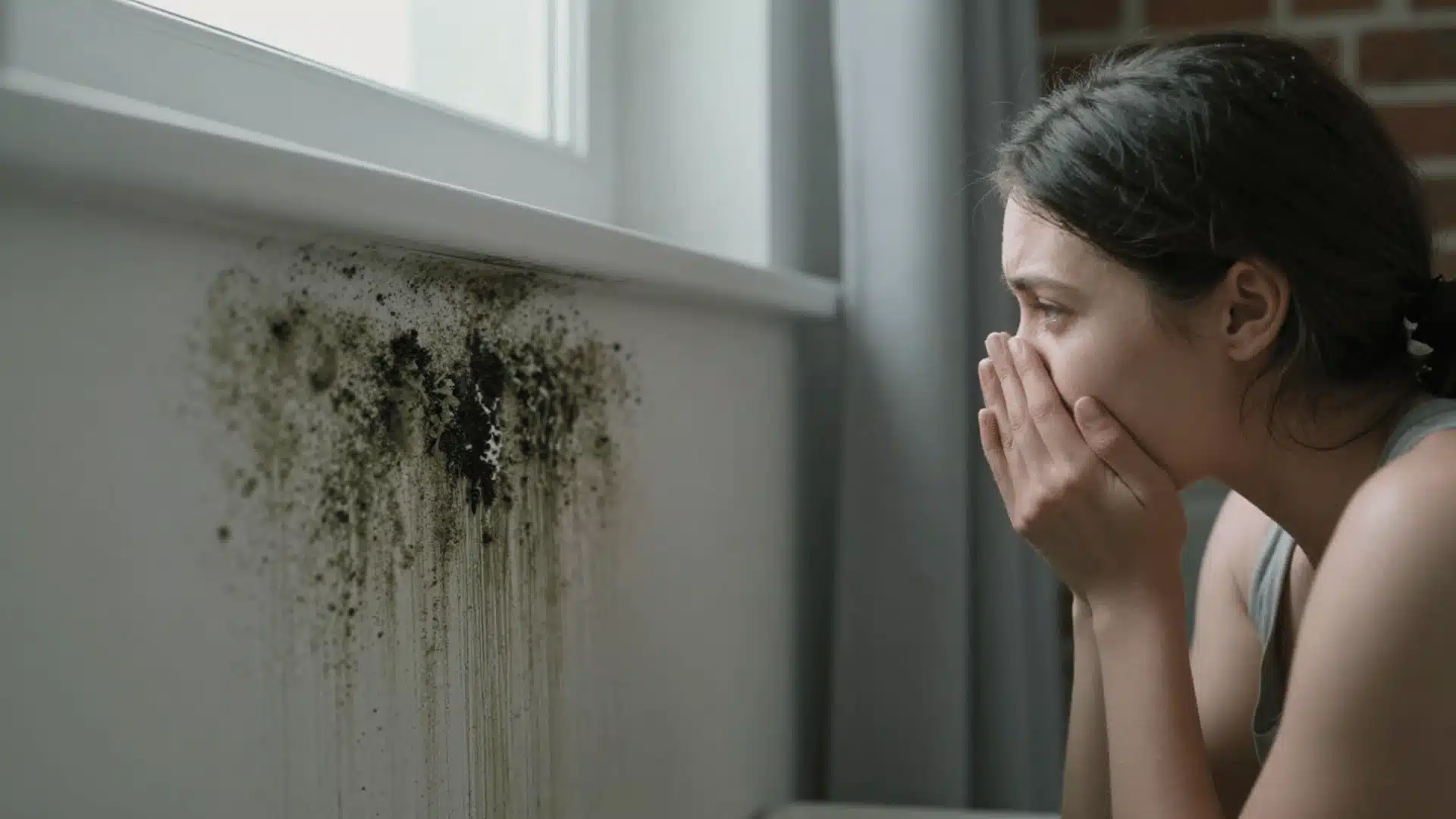
Black mold , known as Stachybotrys chartarum , is one type that can grow on wet drywall, wood, or ceiling tiles after water damage.
Mold spreads through tiny spores that float in the air, especially in places with leaks, flooding, poor ventilation, or humid HVAC systems. Homes, workplaces, basements, and bathrooms are common problem areas.
Some molds produce substances called mycotoxins . These are toxic compounds that may trigger inflammation or immune reactions in sensitive people.
Not everyone reacts the same way, but prolonged exposure to a contaminated environment can increase the risk of respiratory and neurological symptoms.
Symptoms of Mold Exposure

Mold exposure symptoms can vary widely depending on sensitivity, duration of exposure, and overall immune health of the person affected.
Early Symptoms
These symptoms often appear first and may seem mild or similar to allergies, making mold exposure easy to overlook.
- Sinus congestion: Ongoing nasal stuffiness, pressure, or postnasal drip that does not fully resolve with basic allergy treatment.
- Headaches: Frequent dull or pressure-like headaches that worsen indoors or in damp environments.
- Fatigue: Persistent tiredness that feels disproportionate to activity levels or sleep quality.
- Coughing: Dry or irritated cough triggered by airborne mold spores or indoor air exposure.
Neurological Symptoms
In some individuals, mold exposure may affect cognitive and emotional function beyond simple respiratory irritation.
- Brain fog: Difficulty concentrating, slowed thinking, or feeling mentally cloudy throughout the day.
- Memory issues: Trouble recalling words, short-term details, or following conversations clearly.
- Anxiety: Heightened nervousness or unexplained panic that appears during continued exposure.
- Mood changes: Irritability, low mood, or emotional instability without a clear external cause.
Severe or Chronic Symptoms
Long-term exposure or heightened sensitivity may contribute to more systemic and persistent health concerns.
- Hormonal disruption: Imbalances affecting energy, sleep, metabolism, or reproductive hormone levels.
- Immune dysfunction: Increased susceptibility to infections or prolonged recovery from illness.
- Respiratory problems: Wheezing, shortness of breath, or worsening asthma symptoms in sensitive individuals.
- Inflammation: Widespread body aches, joint pain, or chronic inflammatory responses.
The Mold Detox Process: How to Deto x from Mold Safely

Recovering from mold exposure requires a three-part approach: eliminating the source , supporting your body’s natural detox pathways , and seeking professional guidance when symptoms persist.
1. Remove Mold from Your Environment
Start where the problem begins your surroundings. A professional mold inspection can identify hidden colonies behind walls, under floors, or in HVAC systems. For minor surface mold, targeted cleaning with appropriate solutions can help.
Equally important is controlling indoor humidity (ideally below 50%) and improving airflow, as mold thrives in damp, stagnant environments. A clean space is the foundation of any effective recovery.
2. Support Detoxification Naturally
Once your environment is addressed, help your body clear what it has absorbed. Focus on anti-inflammatory, liver-supporting foods like leafy greens, beets, and cruciferous vegetables, paired with consistent hydration to flush toxins.
Supplements such as activated charcoal, glutathione, and binders like cholestyramine are commonly discussed but should be used cautiously and ideally under supervision, as improper use can disrupt nutrient absorption or worsen symptoms.
3. Medical and Professional Interventions
Natural strategies may not be enough for everyone. Depending on symptom severity, doctors may recommend over-the-counter antihistamines, antifungals, or nasal rinses for immediate relief.
For complex or chronic cases particularly those involving CIRS (Chronic Inflammatory Response Syndrome) consulting an environmental medicine specialist or functional health practitioner is strongly advised. Professional testing and tailored treatment plans offer the most reliable path to full recovery
Health Risks of Long-Term Mold Exposure
Long-term mold exposure can gradually weaken multiple systems in your body, leading to lasting health complications if ignored.
- Chronic inflammation: Ongoing exposure may keep your immune system constantly activated, causing widespread inflammation that strains tissues and organs.
- Lung damage: Repeated inhalation of mold spores can irritate lung tissue, potentially leading to reduced breathing capacity over time.
- Immune dysfunction: Mold toxins may weaken immune defenses, making it harder for your body to fight infections effectively.
- Hormonal disruption: Prolonged exposure to toxins can disrupt hormone balance, affecting energy levels, sleep quality, and the stress response.
- Potential neurological impact: In severe cases, toxins may impair cognitive function, leading to memory issues and reduced mental clarity.
Addressing mold exposure early helps reduce these long-term risks and supports healthier recovery outcomes for your body.
Natural Mold Detox Support

Natural strategies are often discussed in mold recovery, but it helps to understand what may support your body and where clear limits exist.
1. Sauna and Sweating
Sauna use may help improve circulation, relaxation, and overall comfort during recovery. Sweating supports normal body processes, and many people report feeling clearer afterward.
However, your liver and kidneys remain your main detox organs. Sauna sessions can support general wellness, but they cannot replace removing mold exposure or receiving proper medical care when symptoms are severe.
2. Nutrition for Mold Recovery
An anti-inflammatory eating pattern may help calm your immune system while your body recovers. Focus on leafy greens, colorful vegetables, healthy fats, and quality protein to support repair and energy.
Protein helps rebuild tissues, while healthy fats support hormone balance. Reducing added sugar may help lower inflammation and stabilize energy levels during recovery.
3. Fasting
Short-term fasting may support metabolic balance and cellular repair in some individuals. However, it is not a proven method for directly removing mold toxins.
Extended fasting can increase physical stress and may not be appropriate for everyone. People who are underweight, pregnant, managing chronic illness, or dealing with hormone imbalances should approach fasting carefully and seek professional guidance.
4. Supplements Commonly Discussed
Bentonite clay and activated charcoal are often used as binders to support digestive elimination. Milk thistle is commonly taken for liver support. Glutathione plays a role in natural detox pathways, and oregano oil is sometimes used for its antimicrobial properties.
While many people discuss these options, responses vary. It is important to use supplements cautiously and ideally under professional supervision.
What Science Says About Mold Det ox and R ecovery
When discussing mold detox, it is important to rely on established research rather than online claims. The World Health Organization (WHO) (2009) clearly states that removing moisture and visible mold is the most effective health intervention.
The U.S. Environmental Protection Agency (EPA) Guide also emphasizes source control as the primary solution.
Research published in Clinical Reviews in Allergy & Immunology (2018) explains how mold exposure can trigger immune and inflammatory responses in sensitive individuals. In certain cases of Chronic Inflammatory Response Syndrome, studies by Dr. Ritchie Shoemaker have evaluated cholestyramine as a prescription binder under supervision.
However, peer-reviewed literature does not strongly support extreme detox cleanses or claims that sweating alone removes all mold toxins. Liver and kidney function remain central to detoxification.
Personal Experiences and Stories of Mold Recovery

Reddit user u/Far_Explanation_226 shared a detailed post in r/ToxicMoldExposure titled “Fully Recovered from Mold Toxicity in 7 Months Using a Natural Detox Protocol.”
In the post, the user described severe neurological and physical symptoms after long-term mold exposure at a workplace.
After leaving the environment and confirming high mycotoxin levels through a US BioTek Laboratories urine test, the user followed a self-directed natural detox routine.
The protocol included weekly 24-hour water fasts, occasional multi-day fasts, daily sunlight exposure, frequent dry sauna sessions, regular exercise, bentonite clay as a binder, herbal supplements like milk thistle and oregano oil, and a whole-food diet focused on healthy fats.
The user reported full symptom resolution after about seven months.
Common Mistakes During Mold Detox
Avoiding common detox mistakes can protect your recovery progress and prevent unnecessary stress on your body during healing.
- Continuing detox efforts while living in a mold-contaminated environment limits progress and keeps triggering inflammation daily.
- Taking excessive binders may interfere with nutrient absorption and medications, potentially causing digestive imbalance or deficiencies.
- Poor water intake slows kidney function and reduces your body’s ability to eliminate circulating waste effectively.
- Prolonged or aggressive fasting can increase stress hormones and weaken recovery, especially without medical supervision.
Avoiding these mistakes helps protect your progress and supports steadier, safer mold recovery over time.
How Long Does Mold Detox Take?
Recovery time after mold exposure varies from person the person. Some people notice improvement within weeks after removing exposure, while others may take several months to feel stable again.
Timeline expectations depend on how long you were exposed, the level of contamination, and how quickly the source was removed. Recovery varies because each person’s immune system, liver function, and overall health are different.
Genetic sensitivity can also play a role. Certain individuals appear more reactive to mold toxins and may experience stronger inflammatory responses.
Age, stress levels, nutrition, and existing medical conditions also influence the rate of healing. Mold detox is usually gradual. Steady improvement over time is more realistic than sudden, overnight recovery.
When Does Mold Exposure Require a Doctor’s Visit?
Mold exposure can affect people differently, and it’s not always easy to know when to push for help. Here are some clear signs it’s time to see a doctor:
- Symptoms that keep coming back, are getting worse, or are affecting your daily life; think brain fog, breathing issues, or constant infections.
- A serious allergic reaction or trouble breathing needs same-day care. Don’t wait on that one.
- Functional medicine or environmental medicine specialists understand mold illness better than a regular GP; they know what tests to run.
- For suspected CIRS, look for a practitioner who offers the VCS test and mycotoxin urine testing as a starting point.
Getting the right help early can make a real difference in how quickly you recover.
Frequently Asked Questions
What are the first signs your body is detoxing from mold?
Temporary fatigue or brain fog often comes first as toxins mobilize. Gradual energy improvement, better sleep, and clearer thinking follow over days to weeks.
Can you detox from mold without leaving your home?
Partial recovery is possible, but full healing is unlikely with ongoing exposure. Reduce humidity, run HEPA purifiers, and use binders to lower your toxic load.
Is black mold exposure permanent? Can you fully recover?
Most people recover fully when the source is removed early. Those with CIRS or genetic susceptibility may take longer but still commonly achieve full recovery.
Final Thought
You now have a clearer understanding of mold exposure, how black mold affects your body, and why symptoms can slowly intensify over time.
From warning signs and long-term risks to testing, medical options, and how to detox from mold safely — everything covered here points back to one priority: removing the source of contamination first.
After that, focus on supporting your body with hydration, balanced nutrition, rest, and medical guidance when necessary. Recovery does not happen overnight, but steady action supports real progress.
If you believe mold is impacting your health, start by evaluating your living space and speaking with a qualified professional. Your well-being deserves attention.
If this blog helped you, share your experience or questions below so others can benefit too.