If you’ve been feeling tired, bloated, or just not like yourself lately, you might be thinking about trying a liver cleanse juice. I’ve been in that same spot, searching for something that feels simple and helpful.
When you look online, you’ll see big promises about clearing toxins fast. It can get overwhelming quickly. Let’s slow it down and make it clear. Here, I’ll share the best liver cleanse juice options you can buy.
I’ll also explain how to detox your liver safely and realistically in 3 days. You’ll learn which ingredients matter, what doctors actually say, and who these juices are right for.
Also share easy recipes you can make at home if you prefer that route. By the end, you’ll know what makes sense for you.
What Is Liver Cleanse Juice, and Does It Actually Do Anything?
Liver cleanse juice contains around 50 to 120 calories per 8-ounce serving, depending on the ratio of fruit to vegetables, and provides a concentrated source of antioxidants, polyphenols, and vitamins that support normal liver function. That is the honest starting point.
Here is what the number actually means for your diet: a liver cleanse juice does not flush, scrub, or medically detox your liver.
What it can do is add useful plant compounds to your daily intake when your diet is short on vegetables. That distinction matters before you spend money on a three-day cleanse program or commit to making your own at home.
| Typical Juice | Serving | Calories | Sugar | Key Compound | Liver Role |
| Beet-based juice | 8 oz | 70-100 kcal | 13-18 g | Betalains, nitrates | Antioxidant support, Phase 2 detox pathways |
| Green vegetable juice | 8 oz | 40-70 kcal | 4-8 g | Chlorophyll, vitamin C | Glutathione production support |
| Lemon-ginger juice | 8 oz | 30-60 kcal | 3-7 g | Gingerols, citric acid | Anti-inflammatory support, bile flow |
The numbers above reflect typical cold-pressed vegetable-led blends. Fruit-heavy cleanses push sugar well above 25 grams per serving, which is worth knowing before you pick a product off the shelf.
| Health Disclaimer: Liver cleanse juice is not a medical treatment and does not diagnose, treat, or cure any liver condition. If you have liver disease, diabetes, kidney disease, are pregnant or breastfeeding, or take prescription medication, speak with your doctor before starting any juice cleanse or significant diet change. |
How Your Liver Actually Works (and Why Juice Cannot Replace It)
Your liver performs over 500 functions every day. It filters roughly 1.4 liters of blood per minute, breaks down alcohol and medications, converts excess glucose into glycogen for storage, produces bile to digest fats, and synthesizes proteins your blood needs to clot.
The number that matters here is this: your liver already runs its own detoxification without any outside help. Phase 1 and Phase 2 detox pathways use enzymes and compounds like glutathione to neutralize and excrete harmful substances through bile and urine.
Where liver cleanse juice becomes relevant is in supporting those existing pathways, not replacing them. Beetroot provides betalains, which have shown antioxidant activity linked to Phase 2 liver enzyme function in a 2021 review published in Antioxidants.
Ginger’s active compounds, gingerols and shogaols, reduce hepatic inflammation in animal and preliminary human studies. Lemon provides vitamin C, which is a cofactor in glutathione synthesis. These are genuine, if modest, contributions. The claim that juice “flushes” the liver is marketing language. The biochemistry does not support it.
Can You Detox Your Liver in 3 Days?
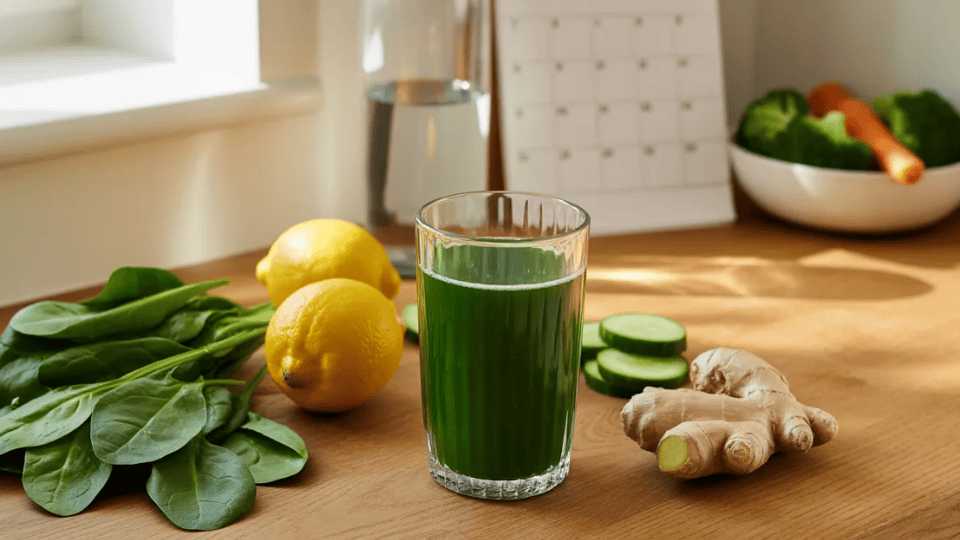
In 72 hours, you can reduce the load on your liver by cutting alcohol, processed foods, and added sugar. Your liver will not be “detoxed,” but it will have fewer inputs to process, which gives it bandwidth to catch up on its normal filtration workload. Hydration improves bile viscosity. A short period of clean eating reduces hepatic fat accumulation slightly. Those are measurable, if modest, outcomes.
What three days cannot do: reverse fatty liver disease, repair alcohol-related liver damage, clear chronic hepatitis, or substitute for medical treatment. The research on liver detoxes from WebMD and Medical News Today is consistent on this point. A 3-day liver cleanse juice plan is useful as a dietary reset, not as a medical intervention.
| Alex’s Take: The number that justifies a 3-day plan is simpler than most people expect. Three days of no alcohol, no fried food, and no added sugar reduces your liver’s daily processing load by a meaningful margin. Adding vegetable juice on top of that gives you a net nutritional gain at very low caloric cost. That is the mechanism. It is practical and real. Just do not expect a 72-hour window to undo months of strain. |
What to Look for When Buying a Liver Cleanse Juice
Choosing the right liver cleanse juice comes down to four label checkpoints that most buyers skip.
1. Ingredient Quality
Organic options reduce pesticide residue exposure, which matters specifically for beet and celery, two crops that tend to carry higher residue loads when conventionally grown.
Non-organic is not automatically unsafe, but it is a variable worth controlling when you are drinking concentrated juice daily for three days.
The stronger signal is the ingredient list itself: whole food ingredients only, no added syrups, no artificial preservatives, and no “natural flavors” standing in for real plant content.
2. Key Liver-Supporting Ingredients
The plant compounds with the most research behind them in a liver support context are beet (betalains), dandelion root (bile flow support in traditional herbal use), milk thistle (silymarin, studied for hepatoprotective effects in clinical settings), lemon (vitamin C, glutathione cofactor), and turmeric (curcumin, anti-inflammatory). These assist normal liver function.
They do not medically cleanse the liver. A juice that lists three or more of these in whole-food form is a better nutritional choice than one that lists “proprietary detox blend” without disclosure.
3. Sugar Content and Calories
This is the most commonly overlooked variable. Many fruit-forward liver cleanse juices exceed 25 grams of sugar per serving, which is the WHO’s recommended daily free sugar limit for an average adult.
Even fructose from whole fruit can spike blood glucose and prompt an insulin response that works against the liver-supporting goal. The better benchmark: look for juices where vegetables outweigh fruit, and where total sugar per 8-ounce serving is below 15 grams.
4. Brand Transparency
A trustworthy brand lists every ingredient, the weight of each ingredient if possible, and clear nutrition facts per serving. Third-party testing certificates for heavy metals and microbial contamination add a meaningful layer of quality control, particularly for cold-pressed products with no preservatives.
Be cautious of any product making rapid detox claims or promising medically significant liver improvements. Those claims are not substantiated by current research.
Best Liver Cleanse Juice Brands You Can Buy
These are the most widely available options in the US that hold up when you check sugar content, ingredient transparency, and sourcing.
| Brand | What It Offers | Best For |
| Karviva Organic Liver & Hormone Detox Juice | Plant-based, cold-pressed blend with no artificial additives | Daily support without added sugar |
| Raw Generation 3 Day Cleanse | Full juice kit with step-by-step plan | Short-term reset program |
| Suja Organic Cold-Pressed Juices | Widely available, low-sugar blends | Everyday hydration and vegetable intake |
When comparing these on the shelf, check the total sugar per serving first, then the ingredient list, then the serving size. A smaller serving size is sometimes used to make sugar content appear lower than it is across a full day of cleansing.
How to Use a 3 Day Liver Cleanse Juice Safely
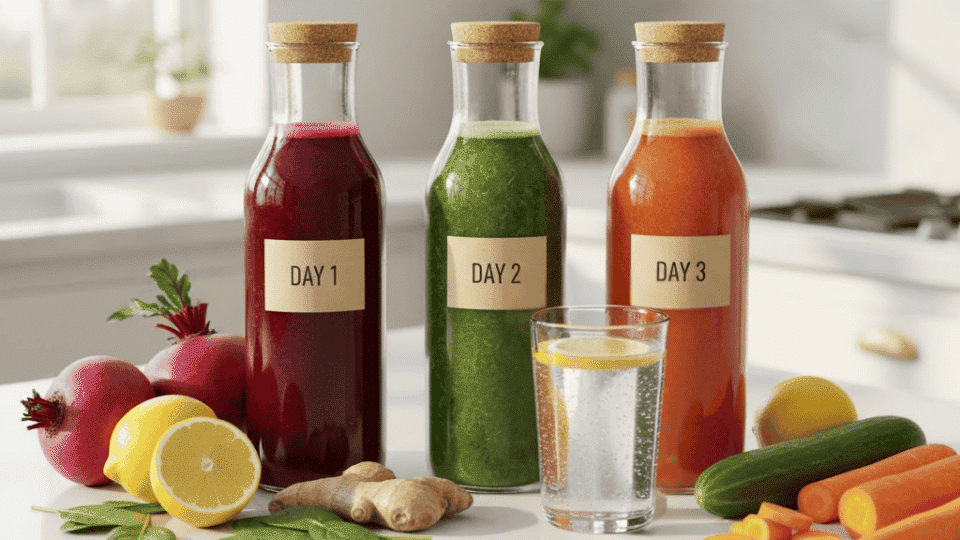
The goal of this plan is to reduce liver load while increasing vegetable and hydration intake. It is not fast. Solid food stays in.
Day 1: Reduce Inputs
Cut alcohol, fried food, and added sugar from the start. Add one to two servings of liver cleanse juice, ideally vegetable-led and under 15 grams of sugar per bottle, distributed throughout the day.
Build your meals around vegetables, lean protein like chicken or fish, and whole grains. Keep water intake above 2.5 liters. The first day is about removing the heaviest items from your liver’s daily workload.
Day 2: Hydration and Fiber
Continue your liver cleanse juice alongside high-fiber foods: leafy greens, salads with raw vegetables, whole fruit like apples and berries. Fiber supports bile excretion through the digestive tract, which is one of the mechanisms by which the liver actually clears cholesterol and fat-soluble compounds.
Add light movement. A 30-minute walk lowers hepatic fat more measurably than any juice combination studied to date. Gentle yoga poses for digestion also support bile flow and bowel transit on day two, which directly assist the liver’s clearance pathway.
Day 3: Consolidate and Return Gradually
Maintain clean eating and consistent juice intake. Choose simple, easily digestible meals: steamed vegetables with brown rice, grilled fish or tofu, light soups.
Get adequate sleep on this night, as the liver performs the majority of its regenerative activity between 11 p.m. and 3 a.m., according to traditional Chinese medicine chronobiology, with modern research supporting that hepatic glucose output and detox enzyme activity both shift with circadian rhythm. Avoid heavy snacks after dinner.
Pre-Packaged Liver Cleanse Juice vs. Homemade: What the Numbers Show
The practical difference between buying and making comes down to cost, control, and convenience. Here is the comparison on the variables that matter most.
| Variable | Pre-Packaged | Homemade |
| Prep time | Zero | 10-15 min per batch |
| Ingredient control | Limited to label disclosure | Full control over quality and ratios |
| Sugar content | Varies by brand (check label) | Fully controllable |
| Cost per serving | $6-12 per bottle | $1.50-3 per batch (equipment aside) |
| Nutrient preservation | Cold-pressed retains more than heat-pasteurized | Best when consumed immediately after blending |
The cost difference is significant across a 3-day plan. Three days of branded cleanse bottles typically run $40 to $80. Three days of homemade vegetable juice from the same ingredients costs under $15 if you already own a blender or juicer. If sugar control matters for your health goals, homemade also gives you the most direct leverage.
Simple Liver Cleanse Juice Recipes You Can Make at Home
Here is what the macro profile looks like for practical, low-sugar recipes worth using in a 3-day plan.
1. Beet Lemon Ginger Juice
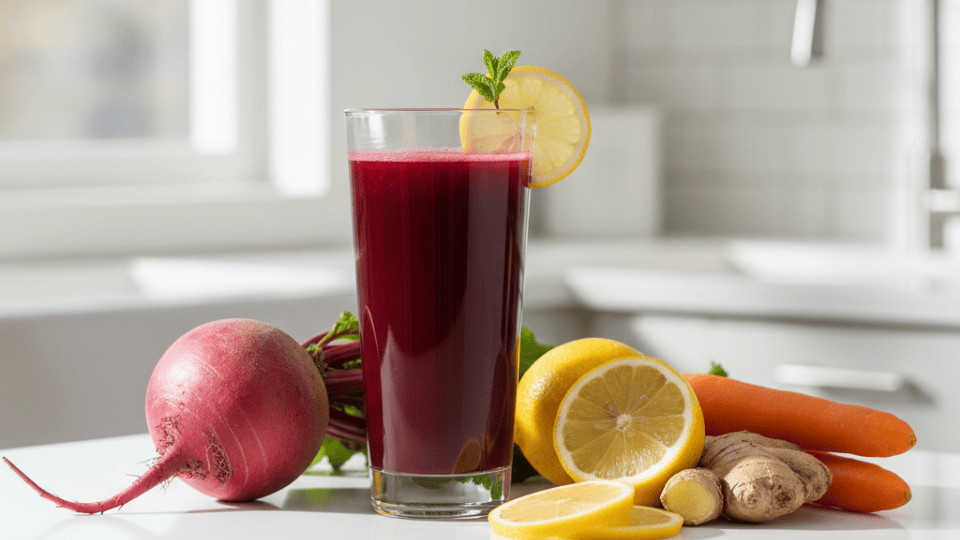
Beet provides betalains and dietary nitrates. Carrots add beta-carotene, a precursor to vitamin A, which the liver stores and uses in cell protection. Ginger contributes gingerols with documented anti-inflammatory properties. The calorie count stays under 100 per serving, and natural sugar lands around 15 grams, mostly from the beet and carrot.
Prep Time: 10 minutes | Servings: 1 large glass (~300ml)
Ingredients: 1 medium beet, peeled and chopped / 1 carrot/juice of 1 lemon / 1 small piece of fresh ginger / 1 cup water
Method: Wash and chop all vegetables into small pieces. Add beet, carrot, ginger, lemon juice, and water to a blender. Blend until completely smooth. Strain through a fine sieve if you prefer thinner juice. Pour into a glass and drink fresh. Consume within 20 minutes for best nutrient retention.
2. Green Liver Support Juice
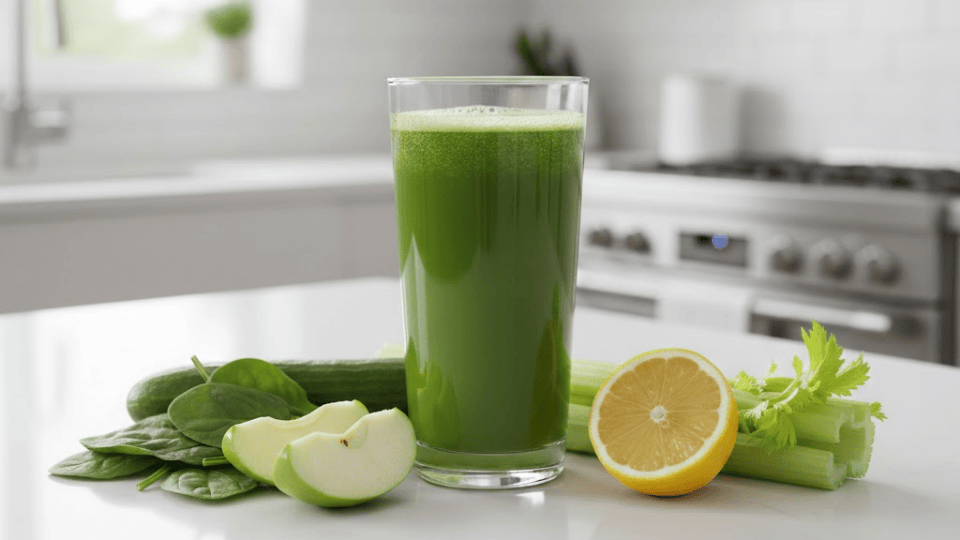
Spinach provides folate and magnesium, both involved in liver methylation pathways. Green apples contribute malic acid, which supports bile production. Celery adds natural sodium and potassium without significant sugar. This juice comes in under 70 calories per serving with around 8 grams of sugar, making it the lower-sugar option between the two.
Prep Time: 8-10 minutes | Servings: 1 large glass (~300ml)
Ingredients: 1 cup spinach / 1 green apple, chopped / 1 celery stalk/juice of 1 lemon/half cucumber / 1 cup water
Method: Rinse all produce thoroughly before using. Chop the apple, cucumber, and celery into small pieces. Add all ingredients to a blender. Blend until smooth and well combined. Strain if preferred and serve immediately.
Who May Benefit From Liver Cleanse Juice
The number that determines whether a liver cleanse juice is useful for you is how many servings of vegetables you average per day.
If your diet regularly falls short of the CDC’s recommended 2.5 cups of vegetables per day, a concentrated vegetable juice adds a meaningful nutritional gap-fill. It is a practical tool for people whose schedules or preferences make hitting that daily target difficult through food alone.
A short juice reset can also be useful after a period of heavier-than-usual alcohol intake, significant processed food consumption, or a run of travel eating where vegetable intake dropped significantly.
The liver processes approximately 90 percent of alcohol consumed, and even a few days of reduced alcohol intake give it a measurable workload reduction. Adding the plant compounds discussed above while keeping calories clean can support that recovery period.
People who are already well-nourished and have consistent vegetable intake, no alcohol use, and low processed food consumption are unlikely to see meaningful benefit from adding a liver cleanse juice.
For them, the money is better spent on whole food variety than concentrated juice. A rotating set of detox smoothie recipes that include protein and fiber alongside vegetables tends to deliver a more complete nutritional profile than juice alone.
Who Should Be Careful Before Trying a Liver Cleanse
Certain groups face real risks from concentrated juice cleanses, not theoretical ones.
People with diabetes or insulin resistance should treat high-sugar juices with particular caution. A beet and apple juice blend can push 20 to 25 grams of sugar per bottle, which creates a glycemic load comparable to a small dessert.
Blood glucose monitoring is essential if you proceed. People with kidney disease should be cautious with high-oxalate greens like spinach in large concentrated doses. High oxalate load from juice has been linked to kidney stone risk and acute renal issues at extreme intake levels.
Pregnant and breastfeeding individuals should avoid herbal-heavy cleanse blends without medical guidance, as some traditional cleansing herbs like dandelion root have insufficient safety data for pregnancy.
People on prescription blood thinners should note that concentrated leafy green juices significantly increase vitamin K intake, which directly affects anticoagulant medication effectiveness. Always check with your doctor if you take any regular medication before starting a concentrated juice regimen.
Common Side Effects of Liver Detox Juices
These are the reactions worth knowing before you start, and the signals that mean you should stop.
Headache: Most common on day one, particularly if you are simultaneously cutting caffeine or processed sugar. Usually resolves within 24 to 48 hours as the body adjusts. A severe or worsening headache is a reason to pause and reassess.
Fatigue: A lower-calorie day one can produce mild energy dips. If you are eating adequate whole food meals alongside the juice, this typically stabilizes by day two. Extreme weakness or dizziness is a signal to stop and eat a balanced meal.
Bloating or Gas: Increased fiber from raw vegetables and juice pulp can temporarily increase digestive gas, especially if your normal diet is low in fiber. This usually settles within one to two days. Persistent or severe abdominal pain warrants stopping.
Blood Sugar Changes: Fruit-heavy juices can produce noticeable energy spikes followed by crashes within 60 to 90 minutes. Choosing vegetable-led, lower-sugar options significantly reduces this effect. People with diabetes should monitor blood glucose closely throughout any cleanse period.
Nausea: Strong herbal blends or high doses of ginger can cause stomach discomfort in some people. Starting with a smaller serving on day one and building up reduces this risk. Repeated vomiting is a clear sign to stop.
| Safety Note: If symptoms feel intense, last more than 48 hours, or interfere with your ability to function normally, stop the cleanse and consult a healthcare professional before continuing. |
How Often Should You Do a Liver Cleanse?
Here is what the frequency question actually means for your diet. Your liver does not require a reset schedule. It operates continuously, filtering blood every minute regardless of whether you are drinking beet juice or not.
The benefit of a structured cleanse is behavioral, not biochemical: it creates a defined period where you actively reduce alcohol, processed food, and added sugar while increasing vegetable intake. That behavior change is the mechanism, not the juice itself.
A periodic approach of once every two to three months is reasonable for people who find the structure useful for resetting habits after periods of heavier eating or travel.
Doing it more frequently than that provides no additional benefit to a healthy liver, and doing a juice-only fast on a weekly or biweekly basis can create nutritional deficiencies over time, particularly in protein and fat-soluble vitamins not well represented in juice form.
The number that matters most is daily, not periodic: consistent vegetable intake, adequate hydration, limited alcohol, and regular physical activity protect liver health far more effectively than any periodic cleanse. People who want a longer reset structure often find that a 7-day detox plan gives their body more time to stabilize clean eating habits before returning to a normal routine.
Frequently Asked Questions
Can liver cleanse juice replace meals?
No, liver cleanse juice should not replace full meals. Juice lacks enough protein, healthy fats, and fiber to support energy, muscle repair, and stable blood sugar. It works better as a supplement alongside balanced meals with vegetables, lean protein, whole grains, and enough water.
Is homemade liver cleanse juice better?
Homemade liver cleanse juice can be better if you want full control over ingredients, sugar, and serving size. It also costs less than many bottled cleanse programs. The main downside is prep time, since fresh juice is best consumed soon after blending or juicing.
What time should I drink liver cleanse juice?
You can drink liver cleanse juice in the morning, between meals, or with a light meal. The best timing depends on your digestion and blood sugar response. Avoid drinking a large fruit-heavy juice on an empty stomach if it makes you feel shaky or hungry quickly.
Can liver cleanse juice help with bloating?
It may help some people feel lighter if it replaces alcohol, fried foods, or heavy processed meals for a few days. However, raw vegetable juice can also cause gas or bloating in people who are not used to higher plant intake. Start with a smaller serving.
Should liver cleanse juice be strained?
Straining creates a thinner juice, but keeping some pulp adds fiber. Fiber supports digestion, fullness, and bile excretion, which can make the drink more useful. If your stomach is sensitive, a smoother strained juice may feel easier to tolerate at first.
Can I drink coffee during a liver cleanse?
You can usually drink coffee during a liver cleanse if it agrees with your body and you are not adding sugar-heavy creamers. Cutting caffeine suddenly may cause headaches. A realistic reset is more about reducing alcohol, added sugar, and processed foods than removing every normal habit.
How much liver cleanse juice is enough?
One to two servings per day is enough for most people using juice as dietary support. More is not always better, especially if the juice is high in sugar. Focus on vegetable-led blends, balanced meals, hydration, and daily habits rather than drinking large amounts.
Can liver cleanse juice cause diarrhea?
Yes, it can cause loose stools in some people, especially if it contains lots of raw greens, ginger, fruit, or sugar alcohols. A sudden increase in liquid plant intake can affect digestion. Reduce the serving size or stop if symptoms are strong or last more than a day.
Final Thoughts
A liver cleanse juice is not magic, and it won’t replace healthy habits. But for some people, it can be a helpful reset when paired with better food choices and hydration. I always say the real goal is long-term support, not quick fixes.
If you decide to try one, choose a product with clean ingredients and low sugar. Keep your expectations realistic. And if you have any health conditions, talk to your doctor first.
If you’re ready to compare the top-rated liver cleanse juice options, scroll back up and check the recommendations. Pick the one that fits your budget and goals, and start smart.
Sources
WebMD, “Can a Detox or Cleanse Help Your Liver?” https://www.webmd.com/fatty-liver-disease/liver-detox
MedicalNewsToday, “Liver cleanse: Does it work?” 2023. https://www.medicalnewstoday.com/articles/320371
MedicalNewsToday, “Juice cleansing: As little as 3 days of fasting may change microbiome.” 2025. https://www.medicalnewstoday.com/articles/juice-cleanses-may-disrupt-microbiome-only-3-days-inflammation-bacteria
Medscape, “Juice Cleanses Likely Good for Nothing, Bad for Much.” May 2025. https://www.medscape.com/viewarticle/juice-cleanses-likely-good-nothing-bad-much-2025a1000dgz