

Crunches and planks have their place, but if months of effort aren’t moving the needle, something is missing. I spent nearly two years in that same loop early in my coaching career.
My clients were consistent and motivated, but their core strength wasn’t improving. The missing piece was almost always resistance.
Your core muscles respond to progressive overload just like any other muscle group. That’s exactly what weighted core exercises deliver.
I’ll walk you through the best weighted core exercises, ones I personally program for clients ranging from beginners to competitive athletes, along with a sample routine you can start this week.
Important Safety Note: These exercises are for general guidance only. If you have a herniated disc, active lower back injury, or pelvic floor issues, consult a healthcare professional before adding resistance to core movements. Stop immediately if you feel pain, numbness, weakness, or worsening symptoms.
What are Weighted Core Exercises?
Weighted core exercises are movements that challenge your abdominal and stabilizing muscles by adding external resistance, such as dumbbells, kettlebells, medicine balls, or weight plates.
Unlike bodyweight-only training, adding resistance forces your muscles to work against a greater load, which drives strength and hypertrophy more effectively over time.
Research by exercise scientist Brad Schoenfeld (2010) confirms this: muscles adapt to increased loads by becoming stronger and larger, and the abdominals respond to this principle just as reliably as the chest or legs.
These exercises target key muscles, including the rectus abdominis, obliques, transverse abdominis, and lower back, improving both stability and functional strength.
Benefits of Weighted Core Exercises
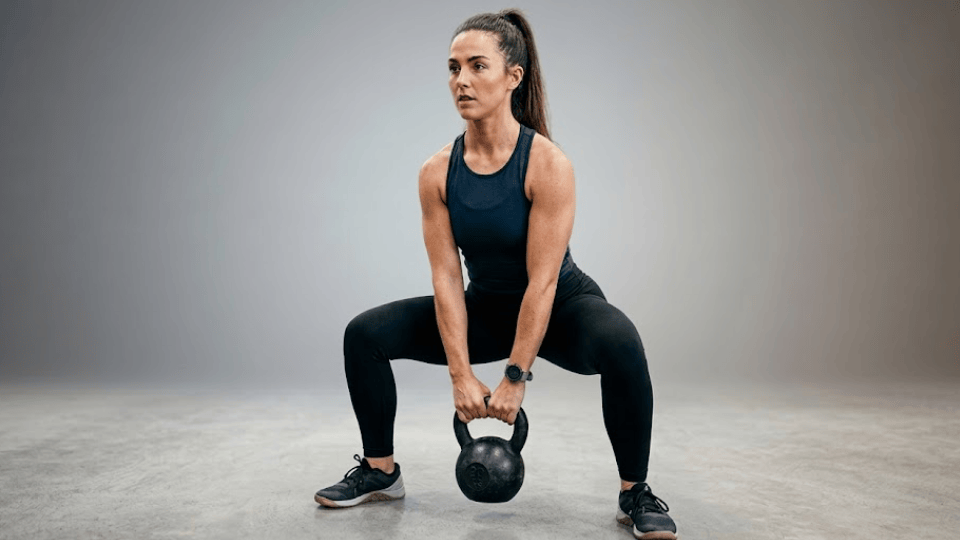
Weighted core exercises take your ab training to the next level, building strength, stability, and performance more efficiently than bodyweight movements alone.
- Progressive overload for stronger abs: Adding weight challenges your muscles, promoting growth and increasing overall core strength.
- Improved core stability and balance: Weighted moves engage deep stabilizers, helping you maintain better balance and posture.
- Improved athletic performance: A stronger core translates to improved power, rotation, and endurance in sports and daily activities.
- Supports heavy lifts like squats and deadlifts: Weighted core training stabilizes the spine, aiding lifts like squats, deadlifts, and overhead presses.
- Time-efficient compared to high-rep bodyweight exercises: You can achieve stronger abs in less time by adding resistance to key movements.
Incorporating weighted core exercises consistently helps you build a stronger, more stable, and functional core while saving time and boosting overall performance.
Best Weighted Core Exercises
These weighted core exercises target all major abdominal muscles, building strength, stability, and definition for a stronger, more functional core.
1. Weighted Russian Twists
This rotational exercise strengthens your obliques and improves torso control, helping you build stronger and more defined side abs.
Steps to follow:
- Sit on the floor with knees bent and feet planted.
- Lean your torso back slightly while keeping your chest lifted.
- Hold a dumbbell or medicine ball close to your chest.
- Rotate your torso slowly to the right, then to the left.
- Continue alternating sides for controlled repetitions.
Beginner weight: 5–8 lbs.
Breathing cue: Exhale as you rotate to each side. Inhale as you return to center.
Avoid rushing the movement or swinging the weight with your arms. Keep the motion slow and driven by your core muscles.
Equipment alternative: Use a water jug or a loaded backpack if you don’t have a dumbbell.
2. Cable Crunches
This powerful weighted ab move keeps constant tension on your core, making it highly effective for building stronger, more defined abs.
Steps to follow:
- Kneel in front of a cable machine with a rope attachment.
- Grab the rope and position your hands beside your head.
- Brace your core and crunch your ribs toward your hips.
- Pause briefly at the bottom of the movement.
- Slowly return to the starting position with control.
No cable machine? Use a resistance band anchored to a door at the top; it closely replicates the constant tension you get from a cable stack.
Breathing cue: Exhale hard at the bottom of the crunch. Inhale on the way back up.
Caution: If you have a herniated lumbar disc, avoid heavy loading on this movement. Use light resistance and prioritize range of motion first.
3. Weighted Plank
This advanced plank variation increases core endurance and stability by adding external resistance to a classic isometric hold.
Steps to follow:
- Start in a forearm plank with your body in a straight line.
- Have a partner place a lightweight plate on your mid-back.
- Brace your core and squeeze your glutes.
- Hold the position while breathing steadily.
- Maintain the plank for your target time.
Beginner weight: 10 lb plate. Work up to 25–45 lbs as endurance builds.
No partner? Use a backpack loaded with books placed across your lower back before getting into position.
Breathing cue: Breathe through your nose in a slow, steady rhythm. Don’t hold your breath, it drops core tension faster than you’d expect.
Avoid letting your hips sag or rise too high. Keep your body rigid and your core fully engaged.
4. Dumbbell Side Bends
This simple yet effective move targets the obliques and improves side-to-side core strength and control.
Steps to follow:
- Stand tall, holding a dumbbell in one hand.
- Place your free hand on your hip for balance.
- Slowly bend to the side toward the weighted hand.
- Pause briefly at the bottom of the movement.
- Return to standing and repeat before switching sides.
Beginner weight: 10–15 lbs.
Breathing cue: Inhale as you lower, exhale as you return to standing.
Avoid leaning forward or backward during the bend. Keep the movement strictly side-to-side and controlled.
Note: Train both sides equally. Asymmetrical oblique strength is one of the most common contributors to lower back discomfort I see in new clients
5. Medicine Ball Wood Chops
This functional exercise builds rotational power and strengthens the entire core through a dynamic twisting motion. It helps improve your coordination and core strength, which is vital for many physical activities.
Steps to follow:
- Stand with feet shoulder-width apart, holding a medicine ball.
- Start with the ball near one shoulder.
- Rotate your torso and bring the ball diagonally across your body.
- Pivot your back foot as you rotate.
- Return to the start and repeat on the same side before switching.
Beginner weight: 6–10 lbs medicine ball.
Equipment alternative: Use a resistance band anchored low or high depending on the chop direction, low-to-high or high-to-low both work well.
Breathing cue: Exhale forcefully through the chop. Inhale on the return.
Avoid using only your arms to move the ball. Drive the movement through your hips and core rotation.
6. Weighted Leg Raises
This challenging lower-ab exercise increases intensity by adding resistance to the classic leg raise movement. It effectively targets the lower part of your abs, building strength and control.
Steps to follow:
- Lie flat on your back with legs extended.
- Hold a light dumbbell between your feet or use ankle weights.
- Press your lower back gently into the floor.
- Raise your legs slowly toward the ceiling.
- Lower them back down with control without arching your back.
Beginner weight: 3–5 lbs between the feet, or light ankle weights.
Breathing cue: Exhale as you raise your legs. Inhale as you lower them slowly.
Avoid swinging your legs or letting your lower back lift off the floor. Move slowly to keep tension on your abs.
Progression tip: Once you can complete 3 sets of 12 with a flat lower back, increase to the next weight increment.
7. Turkish Get-Up
This full-body stability exercise heavily challenges your core while improving coordination and shoulder control. It improves functional strength and balance, making it perfect for overall core conditioning.
Steps to follow:
- Lie on your back holding a light kettlebell in one hand.
- Bend the same-side knee and plant your foot on the floor.
- Press the weight upward and rise onto your elbow.
- Continue standing up while keeping the weight overhead.
- Reverse the Steps to follow to follow slowly to return to the floor.
Beginner weight: 8–12 lbs kettlebell. Do not rush to load this movement.
Breathing cue: Breathe steadily throughout. Don’t hold your breath at any transition point
Avoid rushing through the phases. Move slowly and deliberately to maintain full-body control.
8. Farmer’s Carry
This functional carry builds real-world core strength by forcing your torso to stay stable while walking under load. It challenges your body’s ability to stay strong while moving.
Steps to follow:
- Stand tall, holding a heavy dumbbell in each hand.
- Brace your core and pull your shoulders down.
- Walk forward with short, controlled Steps to follow to follow.
- Keep your chest up and posture tall.
- Continue for the planned distance or time.
Starting load: 25–35 lbs per hand for most beginners. Scale down if you can’t maintain upright posture.
Breathing cue: Breathe normally throughout the walk. Avoid breath-holding, which spikes blood pressure unnecessarily under load.
Avoid shrugging your shoulders or leaning forward. Stay upright and controlled throughout the walk.
9. Suitcase Carry
This single-sided carry creates a strong anti-tilt challenge for your obliques and deep core stabilizers. It forces your body to resist leaning, strengthening your core’s ability to stabilize under load.
Steps to follow:
- Stand tall, holding one heavy dumbbell at your side.
- Brace your core and keep your shoulders level.
- Walk forward slowly and steadily.
- Keep your torso perfectly upright.
- Switch hands after completing the distance.
Starting load: 20–30 lbs.
Breathing cue: Breathe normally. The challenge here is postural, not cardiovascular.
Avoid leaning toward the weighted side. Focus on resisting the pull of the weight.
Progression marker: If you can feel yourself leaning even slightly toward the weighted side, the weight is too heavy for where you are right now.
10. Weighted Dead Bug
This controlled movement strengthens deep core stabilizers while improving coordination between your arms and legs. It helps develop better overall core strength and stability during dynamic movements.
Steps to follow:
- Lie on your back holding a light dumbbell above your chest.
- Lift your legs into a tabletop position.
- Slowly extend the opposite arm and leg away from your body.
- Pause briefly while keeping your lower back pressed down.
- Return to the start and alternate sides.
Beginner weight: 3–5 lbs. Alternatively, use wrist and ankle weights to add resistance without gripping a dumbbell.
Breathing cue: Exhale slowly as you extend the arm and leg. This naturally activates the deep core and keeps your lower back from arching.
Avoid arching your lower back during the movement. Keep your ribs down and move slowly.
11. Dumbbell Toe Touches
This upper-ab-focused exercise adds resistance to a crunch pattern for greater muscle engagement. It challenges your abdominal muscles, particularly your upper abs, to work harder and build more strength.
Steps to follow:
- Lie on your back holding a dumbbell above your chest.
- Lift your legs straight toward the ceiling.
- Reach the weight toward your toes by lifting your shoulders.
- Pause briefly at the top.
- Lower back down with control.
Beginner weight: 5–8 lbs.
Breathing cue: Exhale as you reach up. Inhale as you lower.
Form check: Your shoulders should lift off the ground, not your neck. If you feel strain in your cervical spine, lighten the weight immediately.
Avoid pulling on your neck or using momentum. Focus on lifting through your upper abs.
12. Weighted Hollow Hold
This isometric core exercise builds deep abdominal endurance and teaches proper full-core bracing. It helps improve your ability to maintain stability during static positions.
Steps to follow:
- Lie on your back holding a lightweight overhead.
- Lift your shoulders and legs slightly off the floor.
- Press your lower back firmly into the ground.
- Hold the hollow position while breathing steadily.
- Maintain the hold for your target time.
Beginner weight: 5 lbs overhead. If your lower back lifts, raise your legs slightly higher before adding weight.
Breathing cue: Take short, controlled breaths through your nose. Don’t exhale fully — maintaining slight intra-abdominal pressure helps hold the position.
Avoid letting your lower back arch. If needed, raise your legs slightly higher to maintain proper form.
13. Kettlebell Windmills
This advanced movement combines core strength, shoulder stability, and hip mobility into a single controlled exercise. It’s an excellent choice for improving full-body stability and coordination.
Steps to follow:
- Stand with feet slightly wider than shoulder-width.
- Press a light kettlebell overhead with one arm.
- Slowly hinge sideways while keeping eyes on the weight.
- Lower your free hand toward your leg or floor.
- Return to standing and repeat before switching sides.
Beginner weight: 8–12 lbs. This is not a movement to rush into. Spend time on the hip hinge and shoulder stability patterns separately before combining them here.
Breathing cue: Inhale as you lower. Exhale as you return to standing.
Avoid bending forward instead of sideways. Move slowly and keep the kettlebell stable overhead.
14. Weighted Reverse Crunch
This lower-ab-focused move increases difficulty by adding resistance to the hip-lifting motion. It isolates the lower abdominal muscles and enhances your core control.
Steps to follow:
- Lie on your back holding a light dumbbell between your feet.
- Bend your knees slightly.
- Curl your hips upward toward your chest.
- Pause briefly at the top.
- Lower your hips back down slowly.
Beginner weight: 3–5 lbs between the feet.
Breathing cue: Exhale as your hips curl up. Inhale as you lower.
Progression tip: Once 3 sets of 12 feels easy with a flat lower back throughout, increase by 2–3 lbs.
Avoid swinging your legs for momentum. Focus on lifting with your lower abs.
15. Pallof Press (Weighted Anti-Rotation Press)
This anti-rotation exercise strengthens deep core muscles and improves spinal stability. It helps you build a strong, stable midsection by resisting twisting forces.
Steps to follow:
- Stand sideways to a cable machine or resistance band.
- Hold the handle at chest height.
- Press the handle straight out in front of you.
- Hold briefly while resisting rotation.
- Bring the handle back and repeat.
No cable machine? Anchor a resistance band to a door frame at chest height; it works just as well and is a staple in my home gym programming.
Breathing cue: Exhale as you press out. Inhale as you pull back. Keep your breath controlled; this is where most people unconsciously hold it.
Avoid twisting your torso during the press. Keep your hips and shoulders square the entire time.
Sample Weighted Core Workout Routine
This simple, weighted core workout routine helps you build strength progressively, if you’re a beginner or an advanced exerciser, while keeping your training structured and effective.
| Level | Exercises | Sets x Reps / Time | Rest |
|---|---|---|---|
| Beginner Routine | Weighted Dead Bug, Weighted Russian Twists, Weighted Plank | 2–3 sets each10–12 reps per side20–30 sec hold | 45–60 sec between sets |
| Intermediate Circuit | Cable CrunchesDumbbell Side BendsWeighted Leg RaisesSuitcase Carry | 3 sets each12–15 reps20–30 meters carry | 45 sec between exercises |
| Advanced Core Finisher | Turkish Get-UpMedicine Ball, Wood Chops, Weighted Hollow HoldFarmer’s Carry | 3–4 sets6–8 reps per side30–45 sec hold | 60–90 sec between sets |
Weekly Frequency: Perform this routine 2–3 times per week on non-consecutive days for best recovery and strength gains.
Follow this routine consistently, increase weight gradually, and your core strength and stability will improve faster while keeping your workouts challenging and efficient.
Final Thoughts
Building a strong core isn’t just about looks; it’s about feeling more stable, moving better, and protecting your body during everyday life and heavy lifts.
By adding resistance to your core training, you’re giving your muscles the challenge they need to actually grow and get stronger over time.
I hope this gave you a clear starting point, if you’re picking up a dumbbell for the first time or adding cable crunches to an already solid routine. The key is to stay consistent, focus on form, and slowly increase the weight as you get stronger.
Ready to put this into action? Pick some exercises from this list, add them to your next workout, and see how your core responds. You’ve got this!