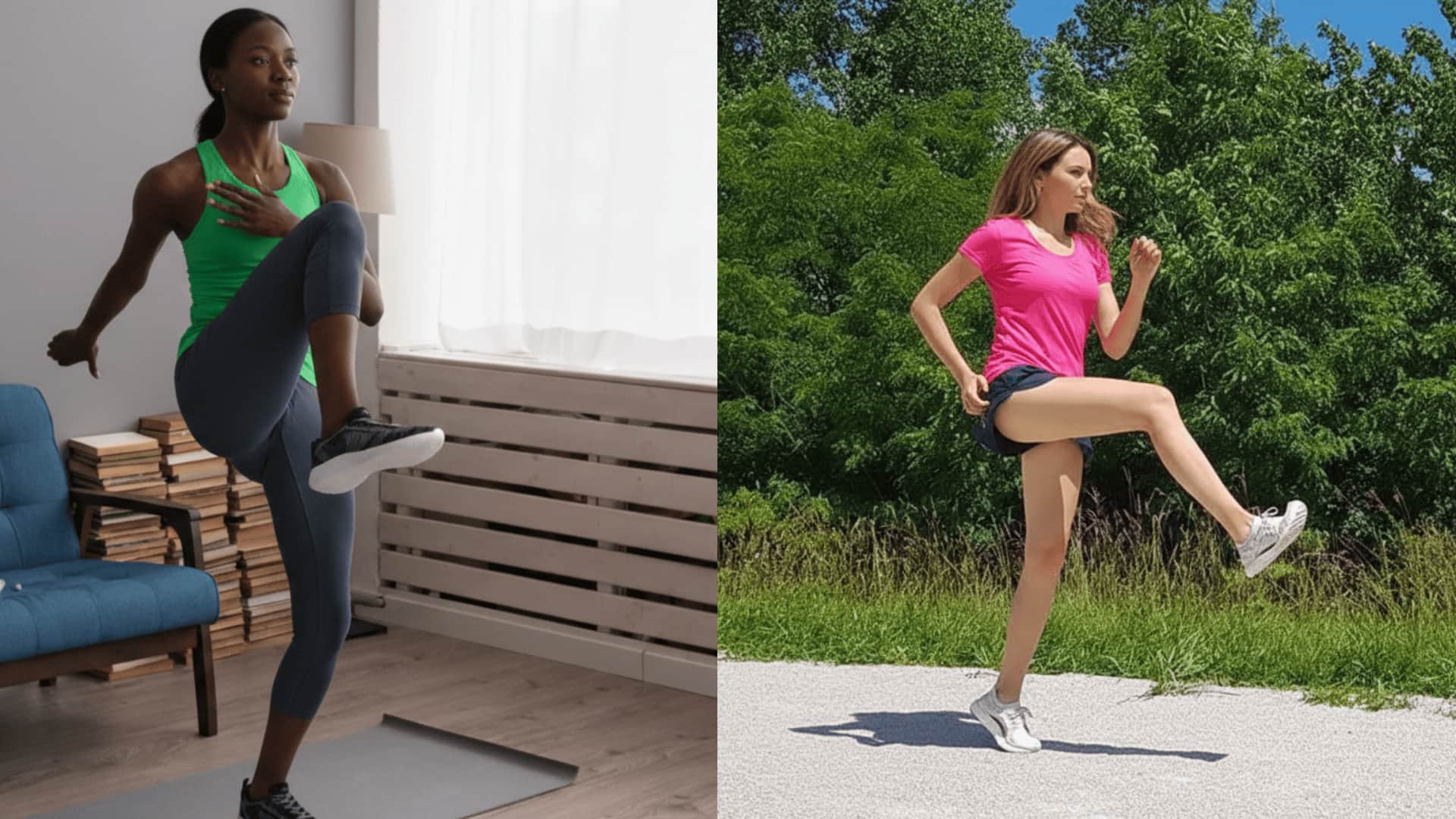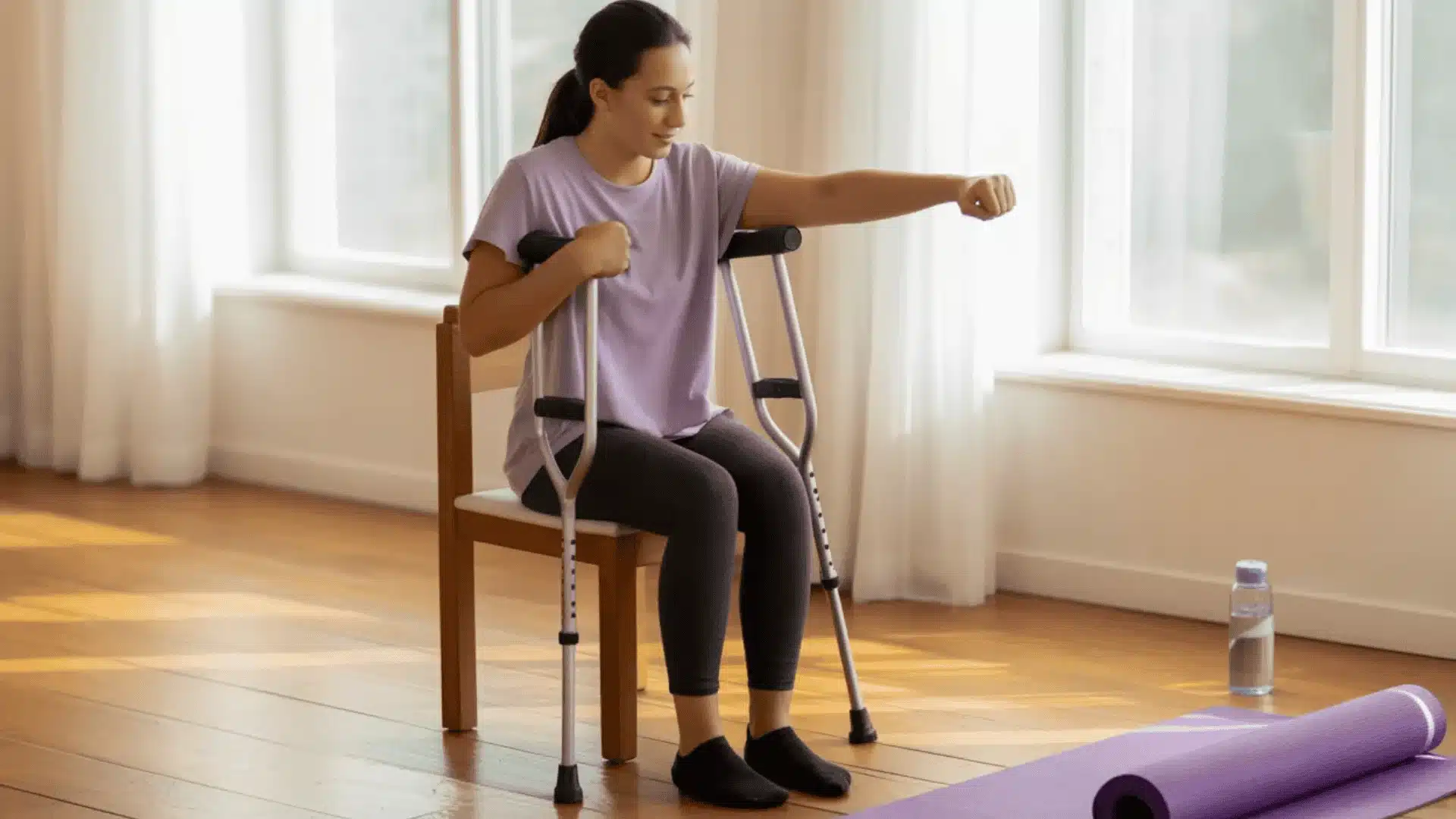


I’ve always been curious about how our bodies naturally clean themselves, and recently I learned about the lymphatic system, a key part of our immune and detoxification processes.
I noticed that when my energy was low or I felt bloated, it was sometimes linked to sluggish lymph flow. That’s when I started exploring ways on how to detox your lymphatic system naturally.
Here, I’ll share simple, everyday methods that really work, from staying hydrated and eating the right foods to gentle exercises, dry brushing, and deep breathing techniques.
These practices are easy to add to your routine and don’t require fancy equipment. By the end, you’ll have a practical manual to boost your lymphatic health and feel more energized.
Understanding the Lymphatic System
The lymphatic system is a crucial part of your body’s defense and detox network. It consists of a network of vessels, nodes, and organs that transport lymph, a fluid containing immune cells and waste products, throughout the body.
Unlike the circulatory system, the lymphatic system doesn’t have a pump, so it relies on muscle movement, breathing, and body activity to keep the fluid flowing.
This system helps remove toxins, fight infections, and maintain fluid balance, keeping tissues healthy and reducing swelling. When your lymphatic system works well, it supports better immunity, energy, and overall wellness.
Simple daily habits like gentle exercise, hydration, and massage can help keep lymph moving efficiently and maintain your body’s natural detox process..
How to Detox Your Lymphatic System Naturally
Keeping your lymphatic system moving is easier than you might think. Simple daily habits can help your body eliminate toxins, boost energy, and support overall health. Here are some natural ways to get started:
1. Lymphatic Massage

Your lymphatic system depends on movement, not a central pump like your heart, to keep fluids circulating properly every day.
What it is: Lymphatic drainage massage is a gentle technique that uses light, slow strokes to encourage lymph fluid to move through your body more efficiently.
How it supports fluid movement: Your lymphatic system doesn’t have a pump like your heart. This type of massage helps push excess fluid toward lymph nodes, where waste is filtered and removed.
Self-massage basics: Use soft pressure with your fingertips. Move in upward strokes toward your neck, armpits, or groin where lymph nodes are located. Keep movements slow and steady.
2. Dry Brushing at Home

Your skin contains many small vessels close to the surface that respond to light, consistent stimulation and gentle manual pressure.
How it works: Dry brushing uses a firm, natural bristle brush on dry skin to gently stimulate circulation and encourage lymph movement just beneath the surface.
How to Do It Properly: Start at your feet and brush upward using long, light strokes toward your heart. Move from hands toward shoulders. Use gentle pressure, not force.
Best time to do it: Morning works well before showering. It can help you feel refreshed and ready for the day.
Safety tips: Avoid broken, irritated, or sensitive skin. Keep strokes light. Stop if you notice redness, discomfort, or skin irritation
3. Rebounding (Mini Trampoline Exercise)
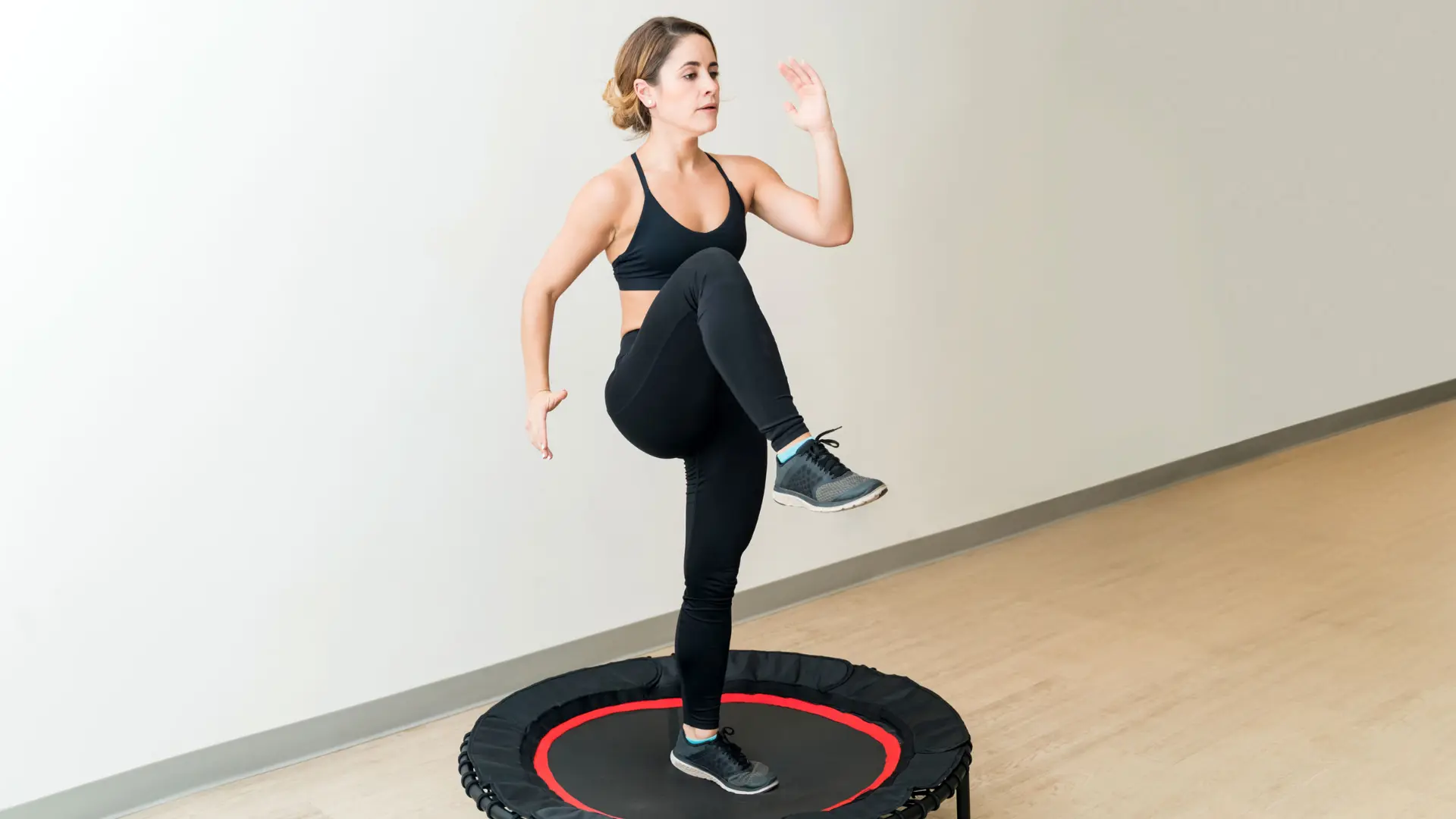
Rebounding is a low-impact activity that supports circulation while being gentle on joints and easy to add weekly.
Why bouncing stimulates lymph flow: Your lymphatic system relies on body movement to circulate fluid. Gentle bouncing creates repeated changes in gravity and muscle contraction, helping lymph move more freely through vessels and toward lymph nodes.
How long to do it: Start with 5 to 10 minutes at a steady, comfortable pace. As your stamina improves, you can gradually increase to 15 minutes.
Beginner guidelines: Keep your feet in contact with the trampoline at first and perform light, controlled bounces. Maintain an upright posture and steady breathing throughout the session.
4. Walking and Low-Impact Movement

Without regular physical activity, lymph fluid can slow down, which may contribute to feelings of heaviness or mild swelling.
Why muscle contraction moves lymph: Your lymphatic system depends on muscle activity to move fluid. Each time your muscles contract, they gently compress lymph vessels and push fluid forward. Regular movement keeps this system active and prevents stagnation.
Daily step targets: Aim for 7,000 to 10,000 steps per day, depending on your fitness level. Even shorter walks throughout the day can help maintain steady circulation.
Simple mobility drills: Add light movements like leg swings, arm circles, and ankle rolls. These small exercises support circulation without putting stress on your joints.
5. Deep Breathing Exercises

Most people breathe shallowly throughout the day, missing a simple opportunity to support natural circulation and internal fluid movement.
How breathing acts as a lymph pump: Deep breathing changes pressure inside your chest and abdomen. This pressure shift helps move lymph fluid toward the thoracic duct, one of the body’s main drainage pathways.
Simple breathing routine: Sit upright and inhale deeply through your nose for four seconds, expanding your belly. Hold briefly, then exhale slowly for six seconds. Repeat for five minutes.
When to practice: Use this technique in the morning, before bed, or anytime you feel tense. Consistency matters more than duration.
6. Yoga Poses That Support Lymph Flow
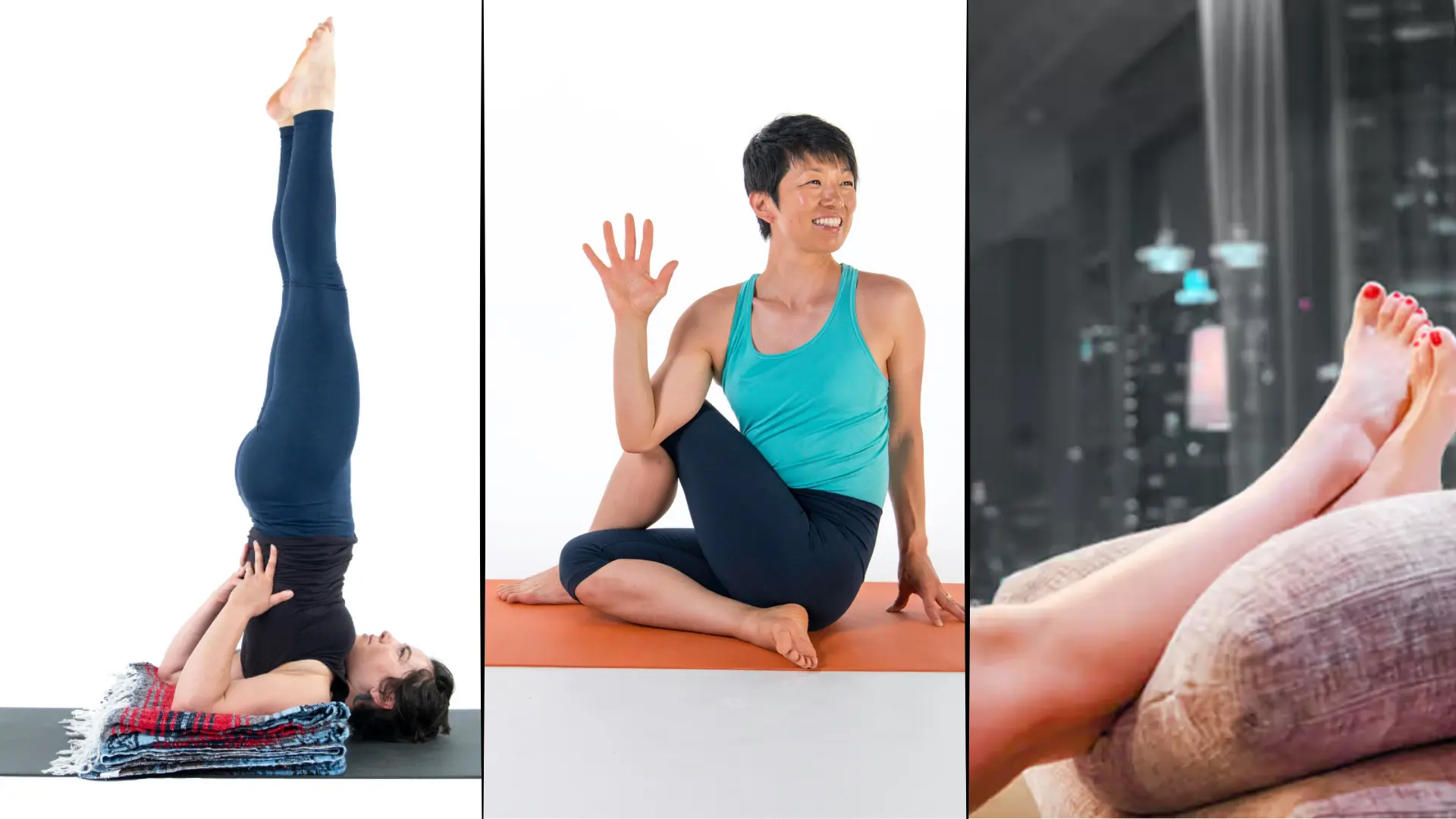
Gentle yoga movements can support circulation while calming your nervous system and reducing fluid buildup naturally.
Gentle inversions: Positions like legs up the wall allow gravity to assist fluid movement from the lower body back toward the torso.
Twisting poses: Seated or lying twists gently compress and release the abdominal areas, supporting internal circulation and digestive function.
Leg elevation: Raising your legs on a cushion or against a wall for 5 to 10 minutes can help reduce swelling and support drainage. Keep movements slow and controlled for the best results.
Hydration and Nutrition for Lymph Support
What you drink and eat plays a direct role in how well your lymphatic system functions each day.
- Importance of water intake: Staying well hydrated keeps lymph fluid thin and easier to move. Aim for steady water intake throughout the day instead of drinking large amounts at once.
- Anti-inflammatory foods: Include leafy greens, berries, citrus fruits, fatty fish, nuts, seeds, and olive oil. These foods support immune balance and overall circulation.
- Foods to limit: Reduce highly processed foods, excess sugar, and high-sodium meals, which may contribute to fluid retention.
- Role of electrolytes: Balanced levels of sodium, potassium, and magnesium help regulate fluid balance and support healthy cellular function.
Supporting your lymphatic system through hydration and balanced nutrition is simple. Small daily choices add up and help your body function more efficiently.
Simple Daily Lymphatic Routine
Following a simple daily routine can make a big difference in keeping your lymphatic system active. Even small, consistent habits help your body detox naturally.
| Time of Day | Routine / Activity | Benefits |
|---|---|---|
| Morning | Drink water and do dry brushing | Hydrates lymph, stimulates circulation, and exfoliates skin |
| Daytime | Take a walk or do light stretching | Keeps lymph fluid moving and boosts energy |
| Evening | Alternating hot/cold showers and a gentle massage | Improves lymph flow, relaxes muscles, and reduces puffiness |
| Weekly | Yoga or rebounding session | Opens lymph pathways, strengthens muscles, and supports detox |
Sticking to this routine regularly helps your lymphatic system stay healthy, improves energy, and supports your body’s natural detox process.
When to Seek Professional Help for Lymphatic Issues
While natural habits can support lymph flow, sometimes symptoms need medical attention. Watch for these warning signs:
- Persistent swelling: Puffiness in arms, legs, or face that doesn’t improve may need professional evaluation.
- Frequent infections: Repeated illness can indicate that your immune or lymphatic system needs medical support.
- Painful or hard lymph nodes: Tender, enlarged, or firm nodes should always be checked.
- Unexplained fatigue or fever: Ongoing tiredness with other symptoms may indicate a deeper issue.
- Sudden fluid buildup after surgery or injury: This could be lymphedema and requires guided treatment.
Knowing when to seek help helps ensure you support your lymphatic health safely while continuing your natural wellness practices.
Final Words
After trying several approaches myself, I can honestly say that supporting your lymphatic system doesn’t have to be complicated. Simple habits like drinking enough water, moving your body daily, eating anti-inflammatory foods, and practicing gentle massage or dry brushing can make a big difference.
I’ve seen how even small changes, when done consistently, can improve energy, reduce puffiness, and help the body feel lighter. Remember, how to detox your lymphatic system naturally is not about a quick fix; it’s about regular care and mindful habits.
I encourage you to start with one or two techniques today and gradually build a routine. Try these tips, notice the changes, and share your experience in the comments below with others who want to feel their best!