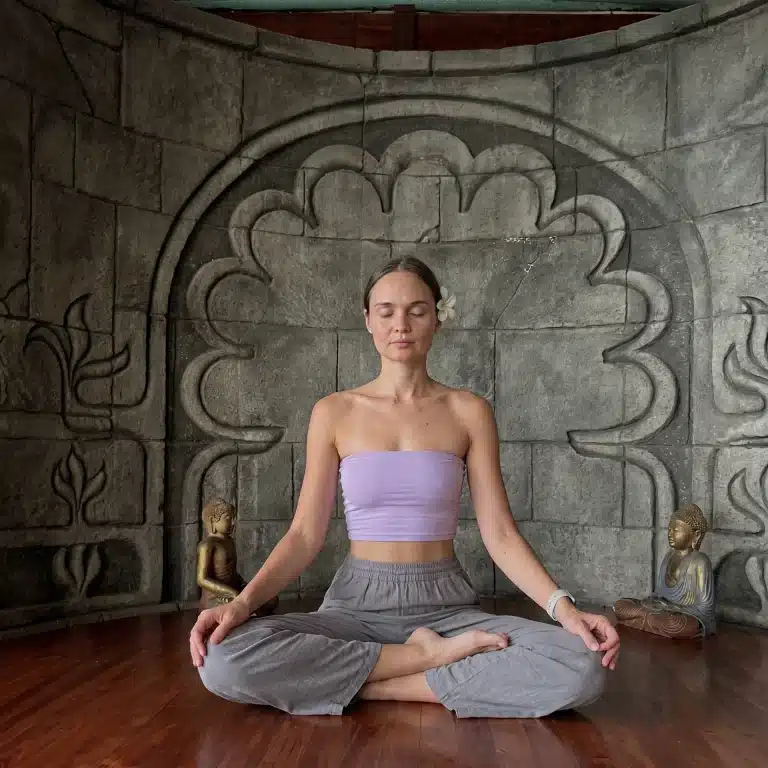
When I first started mixing yoga with my gym routine, I had one simple question: yoga before or after workout? You may have asked the same thing, too.
Some people say yoga is the best warm-up. Others believe it works better after exercise, since stretching and relaxation help the body recover.
The truth is, both options can work. It depends on your goal, energy level, and the type of workout you plan to do.
Here, I will clearly break down the differences. You will learn the benefits of doing yoga before exercise, the advantages of doing it after, and what people on Reddit say about their real experiences. By the end, you will know exactly which option fits your routine.
Yoga Before or After Workout: What Is the Difference?
When you add yoga to your fitness routine, timing can change how your body feels and performs. Yoga before a workout usually works as a warm-up. It helps loosen tight joints, improve mobility, and prepare muscles for movement.
This can make strength training or cardio feel smoother and reduce the chance of injury. Yoga after a workout serves a different purpose. It focuses more on recovery and relaxation.
Gentle poses and stretches help release tension, improve flexibility, and calm your body after intense exercise.
Both options offer benefits, but the right choice often depends on your goal, workout intensity, and how your body responds during and after training.
Doing Yoga Before a Workout

Doing yoga before a workout can prepare your body for movement. It helps loosen muscles, improve mobility, and bring better focus to your training session.
1. Benefits of Yoga Before Exercise
Yoga before exercise helps wake up your body and prepare it for physical activity. Gentle movements increase blood flow to the muscles and improve joint mobility.
This can help you move better during strength training or cardio sessions. Many people also notice better balance and focus when they start their workout after a short yoga flow.
In my own practice, a 10-minute sun salutation sequence before lifting has made a noticeable difference in how my shoulders and hips feel during compound movements.
My squat depth improved noticeably within a month once I started adding hip-opening yoga flows before leg days.
2. Best Types of Yoga Before a Workout
Some yoga styles work well as a warm-up because they include active movements and steady breathing that prepare your body for exercise.
- Dynamic yoga flows: These involve smooth movements between poses that gently warm up muscles and joints before training.
- Sun salutations: A sequence that stretches the whole body while improving circulation and preparing the spine, shoulders, and legs.
- Short mobility sequences: Focus on the hips, shoulders, and ankles to help your body move more freely during workouts.
What to avoid before a workout: Skip Yin yoga, Restorative yoga, or any pose held for more than 60 seconds before lifting.
Deep passive stretches reduce muscle stiffness temporarily, which is actually counterproductive before resistance training, where you need tension and stability.
Using active yoga before exercise prepares your body, increases mobility, and helps you feel more energized and ready for the workout.
3. When Yoga Before Exercise Works Best
Yoga before exercise works well when your goal is to prepare your body for a demanding workout. It helps activate muscles and improve flexibility before training.
This approach is especially useful on days when you plan to lift weights, run, or engage in other sports that require mobility and control.
- Strength training days: Helps warm up joints and muscles before lifting weights.
- Weightlifting sessions: Improves mobility, which can support better lifting form.
- Running or sports training: Loosens hips and legs so your movements feel smoother.
Keep pre-workout yoga to 10–15 minutes. Longer sessions fatigue stabilizing muscles, especially the small postural muscles around the spine and hips, leaving them less effective during your main workout.
I learned this the hard way after spending 45 minutes on yoga before a heavy deadlift session; my lower back fatigued faster than usual because the stabilizers were already taxed.
Trying yoga before different workouts can help you see how it improves comfort, mobility, and overall training performance.
Doing Yoga After a Workout

Doing yoga after a workout helps your body cool down and recover. It relaxes tight muscles, improves flexibility, and brings your body back to a calm state.
1. Benefits of Yoga After Exercise
Yoga after exercise helps your body recover from intense activity. Slow stretches release muscle tension and improve blood flow. This can reduce soreness and stiffness after workouts.
Many people also feel calmer and more relaxed after adding a short yoga session to their training. Over time, it can also help improve flexibility and body balance.
From a physiology standpoint, post-workout muscles are already warm and pliable, meaning they respond better to stretching.
You get more flexibility gains in less time when you stretch after exercise compared to cold-muscle stretching.
2. Best Types of Yoga After Exercise
Certain yoga styles work better after workouts because they focus on slow movements and deep stretching that help muscles relax.
- Slow-stretch yoga: Gentle poses help lengthen tight muscles and release tension built up during workouts.
- Yin yoga: This style uses longer holds that target deeper tissues and improve flexibility over time.
- Restorative yoga: Uses supported poses and relaxed breathing to calm the body and support recovery.
If you only have time for one post-workout pose, make it Legs Up the Wall (Viparita Karani).
Hold it for 5 minutes after any lower-body workout. It helps drain lactic acid from the legs, activates the parasympathetic nervous system, and reduces lower-limb swelling. I end almost every training session with this pose.
These slower yoga styles help your body relax, release tension, and recover after exercise while gradually improving flexibility and muscle recovery.
3. When Yoga After Exercise Works Best
Yoga after exercise works best when your body needs recovery after intense physical activity. Stretching warm muscles can improve flexibility and reduce tightness. Many athletes and gym-goers use yoga after training to relax the body and support recovery.
- After an intense gym: It helps release tension in muscles after heavy lifting or high-intensity workouts.
- After running or cardio: Stretch tight legs and hips after repetitive movement during runs or cardio sessions.
- On heavy leg or strength: helps reduce stiffness in large muscle groups like the quads, hamstrings, and glutes.
Adding yoga after tough workouts helps your body recover, ease muscle tension, improve flexibility, and leave you feeling calm and relaxed.
Does Yoga Count as a Workout on Its Own?
This question comes up constantly, and it deserves a direct answer. Yes, yoga can be a full workout, depending on the style. Power yoga, Ashtanga, and hot yoga elevate heart rate, build functional strength, and improve endurance.
A vigorous 60-minute Vinyasa class can burn 400–600 calories and challenge core strength as effectively as many gym workouts.
However, Yin, Restorative, and gentle Hatha yoga are primarily recovery and flexibility tools.
Treating them as cardio or strength training replacements will leave a gap in your fitness routine. Think of these gentler styles as active recovery, useful on rest days, not as main training sessions.
If you are using yoga as your primary workout, pair it with at least two resistance training sessions per week to maintain bone density and muscle mass, especially important for women over 35.
What Fitness Communities Say?

In a Reddit thread titled “ Yoga before or after workout? ”, one user asked whether yoga should be done before or after gym training. Many replies shared mixed experiences.
Some users said doing yoga first helps loosen joints and prepare the body for lifting. Others felt yoga works better after workouts because deep stretches help reduce soreness and relax tight muscles.
A few commenters also suggested using dynamic yoga before exercise and slower stretching afterward. Overall, the discussion showed that people choose a timing based on their workout goals and how their bodies respond.
What I find telling about these community threads is the consistency of one pattern: the people who reported injury or fatigue almost all described doing long, passive stretching before lifting.
The people who thrived with pre-workout yoga consistently described shorter, flow-based sequences. The lived experience matches the research.
From my view, discussions like this highlight why the question “Yoga before or after workout?” has no single answer. I feel the best approach is to test both methods and choose what fits your routine and energy level.
Which Option Is Better for Your Goal?
Your fitness goal often determines whether yoga is more effective before or after a workout, as each timing offers unique benefits for the body and mind.
The table below highlights the best option based on different fitness goals.
| Fitness Goal | Better Timing for Yoga | Why It Helps |
|---|---|---|
| Weight Loss | After Workout | Helps cool down, reduce stress, and support recovery. Relaxed muscles may improve consistency with exercise. |
| Flexibility | After Workout | Muscles are already warm, making stretching easier and helping improve flexibility while reducing tightness. |
| Muscle Recovery | After Workout | Gentle yoga can release muscle tension, improve circulation, and reduce soreness or stiffness. |
| Relaxation | After Workout | Slow breathing and gentle poses help calm the mind and relax tired muscles. |
| Overall Choice | Depends on Goal & Body Response | Best timing varies based on your fitness goal, workout type, and how your body feels. |
Choosing the right time for yoga depends on your personal goals, workout routine, and how your body responds, so experimenting with both options can help you find what works best.
Common Mistakes People Make
Yoga and workouts go hand in hand, but common mistakes can impact performance. Let’s break them down.
- Deep Stretching Before Lifting: Stretching too deeply before lifting can decrease muscle stability. It’s best to warm up gently to avoid compromising strength during heavy lifting.
- Overdoing Yoga Before a Workout: Spending too much time on yoga can tire you out, leaving you with less energy for your main workout. Keep yoga sessions shorter for balance.
- Ignoring Rest and Recovery Days: Skipping rest days can hurt recovery. Your muscles need time to rebuild. Be sure to schedule recovery days to keep your body in top shape.
- Yoga Intensity vs. Workout Goals: Intense yoga sessions before high-energy workouts can cause fatigue. Match the intensity of yoga with your training to ensure a balanced routine.
- Not Listening to Your Body: Pushing yourself too hard can lead to injury. Pay attention to how your body feels and adjust your yoga practice or workout accordingly for better results.
- Treating all yoga the same: A 60-minute Power yoga class is not interchangeable with a 15-minute dynamic warm-up flow. Lumping them together leads to poor decisions about timing and intensity. Always consider the style, duration, and effort level of the yoga session in context.
By avoiding these mistakes, you can ensure better performance and recovery. Listen to your body, and stay consistent to make the most of your yoga and workouts.
Wrap Up
If you are trying to decide whether to do yoga before or after a workout, I have learned that there is no single rule. What matters most is how your body responds and what you want from your routine.
Yoga before exercise can prepare your body and help you move better. Yoga after exercise can relax tight muscles and support recovery. You may even find that using both works best on different days.
That is what many people on Reddit say after trying it themselves. My advice is simple. Try each option for a few weeks and pay attention to how you feel.
Once you find what works for you, stick with it and build a routine you enjoy. If this guide helped you, share it with someone building their own fitness routine.
Frequently Asked Questions
Is it okay to do yoga every day, even if I work out daily?
Yes, you can do gentle yoga daily alongside workouts. Avoid pairing intense yoga styles with daily gym sessions, as both demand recovery and may increase fatigue or injury risk.
Can yoga replace stretching after a workout?
Yes, yoga works well as a post-workout stretch. It targets multiple muscle groups in sequence and uses controlled breathing, which can improve flexibility and recovery more effectively than random stretching.
Does yoga count as cardio or strength training?
Some styles, like Vinyasa or Power yoga, raise heart rate and build endurance. Still, they are not ideal replacements for focused cardio or strength training if those are your main goals.
How long should a yoga session be before or after a workout?
Before workouts, keep yoga to 10–15 minutes with movement-based flows. After workouts, aim for 15–20 minutes of slower yoga to cool down and help muscles recover properly.
Should I do yoga before or after lifting weights specifically?
Do 10–15 minutes of dynamic yoga before lifting to warm up joints and muscles. After lifting, use slower yoga for 15–20 minutes to release tension and support recovery.